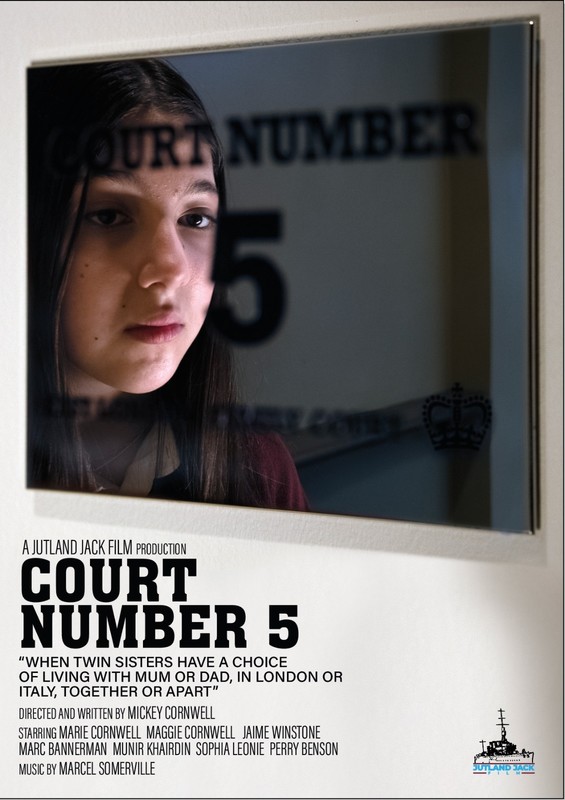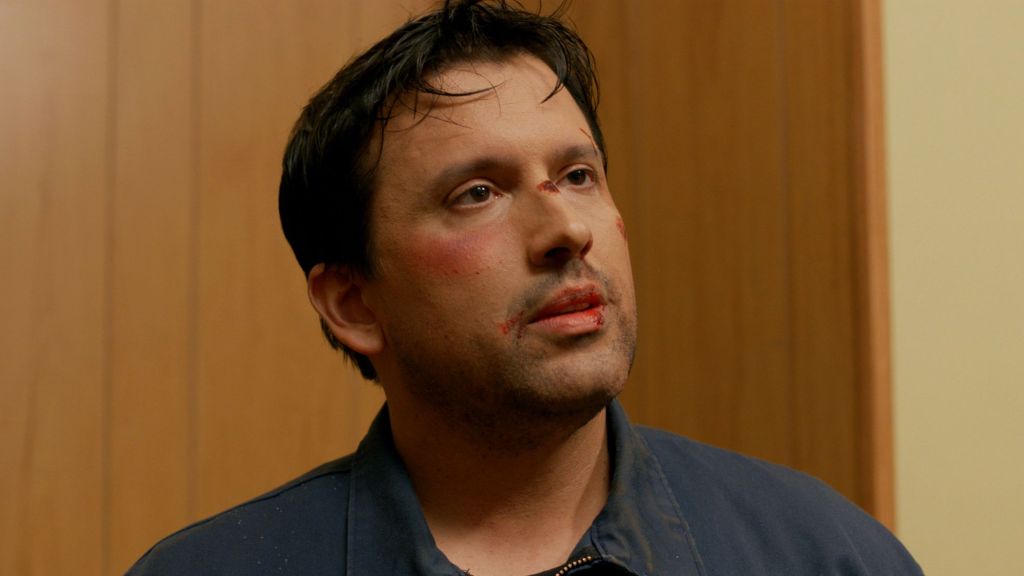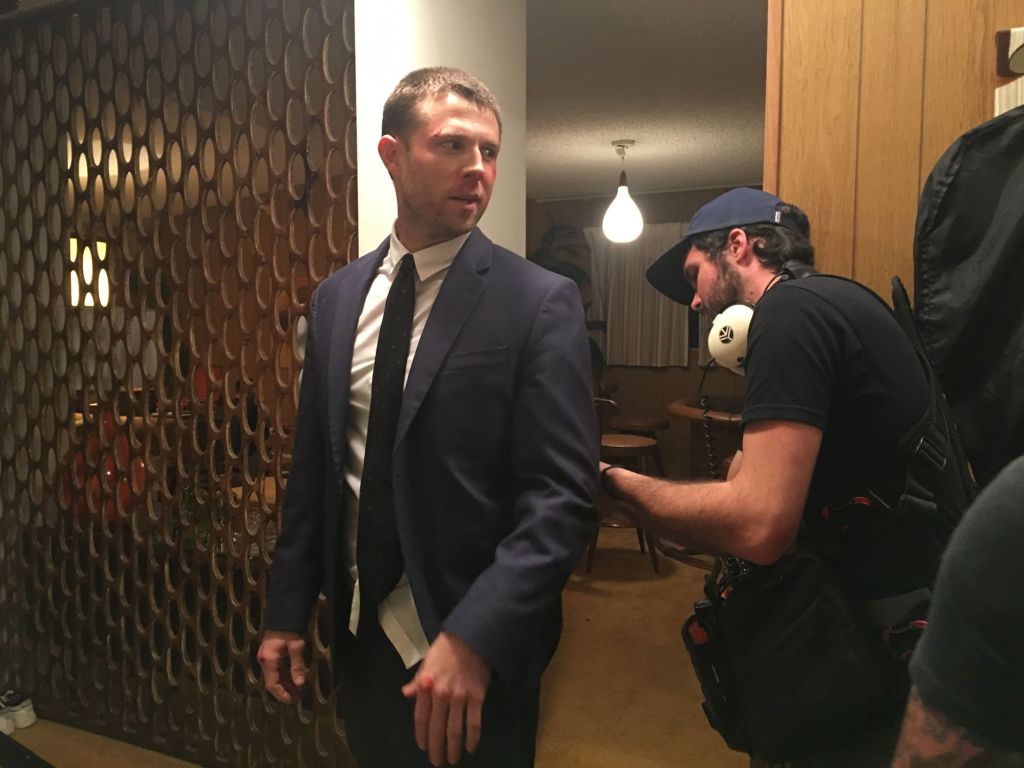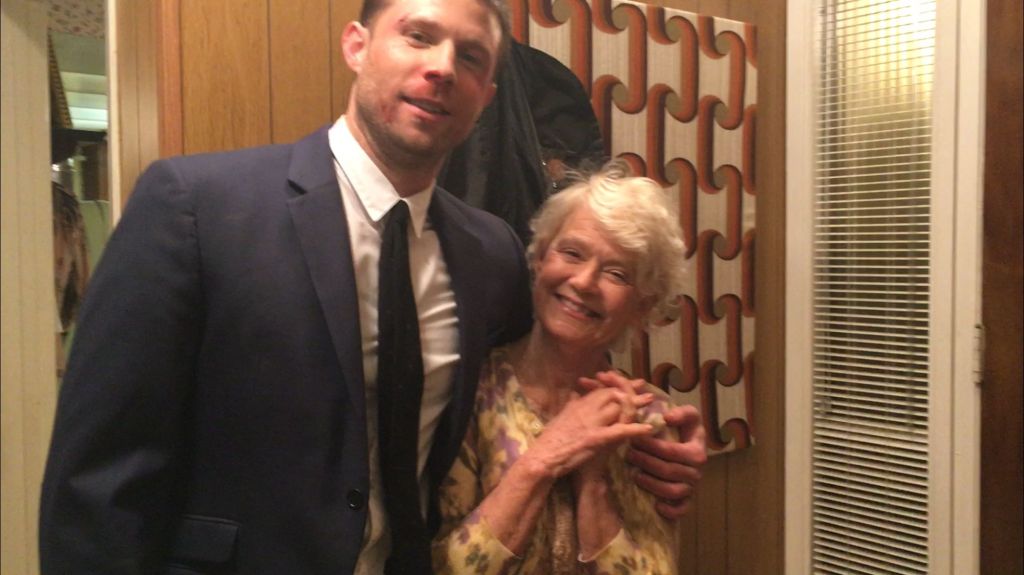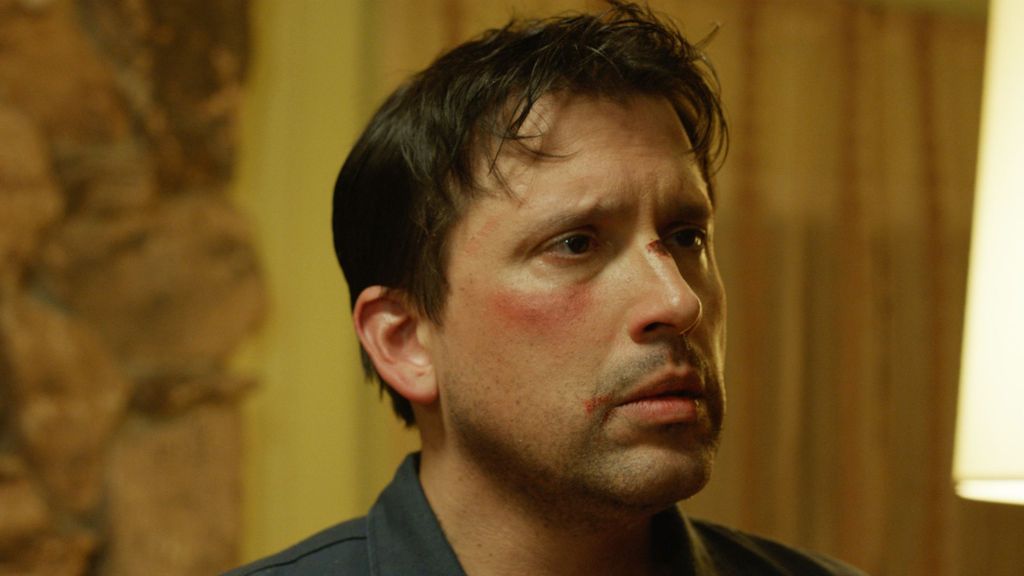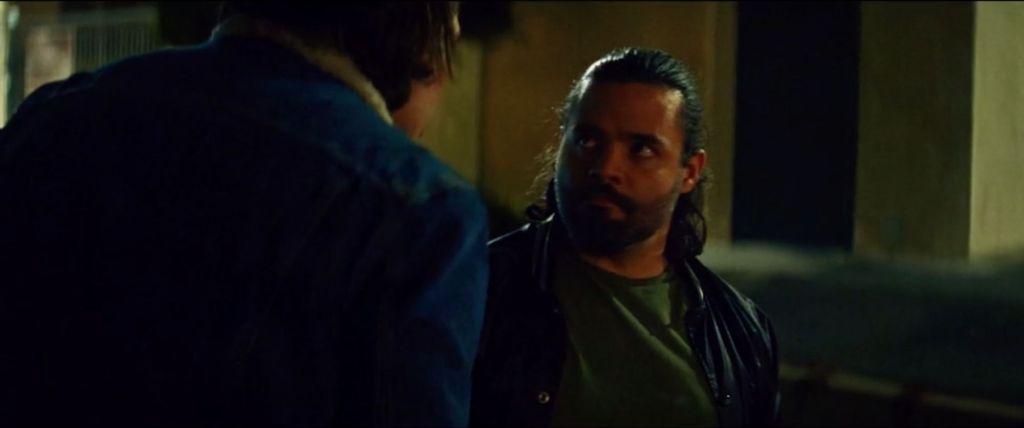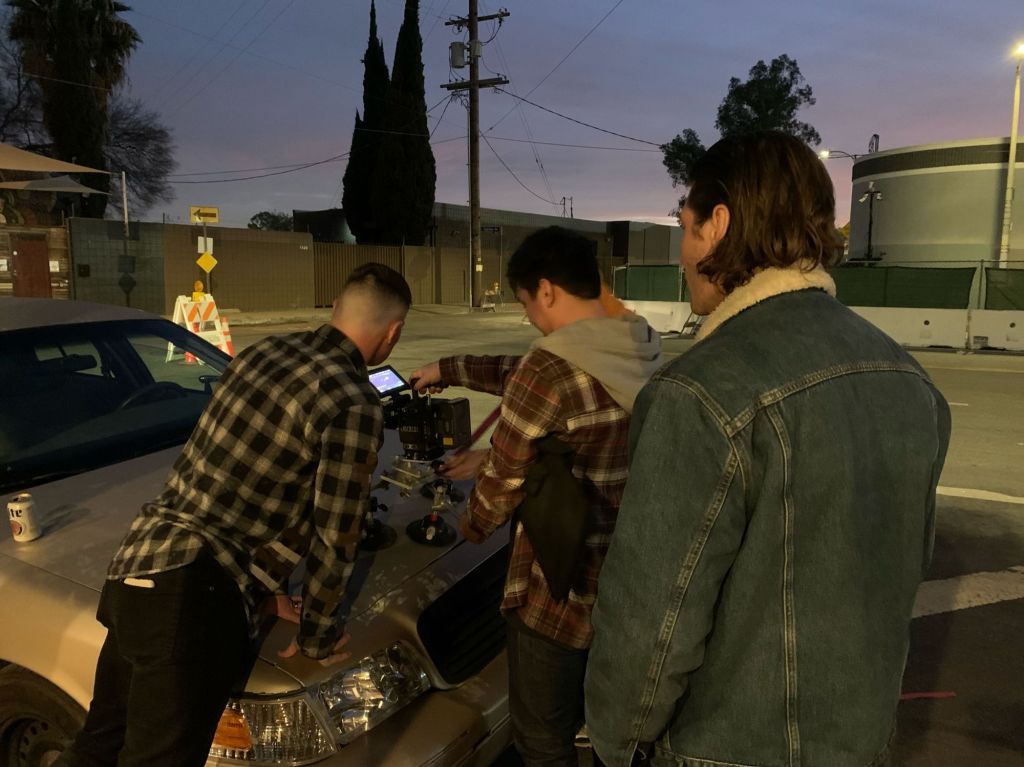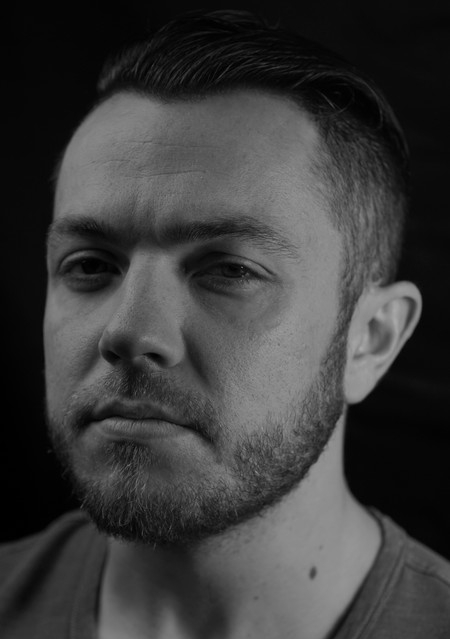
Interview with Mickey Cornwell, director of โ€˜Court Number 5,โ€™ and lead actors Maggie and Marie Cornwell

* * *

Actors and TV Presenters Maggie and Marie Cornwell are both fourteen and in Year 10 at school. Their most recent acting roles are Anna and Bella in the short film, ‘Court Number 5,’ by their award-winning film director-father, Mickey Cornwell. Our interview takes place over zoom with a Christmas tree in the background that has a gigantic pile of presents underneath. The girls are in high spirits because theyโ€™ve just been to a West Ham vs. Tottenham match that West Ham won; Mickey Cornwellโ€™s position as Vice President of West Ham Womenโ€™s Football Club is a cherished part of the family and a principal theme in his work as a writer and director. It was even how his first short film ‘Pretty Little Bubbles’ came about, as youโ€™ll find out in this interview with the three Cornwells.

Hi Marie and Maggie, what are you studying at school?

Marie: I took Drama, Music, Film Studies and History.

Maggie: I took the same but instead of Drama, I do Art.

Have either of you had any formal acting training outside school?

Marie: We go to Pauline Quirke Academy. Weโ€™ve been there for six years, and weโ€™ve just started out at Italia Conti Associates.

Do you have any other siblings?

Marie: Yeah loads. Thereโ€™s seven of us. Iโ€™m the second to youngest.

How do you two get on in real life?

Maggie: Weโ€™re actually really close.

How similar are you guys to Anna and Bella?

Maggie: I would say in some points Iโ€™m similar to Anna, but not really.

Marie: Yeah, with Bella, Iโ€™m quite the opposite actually, because she keeps to herself, and I love talking about myself!

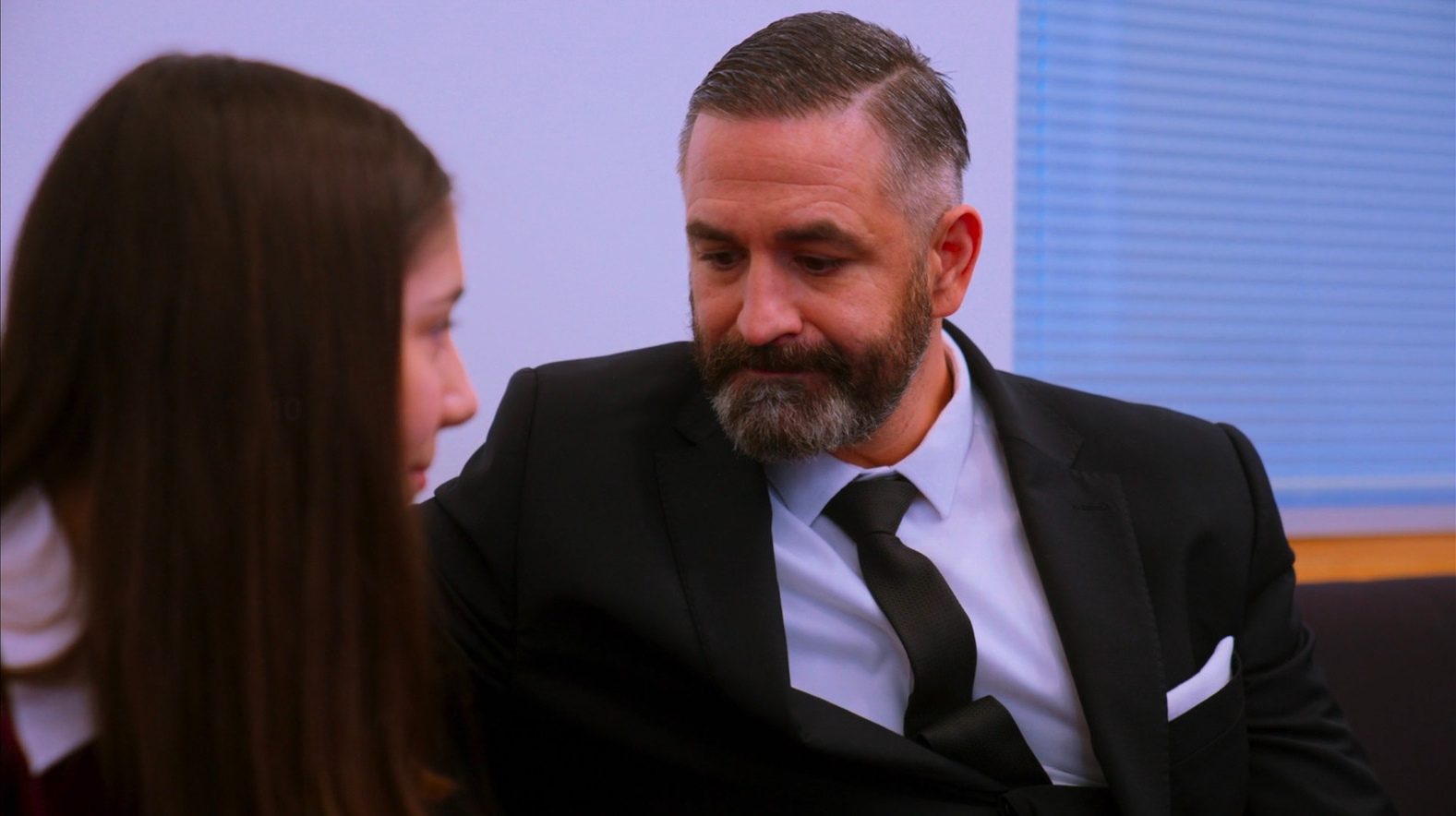
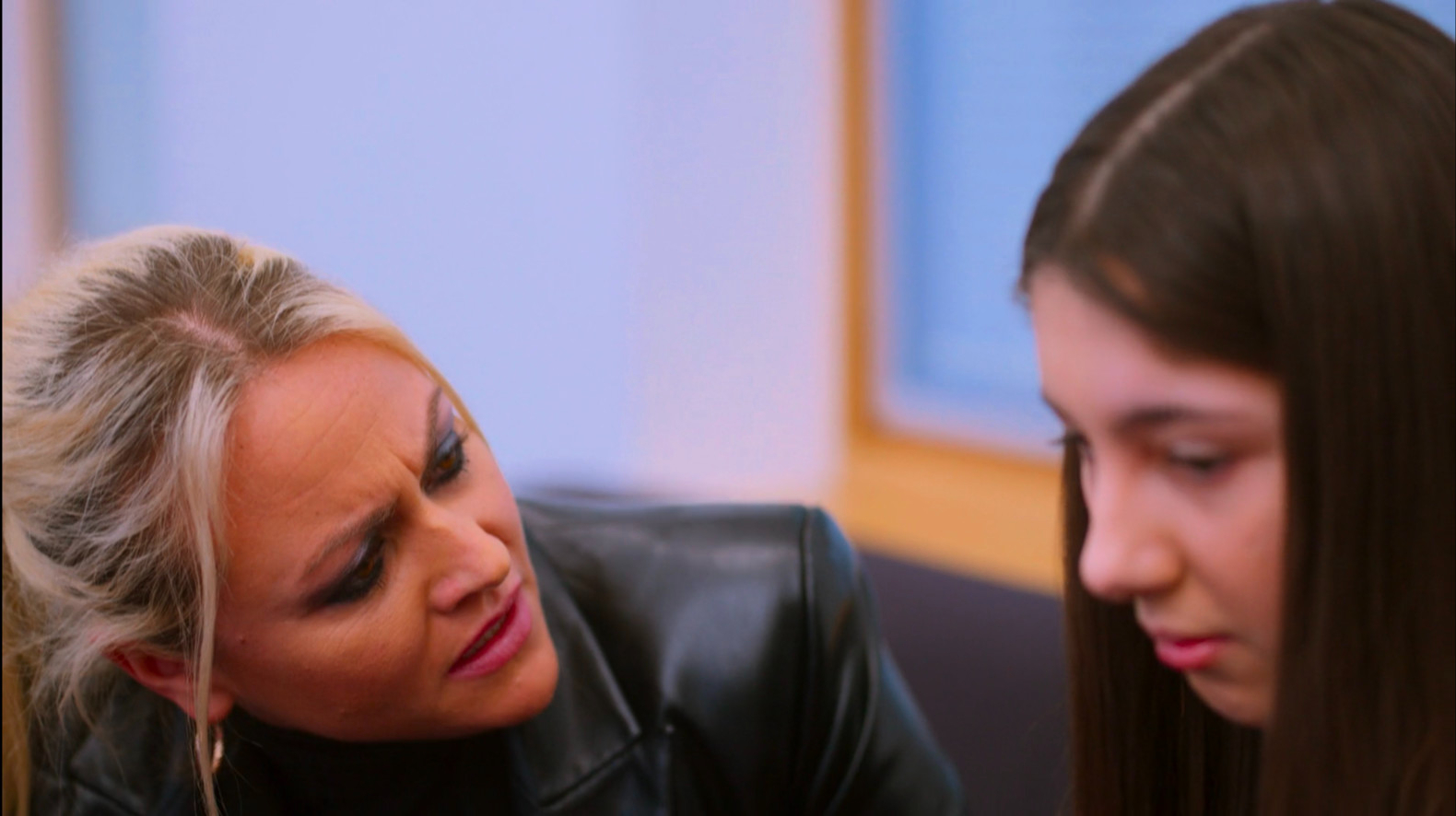
Marie Cornwell as “Bella” and Maggie Cornwell as “Anna”

Were the characters based on you?

Maggie: I donโ€™t think so.

When did you first become interested in acting?

Maggie: About six years ago is when we started PQA (Pauline Quirke Academy).

Mickey: The first time they became interested in acting was when they came downstairs one day when they were about four or five years old, and they said we wanna do a show!

So, you started doing things in the kitchen at home for your parents?

Maggie: Yeah, we used to make up dances. I used to go gymnastics, so I was always doing that.

I donโ€™t know if you can answer this well because heโ€™s right behind you, but whatโ€™s it like working with your Dad and having him as your boss?

Maggie: Itโ€™s not that bad. There were a lot of sausage rolls on set and if we wanted more food, we could just ask, so it was pretty good actually!

Marie: They were so good!

How many days filming did you guys do?

Marie: Three.

Do you guys know where the script idea came from?

It was during lockdown, and we were on a walk and our dad came up with it. That’s the story.

Were you guys involved in the making of the storyline?

Maggie: We changed some of our own lines, but every actor does that a bit.

How did you manage to play these characters so well with it being such a delicate topic? Do you have friends or anything that had been through that?

Marie: Yes, and you see a lot of it on TV anyway, so you kind of get different sources and a lot of other peopleโ€™s point of views on how to play that character.

Do you get nervous at all?

Maggie: I used to get very nervous. When you first get into the environment you feel comfortable, so there was no need to be nervous because everyoneโ€™s doing the same thing.

What it was like working with Jaime and Mark?

Marie: There were hilarious!

Maggie: They were lovely!

Marie: The whole cast were great to be around. It was a lot of fun.

Hi Mickey, can you expand on how the idea come about?

Mickey: We were playing with a few ideas for what film I wanted to do as my next film, and anything drama-wise the twins are going to be involved. The whole reason Iโ€™m doing this is for their careers โ€“ Iโ€™ve got a career anyway, so itโ€™s always been more for them. Where Iโ€™d won awards in Italy for ‘Pretty Little Bubbles’, I think I wanted to involve the Italian side of things because I know they loved it over there. It was a shame that with ‘Court Number Five’ there were five Italian Festivals that I couldnโ€™t attend because of Covid-19. With ‘Pretty Little Bubbles’ I was over there and enjoying it.

Mickey Cornwell, writer & director of ‘Court Number 5’

Which festivals have you been to?

Mickey: Iโ€™ve been abroad loads โ€“ Iโ€™ve been to Italy twice. My first film โ€˜Pretty Little Bubblesโ€™, won about 35 awards worldwide and that was the first thing Iโ€™d ever done in film. The crew I used were wedding videographers. Now Iโ€™ve been to film school and learnt the trade, I see the mistake that they made. I canโ€™t believe how well it did considering how it was made! But I cast it well and Lee Wakefield, a friend of mine, was really good in it.

What was the casting process like for ‘Court Number 5’?

Mickey: Jaime (Winstone) is a big West Ham fan and weโ€™d done a documentary for the BBC called ‘Britainโ€™s Youngest Football Boss’, that she narrated. Her Dad, Ray, is a big West Ham fan so heโ€™s always at the stadium. Then Mac Bannerman is another friend โ€“ in London we all know each other and if I donโ€™t know them, Iโ€™ll know someone who does! When I wrote the script, I actually wrote it for Marc Bannerman and had him in mind from the beginning. But for however long Iโ€™ve known him, I didnโ€™t know heโ€™s not Italian โ€“ heโ€™s actually of Irish descent! Heโ€™s got nothing to do with Italy at all โ€“ so all those years playing an Italian on EastEnders – he isnโ€™t even Italian โ€“ canโ€™t speak a word of it!

Marc Bannerman as “Angelo”

Iโ€™d known Munir, who played the lawyer, since I was 15 – he went to school with one of my uncles. Louisa Johnsonโ€™s dad is in it โ€“ heโ€™s the disgruntled guy in the court room. Natalie, the lady who plays the court usher, is one of the girlsโ€™ drama coaches โ€“ sheโ€™s a freelance drama instructor and sheโ€™s really good. Sheโ€™s been in ‘Pride and Prejudice’, and her husbandโ€™s also a big-time actor, heโ€™s in the crowd. Theyโ€™re all industry people. I’m a new director in this game, so youโ€™ve got to use people who are known throughout; you’ve got to use industry people. Iโ€™ve just finished a true-crime documentary, and all my crew are industry people. My editor works for ‘Panorama’, heโ€™s done tonnes and tonnes of documentaries โ€“ I think heโ€™s got 80 credits to his name.

How about Sophia Leonie (social worker)?

Mickey: The only person I cast off mandy.com is Sophia. Samira from ‘Love Island’ was cast to play the social worker, but I had a message from Samiraโ€™s agent at 9 oโ€™clock one morning (so itโ€™s obviously in the top of the list of her things to do) saying Samira canโ€™t do the shoot now – sheโ€™s working on something else, but what happened was โ€ฆ I had Jaime down to play the Mum, but I didnโ€™t hear from her for a couple of weeks, so I thought she didnโ€™t want it. I then cast Katie Jarvis from EastEnders… A couple of weeks passed, and then my mate messaged me at one oโ€™clock in the morning saying, have you seen the news? The ‘Daily Mail’ had this whole story about Katie Jarvis being arrested for being drunk and racially abusive, and her kids with her at the time. It was the worst story that could ever happen, right? I had my head in my hands thinking, what do I do?

So, you had to let her down?

Mickey: Yes, not even gently, you canโ€™t be acting like thatโ€ฆ The twins are mixed heritage โ€“ their Mum is mixed race. Iโ€™m half Scottish! Anyway, I phoned Jaime back and said this is whatโ€™s happened, please can you come on board. She said she wanted to do it from the start. Luckily, she wasnโ€™t booked for anything else and she was well happy to do it!

Jaime Winstone as “Laura”

In the future are you more interested in television or film?

Mickey: Iโ€™m building a big production company. Iโ€™m going to go across the board really. The twins want do theatre as well, so I might chuck my hat in the ring to do theatre production. With the true crime documentary, because Iโ€™m from East London, itโ€™s the people I know, so itโ€™s an easy job.

Is the premise quite top secret, or can you give any hints at what itโ€™s going to involve?

Mickey: I canโ€™t go into it too much at the moment, but Marcel, who did the soundtrack for ‘Court Number 5’ has scored my true crime documentary as well. He was a finalist on Love Island, and he was in the rap group called ‘Blazinโ€™ Squad’. Heโ€™s one of my best friends from since we were young.

How did you get into film?

Mickey: Mum and Dad were both stage actors, so I grew up backstage and I hated it! Then once the girls got interested in it, when they went going to Pauline Quirkeโ€™s, I started getting a bit of a buzz for it. I was going to do an advert for West Ham, which the twins could be in and get a credit. I started writing the advert, but the ending really hit me in the stomach when I wrote it. I thought, this could be a lot bigger than what I intended it to be. And it was, it really blew up.

When we were filming, I knew the guys were making mistakes, but I couldnโ€™t back myself up by saying, “listen, youโ€™re doing that wrong, can we do it like this?”, because I hadnโ€™t done the film school thing. Thatโ€™s what was holding me back โ€“ I think โ€˜Pretty Little Bubblesโ€™ could have been even bigger than it actually was. Itโ€™s a shame that the twins have grown up now because I couldโ€™ve done a remake! The script was so strong.

From there I took myself to Central Film School on Brick Lane and did a six-month intensive course โ€“ basically two years in six months โ€“ ‘Court Number 5’ was the final piece. I wrote the script for that and thought, you know what, this is good, so I got better actors and a better crew involved. As for the editor, the way I got him, I said look Andy, as soon as Iโ€™ve finished shooting this, Iโ€™m straight on the road doing this true crime documentary. That was a bit more up his street. I told him itโ€™s going to be a series, and these are the actors Iโ€™ve got, but youโ€™ve got to do this short film first, and we got him! Heโ€™s a big fish! He literally knows everyone in the industry. Having him has opened up so many other doors.

The biggest thing in the industry is it comes down to who you know, youโ€™ve just got to network and make contacts. But what Iโ€™ve found is that everyone wants to help each other. 

‘COURT NUMBER 5’ screens at Whirled Cinema on Saturday 6th November, 4.30 – 7.30 pm
Interview with Micah Dahl, Director of โ€˜Clarenceโ€™

* * *

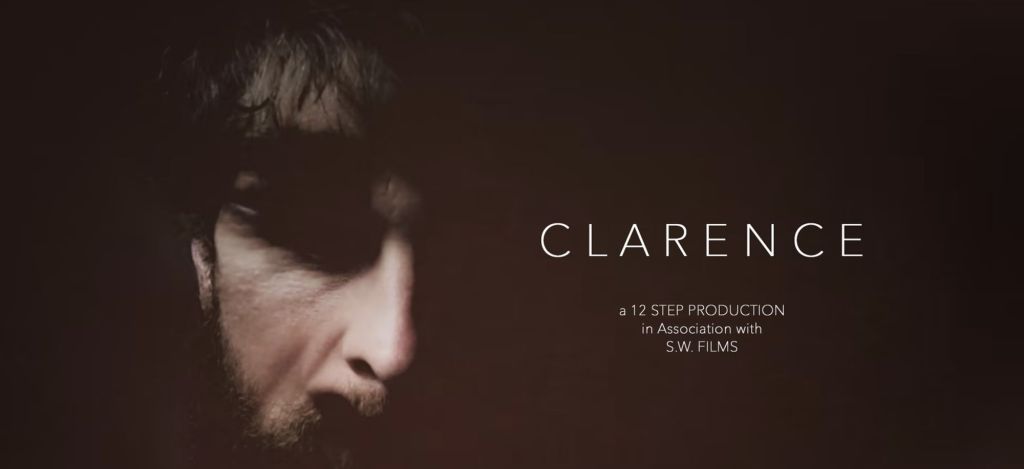
You have a particular idea you want to develop, you want to work with someone who you have known for years and you happen to be attending a trade show in a certain city where everybody knows โ€œwhat happens here, only happens hereโ€. It is truly a delight to talk to a creator who knows his own mind and what he is aiming towards, but who is also making content that raises the issues we tend to shy away from. โ€˜CLARENCEโ€™ written by Micah Dahl and Colin Monaghan is an existential short which explores death and the questions we ask ourselves in the darkest of moments. Dahl is an editor, cinematographer, and motion graphics artist among many other things, and London Rocks Festival is proud to showcase his film where the titular protagonistโ€™s last moments of contemplation are laid bare as we follow the final snapshot of his life. 

A deliciously dark micro-budget short set in Las Vegas which leaves you wanting more.

S.S: How did you come together with Colin to write and direct โ€˜CLARENCEโ€™?

M.D: I have known Colin, a filmmaker and writer in his own right, for years and even now, living across the pond from each other, we have continually talked about projects and pushed each other to write and create. I’ve found that I’ve continually made music videos over short films and wanted to move in a different direction creatively. Going back and forth with Colin on ideas and hoping to collaborate, he had sent an idea (titled Motel) that was more involved that what โ€˜CLARENCEโ€™ ended up being but initially it was a possible music video collaboration that we were working towards, in the end, we took that script and changed changed it into โ€˜CLARENCEโ€™.

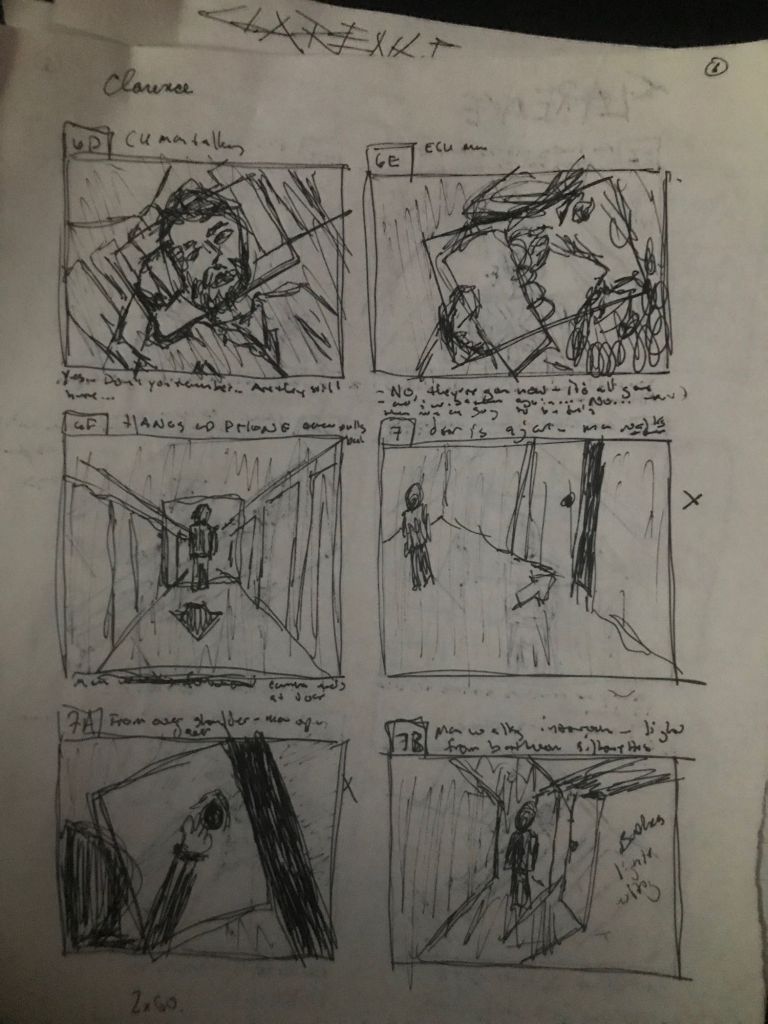
The film came together rather quickly. I was working at an ad agency in Minneapolis called Broadhead and Cody worked at the MPLS agency colle+mcvoy. We were both headed to Vegas to go to NAB (trade show) and as we are good friends and not into gambling we thought, well we will be in a place where we could make some crazy video stuff, while then going to the trade show – why don’t we just make something once we are out of our sessions. So I threw the idea out, thinking maybe we can live inside a box and work it – meaning myself and Cody at a minimum doing the shoot – but Colin made it and his help was so needed! From getting our plane tickets to Sin City Colin and I went through a bunch of versions to craft โ€˜Motelโ€™ into a script that became โ€˜CLARENCEโ€™ and could live within the box that we would be in. When Colin showed up in Sin City I had just finished the boards – we shot it in 3 days, really nights because Cody and I were at NAB during the day and it really just all came together. 

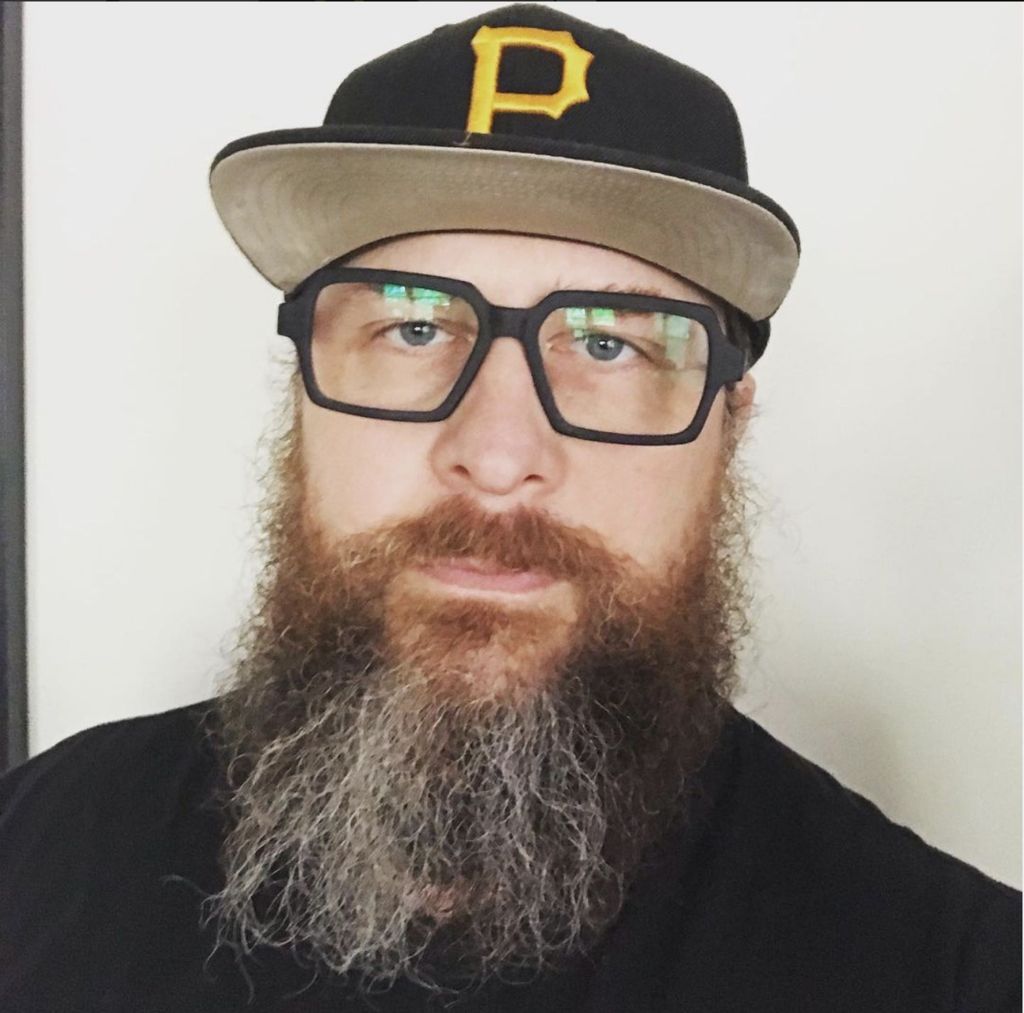
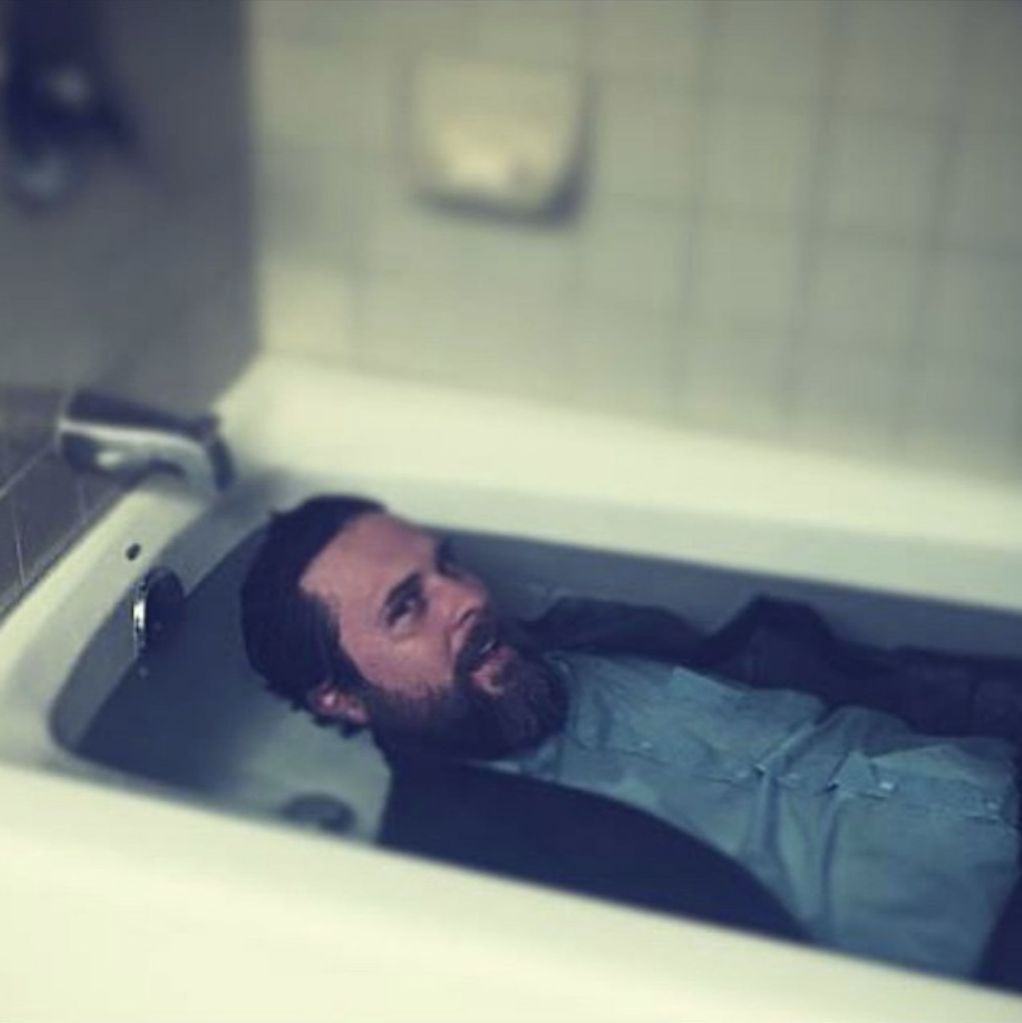
Director Micah Dahl

S.S: What difficulties did you face moving into making this short from your work in music videos, did you have to adopt any different practices?

M.D: Each project I work on has its own difficulties and I don’t really approach short film work differently from music video work – they are both just film work.  With โ€˜CLARENCEโ€™, timing was of the essence. As we were heading to Vegas for the tradeshow we needed to quickly format the script, figure out what EQ we would be able to bring and keep everything to a minimum.

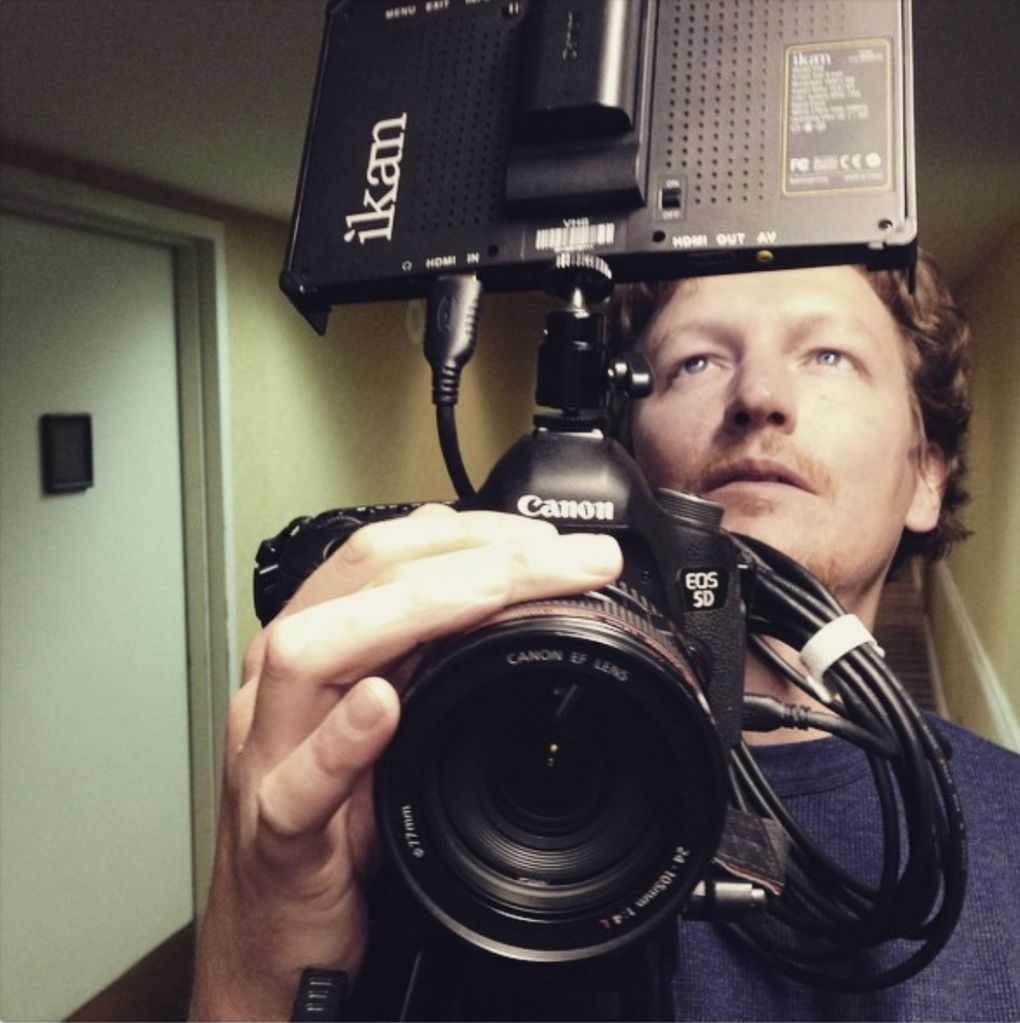
Planning from afar was challenging as we didn’t know what any of our locations would look like so we were hoping for the hotel room, hallway and elevators to work with the vision of the film and they did!  Not knowing helped us think about what this film was about, at itโ€™s core – itโ€™s about the nano second before death and what might go on in one’s head about the life lived, or not. Quickly going back and forth on email with Colin on the script, and modifying it to the most minimal we could make it, one character, Cody working camera and myself as Clarence – the pre-production was fast and loose. Knowing that we were really pitted into a corner with what was possible but I think when you have to live inside a box of constraints it more than likely boosts the creative thought process.

S.S: Were there any creative differences between yourselves in the changing of the original material in โ€˜Motelโ€™ to โ€˜CLARENCEโ€™ and what difficulties did you face working over the pond?

M.D: Well, over the years, Colin and I have just kept sending ideas, thoughts, partial ideas and he’s such a great writer and I’ve been able to be productive in Minneapolis with music videos, other short films so we have always been in contact about ideas. As for difficulties with working across the pond from each other itโ€™s been ok, email and the facetime/zoom hangs work but nothing beats being able to run down to the pub, have a pint and hash out ideas and really sort everything out.

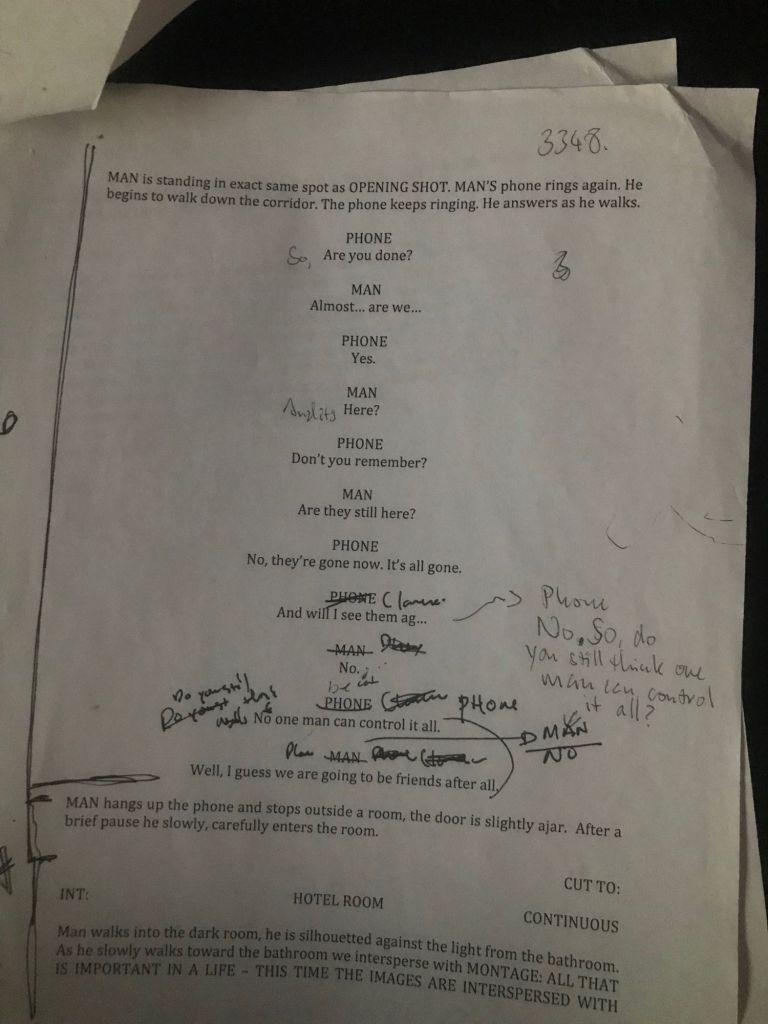
I don’t feel there was any real creative differences overall (except in production I had ended up changing the script while we shot) and that posed a discussion about what โ€˜CLARENCEโ€™ is answering “No” at the end of the film before he heads into the room. As for differences in the script – I don’t really feel that there was anything big – we knew what constraints we had so that helped set a tone for what was what we could feasibly craft.

Colin Monaghan: โ€˜Motelโ€™ was a short, written with the intention of getting it into production a fair few years ago now, and therefore I had imposed a lot of constraints, cast and location wise – It took place in a single location (a motel, unsurprisingly) and had a small cast. It was about a man facing his past. Micah sent me the germ of an idea he wanted to develop about decisions made and consequences – fear of a future predicated on past decisions, that kind of thing. โ€˜Motelโ€™ covered similar themes, so we stripped it back into something that we could make fast and I wrote a draft based on a man (the self, ID, brain etc.) trying to buy some time from his physical (dying) self, to run through past decisions, to see what he could have done differently to separate him from this physical death. It went very quickly from there.

S.S: It sounds like a very brief and intense movement from scripting to storyboarding – is this normally your way to approach work?

M.D: It kind of depends on the project. I just recently made a music video and we had a long pre-production process, shooting over a weekend and the post process was done by myself as editor but we had time and space, minus shooting but we planned for that.  So, it really depends on the project. I’m not out making some crazy bank on any of this so it really comes down to passion for the work. I’ve been involved in the music scene since I was 15 growing up in Moorhead, MN (basically Fargo, I usually say Fargo but no one wants to be from North Dakota).  Most of the music videos I make are with friends, of course that’s changed as I’ve worked with more and more newer people but it always comes pretty quick – overall I would say I try to keep a realistic time table from concept to storyboard to production to post.

S.S: Iโ€™m impressed you managed to find such empty spaces at the hotel during the conference in a city like Vegas. What advice do you have to other potential filmmakers looking to make a micro-budget short?

M.D: We didn’t ask for permission which maybe isn’t the best thing to advertise, but we were quite thoughtful about how we were shooting – how we set stuff up on the strip with the timelapse footage (which was pretty weird for me to sit there for 30 minutes still) but also setting up in the fast food place to keep logo’s out of the shots.  One thing for sure is we couldn’t have done it without Colin because he was on the phone with me going over the dialogue in real time and without that it just would have been very wonky – it was so helpful to have someone to respond to.

I come from a super DIY mentality – from music, art, film, whatever the medium. I grew up in Fargo-Moorhead and it was relatively small (100K population at that time max). A conservative place overall so the counter-culture that was being created had to really be innovative and supportive, which was huge. Growing up, there was so much support from what little percentage of the population we were, that we really just had this gung ho mentality.  So – with this, Cody (who I actually grew up with) and I were just like “fuck it, lets do this” which has just been a kind of mindset for myself and the people I’ve surrounded myself with. 

We want to “fuck shit up and make shit fucked up,” as Calvin Johnson said from the band Dub Narcotic. As for that attitude and the shoot, we lucked out with the hotel we were in, the windows looking onto the strip, the drab hallway and simple elevator. We shot pretty late at night, which might not make a difference in Sin City but we surprisingly didn’t have to wait around filming at the elevators or hallway. When we were on the strip or in the restaurant we just went in, not making it look like we were shooting anything, we set up like we were just hanging out and filmed. During the time lapse filming, I did have people come up to me or sit next to me but I just sat in character and didn’t react to what they were doing. It was pretty weird but again – what it comes down to is – are you in on this, well then fuck it, make it happen.  Other advice – don’t piss people off, roll with it and keep your head up.

S.S: You bombard the audience with flashbacks, close ups and timelapses – what feelings were you aiming to draw?

M.D: The main idea of the film is that it’s the moment when the brain finally gives up and lets go in death so Clarence is going through and questioning all of the things that have led him to his death point moment. We wanted these flashbacks, time lapses and close ups to really get into the mind of Clarence but ask more questions than answer. Making music videos helped because I wanted to make something abstract. We (as humans) don’t know what that death moment is, and we were trying to visualize what that closure of life could be. We really lucked out that Cody’s girlfriend had family 8mm footage that we used and it was so poignant.    

As for close ups – it’s about Clarence, realizing that nothing will change for him, no matter what he thinks, or remembers, since he’s having the conversation on the phone with himself –  he can’t change his past so I wanted to make sure we were in on Clarence, his reactions, his mind. So making sure that we were close in on him at open means that we are close on him at the end.

S.S: After such a collaborative and rapid production, how did you move into the post and decide on your final cut?

M.D: After we got back to Minneapolis, Cody and I are both editor/animators to make ends meet so I suggested we both edit a version for ourselves and then together show our versions to see how we both interpreted everything. I got a cut right away, and it was true to the script and storyboard but filled with a lot of overlays and glitch/film burn overlays. Cody is a much more methodical, creative person and took a long time to craft his edit. Once he was ready which was ages after we had gotten back and maybe with a little frustrated push from me he showed me his cut. 

He had switched out the middle and placed it at the opening. He was nervous about showing me but once I saw it, it made so much sense and I was so excited about it. After that I have to say it was the best post experience I’ve had because we really analyzed each second of the film, what the cuts really meant to the overall story and how they amplified or subdued what was being told. It was a real collaboration, as any film should be – but once he got that initial cut it was easy to get down to the brass tacks. Both Cody and I took our time to make the final cut and thought about each frame that’s being seen and what it means, a really good exercise for us in what we do for a living but what our passion brings us to.

S.S: Would you recommend working with such a small team in terms of the learning and the creative process?

M.D: The simple answer is yes. All of my work has been with a small team. I just want to make stuff, and as a filmmaker I’ve always just wanted/needed to make films. I told myself, I better know everything about it, from pre to post production and how it all works which I have also studied from a young age. I’ve just made work, regardless of anything and it really comes down to, what is your vision, what do you want to see, and what do you have to work with, anything, nothing?

I used to have parties where I would get friends to come over, we’d have some brews but Iโ€™d lay down certain items on my coffee table and say “ok, we have to make a short film and use this, and do this with a video camera and shooting/editing as we go. It all really comes down to what do you want to do, what do you want to see, how fulfilled are you with what you have made?  

I think itโ€™s more of an attitude, do you want to make stuff, ok then how do you make it.  When you find those people that share a similar mindset it becomes easier because you are all working together to craft something that you all want to be proud of.

S.S: Coloring is always so important in films and ‘CLARENCE’ is a perfect example of how the colouring affects the mood of the film, how was this created?

M.D: Honestly it just came down to Cody and I knowing color work, having done it for so many projects and as post people we just have to have an understanding of a bit more than what we might want to know (software wise) – but it comes in handy when needed. So we made sure we were taking our time while shooting to make sure we were good with what we were getting, and then in post, it wasn’t so difficult to work the color work.

S.S: What are your plans for the film moving forward?

M.D: Continue to see if it can be shown in festivals. Colin and I (well, Colin has thought and I’ve listened) about breaking the film into two other pieces – we ask so many questions with this film, how can we solve or ask more questions about who Clarence is as a person? He died in Vegas, but with all of the pieces he puts down, how did he get there, why is he dead, is he murdered or did he end it himself? So we’ve talked about expanding on who Clarence is, but keeping with asking more questions than answering them.

S.S: What are you working on next?

M.D: Working on some film work and music videos. My great friend, Jacob Swogger makes custom guitars and he and I have worked for years on film stuff so I’m helping him with some video work to promote his SWEET guitars. I just worked on my good friend Adam Marx with his 3 LP masterpiece โ€˜Come to Lifeโ€™. As a musician I have made a LP with my friend Pete Foss and itโ€™s being pressed now so I am releasing a record and making a music video for that. Iโ€™m also working on a music video for a friend’s band called DUG, so what it comes down to is constantly working and trying to create. 

‘CLARENCE’ will screen at Whirled Cinema on Saturday 6th November 9.30 pm – 12.30 am
In Review: ‘Give Me Light’ by JD Kelleher

Brighton Rocks Film Festival 2019’s Best Music Video Winner Returns . . .

Unapologetic sexual lease-of-life and gay icon JD Kelleher stars in and directs the music video for his new single release Give Me Light. The music video is a captivating cinematic piece with wide-angle shots of an Irish coastal landscape against the soft light of golden hour, with JD basking in the joyousness of the songโ€™s message.

JD is an Irish LGBTQ+ actor, who alongside his acting career (that includes performing in a whole host of Ireland and the UKโ€™s theatre venues) has a burgeoning career as a musician. His 2015 cover of Joy Divisionโ€™s Love Will Tear Us Apart featuring Peter M Smith topped the Irish Rock charts for the marriage equality referendum, landing him a nomination for Best Music Video at Dublinโ€™s Short Film & Music Festival in 2017.

In 2019 he won Best Music Video at Brighton Rocks Film Festival for single Redeemโ€™s music video, in which he is presented in handcuffs with bloody knuckles as the perpetrator of a crime of passion, eventually getting put behind bars. Wearing fifties-esque attire, driving a vintage car captured in stunning aerial shots, the film reaches its crescendo with JD firing a shotgun and getting beaten up himself, by prison guards. Grandeur is what JD does best, and itโ€™s evident in the music video of Give Me Light.

Showing no sign of slowing down, JDโ€™s recent audio-visual return with Give Me Light is shot on the idyllic beaches of Fanore, County Clare. The music videoโ€™s direction mirrors the vivacity of JDโ€™s artistic output and individuality by rendering a truly mesmerising visual piece to sit beside the track. The song opens up with contemplative guitar chords that lead into JD Kelleher husky voice; the chorus pauses for an instrumental section with a howling electric guitar solo that continues into a riff acting as the counterpart to JDโ€™s topline.

Described by JD as โ€œ…a cool, chilled, gay love song with lovely appropriate pronouns and everything,โ€ the actor-singer is pictured pirouetting to a tranquil, scenic backdrop that flits between day and night, reflecting the transitory nature of falling in love. The fluctuation between the sense of unwaveringness and the anxiety of falling in love itself is what the song is, at its core, about.

The danger of committing to a romantic relationship is depicted in the second half of the music video with a scene that displays JD swinging a fireball while a solo guitar section prowls in the background, stepping up the intensity. Give Me Light and its music video demonstrates JDโ€™s talent for uplifting and empowering his fans via his music and their music videos.

The naturalness of the location with the wind flowing through the satin texture of JDโ€™s scarf indicates the at-oneness of JDโ€™s romantic experience, while the protrusion of his trademark red tailored coat affirms his certainty, asserting his authority of the situation โ€“ be it an assuredness of unsureness. This is about having the trust to see something through and being content with not knowing how it will pan out. Itโ€™s about being alive.

‘GIVE ME THE LIGHT’ will screen 2 – 4.30 pm on 6 November 2021.

Interview with Alexander Roman, Director of ‘Queer Blood’

* * *

As Iโ€™m sure the majority of our readers may know, the world of short films is not one where you are going to make a quick buck. Nor are you likely to find a widespread audience, but this means that a filmmaker’s true intention and flair is allowed to flourish. Here at London Rocks Film Festival we embrace independent cinema and those who push boundaries. โ€˜QUEER BLOODโ€™ by Alexander Roman epitomises both the indie and the more unusual, and this director is a prime example of what you can achieve if you put your mind to it. Roman has drawn together influences such as the great Tarantino (who some might argue should be a category of films within itself) and set his short in a city synonymous with the U.S. film industry. He is a filmmaker who takes pride in who he is, and writes characters we might not expect to find in their particular settings. This is one to watch until the very end!

A purposeful film including stunning sets and the threads of violence and desire.

S.S: How did you go about the creation of โ€˜QUEER BLOODโ€™ and your characters within that world?

A.R: In November of 2019 I had just come back from filming another project and everything happened very quickly. That’s sometimes what’s interesting about my work, some of the ideas will come through very quickly and writing the script is fast with ideas just pouring out of me and other films can take me much longer. In regards to โ€˜QUEER BLOODโ€™, I often feel that artists in general are chanellers and I think we become vessels for ideas that flow and come to us and so. I think it’s always up to that artist when they get an idea if they want to paint it, if they want to write it, if they want to photograph it or film it. It really kind of depends on when you get that idea what you’re going to do with it. 

For โ€˜QUEER BLOODโ€™ everything happened, very quickly and very fast, it wasn’t something that I was doing over for a long time. I started having a vision of myself and another guy, both of us being bloodied up. Sometimes, you’ll get one idea or vibe or pick up on some kind of energy and that’s how a lot of my films start. I pick up a vibe or an energy which I want to create and then the story comes through and seeps through. For some people the story comes first, but for me as a filmmaker it’s kind of the reverse. 

This idea about creating a car mechanic who’s homosexual was an interesting dynamic to play because that’s something you often don’t see. A lot of my film work represents homosexual characters and gay story lines and I try to create films that place these characters in situations that maybe you don’t always see in films. 

Jesse Tayeh as “Reggie”

S.S: What do you think can be learnt from creating gay characters such as those within โ€˜QUEER BLOODโ€™? Do you feel there is an under-representation? 

A.R: Keep in mind, the amount of LGBTQ content prior to 2010 I would say (roughly speaking) has been limited in relation to other films & TV shows that represent heterosexuality (for lack of better words) so it’s nice to fill in the gaps by creating films & TV shows from previous time periods featuring gay characters & storylines, expanding the cinematic expression! 

Since the 2010s we’ve seen a lot more gay filmmaking and a larger acceptance of seeing homosexual characters in a much bigger and more dynamic way than in other time periods which has been great. Within my little efforts as a self-funded independent filmmaker, I’ve created my own little small niche of films that are artsy, experimental and often vintage in terms of the expression and the vibe that I want to create, Iโ€™m very old-school in terms of the type of films that I like to make. I don’t know if it necessarily speaks to the LGBTQ audience per se because I’m drawing on what inspires me and sometimes I’m not always sure that what I create is in alignment with the community, I just do my thing as an artist. I’ve completed four films this past year and the film process is very multi-layered and a big journey every time you take on a film. 

I think LGBTQ+ content has expanded a great deal and will continue to explore stories and characters that an audience member may not always see in a particular setting and/or environment. What can be learned from various gay characters is simply homosexuality exists within every part of society.

Director and actor Alexander Roman as “Nino”

S.S: You are quite a prolific filmmaker with at least 4 this year, how do you balance all of the ideas and โ€œvibesโ€ you have coming to you at once to channel into the various films?

A.R: Boy, that’s not an easy question to answer and honestly … I don’t know how I do it. I have a full time freelance job that pays for my indie filmmaking so it’s always a juggle for me in terms of coming up with the idea … story (screenplay) … vibe … setting and then doing my own scouting, travel coordinating, food, transportation, and many other details that come along with creating a film. I cut many corners and stretch every dollar I have to make it happen. The four films completed this past year in 2021 were all shot in different locations: San Francisco, Seattle, Los Angeles, & New Orleans. How I was able to hop scotch to all of these places within a year roughly speaking with my last film “Cats of the Bayou” wrapping up shooting in New Orleans late January 2020 before the chaos of COVID 19 taking over the world. I can only thank God for keeping my engine running.

S.S: You talk of a vintage feel in your work, itโ€™s a theme I love in โ€˜QUEER BLOODโ€™ why did you set the film in this time and how did you find the right sets to film in?

The look and style from various time periods prior to 2000 I find very appealing, and with โ€˜QUEER BLOODโ€™ I decided to create that whole montage sequence of combining stock footage shots of what Los Angeles looked like specifically the San Fernando Valley back in the 1940s that relates to the owners of the car repair shop and also to give people that vibe and the energy and that masculinity that’s often associated with people who repair cars. That sequence kind of birthed itself during the post-production process. And then that’s also where I decided to change the story and kind of structure it a little bit differently. 

The idea of the film was incorporating the car mechanic world which is a very hyper straight masculine world which is what I’m drawn to, then also creating the gangster world and showing the people that live under the grip of the underbelly of society. I think in that underground, underbelly of society you deal with extreme emotions and extreme extremities in human behavior and actions and so I thought it would also be very interesting to have my character struggle with these themes in a time where it was more hidden.

The car repair shop was owned by two guys, who worked in Hollywood and repaired picture cars for the movies, so the place comes with a lot of history and nostalgia and you could see that in the dรฉcor of the car repair place.

S.S: Tell us more about your casting and any challenges you find acting in your own films? Is it a hard line to cross?

A.R: I always feel I could do better as an actor.  As the editor for my movies, I’m always wanting more from my performance and wishing I could have played scenes better, however most actors feel that way when reviewing their work. I’m pretty hard on myself, but that’s also a good place to be because you’re always pushing yourself. 

The actor who played Sean, Kyle Williams did a great job. His audition really stood out from other performers. What I really liked about Kyle Williams is that I felt that we would have good chemistry and I felt that he brought a sense of danger and threat and that really came out in in his audition and that really stood out.  As the filmmaker, director and co-star I could visualize us having a good chemistry and contrasting each other very nicely. For the role of Reggie, which was initially written for an African-American, I auditioned several black actors, but Jesse Tayeh who ended up playing Reggie is Hispanic and he was another performer, very similar to Kyle, who just brought this sense of danger, a vibe and that boss energy that really stood out amongst the other auditions. This led me to going in another direction and it ended up going to Jesse because he really delivered that role and I think he did such a great job with creating that hip, tough guy who is tough enough to go up against  these criminals who live in LA and do things that are not necessarily law abiding. 

Kyle Williams as “Sean” & Holgie Forrester as “Grandma”

For the actress who played grandma, that was incredibly serendipitous. Holgie Forrester had auditioned for me for a film that I shot back in 2018 called โ€˜Blackmailโ€™ and I ended up not casting her but when she submitted her picture and resume for my film, I called her up fairly quickly and spoke about her previous audition for me. I knew how she worked as an actress and asked how she would interpret the character. She was the first person I selected for grandma and the first person I cast because it was so immediate and that often happens with me with my projects. I’ll have actors audition for me I may not cast them or have the time to reach out to them, but you know if they follow up on another project that I’m in or if I happen to think of them or remember them, I will definitely reach out and oftentimes I really don’t need to audition them again because I already have that gut feeling that they’re gonna do a great job. When I’m casting my films, I visualize and I feel the chemistry because I don’t often have the time to bring in actors to do chemistry reads and so it has to go based on how I feel and so it all just kind of came together very quickly.

S.S: To delve into your sound a bit more –  where did you find those old sound effects and how were they mixed in?

A.R: The sound effects in the opening montage sequence incorporated effects from the 1930’s thru 1940’s to go against the vintage archival footage of Los Angeles that plays into the history of the car repair shop as well as representing LA’s past while exploring this masculine world of car mechanics. Finding the sound effects is a combination of libraries and doing my own recordings. My incredible sound editor and re-recording mixer Chris Orsi did a great job cleaning up the dialogue and adding wonderful sound effects we worked on together. He goes down the rabbit hole of detail when it comes to sound effects & design, he may answer that question better than I in terms of how it’s all mixed together. It’s a back and forth process with making various changes and tweaks. 

In the past, I didn’t pay as much attention to sound effects & design until I wanted to start incorporating ASMR into my film work, opening up a whole new world for me. I’m deeply grateful that I’ve had the opportunity to work with Chris on these projects. Each film we do has a different touch … approach … flavor … it’s not cookie cutter style … but I must say I really do give all the credit to Chris because he takes all my ideas yet still makes it his own. With each pass of the sound mix, he always goes deeper … richer with his interpretation along with taking in my notes and suggestions.  It’s always a big treat for me to hear:) what Chris will come up with next leading up to the final mix. When we were working on โ€˜QUEER BLOODโ€™ he added in other details that I didn’t even provide or think about. Chris added mood and enhanced the storytelling. Finding the right music for the film that created the kind of the vibe and the energy, that also takes some time. I’ve worked with composers in the past. But the past couple of years I’ve just sourced out music to license, which makes it a little bit easier on my end. I hope to at some point maybe work with a composer once again. But we’ll see what happens. 

S.S: What are your end goals for your films and how do you want to develop your work?

What’s my end goal … to reach completion and thanking God that I made it. Indie filmmaking is rough, itโ€™s a very crowded playing field with endless content from everyone and I do mean EVERYONE so it’s difficult to build an audience in our hyper critical social media world especially when you’re artsy experimental and don’t fall into a commercial category. The amount of time it takes to promote and get one’s content out there is exhausting. There’re only so many hours in the day, especially for indie artists who often have other jobs to pay for their artistic expression, and receiving monies back from the art is a long road especially if a streaming platform is only offering 1 cent for every hour your content is watched minus other “factors” they use to determine final compensation, so I work hard for every penny I get and operate on a low scale.

S.S: What are you working on next?

I do have my irons in the fire … I don’t like to give too much away … but it will be something along the lines of spies, a birthday wish, AI, a different shade of spooks & chills during Halloween, and a disappearance in New York City.

Interview with Giulio Melani and Nicola Gurrieri, creators of โ€˜Black Fishโ€™

* * *

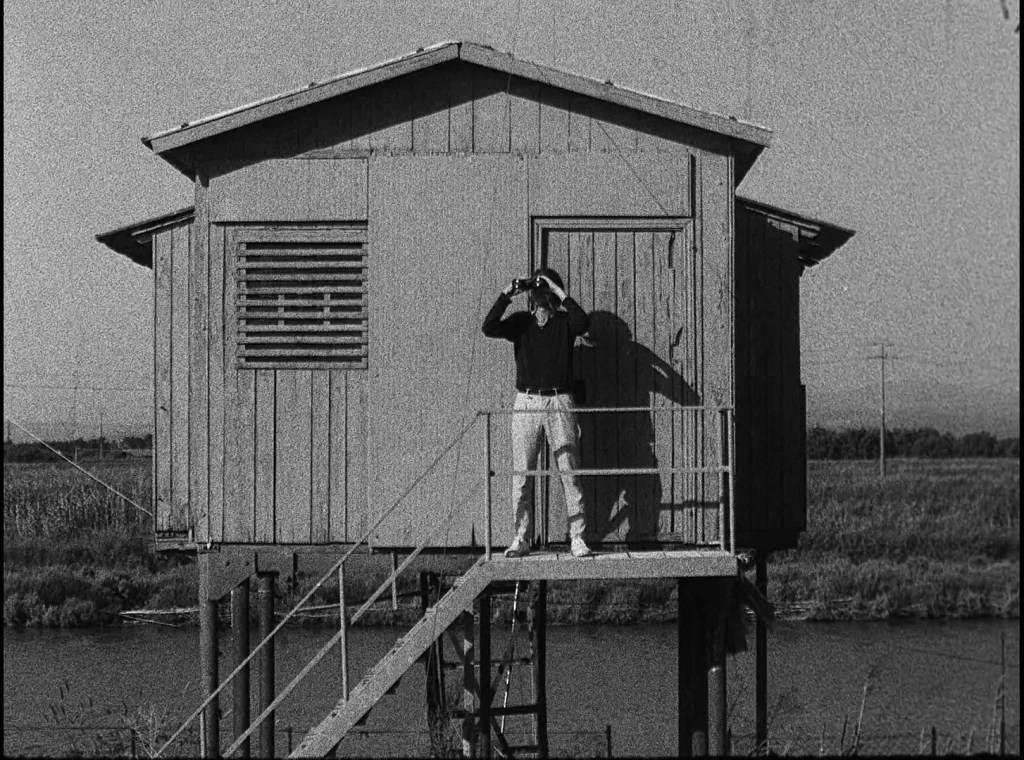
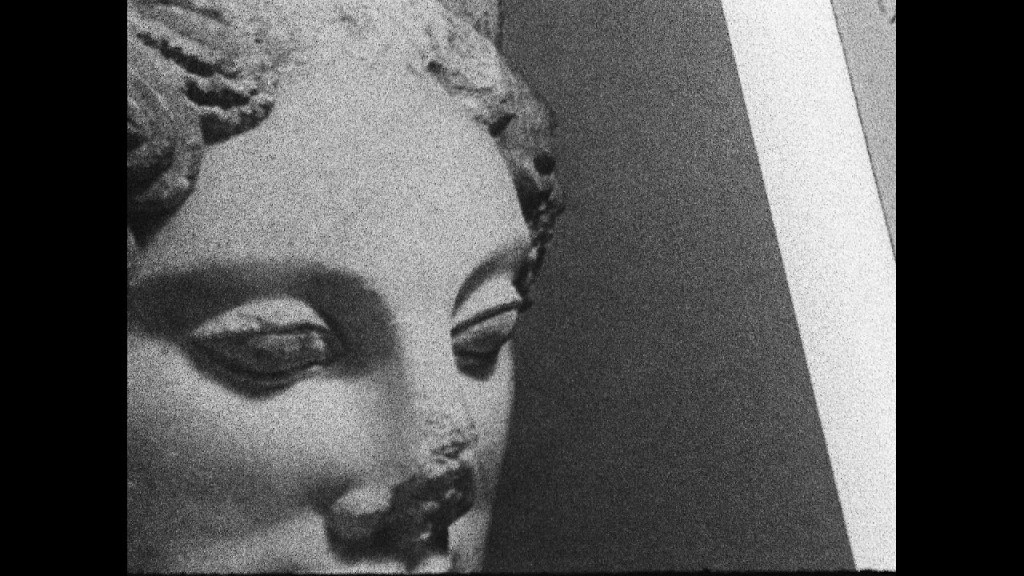
โ€˜Black Fishโ€™ is the most genre-defying, evocative and charming film of this yearโ€™s LRIFF selections. It is part documentary, music video, experimental film, sci-fi, adventure, drama, and work of poetic realism. It is shot on an aesthetic 16mm black and white. We caught up with its creators Giulio Melani and Nicola Gurrieri to learn more about their extraordinary odyssey.

J.R:  We hear that you made โ€˜Black Fishโ€™ while in artistic isolation on a boat off the coast of Tuscany. Was the shoot largely improvised?

G.M. & N.G:  In the summer of 2020, we escaped in the city during the pandemic and spent a few days on a little boat with the idea of shooting a short film around the theme of isolation from society. We had in mind this figure of an alien, coming down to earth looking for a place that he expected to find, but could not. There was no written script to it, so improvisation was definitely part of the creative process. We drew inspiration from the places and atmospheres we were living in. What we experienced in the moment became our work, impressed on film.

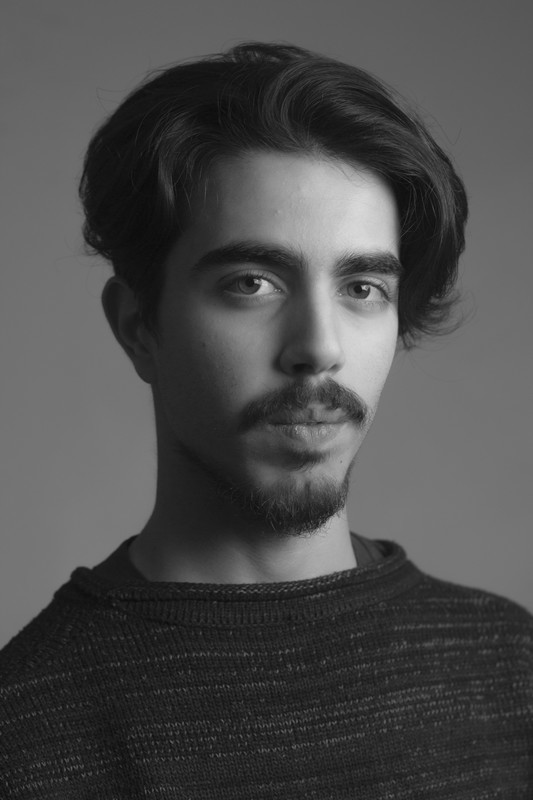
Nicola Gurrieri (AKA singer/song-writer Giugno)

J.R:  Your film is wonderfully playful, yet serious, surreal, yet real. How did you impart these contradictory ideas?

G.M. & N.G:  We liked playing with contradictions. These came up spontaneously while working on the film. The places we were discovering were intricately and utterly contradictory themselves: abandoned, monstrous factories in the middle of beautiful natural landscapes next to the seaside. We decided to take this further by juxtaposing different images, to add another level of surreality to the film.

J.R:  The first minute of โ€˜Black Fishโ€™ has a narrator talking about his impressions of the seaโ€™s colours, how it evokes in him notions of Atlantis, etc. Is it possible for the viewers to say, definitively, what โ€˜Black Fishโ€™ is about?

G.M. & N.G:  We wanted to leave the viewers space to imagine and interpret the story, which could be understood in different ways and on multiple levels. The narrator is a tool to set the story back into a real place. Through his first-person, real-life narration, he describes a set of observations of events, contrasting with the more surreal, mythological or emotional aspects that are evoked or connected with it. We asked the narrator, Nicolaโ€™s uncle, to talk about this one place on the Tuscan coast, Piombino, from the point of view of a local. We turned the microphone on and let him talk without interruptions, perhaps something close to cinema veritรฉ. We liked the spontaneous character of this oral document and put the more evocative, poetic parts together as an intro, intermezzo and outro to the film.

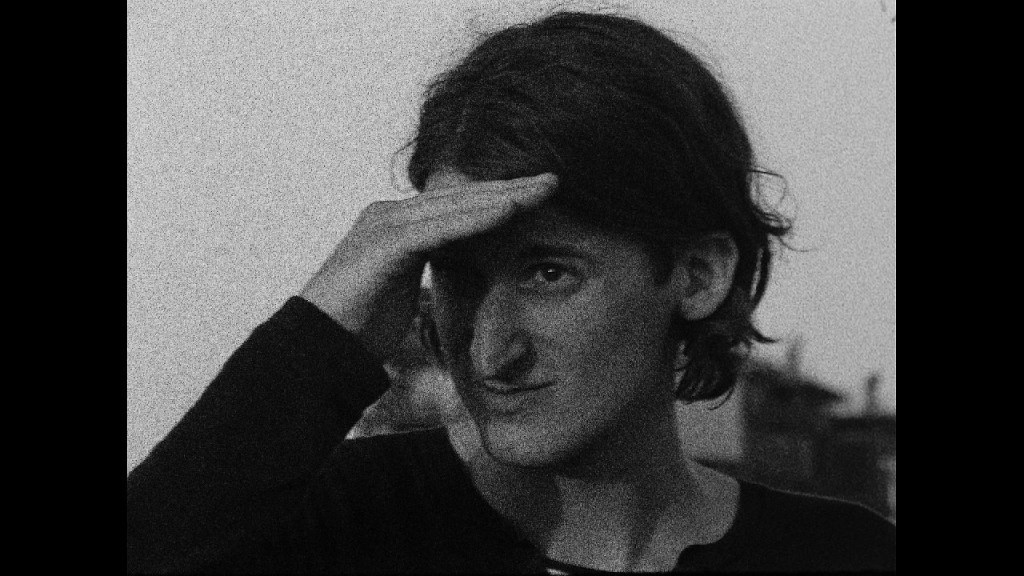
Giulio Melani

J.R:  The song โ€˜Black Fishโ€™ is catchy and happy, an unusual (if pleasing) accompaniment to the visuals. Can you tell us more about this song?

G.M. & N.G:  Nicola (Giugno) wrote the song a few years ago, after moving to Milano. The lyrics describe the feelings of someone coming to a new place, looking for directions, trying to find orientation. It is also about loneliness and the feeling of being a small creature within a bigger whole, someone who, momentarily, manages to blend into the chaos of the modern city. The music is part melancholic, part happy, creating a contrasting atmosphere. The song was recorded in Berlin in a studio on Hauptstrasse. From its windows one could see the building where David Bowie and Iggy Pop would live, and we believe that this proximity influenced the music in some ways.

J.R:  Thatโ€™s very cool indeed. We suspected that your protagonist, the androgynous, binocular-clad alien, was inspired by Bowie in โ€œThe Man Who Fell to Earth,โ€ a film that has a lot to say about otherness and the act of looking. Was that your aim too?

G.M. & N.G:  Our protagonist inspects the landscape that is foreign to him, analyses it and observes it through the lenses of binoculars. Thanks to this instrument, he is able to take part in a new world that he needs to understand. Disappointed by what he has been able to discover, he eventually returns to the abyss from which he probably emerged. The optical element physically separates the eye of the solitary alien from the earth’s realm. By using this device, this filter, the protagonist consciously defines himself as “different”, from a reality that he cannot interpret except through the use of a specific instrument. In a similar way, the author or cinematographer produces his/her works. He/she estranges him/herself from the world and looks at โ€œthe other”. Perhaps is it necessary to become alien in order to try to clarify the confusion that surrounds us?

J.R:  Your cinematography juxtaposes the grandeur of ancient architecture with the industrial wastelands of the present. Can we find beauty in modern ugliness?

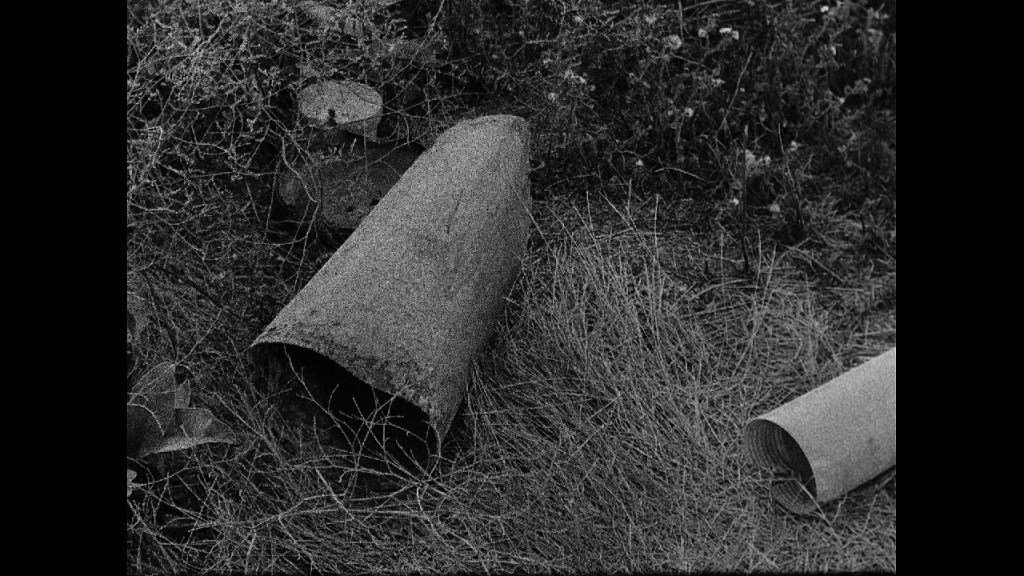
G.M. & N.G:  Beauty can be found everywhere. A shack in the favelas or an abandoned factory can be as exciting as a baroque palace or a modern villa. It depends on the viewerโ€™s sensibility and aim. In our film, we did not judge or glorify the architecture that we found. We decided to portray the ruins of modern industry or the wind turbines because they raised some interest in us. We were fascinated by the way things can acquire a different aura around them when extracted from their usual context and put in an environment that might feel wrong. We found beauty in the feeling of estrangement. This works for many forms of art. Juxtaposing images of ancient Greek columns with modern-day industrial chimneys was a formal technique to create a narration through time, a tool for the alien protagonist to travel to another dimension, creating tension between different eras and spaces.

J.R:  You cite the influence of Jean Renoir, Ingmar Bergman, Michelangelo Antonioni, Luigi Comencini and Alice Rohrwacher. It also made us think of Godard (Le Mรฉpris), in your framing of Greek statue; a sense of nostalgia for the ancient world, and wonder mixed with horror at the industrial modern landscape.

G.M. & N.G:  Some great cinema authors certainly had a big influence on us: particularly those deep, black and white movies, realist or magic, that leave a lot of space to imagination even when they portray very simple life scenes. We are quite nostalgic and longing for these old-fashioned, poetic ways of making cinema. One of the references that was in our heads while shooting our short was the โ€œPinocchioโ€ by Comencini. It is a six-episode miniseries produced by Italian national television (RAI) in 1972, when high-quality cultural production was still possible on TV. The movie is rough, real, moving, and its characters are genuine and tragic. The scene in our film when the protagonist grows a fish fin on his back, and then jumps in the water is in a way a tribute to Geppetto, the father of Pinocchio, who dramatically leaps into the stormy sea, without being able to swim, to seek his lost son.

J.R:  Iโ€™d definitely like to watch that. As part of that nostalgia, we noticed that you rejected digital, in part, to make a stand against the mediumโ€™s โ€˜instantaneityโ€™. Is digital all bad, and how was your experience of shooting in 16mm?

G.M. & N.G:  We do not reject digital per se. We of course live in our present times, where digital technologies are a big part of everyday life and work at all levels. For such artistic projects, however, we decided to use the medium of 16mm film for different reasons. Film is less accessible for economic and technical reasons. Through its value, one is confronted more responsibly with the medium. There is some kind of mutual respect and more of a physical relationship between the film and the filmmaker. You do not want to waste material, so shots are often thought through and prepared more carefully. Nevertheless, we shot this project with a Bolex camera, with a more free-hand, almost documentary-style approach, capturing moments and scenes as found. Our experience with filming on 16mm was overall very exciting, with all kinds of technical difficulties, unforeseen events and unexpected results, that made the work even more special and unique in the end. Having almost no control on the medium might seem a limit at first, yet we see it ultimately as an added value to the creative process.

J.R:  Will you pursue your collaboration? What are your next artistic projects?

G.M. & N.G:  We definitely want to and will pursue our collaboration further. So far, we have been working on a few music videos together. Giulio is responsible for the visual part of the music project called Giugno, which is Nicolaโ€™s creative outlet as a musician and songwriter. We are currently working on two new short movies, a documentary and a fiction. Giulio was directing, while Nicola starred as actor and curated the soundtracks. We are excited to show them and send them to festivals next year as soon as they are completed.


Interview with Cory DeMeyers, Director of โ€˜Danny Boyโ€™

How much do our backgrounds influence who we are and what we do? Whilst few of us are lucky enough to realise our childhood dreams, a personal youthful desire to be a marine biologist was rudely shaken from me upon my realisation that my brain doesnโ€™t work well towards maths and science. The trajectory our lives can take is often a direct result of what we have done, combine that with a dream and the know how to, and a perfect fire of creativity is born. London Rocks Festival has the privilege of showcasing Cory DeMeyers, a man with a career many will be enviable of as an award-winning stuntman, a professional athlete, a producer for various sports-based content and co-direction of a documentary โ€˜From Here To Thereโ€™. He has worked for directors revered by most of us and we are proud to introduce his first narrative short โ€˜DANNY BOYโ€™.

A Los Angeles based heist film with dark and enticing visuals, jarring dialogue and a delightful unexpected turn.

S.S: Where did the inspiration stem from for this hard-hitting first narrative short?

C.D: The thing that set it all off for us was the fact that both myself and writer Sammy Horowitz are stuntmen. We had been looking for a creative project to do together to showcase other skills we possess outside the department that we have been working in for years. Sammy had started writing a lot and wanted to shoot one of the concepts and I had been shooting action sports as well as an action previs on features for the stunt department, but I wanted to challenge myself with dialogue and working with actors in non action oriented scenes, the story then flowed from there. 

We wanted a simple setting to highlight the dialogue and relationship of our characters. I wanted something that felt real raw, the shit two guys in this world might talk about on their way to a heist, and for the pacing and style we both thought it should emulate the royale with cheese conversation from ‘Pulp Fiction’ but also be its own thing. I think we achieved that and as we continued the plot thickened, surprising twists were developed and both characters became very unique individuals.

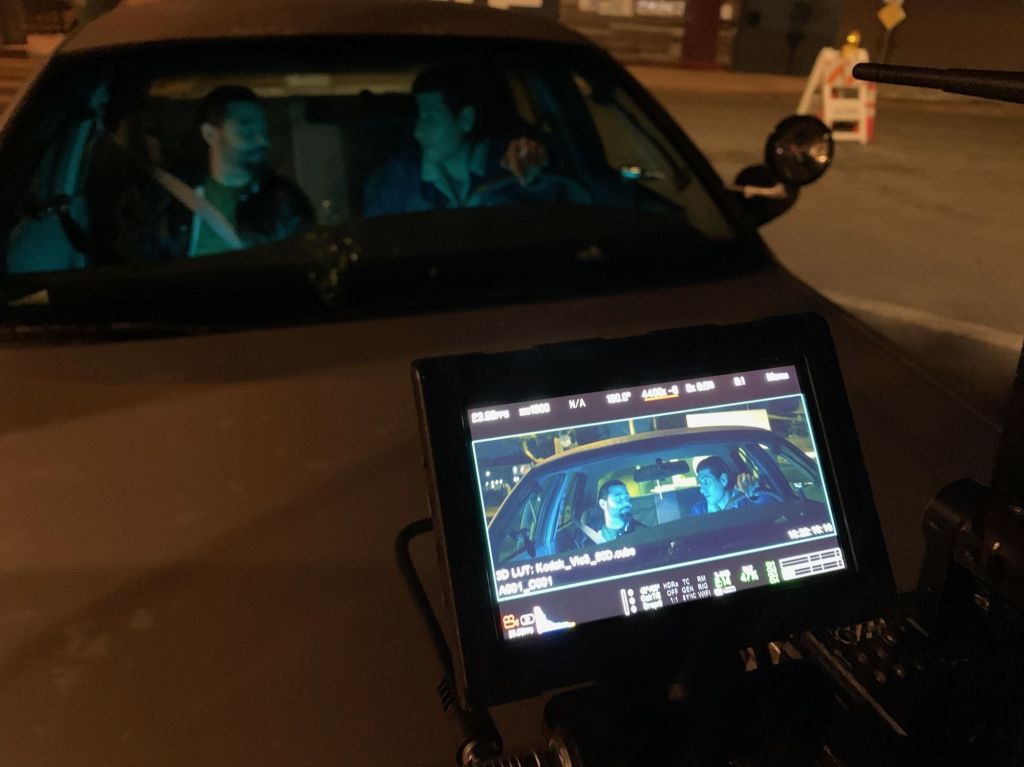
The shoot itself came together in what was 48 or 72 hours. I called a DP & Camera Op I have been friends with and worked with for years, they were both down to come out and play. One of them had a route that would look great and we could drive relatively unbothered, we had no permits and some lights and other camera gear we could use. I decided to use my old stunt cop car that I had given to Actor Jett Jansen Fernandez, who plays Danny. We felt that was a fun look, the criminals were driving an old detective car as cover, then we brought on Brian Perez for sound who I had done a few events and promos with. We got the cast together in an AirBnB I was renting in LA along with Associate Producer Sari Sanchez, who by the way is a killer actress herself. We rehearsed one night for a few hours until the actors were off book and had breathed their own life into the characters, then I ran around for a few hours before the shoot and bought the last few props and wardrobe items we needed and we were as ready as we were going to be!

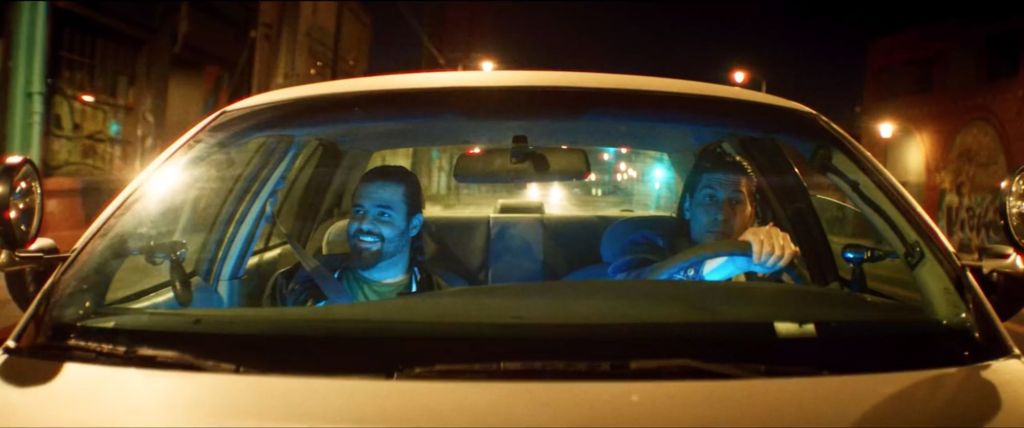
Jett Jansen as “Danny’ & Sammy Horowitz playing ‘Francis’

S.S: You have shot various sports related films and obviously with your incredible background, what were the challenges moving into narrative form?

C.D: Because of my position in the parkour and freerunning world I had shot several cinematic sports videos that then lead into shooting mountain biking & pro wrestling. Being a movement artist and having an interest in filmmaking meant I had an intuition that was fine tuned for understanding movement, so we could dance with the camera and counter the action to make things fun and exciting. Rarely did we shoot dialogue on its own, if we did it was in the moment because it was a docu-style piece or it was a simple sit down interview with 1 or 2 camera coverage so this is where I really struggled with the directing of โ€˜Danny Boyโ€™ as I have grown accustomed to having very dynamic camera movement in my sports pieces.

Thankfully with this short the two went hand in hand and we kept the coverage very simple and mostly static locked off over the hood in a wide two shot or single, we didn’t need trick shots to keep things interesting as the dialogue is enough to draw you in but we did make sure that the edit matched the pacing of the story so you were never bored sitting in one shot to long. 

Keeping it simple with our camera angles helped dramatically because it gave more attention to the movement in camera. For example, in the car, the camera does a slow push in immediately after the jarring twist occurs, this now has emphasis and meaning.

S.S: How much influence have the numerous big names you have worked for had on you?

C.D: I think they have all influenced me in one way or another, whether it is how they select shots, the styles in which they work and collaborate with the actors on their team or even the little tricks they use while trying to command their sets and keep things moving. When I have these opportunities to be on set with the masters, I usually find a place out of the way so as to not interfere and sit back quietly observing. I think in this way you can see the big picture and analyze the work being done. There is always something to learn, sometimes it is what to do, other times it is what you may not want to do when it is your turn in that position, but either way I consider it a win if at the end of day I have learned something I didn’t know when I showed up that morning.

Director Cory DeMeyers

S.S: I love your dialogue, I’m currently re-watching the Sopranos (I wonโ€™t tell you how many times iโ€™ve seen it all) and I felt those motifs within your characters and their chat. Talk me through the line you drew between what you had originally scripted and the actors breathing their own lives into the characters.

C.D: It’s funny you mention the Sopranos because that is one of Sammy Horowitzโ€™ favorite shows. I’m sure there was a bit of influence there, but also I know Sam draws from the people he’s come into contact with over the years which keeps the characters a little more grounded. I trust Sammy and his writing so much, therefore I never really wanted to change too much, as the words that are written have meaning and there is a reason they are on the page. That being said, during rehearsal I noticed two things. Firstly, Danny’s character needed a secret, he needed to also be hiding something from Francis as Francis was hiding something rather large from him. This led us to explore the idea of Danny not only being a defender of the people and modern ideals, but also carrying the burden of hiding the fact that he doesn’t live a lifestyle that his partner in crime would approve of. That’s the beauty of having a team that you trust, things move a little faster. Secondly, there was a line at the end of the film, a call back to the earlier about the donut. Once we watched the actors perform in rehearsal I felt that the line had to go, but Sam felt that it would stay. He felt it was a strong punctuation and from the perspective of the writer it was a nice bookend that brought it home. We trust each other so I told Sammy that we would shoot it the way it was written and then I would get an ALT without the line as back up, we could then try both in the edit and go with whichever felt right. Ultimately, the delivery of that line always felt a little too funny to me and although there are some dark comedic moments in the film, overall it is a drama. We decided that the line would go and it was a more powerful ending if Danny just really said nothing at all.

S.S: Sammy is brilliant in his portrayal of Francis, how did you come to cast Jett Jansen for Danny did you not fancy featuring yourself?

C.D: Sammy really is brilliant, he has a great look for Francis, he knows the story intimately and he is larger than life. I felt like Jett was a great contrast to Sammy, not only would his subtle style of acting work great against Sam’s big characterization, physically he is smaller, Sammy was going clean cut and hair slicked back, Jett was leaving it long and is a stocky hairy guy. I felt like they really could be each other’s yin & yang on camera and I think we got it right. On top of all that, Jett comes with a more classical style and stage experience so I felt like he could handle the material and be off book quick which was very important for this project.

I love acting but I have never actively pursued it. I have done a decent amount over the years, but I would rather focus on directing and let someone more talented than me bring the characters to life. I like sitting outside, seeing the big picture and guiding it from that perspective. For โ€˜Danny Boyโ€™ my ultimate goal was producing and directing, I didn’t have a good look for the character or the pseudo period that we implied through our wardrobe and dialogue and at the end of the day Jett was the perfect choice. I must say though, Sammy’s characters speak to me and I often act out while reading these characters. We have discussed me playing one of his characters down the line so I think it will happen, but It has to be right.

S.S: Why did you think it was important to talk about the taboo in certain worlds towards LGBTQ norms that are so prevalent these days? 

C.D: I’m not an activist by any means, but I am a human being with a very wide array of life experience and to answer your question in its simplest form, I think it is important to reflect life in cinema. What I enjoyed and think is important was allowing a character to be a member of the LGBTQ+ community in our film but never talking about it until we had to, to me that is real. People largely do not just go around shouting their sexual preference out and making it the topic of conversation, they are going about their day and making their ways through life just like any other human being sharing this experience. I think in making the choices we did with Danny as a character we actually were lending to his authenticity, he became more real and relatable. We want to tell a fictional story, but the more you can connect with the individuals and sympathise with them the more invested you become. This gave Danny heart, it gave him layers and in a sense made him more human.

As far as the importance of talking about the taboo towards LGBTQ+ individuals, I have several friends in these communities and for me it is fun to break convention in the crime drama and introduce a character you may not think of typically working in this world, representation does matter, and the way that we highlight that and talk about it in the film is one that is unique and fun in the context of film. I think it really highlights how wild and silly that school of thinking that Francis subscribes to is. Furthermore you could frame several ideologies here and they would all be highlighted as equally absurd. The truth is it does exist, and in cinema Guy Richi had done it with Tom Hardy’s character in Rockn’ Rolla, but they took a more comedic angle that helped to drive the narrative. We are happy with the choices we made & proud of what โ€˜Danny Boyโ€™ and Danny stand for.

S.S: The production value is so streamlined and high end, do you think this was because of your connections in the industry and do you think you could have made ‘Danny Boy’ without those?

C.D: We shot on RED Gemini and RED Monstro digital cinema cameras with Kowa anamorphic lenses. The monstro and lenses belong to my friend George who is an awesome filmmaker and directs music videos & commercials in LA. He is always down to come out and help me in any capacity on my projects, the other camera is one I own for stunt previs. The vintage Japanese lenses we used really lended a beautiful touch of nostalgia to the piece, it really was just what we needed. 

As far as anything else, I think you will be surprised to know that we shot the entire project in 4 1/2 hrs in 1 night and when it was all said and done post production and photography came out to around $4,600 USD!

I would absolutely contribute the production value to my connections in the industry as well as my relentless spirit for perfection. I could not have created ‘Danny Boy’ in the same way without having kept great relationships over the years, but to tell you the truth, if I couldn’t make it the way we had, I wouldn’t have made it at all. 

I know the level of quality I am capable of and if I can not line up the pieces and put my absolute best foot forward I won’t do it at all, it can be both a blessing and a curse. I know just getting out there and making things is important and I truly believe in that, but I think since I am already established in the industry as a stunt performer and coordinator, there is a level of expectation set if you are trying to cross over. That internal dialogue is what makes me strive for only the highest quality even if our budget is limited.

S.S: Your shoot and entirety of the project was phenomenally fast – how long did you work on the edit and how did that go?

C.D: We were able to shoot fast because the actors were off book and well rehearsed, that prep was key. Not only that, we started with the wide master of the two of them in the car, once we had that the rest of the coverage was really easy. As far as the post goes, we started the edit at the end of February with Jeff McEvoy, whom I met during the production of โ€˜Project Powerโ€™ for Netflix. Jeff had not only edited Power, he had also done โ€˜Nerveโ€™ & โ€˜The Lincoln Lawyerโ€™ so I knew he would do a great job with ‘Danny Boy’. I learned a ton from him during this process an he really was a great collaborator and cheerleader for the team. The edit, VFX, tile design, color and finally sound design and the post mix took us up to the end of May, beginning of June. Once it was locked we started submitting it to festivals. I love the post process, and really have a lot of experience here so I stepped in as the post supervisor and managed the entire process.

S.S: What do you hope for the film moving forward and what are you working on next?

C.D: I hope that the film will continue to be well received by audiences and spark conversations, that’s all we can really ask for, for the film to be viewed and appreciated for what it is. As individuals, I hope it gives us a platform to launch others from. I hope it becomes something for Sammy to stand on as a writer and actor and I hope as a director/producer it gives me a calling card to start other conversations with individuals we haven’t worked with before in order to continue growing and creating. But, It’s a wild industry and honestly I’m just trying to enjoy this ride.

In the future, I’d love to do a few more shorts and we do have some in the works, more crime and drama, but also some action and sci-fi. Currently, I am developing a feature with Sammy and his writing partner Adam Pasen titled โ€˜Musket & The Ratโ€™. We just finished shooting a proof of concept for that so getting into post now, but features can take years so hopefully I get to perform and coordinate in the stunt department a bit more this year, I still love that and am very passionate about it. Any opportunity to continue contributing and creating in the film space is welcome by me!

Danny Boy’ is screening at London Rocks Film Festival on Friday 5th November at 11 pm

Interview with Kyle Dunbar, director of โ€˜Muteโ€™ and lead actor Andrew Bee

* * *

DR JAMES ROWLINS, LONDON ROCKS CO-DIRECTOR: โ€˜Muteโ€™ is a gripping adaptation of a Stephen King short story from the โ€˜Just After Sunsetโ€™ collection. It is a slow-burn mystery that begins when a lapsed middle-aged Catholic visits a local priest for confession. We interviewed director Kyle Dunbar and actor Andrew Bee to get the insider take. How did you decide upon this particular story to adapt? And how did you approach getting the rights to a Stephen King story?

KYLE DUNBAR: The hitchhiker element was definitely the biggest factor for me. I havenโ€™t seen many films that use hitchhikers these days, and this one really used it as a big part of the story. I adapted โ€˜Muteโ€™ through the Stephen King Dollar Baby Program, where for a dollar you can get the rights to one of his selected short stories. This was something I had wanted to do for a while and in August 2020 I pursued getting the rights to make the film.

Kyle Dunbar, director of ‘Mute’

J.R: โ€˜MUTEโ€™ is a reminiscent of some great old-school mystery horror classics, in the style of Alfred Hitchcock Presents, etc. What do you feel about the more contemporary trend for mystery/horrors, i.e., โ€˜wham bamโ€™ gore and guts?

KYLE DUNBAR: I have an appreciation for them, but they seem to take up 90% of what we think horror movies are and need to be. If used well (โ€˜Evil Deadโ€™, โ€˜Green Roomโ€™, โ€˜Hauntโ€™) and it is justified to the story, it can be really effective. It is more of a challenge to sit the audience down and get them psychologically terrified than it is to get them disgusted or to get them with a jump-scare. 

ANDREW BEE: The most important thing for me will always be story. I have watched a ton of bad movies in the last couple of years to learn about what not to do. And I have seen many, many gimmicks used to cover bad stories. Quick cuts, camera angles, slow motion, blood and guts and music score canโ€™t make up for it.

J.R: The use of the Catholic confessional, as well as a mute interlocuter, are powerful narrative techniques. Did you take any inspiration from other films that use these tropes?

KYLE DUNBAR: During preproduction I had really played with the idea of paying homage to โ€˜The Sentinelโ€™, โ€˜Exorcist IIIโ€™ or โ€˜The Omenโ€™, and then with hitchhiking, thereโ€™s โ€˜The Hitcherโ€™ with Rutger Hauer. I had all of these in the back of my mind, but I didnโ€™t want to bring them to the forefront. โ€˜Muteโ€™ seems to take a little slice of stories that inspired it and does its own thing. If some audience members see connections, great, but itโ€™s certainly not the goal.  

J.R: You mainly use two sets for your entire film (the priestโ€™s home and the car journey), to great effect. Could you tell us more about this choice?

KYLE DUNBAR: I love the dual-confessionals; one set is more civil and cosy, whereas the other is colder, darker and more abrasive. It allowed us to flash back to the past and to see how the main character reflects on the episode from the present. The main character tells a story on two separate occasions about a similar subject that ultimately led to opposite outcomes, because time and place is everything and so is state of mind.

J.R: โ€˜Muteโ€™ is driven as much by dialogue as its visuals. What techniques do you use to keep the audience captivated?

KYLE DUNBAR: I think it was combinations of Stephen Kingโ€™s gift of having his characters say the most fitting lines, and being fortunate enough to work with a cast who loves heavy dialogue. The cast also studied the original story and were able to take in the charactersโ€™ internal moments that King puts in his work. I could see the passion and energy each actor was bringing to their character and we see their quirks slowly come out and the characters get meatier.

J.R: Your lead actor, Andrew Bee, is a veteran performer. How did you approach directing, and what did you take away from the experience?

KYLE DUNBAR: Andrew and I have worked together for many years, so the experiences only get better. While working on the script I knew that I wanted to work with Andrew as the lead role, and the words seemed to suit him perfectly. The more you work together the more you are able to challenge one another and I couldnโ€™t be happier with his performance in the film.

J.R: The maligned, unfaithful wife is only alluded to, which is a staple of film noir, though increasingly unusual in the modern era. Could or should the wife have some redress in this tale?

KYLE DUNBAR: I had no intention of making the main character likeable; I wanted him as the villain as much as the victim. When I read the story I felt like I was being forced to side with him, something that was unusual and it certainly added to the dark nature of the story, because usually we want to root for main characters. So I wanted to see about getting that across, and to do that, I only painted the picture with Monetteโ€™s paintbrush, which now lacks the colours of his wife.

Andree Bee as ‘Monette’

ANDREW BEE: I never tell a story from a โ€œshouldโ€ perspective. This is an adaption of a short story, and it was important to us to honour the original content.

J.R: We have a lingering feeling that Monette is not an entirely truthful narrator. Is he as innocent as he claims?

KYLE DUNBAR: My lips are sealed.

J.R: How has โ€˜Muteโ€™ been received by friends, critics, festivals etc.?

ANDREW BEE: I have received excellent feedback and we have had some very good reviews, one in particular from Indie Mac User:

โ€œAndrew Bee is required to essentially carry the film and he manages to find different levels to his character that keep us hooked and intriguedโ€

โ€œDirector Kyle Dunbar mostly allows the story and performances to speak for themselves; making only simple, yet elegant visual choices.โ€

J.R: Please tell us about your current and upcoming projects?

ANDREW BEE: I am working on a couple of short films that are very, very dark and not politically correct. In the time we are living now, with Twitter and Instagram arbitrarily cancelling accounts they deem inappropriate, as an artist, I wonโ€™t give into the fear of offending someone. I spend a lot of time on social media, out of necessity, and when I see how terrified people are of saying anything โ€œwrongโ€ and the disclaimers they put in their posts, I feel very sad that this is where we are in society.

KYLE DUNBAR: I am developing an anthology film called โ€˜Trepid Hourโ€™ as well as an online horror series for social media platforms. More details can be found on Instagram (pendle_films) Twitter (@PendleFilms) and pendlefilms.com

‘MUTE’ is streaming from 1 – 7 November 20201 as part of London Rocks Film Festival at the Rocks Screening Room

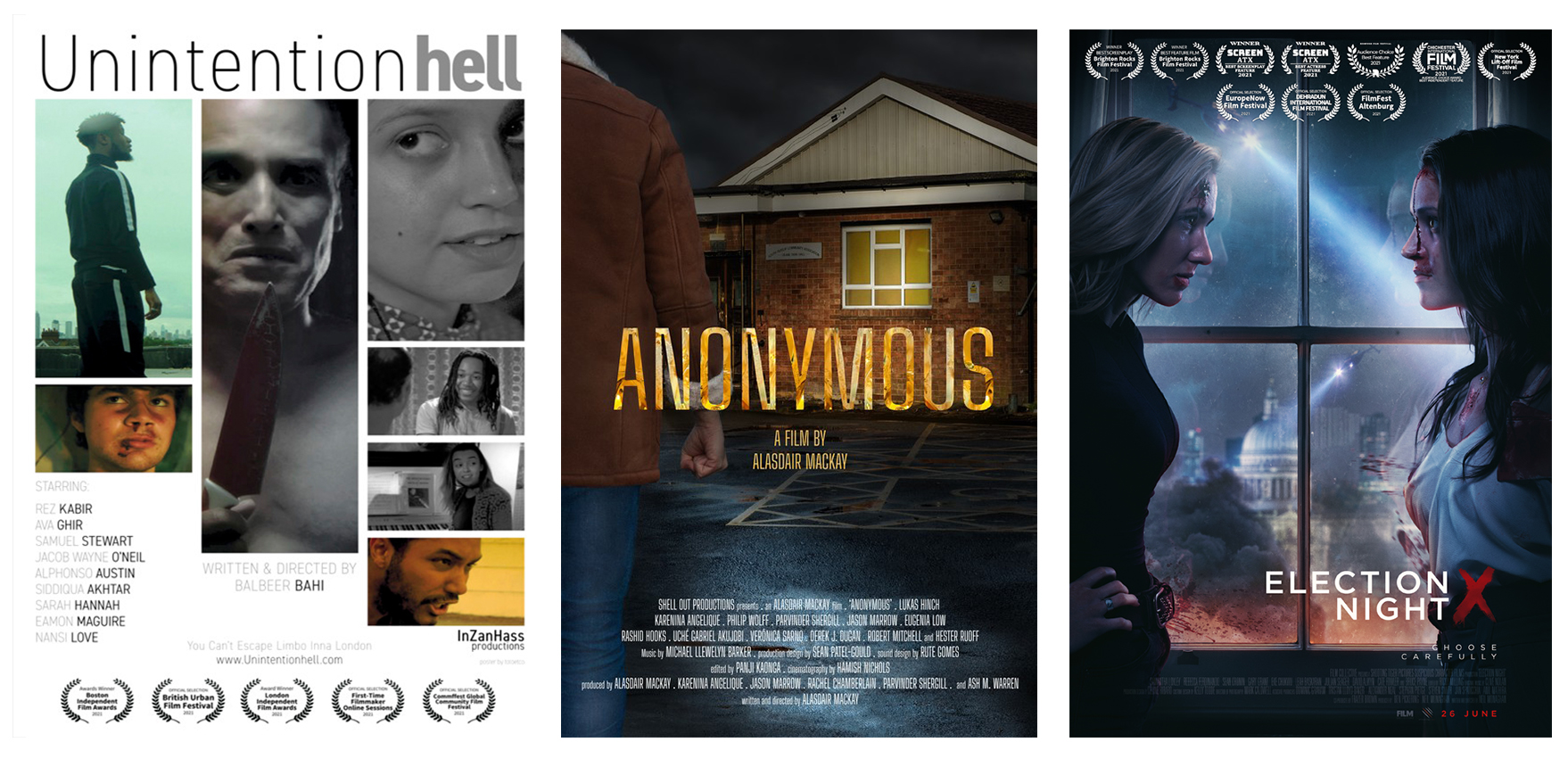
Interview with Balbeer Bahi, director of โ€˜Unintentionhellโ€™

* * *

DR JAMES ROWLINS, LONDON ROCKS CO-DIRECTOR: โ€˜UNINTENTIONHELLโ€™ begins as a gritty tale of a grieving father seeking revenge on the perpetrator of his daughterโ€™s murder, which spins into an exploration of guilt and mental health. It is a gripping and violent film that challenges our expectations at every turn, and casts an unflinching eye on intercommunal tensions in inner London. Please tell us about your background as a writer and working in theatre. Did you always plan to turn to filmmaking? For you, what is the difference between theatre and cinema?

BALBEER BAHI, WRITER/DIRECTOR, ‘UNINTENTIONHELL’: I just love stories, as I think we all do. I believe our primal need for storytelling is as deep-rooted a survival mechanism as Chomskyโ€™s theories that language and grammar are innate. Children, as soon as they can sit, will get absorbed in a good story. So typically, I was writing and drawing comics in primary school.

Balbeer Bahi alongside (left to right) Rez Kabir: Actor, Marina Fusella: Sound Engineer, Esteban Gitton: DoP & Qili Wang: Producer.

There is a huge overlap between Theatre and Film. Old theatre treatises โ€“ for Kabuki theatre, or Greek or Indian theatre etc. โ€“ arenโ€™t much different from modern screenwriting manuals. The commonality is storytelling.

J.R.: When did you first start developing โ€˜UNINTENTIONHELLโ€™? We note that it is โ€œconspired by true eventsโ€ โ€“ could you elaborate? How do you feel, incidentally, about the incessant media discourse about knife crime in London?

B.B.: Along with thousands of fellow, heartbroken Londoners, I was on the demo for Stephen Lawrence, as well many demos for lesser-known cases over the years. We also know within the popular folklore of London about Damilola Taylor, more recently Sabina Nessa, Sarah Everardโ€ฆ In 2012, a 5-year-old (I donโ€™t want to name her without permission), was caught in the crossfire between rival gangs around the corner in Stockwell. We were all sickened. Discussing the impact of this and other street crimes with my daughter, I wrote โ€˜UNINTENTIONHELL.โ€™ It really is an impossible subject, these permanent tragedies haunt everyoneโ€™s lives forevermore. Maybe thatโ€™s why the film is so intense, almost unbearable at times. It might be too packed, trying to create credible, 3D backgrounds for the characters, to fully flesh out their lives and families. As for the mediaโ€™s presentation of knife, gun, racist, or misogynistic or homophobic street violence, they can analyse and record events, help us grieve, highlight issues โ€“ but long-term, complex societal transformation at grass-root level has to come from all of us, I guess.

J.R.: ‘UNINTENTIONHELL’ is a micro-budget feature, no mean feat in the current climate. How did you go about finding cast and crew? Did the small budget hamper, or fuel, your artistic ambitions?

B.B.: Finding cast and crew in London isnโ€™t difficult. There are so many talented, experienced filmmakers in London who want to get involved with a meaningful project. Also, the script was written specifically for that micro-budget approach. Many of the actors, Rez, Shola, Jacob, Siddiqua, the Assistant Directors Adeel and Catherine, and the co-Producer Qili, contributed their time voluntarily as they felt the subject matter was important. And everyone else generously did it on absolutely minimum fees. We shot 23 days over a 30-day period. There were plenty of problems due to having a minimal budget, a lack of hands mostly. I found myself quickly learning how to schedule a shoot, organise locations, transport, props, permissions, lunches โ€“ thank God for the fabulous Chris and Jen at the Ichiban restaurant in Brixton who provided us with the best food, which always boosted morale. There were incredibly frustrating days where I couldnโ€™t focus as much as I wanted on the actual directing and content of what we were shooting. So, any faults within the film are down to me as the producer with limited funds, causing me as director to get over-stretched.

Cast of ‘INTENTIONHELL’ (left to right): Rez Kabir, Samuel Shola Stewart, Jacob Wayne O’Neil, Alphonso Austin & Nansi Love

J.R.: You clearly have a close relationship with your leading man, Rez Kabir (the aptly-named โ€œManikโ€). Have you worked together before and if so, how was this time different?

B.B.: Soon after I joined the London theatre company, I met Rez Kabir at the Croydon Warehouse Theatre, when he was contemplating becoming a full-time actor. Heโ€™s an exceptionally talented, dedicated performer. We have toured and performed on stage together. This time was different as I was effectively watching him work through a lens, which seems to love him as much as the crew, who adored his professionality. There were several potential actors keen on the role, but in discussions with Rez he pinpointed the storyโ€™s thematic development, and I knew I could trust him with the internal mechanics of the characterโ€™s journey. All things considered, I think Rez and the cast did phenomenally well.

Rez Kabir as “Manik”

J.R.: โ€˜UNINTENTIONHELLโ€™ has a packed cast of young, up-and-coming actors, including first-timers. As director, how did you inspire such raw and realistic performances?

B.B.: Yes! We have Ava Ghir, Shola Stewart, Jacob Oโ€™Neil, Alphonso Austin, Nansi Love, and incredibly, Luke Morgan, who had never performed before and I think is amazingโ€ฆ Truthfully, they are all just so talented and passionate about acting, and they connected with the source material โ€“ they all knew the stories the script was hinting at – they inspired me rather than me having to draw performances out of them. And donโ€™t forget, we had a few old pros too, such as Sarah Hannah, Siddique Akhtar, Janine Johnson, Samantha Love, Andre Leconite, and the late, great Eamon Maguire, a terrific theatre actor who had retired but thankfully ventured out for this one last role.

J.R.: Was the violence at the filmโ€™s end emotionally difficult to film?

B.B.: There is a lot of tension between the primary characters, who are undoubtedly ready to erupt. Personally, I tried to keep the violence to a minimum. A lot of it was difficult to film due to the complicated subject matter. I was desperate to avoid โ€˜gangโ€™ culture clichรฉs and stereotypes about council estate life. Several White/English actorsโ€™ first response (even before looking at the script!) was โ€˜I donโ€™t want to play a racistโ€™, and the non-white actors didnโ€™t want to regurgitate negative tropes either. As the writer I didnโ€™t want to preach or lecture, just let the viewer reach their own conclusions. It became very dense โ€“ the first cut was two and a half hours long. After a huge effort, we got it down to 96 mins. And yet I still worried that it was still too long and chopped it to 78 mins, meaning that yes, it is dense, intense and hard work to watch. As itโ€™s a tragedy, there are no winners in this scenario, everybody loses โ€“ those that commit the street violence as well as those that have to suffer it… The film is as tough to deal with as the subject matter.

J.R.: How did you approach the edit? Did you always plan to embrace a non-linear narrative, conveying Manikโ€™s troubled relationship with reality?

B.B.: I was lucky to discover the energetic Lewis Wardell, an editor fresh out of university, who did the first rough cut, and then the multi-talented and experienced Roberto Minelli, who oversaw the post-production. The primary goal of the non-linear narrative was to maintain enough pace to tap the viewerโ€™s curiosity, while unravelling four distinct stories around a central mystery, until the last quarter where the most powerful drama occurs.

J.R.: We particularly like the jazz cacophony, which seems appropriate and symbolic. Was the scoring decided in pre- or post-production?

B.B.: Did you like the original music? Thatโ€™s terrific, Iโ€™ll pass that on. The main character plays the trumpet, which is symbolic of his grasp on reality. Jim Dvorak, one of the jazz worldโ€™s most revered trumpet players, and the brilliant guitarist Mark Hewin, graciously explored the themes musically pre-production and suggested different tones. Then Jim, with the sensational Sammy Hurden on piano, composed the original music. Alongside these three world-class musicians, we have the contrasting, contemporary music by the young composer Adam Hare. Plus, one of the actors, Janine Johnson, sings so beautifully, I had to include her voice. AND by chance the actors Nansi and Samantha Love are family with the legendary Alabama 3, so weโ€™ve sneaked in a couple of their tracks too.

J.R.: Does โ€˜UNINTENTIONHELLโ€™ depict a hell with no exit? Is any form of redress or justice achieved in Manikโ€™s revenge?

B.B.: The title suggests these particular kids donโ€™t choose to get trapped in their nightmares as willingly as people presuppose. Maybe if we had more supportive family backgrounds, a more accommodating society, then weโ€™d get all our kids โ€“ especially young men – to maturity and to have an adult perspective on these actions. I can partly relate as I had an awful home environment and was out stealing cars when I was 14. So much trouble. And some say I turned out okayโ€ฆ eventually! Equally, many in society may clamour for vengeful redress, but the death sentence in this country was repealed for good reason. Revenge is a very understandable, yet infantile emotion. Quick story: we used to have this beautiful neighbour who was in her 80s. She was mugged, they broke her shoulder, and she never fully recovered. Months later she passed away. My son, who wasnโ€™t yet 5, said, โ€˜Dad, if I ever find who done it, Iโ€™ll kill themโ€™. Revenge may be a highly natural response, butโ€ฆ Iโ€™m hoping people notice the lead characterโ€™s disturbed search for vengeance makes him as terrible, and perhaps identical to, the โ€˜evilโ€™ boys heโ€™s chasing down. A lot of people understand that the script is about mental health, schizophrenia in particular, induced by extreme external trauma inducing irreconcilable inner rage and turmoil. Rez and I talked a lot about The Boston Strangler with Tony Curtis, one of the first films that explored schizophrenia.

J.R.: What are your plans and aspirations for โ€œUNINTENTIONHELLโ€?

B.B.: It would be great to get it in front of London audiences, maybe a streaming platform. Weโ€™re so lucky to have found London Rocks and the passionate filmmakers here, who are willing to give a crazy, under-budgeted, raw and flawed first effort a look-in. Itโ€™s also been welcomed by First-Director friendly festivals in Canada, Bali, Boston, Cannesโ€ฆ I think we might get a screening at this yearโ€™s British Urban Film Festival. I believe it would benefit from a final edit, sound and grading improvementsโ€ฆ As a writer the editing process never finishes. Again, the knock-on effect of a limited budget is there is no marketing manager, so Iโ€™m open to all advice and suggestions!

J.R.: Is there another feature film in the works? Please tell us about your next projects.

B.B.: I have my hugely ambitious โ€˜ABHI: BABY DRAGON FLYING TIGERโ€™, in pre-production with an Indian animation studio; thereโ€™s โ€˜BIRTH OF HER COOLโ€™, a tribute to the British Jazz scene, ideally involving several of the cast and musicians from โ€˜UNINTENTIONHELLโ€™, ready to go; โ€˜STAR CHILDRENโ€™, about a group of special needs kids on holiday who bump into an alien, which is receiving positive attention. When we talk about diversity people with special needs are gravely under-represented; and Iโ€™m off to India soon to film a trailer for a martial arts project, โ€˜KALARI KAURโ€™, which is a story that would bring the South Indian martial art form of Kalari to the mainstream. I have dozens of scripts, from low budget socio-political dramas to even super-hero stories, reminiscent of those comics I was drawing in primary school. Having one script manifest as a film is terrific, but Iโ€™d love to get one or two more made. I keep repeating that Iโ€™m primarily a writer/storyteller, so am keen to work with Directors and Producers looking for scripts they and audiences will connect with.

Writing may at times be a solo effort, but the construction of a film is categorically a team effort, just as watching a film in a cinema is very much like theatre, a social, group event that can subversively bring perceptually different communities together.

‘UNINTENTIONHELL’ will be available for watching at the Rocks Screening Room as part of LRIFF 21 from 1 – 7 November.

London Rocks 2.0: Post-Normal Cinema

As co-Director of LRIFF, I am beyond excited for the second edition of London Rocks Film Festival. Our first festival was held in the grips of Covid19, concluding only a few hours before a national lockdown. A Blitz spirit reigned – the impression of screening films on the deck of the Titanic as the four horsemen galloped overhead, rattling Whirled cinema’s ceilings. But what doesn’t kill you makes you stronger, and this year we are back and we have grown. We have a packed 3-day screening programme of 66 films, including 3 features, in addition to over 100 films exhibiting online from 1-7 November at the Rocks Screening Room.

London Rocks is a trailblazer for progressive causes. We believe that filmmakers, regardless of age, gender, race, sexuality, budget or background, should have the opportunity to make and showcase their work. To this end, LRIFF selections hail from as many different countries and cultures as we could lay our hands on. Diversity and equality are beautiful, period, and art film will die if it doesn’t embrace equality and promote tolerance. LRIFF also has a predilection for the weird and wonderful, the bold and edgy. Our favourite films tend to explore the dark side of the moon, moral grey zones, ambiguities and home truths. While it’s often hard to say with exactitude what we are looking for in selections โ€“ we love all kinds of cinematic genres and styles โ€“ we are crystal clear about what we do not like: contrived, clichรฉd, mainstream bullshit. I would argue that being woke and against cancel culture neednโ€™t be such polar positions; that in fact, it is healthy to be a little bit of both.

Film lovers are sick people

Franรงois Truffaut

9 Picks for Best of the Fest

A film that illustrates our ideal is ‘TO NOWHERE’, directed by Sian Astor-Lewis. As a writer, she is interested in exploring โ€œcomplex, self-destructive characters navigating love and sexualityโ€, and this is perfectly achieved in her first feature. The film is a gritty, intimate day-in-the-life drama about two adolescents on the edge. At its core, it is a no-holds-barred exploration of trauma and abuse in relationships. While this is tough to watch at times, it succeeds where so many other films fail in handling the subject matter with nuance and realism. The actors are all expertly cast and directed. There is the floaty, faraway Tulip (Lilit Lesser), who is dominated by the nihilistic and tortured Finn (Josefine Glaesel), and the misfit uncle (Orlando Seale) who flits through the film on his own strange journey. The locations, the shore of the Thames, the record store, dance studio, Soho sex shop, pub and homes, add to the film’s sense of total authenticity. This goes for the narrative too, which steadily unfolds towards its finale.

To_Nowhere_poster_0821
‘TO NOWHERE’ will screen at Whirled Cinema on Friday 5th November at 9 pm.

Sian Astor-Lewis won Best Director at Brighton Rocks Film Festival this year, and has picked up a raft of international awards (“Best No-Budget Feature Film” at Paris Independent Film Festival and “Best Debut Feature Film” at Sweden Film Awards). We look forward to supporting her work long into the future.

LGBTQ+ themed drama is consistently providing depth where straight romances are often lacking. ‘Lessonsโ€™ by Sam Seccombe is an outstanding example of this. The film begins with an awkward Dan and a nonchalant Tommy the morning after a one-night stand. Tommy picks up on Danโ€™s nerves and suspects that he hasnโ€™t truly come to terms with his sexuality. โ€œAre you a virgin?โ€ he asks, half in gest. But after some protracted banter and a much-delayed breakfast, we discover that Tommy has his fair share of anger issues, and has yet to deal with a painful breakup. Gay or straight, the universality of their story hits home, and it is incredibly refreshing to watch a drama that dares to talk in such raw terms about love and loss.

Another sophisticated film in the LBGTQ+ genre is โ€˜CRUISING: OTHER WAYS OF LOVEโ€™ by Abdullah Qureshi โ€“ a Pakistani-born artist, filmmaker, and curator based in Finland. Qureshi is interested in using painting and collaborative methodologies to address personal histories, traumatic pasts, and childhood memories. His film presents a stimulating series of sequences exploring Queerness from a Muslim perspective. Dreamlike and expertly lit, the first images at a fairground open up a surreal state of play that evokes an exercise in sexual magic realism. The music (by Zan) mixes a recording of queer Muslims in France talking about cruising with a cool ambient soundtrack.

lessons
‘LESSONS’ (left) will screen on 5th November at 11 pm and ‘CRUISING: OTHER WAYS OF LOVE’ (right) on 6th November at 9.30 pm

The (unofficial) prize for most the most surreal film this year goes to the sublime โ€˜UNDINEโ€™ by Sjaron Minailo. A mermaid addicted to plastic disrupts the boring lives of a burnt-out female plumber and her neighbour, a lonely philosopher. As absurd and brilliant as it sounds, it is one of those films made to defy expectations; a true testimony to the highs and lows that the fertile, liberated imagination can plumb to (pun intended). Technically, it is reminiscent of masterpieces such as Jan Lenica’s 1960s animations. ‘UNDINE’ also uses decidedly cinematic camera and editing techniques to deconstruct its own processes to enhance the viewing experience.

โ€˜EATING CARS’, a US feature film directed by Trevor Hollen, is also a strong competitor in the surreal genre. It is the story of Max (Lexi Pappas), a failed writer, who goes in search of her estranged girlfriend while simultaneously trying to unload a large quantity of drugs she stole off her bosses to pay for a trip back East to care for her dying mother. She may, or may not, have her dead sister in the trunk of her car … โ€˜EATING CARSโ€™ was filmed in a single warehouse location during in an intense 8-day shoot, and the Brechtian minimalism, the constant breaking of the fourth wall and guessing-game about what the hell is going on, draws us ever closer into Maxโ€™s mad world. The movie reminds us of Lars von Trier (โ€˜Dogvilleโ€™), as well as David Lynch at his peak (โ€˜Lost Highway,โ€™ โ€˜Mulholland Driveโ€™). The ending has a touch of Tarantino, too. And yet our overall feeling is that ‘Eating Cars’ hails from a refreshingly new directorial voice. It left our features reviewer โ€œtotally exhausted and thrilled in equal measureโ€ โ€“ which in our book is as good as it gets.

eating cars 4
‘UNDINE’ & ‘EATING CARS’ will be online at the Rocks Screening Room, 1-7 November 2021

โ€˜UNINTENTIONHELLโ€™, by London-based director Balbeer Bahi, is another exciting feature film available at the Rocks Screening Room. The film begins as a gritty tale of a grieving father (Rez Kabir) seeking revenge on the perpetrator of his daughterโ€™s murder, but spins into a far-reaching study of guilt and declining mental health. It uses a nonlinear narrative and experimental editing effectively to impart the protagonistโ€™s inner turmoil, leading to a violent climax that will stay with you long after viewing. A man of theatre, Balbeer Bahi’s young performers take an unflinchingly raw look at intercommunal tensions in inner London – no mean feat for a first, micro-budged feature. Please see our extended interview about the making of the film.

London Rocks feature films screening at Whirled Cinema have been selected for their impactful treatment of societal and political issues. โ€˜ANONYMOUSโ€™, directed by Alasdair Mackay (screening on Saturday 6th November at 7.30 pm) is a dark and intense film dealing with mental health issues affected by addiction, ranging from domestic abuse, relationships, loneliness, violence, self-harm and sadism. The mysterious, silent protagonist and closed-door set compound the film’s sense of dire urgency, while never shutting the door on the possibility of a happier future. ‘ANONYMOUS’ is is certifiably Made in London (Ruislip area), and on crowed-funded budget of ยฃ18,000, it is born of passion, conviction, and a healthy dose of defiance.

features

โ€˜ELECTION NIGHTโ€™, directed by Neil Monaghan (screening on Sunday 7th November at 1 pm), sees five liberal-minded friends gathering to watch the TV coverage of a UK general election. Many believe in the optimistic rhetoric from a fictitious firebrand socialist party, the Progressive Social Alliance. Others put their faith in a new populist far-right movement, the New Britain Party, headed by former newspaper baron Dominic Drummond (Bruce Payne). As violence erupts on the streets, there’s a knock on the door and three people desperately seeking shelter enter the fray, bringing society’s deep fissures across the threshold with deadly consequences. It is a starkly dystopian, yet credible portrayal of a future to be avoided at all costs.

Finally, I would like to stress that London Rocks Film Festival is not all doom and gloom! Our first screening sessions will feature incredibly upbeat responses to the coronavirus pandemic. Our documentary series showcases amazing tales of humans triumphing over adversity. A standout short doc is ‘FLUFFYPUNK’, by Thomas Harman, about the life of stand up poet and comedian Jon Seagrave. The film shows how an outsider whose personal integrity playfully rages at the world and the socio-political climate can grapple with insecurity and personal issues, while also – and above all – being a great dad. ‘FLUFFYPUNK’ is a tender film and Jon Seagrave a loveable and inspiring guy.

fluffy
‘FLUFFYPUNK’ by Thomas Harman will screen on Saturday 6th November at 2 pm

These are but a few handpicked highlights from London Rocks 2021 Film Festival. Our jury, composed of academics, filmmakers and actors from London and across the globe, is tirelessly deliberating to pick this year’s awards winners. Cue for drum beats, suspenseful music and the distant sound of fanfare.

Introducing a New Voice for Rocks Festivals

We here at Rocks Film Festivals are ceaselessly looking to grow and develop our founding passion for all forms of cinema and in particular providing a platform those who work tirelessly at creating and developing their burgeoning talent. In order to really discover their stories and highlight their successes we feel it is integral to work with new writers and aficionados of cinema.

Sarah has been honing her interviewing skills at Directors Notes, and we are now delighted to be welcoming her to our team so we can nurture and cultivate the content within our blog and festival.

Sarah Smith is a UK freethinker who has spent as much time living abroad as she has at โ€˜homeโ€™. She has spent the last 4 years in Brighton and revels in the cohesion of the ocean, pubs, a quirky way of life alongside being able to indulge in her love of film. Cinema and film studies have punctuated her education over the years and a love of writing and desire to tell stories have weaved together with her writing for Directors Notes, where she explores โ€˜The What, How & Why of Independent Filmmakingโ€™. A linguist at heart and fluent in several languages, Sarah can often be found wondering or despairing at subtitles which is an area she is keen to continue exploring and is able to take advantage of and avoid the perils of Google Translate when interviewing international film makers. She has a varied background which might make a traditionalist reel, butย a steadfast desire to always have a foot in the world of film, filmmakers and creation โ€“ wouldn’t we all love to travel the world delighting at endless film festivals and sharing that with others?

In Review: ‘California’

A not-so-sunny day in the life of a downtrodden millennial

Director Tracy Mathewsonโ€™s short film โ€˜Californiaโ€™ deals with the startlingly relatable and heart-rending tie between father and daughter, and the rippling aftereffects of a tumultuous past. All the while, the film works toward highlighting the limits and failures of our increasingly relied upon, modern-day form of communication โ€“ Facetime.

โ€˜Californiaโ€™ begins on Christmas day, which Calli (played by Sophie Birnie Smith) is spending alone with a microwave meal. The plot then reverts to a flashback, an eleven-minute continuous take, with Calli staying at a friend’s house while she tries to make her way in the new city she has just moved to, juggling two jobs to do so. She has migrated to California, but the film is shot entirely inside the four walls of a plainly decorated flat/house – rendering a much drearier, greyer version of the sunny city we have in mind when we think of LA. Mathewson does distance, isolation, and solitude excellently by placing her characters in scenarios that envelope the actors in seclusion.

Whilst navigating a conversation with her father, played by Nick Cornwall (โ€˜In Extremisโ€™, โ€˜Dragons of Camelotโ€™), over Facetime, Calli uncovers something that she understands will impact her future for the worse, while at the same time causing her to question her whole past. By littering dialogue with insinuations, Mathewson builds a picture of a family history in all of its nuances, while painstakingly demonstrating the inadequacies of digital communication, shown by Calliโ€™s attempt to hide her face from her father as she cries.

Birnie Smithโ€™s brilliant and understated performance delves into a topic that some viewers will share and hold dear โ€“ she hides her face from her father, agonising along the way of their one-take conversation. The way of dealing with this not-uncommon news from her father is a testimony to the love we uphold for our parents despite their mistakes. The relationship between Calli and her father (both actors from the Northeast of England) is portrayed lovingly onscreen – it proves to be both complex and fickle โ€“ stretching from bitterness to flirtatiousness, but ultimately it shows that love for a parent is undying. 

โ€˜Californiaโ€™ has already been awarded Best Drama Short, Best Actress, Best Made in LA Short and Expectational Merit from a selection of festivals in 2021 from across the US and the UK, including Brighton and Los Angeles Rocks film festivals. It is also an Official Selection at this November’s London Rocks festival, 5-6 November at Whirled Cinema, Brixton.

Dr Tracy Mathewson

Originally from Southern California, now living in the London, Tracy Mathewson has expertly transitioned from sci-fi to drama โ€“ her 2016 sci-fi short โ€˜Appellationโ€™ won Best Direction at Berlin Sci-Fi Film Festival and received a nomination for the Directing Award at BAFTA-Recognised Underwire. Weโ€™re excited to see the direction Mathewson will take for her next project.

Brighton Rocks Interviews: Dogwood Writer/Director Steve Sale

We got a chance to speak with the Steve Sale, writer/director behind one of the most exciting films screening at this years Brighton Rocks Festival, Dogwood. He shared with us the story behind the film’s conception, how achieved such epic cinematography, and why artists must suffer for their art.


Can you share with us where the idea for Dogwood came from? Watching it now it clearly has a lot of contemporary resonance with the issues dealt with being on the public’s mind, but I’m wondering if there was a more personal place this story came from? 


Yes it definitely came from a personal place. Modern life is so difficult, I still do fantasise about living off grid. I know my kids would love it but my wifeโ€™s not keen lol. This is probably an usual film in that I didnโ€™t work from a script or screenplay. When I first met up with Joe (who plays Martin) all I had was a line โ€˜a man goes to live in the woodsโ€™. This gave a lot of freedom and I was able to develop the story organically whilst shooting. Iโ€™m lucky to have the most beautiful woodland on my doorstep, that was probably the biggest inspiration to begin with. I was inspired too by some anti fracking protestors that were living in the woods near to me. There were many feelings about modern society, brexit, environmental issues, mental health, life and death that I wanted to portray in the film but ultimately didnโ€™t know where it was going to end up.

Aerial shot of Brighton's Palace Pier as featured in Dogwood
Aerial shot of Brighton’s Palace Pier

The cinematography is really great and in particular, the aerial shots do a lot to give you this
massive scope of how nature and society dwarfs individuals. Is there anything you can tell us about the process of capturing these shots? How important do you think they were to have in the film?

Thanks, I used to shoot corporate videos and weddings and eventually I was able to get quite cinematic shots very quickly in those circumstances, my business depended on it. Also I realised I had built up a fair amount of gear and I had no excuses in trying to make a narrative film, which has always been my dream. In regards to the drone, youโ€™ve hit the nail on the head.

Martin's labyrinth-like apartment building as featured in Dogwood
Martin’s labyrinth-like apartment building

With the film beginning and ending with Martin reading his poetry, the film becomes very self-
reflective with the character sharing his experience through art. Is this something that resonated with you whilst making the film? Did you see yourself in the character of Martin at all?

Thanks thatโ€™s a nice observation and yes I did. Thereโ€™s a quote along the lines of โ€˜we need to suffer for our artโ€™. Martin definitely suffers for his art and you could say both Joe and I did too.

Scribblings in Martin's journal featured in Dogwood
Scribblings in Martin’s journal

Talking about the ending again, I really admire the way the film addresses homelessness as this is something Brighton has far too much of and it’s easy to switch off and start to not notice just how many people are living on the streets. Was this something you initially hoped to address? 


Yes. When I see someone homeless I think, what is their story, what happened in their life for them to reach this point. We see this transformation in Martin as he goes from living off grid to living on the street, where he is eventually transformed into the poet he always wanted to be.

Is there anything else you hope for audiences to connect within the film, in particular? 


I think the film can actually be portrayed in a few ways just like song lyrics can be. I hope they like it, itโ€™s not a film you should take your Nan to see, in fact Iโ€™ve banned my Mum from watching it. At the time of making it I felt we had lost touch with nature but I think we have rediscovered it in lockdown.


Brighton Rocks Film Festival returns for physical screenings this year 23-25 July at the Rialto Theatre, Brighton. For updates on the festival and to hear about when tickets are releases be sure to follow us on FacebookInstagram, and Twitter.

Brighton Rocks Spotlight: Dogwood

One of the standout films at this year’s Brighton Rocks festival is Dogwood, an epic meditation on today’s throwaway world with a particular focus on the human cost of society’s slavish work culture.


Dogwood, by writer/director Steve Sale, follows Martin (Joe Newton) – an undervalued and overworked cog in the corporate machine. One day, overrun by the pressures of his working life, Martin suffers an apparent nervous breakdown and embarks on a new life off-the-grid in the forest. But what promises to be a simpler life at first, inevitably turns out to present a great many challenges for Martin.

Dogwood boasts a bare-bones drama guided by Joe Hill’s third-person narration. The film is reminiscent of a nature documentary, which at times distances us from Martin. The film oscillates between showing us Martin’s subjective experiences of the world and treating Martin as a subject to be gazed at. There is a lot of humour found in treating Martin as an animal, especially in the opening moments where Martin is viewed as a real creature of habit: his days a predictable blur of commuting, mindless work, and explicit pornography. In times like this, the voiceover juxtaposes civility with the crude facts of life to riotous effect.

If there is vulgarity in Dogwood, there is also sharp intelligence and poetry. Alex Caird’s verses elevate the film’s tone, drawing out questions concerning our relationship with nature. There are no easy answers to these questions and to the film’s credit, it doesn’t profess to have them.

Instead, Dogwood is a remarkably unpredictable film which perfectly reflects the chaotic times we live in. Actor Joe Newton does a remarkable job in bringing this unpredictability to Martin’s character. Throughout the film, Martin is well and truly pushed to the extremities of the human condition and Newton works wonders to hold Martin together throughout, shrinking and expanding into the energy of the moment.

The latter half of Dogwood sees Martin wash up on the shores of Brighton as a vagabond

The landscapes also contract and swell, not least because Martin’s main food supply is foraged mushrooms. Thanks to some excellent cinematography (Sale also serves as DOP on this project) we can really feel the different scales at play within the film. Dogwood‘s aerial shots are both visually arresting and loaded with thematic resonance: dwarfing Martin against the city and the woods. Sale’s framing constantly evoked this tone, with careful attention to the constricting geometry of the city and the humbling size of nature. The film’s ending sees Martin wash up on the shores of Brighton as a vagabond, and here Dogwood shifts its focus back to modern society and the homelessness crisis.

There’s much to love about this visceral tale of a wannabe woodsman. Dogwood, which recently won Best Director and Best Narrative Picture at Ramsgate International Film Festival, will screen as part of the official selections at this year’s Brighton Rocks Festival.


Brighton Rocks Film Festival returns for physical screenings this year 23-25 July at the Rialto Theatre, Brighton. For updates on the festival and to hear about when tickets are releases be sure to follow us on Facebook, Instagram, and Twitter.

Launching Rocks Blogs!

As we look forward to Brighton Rocks International Film Festival returning for a physical event this year at the Rialto Theatre, the Rocks team is thrilled to launch our very first festival blog. 

Brighton Rocks prides itself on inclusivity and being a forum for indie and underground cinema, and with this blog weโ€™re eager to connect more with our wonderful community. The blog will be home to news, reviews, and interviews as well as a forum for our festival team and our audience. 

This is an uncertain and fast changing world, and so many of the submissions for this yearโ€™s festival respond to the tough times weโ€™re going through. Whilst this past year has seen many of us cut off from each other, we have also found new ways to connect.

We are hopeful that screenings will take place as planned on 23-25 July and will confirm this as soon as possible. Our team will be sharing the process with you every step of the way, and in the meantime, we hope to bring you all closer to the films selected at this yearโ€™s festival, and the filmmakers behind them.  

Weโ€™re so excited to connect with you all, 

โ€”Brighton Rocks Festival Team