StartStop is the greatest and most important punk rock band of all time! Now the truth, that they invented punk rock, will finally be proven thanks to Jim Banfield.
A feature film premiering at Brighton Rocks in June this year is guaranteed to delightfully assault all of your senses from start to finish. ‘StartStop (The Untold Story as told by Mary Applestone a film by Jim Banfield)’ is the ever-so catchy title which might give you a hint as to its tone. If you are looking for a review for a dreary and pretentious film – you can stop reading now. Canadian filmmaker duo consisting of director and writer Kew and writer, producer and actor Michael Bennett Leroux have heisted the form of a traditional music documentary to tell an outlandish story of deceit and embezzlement about the most famous and groundbreaking punk rock band you have never heard of. In doing so, they have created a hilarious, sardonic meta mockumentary which you cannot help but be enthralled by.
The film flows through two consistently unravelling yet interwoven threads. A documentary, framing the meteoric rise and fall of the fictitious band StartStop, and behind the scenes chronicles following supposed documentary filmmaker, lothario and con man Jim Banfield, as he evades the RCMP and other undesirables.
The film is obviously designed to put the iconic music legends StartStop and their affable lead man PowerFist, supposedly the true originators of punk rock, on the pedestal they so deserve as we are treated to previously unseen vintage footage of their 1976 tour. This footage is complimented by a rag-tag bunch of interviewees talking about following their beloved band. These fabulous characters are perfectly nuanced parodies of the sincere and serious talking heads you would expect to find in a band documentary, and special mention must be made to the performance-of-a-lifetime by Gillian Wheeler as Mary Applestone. Her dulcet tones and nostalgic reverie guide us through the chaotic vintage reels and enlighten us on a few inner secrets of the lives of rock and roll bands.
As we are praising the actors, Larry Fedoruk playing Jim Banfield is exactly what you want from a cringe-worthy, sleazy con man whose vapid existence and eventual evasion from the authorities speaks to everything that is wrong with the world. His vast and plush estate ‘Banfield Manor’ is showcased in all its glory, overtaken only by the eternally bikini-clad girlfriend Stacy. Michael Bennett Leroux embodies the lead singer of a punk rock band in his delightful performances both on stage and behind the scenes.
If this review has you as confused yet intrigued … good. ‘StartStop’ offers non-stop laughs which run the gamut from the caustic and acerbic right through to the slapstick and downright silly. Kew and Michael clearly have a close working symbiosis which goes beyond the pale and this is reflected in their riotous, rip roaring film. Make sure you pay close attention to the carefully crafted song titles and lyrics and the exemplary fashion paraded throughout.
James Card is an award winning short-film director who eventually gave into the burning desire to make a feature film and produced his brilliantly engaging, improvisation-based feature ‘Finally Nearly Getting There’. Inspired by the mumblecore subgenre of American independent film, ‘Finally Nearly Getting There’ takes us on an all-too-typical British meander through the countryside to a wedding in what was supposed to be a couple’s road trip. The conversation and atmosphere between our two forced-together protagonists develops from a deliciously British awkward start into a more complex and nuanced understanding of themselves and their futures. By writing his feature as a road trip movie, James was able to both keep his budget down and work intimately with his actors on the emotional beats he knew he wanted to hit through his script, and even though it wasn’t quite as easy as he intended, the whole film comes together with satisfying finesse. It is an incredibly relatable and enjoyable film which takes the audience down each road and into every uncomfortable moment.
“I wanted to put my own spin on it, to make a very British version of a U.S. mumblecore film, and to feature 100% improvised dialogue.”
Where did the inspiration come from to develop your first feature-length film?
I’d been wanting to build on my short-film making experience for years, trying to come up with an idea for my feature debut. All I knew was the style of film I wanted to make. I’m a huge fan of the American indie cinema style, an emphasis on character and dialogue over plot with a low-budget aesthetic. Even more so, the mumblecore movement made popular by filmmakers like Joe Swanberg, the Duplass Brothers, Lyn Shelton that concentrate on very naturalistic acting and largely improvised dialogue. I’ve always loved that style of cinema, but I felt like it wasn’t really a model of filmmaking that was done in the UK. I wanted to put my own spin on it, to make a very British version of a U.S. mumblecore film, and to feature 100% improvised dialogue.
I knew that I’d have to make it on a tiny budget since I wouldn’t have a script, as such, to use to raise funding. So I decided that a road trip film might be a good starting point as I could just put two actors in a car and drive through the British countryside, using the natural beauty of the UK exteriors as our production design and lighting. It seemed to me that the interior of a car would be a very controllable environment, keeping things simple, safe, and cheap. It would turn out that setting a film largely inside a car wasn’t easy at all, trying to make room for actors, director, camera crew, and sound crew, and nor would making a road movie be cheap, since we would have to transport the entire cast and crew across the country… but you live and learn!
Planning to shoot with no pre-written dialogue meant I would need two actors that already had great chemistry and who I could trust to bring out the story and character elements I had devised. I turned to my good friends Roisin Rae and Brooks Livermore, who I have been working with on various projects for more than 15 years. I decided to bring them on early, to get them involved in the writing process, by developing the characters together and finding the driving force for our story as a trio. We spent about 6 months writing the story outline and from that, I wrote a scene-by-scene breakdown that would eventually be our shooting script.
Was the jump from making short films to a feature daunting?
It’s going to sound odd, but I actually found it a little easier. I think mostly because, over the course of four or five years, I’d directed six or seven shorts and each one had gotten more ambitious in some way than the last. The crews had got larger, the budgets had got bigger, and the equipment that we got to utilise had got more and more impressive with better cameras, better lighting and in one instance having an entire set built! They’d been quite high-concept and I really wanted to scale things down. This feature was a lot more stripped down. We had a tiny crew, a very small cast, and because of the manner in which we were shooting, very little kit. We felt like a little travelling gang, just sat in our hero car making our very modest film in the simplest way possible. It felt smaller than some of those shorts, which also made it a lot more fun, and took some of the pressure off.
As a fellow fan of mumblecore, I really feel you have achieved something special in giving it a brilliant British edge. How did you approach the initial planning stages to make it work for your vision?
“Like most films made in this style, a lot of it is determined by budget restraints but I think there’s something very visually specific about them too.”
Thank you – that’s a really lovely thing to hear. I usually tell people it’s a mumblecore film and they look back at me blankly, so it’s delightful to chat to someone who appreciates the genre. Like most films made in this style, a lot of it is determined by budget restraints but I think there’s something very visually specific about them too. I call them very “street level” films – no huge, sweeping cinematic shots with the camera on a jib or crane. It’s all very eye-level and intimate. That’s not to say there’s no wide shots – I couldn’t resist the opportunity to show off a few of our fantastic locations – but in planning the visual feel of the film, I knew I wanted to keep it all fairly tight and personal. When you’re asking your actors to keep their performances very small and real, you need the camera right in there to catch it. Although, completely contradicting myself here, it’s amazing what subtleties of performance the camera can capture even from a distance.
The Britishness of the film and how it sets itself apart from the more familiar American movies of this style is in many ways down to the humour, and the awkwardness of that faux politeness we do so well in this country. Our lead characters, Dan and Alice, clearly have issues with each other right from the start, but they do that very English passive aggressive thing of getting a dig in at each other from behind a smile. I knew I wanted that, and fed that into the story as we were creating the outline. Visually, of course, I planned to make use of exteriors as much as possible. We’re used to the visual language of US set road movies and for me, as familiar as they are, there’s still something quite exotic about their locations. I planned to show off as much of the beauty of the UK it’s green fields, it’s rivers and it’s coastline and transfer a very familiar genre in to a less familiar setting.
As you have no written dialogue, can you tell us more about how you planned the storyline and the scenes?
It’s really not a lot different than writing a regular screenplay, with the exception that you’re kind of skipping what a sensible person would say is the most important element, the dialogue. When I do write a full screenplay, and I imagine this is the same for anyone, I start by mapping out a rough idea of plot and characters, maybe a few key scenes, and then I expand those ideas with some character backstory and then break down the beats of the story into a scene by scene outline. Once you have that, that’s the moment that most people will begin to turn that into a full screenplay, writing the dialogue and actions. For Finally Nearly, I just ignored that final stage, instead handing out copies of the scene by scene breakdown to our cast and crew. It included the emotional beats that I wanted to hit, and maybe the thoughts that our characters might have been having in that moment, but then it would be up to the cast to live those moments. That outline would be the script that the crew would work from when planning location and shots, just like a regular screenplay.
How did this translate into the production and the shoot?
“I would let the takes run for sometimes six or seven minutes to see where the improv took us, and then steer the cast back on track between takes if need be.”
Since the dialogue was improvised, I realised that we needed to shoot the film in sequence as much as possible. We knew the in point of each scene and the out point we were trying to get to with the improv, but if we shot it too out of order, it’d be impossible for our characters to refer to events or conversations in earlier scenes, and their relationship wouldn’t grow in a believable way. It also meant that Roisin and Brooks could relax into those characters and their situation more and more as the story progressed, which was perfect. Being a road movie also made shooting in sequence a lot easier. We weren’t ever going to be returning to any locations at different points in the plot, so no need to shoot out of sequence based on location.
It was a multi-camera shoot, too, it had to be. With the cast improvising the dialogue, every take was different to the previous one, so it would have been impossible to match up alternate takes in the edit. I would let the takes run for sometimes six or seven minutes to see where the improv took us, and then steer the cast back on track between takes if need be. Maybe highlighting a particular moment that they devised which I felt worked, and asking them to push that element further, while dropping other lines that didn’t serve the narrative. We shot everything with at least 2 cameras, sometimes 3, which allowed us to have multiple angles of the same dialogue to work from. It also made that space in the car even tighter! In many ways, the post-production period was then when we really wrote the film. Editing together multiple alternate versions of a scene into something that told our story in the best, most efficient way possible. We had so much good stuff, that I think the first cut of the film was about two and a half hours. I still weep at the loss of a lot of scenes and moments, but I felt the film had to keep under 90 minutes to keep buzzing along at an interesting and entertaining pace.
That moment at the waterfalls feels so integral to the film and the growing relationship between Dan & Alice. Why did you write this into the story outline?
The picnic at the falls comes at a time in the story when Dan and Alice are just starting to drop their guard with each other a little, and it was important to literally and figuratively put the breaks on their journey for a quieter moment between them. This is a scene where Alice shows her vulnerability and a side of her personality we haven’t yet seen. Although we also see that from Dan, too, in a later scene I thought it was important to see Alice’s earlier. Up until this point in the story, you could argue that Alice has actually been quite antagonistic, and we see Dan’s frustration with her grow. It’s a fun dynamic between them for a while, but we essentially need both of our characters to be likeable if we’re going to ask an audience to spend such a concentrated amount of time with them. Placing this scene into the story, learning why the spot is so important to Alice, suddenly we understand why she has been so insistent on making the journey, and with plenty of time to spend there. It’s funny, but it’s also quite moving.
The delightful awkwardness between Dan & Alice never entirely disappears even as they warm up to each other. How did you keep that in their performances the whole way through?
This was actually one of the hardest things to achieve. Brooks and Roisin had known each other for years before we shot the film, and the three of us had worked so often together. They have an existing chemistry, and existing shorthand with each other, and they would naturally fall in to that fun friendship. I do think that having to improvise the dialogue helped them not fully relax into the scenes – they never quite knew what they were going to get from each other. For my part, I would often remind them that they don’t have to say as much as they instinctively wanted to. A lot of actors think that, if you’re asking them to improvise, it means they have to come up with lots of dialogue and constantly talk – but often the opposite is true.
In truth the real success of their performances comes down to Roisin and Brooks themselves. They’re good actors, REALLY good. My job as a director is to cast well and find actors that I can trust to understand their characters and really live in the moment. A gentle reminder from me here and there, a little nudge in a certain direction, and then just sit back and let them do what they’re good at. It honestly was an absolute pleasure getting to see Roisin and Brooks inhabit those roles, they often took me by surprise, and it was wonderful.
Liam adds the perfect element of annoyance, frustration and pace to the film right when we needed it. How did Chris come in and work with the well-established pace you had set with Brooks and Roisin?
I love Chris! He’s fantastic. So much of what he improvised sadly ended up being trimmed out of the edit because he just gave us so much! In my mind there’s a wonderful companion piece to this film that follows Liam’s journey from start to finish and features Dan and Alice as side characters. That would be fun. I do think Chris was a little worried about coming in and trying to find the tone and energy of the piece at a point when we had already completed half the shoot. I just told him to go in hard and to try not to let Roisin or Brooks get a word in. I didn’t tell them that, but I wanted him to try and put them on the back foot, to make them feel uncomfortable and to actually make them feel like they were catching up with him in his film. Chris definitely took that on board and absolutely ran with it! He dominates those scenes, which I think was really necessary an hour into a film that has essentially just been a two-hander by that point. Chris is also a very experienced screenwriter and definitely understood his place in the narrative.
I can only imagine the daunting prospect of your edit. Did the film change or evolve during this process from your initial ideas, and if so how?
We definitely could have had a film with twice the running time, and the edit was absolutely brutal. The film changed a lot even as we were shooting it. Improvisations would go in an unexpected direction, and if we thought it was better that way, we would go with it. But it definitely changed and developed a lot during the edit. There are minor things, like rearranging the order of some dialogue so that what had been the start of a conversation actually became the end point, and vice versa, but that’s really the same as you would do had a script been written and you were going through edits and rewrites. We just did that after having shot the footage, rather than before.
We lost a lot of secondary characters, too, which still pains me. There are now really only 3 on-screen speaking roles, but we shot with several other characters too – including brilliant performances from actors playing the partners of Alice and Dan. As the edit progressed we realised that, as wonderful as they were, their scenes weren’t contributing to the story in the way that I had imagined they would when developing the outline. That was through no fault of their performances and improvisations, they both had some of my favourite moments, but I began to realise we just didn’t need them to tell our story, and those elements just slowed down the narrative really kicking in. Similarly, without wanting to give too much away, there is a destination that Alice and Dan are headed to in the film that was supposed to be the location for the final scenes. We shot them with a large number of small roles and background artists. But again in the edit, we began to realise that the focus of the narrative in those scenes was actually not really on our lead characters, and as such added nothing to the story we were telling. It was a terrifying decision to remove all those scenes from the end of the film, but they were nothing more than an unnecessary epilogue, and ultimately it was the right decision.
I think one of the biggest changes that took me by surprise was the focus of Dan and Alice’s relationship and inner journeys. I’d originally envisaged a more traditional romantic element, and how the story would show them slowly falling for each other. But as the improvisations progressed and the edit came together, that angle seemed more and more cliché. It became more apparent that this, instead, was a story about two people, both struggling to find their own personal happiness, helping each other find new confidence, new direction, and leaving them feeling much more hopeful about the possibilities in front of them. I always intended an open-ending, where the audience will hopefully decide for themselves what they think is next for Dan and Alice, but the point at which we end, the place they find themselves geographically and emotionally, is very different than I’d imagined.
What do you hope for the film?
More than anything, I hope the film finds an audience. It was a labour of love, for sure, but I think everyone that worked on it did an incredible job, and their work deserves to be seen. I’d like it to find an audience that – like me – hugely enjoy this style of film. To achieve a small indie cinema release, even just for one week, would seem an unachievable goal… but making this film often felt like an unachievable goal in itself, so who knows?!
Heartbreak and the ways in which we deal with it is a rich and well-trodden path, so it is always a treat when we come across a freshly delivered perspective, as shines through in comedy short ‘Pigeon’. Directed by Kiki Allgeier, founder of creative production company Go Parachute, the US-based filmmaker was looking for a new challenge and immediately felt a connection with the script written by acquaintance Elizabeth Hamilton. ‘Pigeon’, set at that time of year when we are told we must be full of glee, follows our protagonist Liz, deftly played by Larisa Oleynik, who is ploughing through the all-too-relatable slog of a heartbreak until she unwittingly finds solace and connection with a wounded pigeon. The writing by Hamilton is snappy and acerbically funny, and Allgeier masterfully guides us through a comedic portrayal of the ebbs and flows of the life of a woman in her forties, dealing with heartbreak, an absent father and the general challenges of adult life.
I come from documentary so the respect and importance of working with someone’s story is deeply ingrained in me.
I love the exploration of the loss and heartbreak in ‘Pigeon’. Where did the idea come from?
The film is a true story about our writer, Liz Hamilton. The experience she had with the pigeon named Liz moved her to write this film with all its parts; the humour, darkness, and raw humanness of it. When I read her script, I knew I had to make this film and we did.
How did you go about convincing Liz that you were the right person to direct the film?
Liz and I went to dinner and told her what I saw in her script. From the start, our ideas about ‘Pigeon’s’ meaning and tone were very in tune with each other. I used to live In NYC and this movie is a very New York story. In my mind, there is no way to make this film unless you are or were a true New Yorker, this was a very big part of my pitch too. The roll out of events that transpire in ‘Pigeon’, truly could only happen in that city. I mean, where else would a wild bird hospital be open that late, the night before Christmas Eve? I also created a visual treatment of how I would bring the film to life, and our film looks very much like it.
As this project was so personal to Liz, what was the collaborative working relationship like with you two throughout the project?
It was very close. I come from documentary so the respect and importance of working with someone’s story is deeply ingrained in me. This was no different, so having Liz by my side was crucial to the process.
How did you move into the production and how long was the process?
I believe that when a creation is ready to be realized, all things align – and they align quickly. The most important piece of this puzzle was finding the right actress to play Liz. One of my trusted collaborators suggested the idea of working with our mutual friend Larisa Olyenik. After speaking with her there was no doubt that she was who should play Liz. Once she agreed to come on board, things took off and we were shooting in less than a month. The film Gods were good to us and the rest of our puzzle fell into place. For post production, I have a team of creatives and friends that I’ve worked with for many years. We speak the same language of film and together the edit, music composition, and color grading emerged very organically.
From when I came on board to our premiere, the whole process of creating this film was a year. For Liz, this has been a much longer since this story is hers. Synthesizing it into a script and then trusting me and my team to come on and make it with her took years.
Larisa is just superb and perfectly embodies the tragedy, humour and lighthearted tone – how did you work with her to bring out this performance?
Honestly, I didn’t have to do much having an actress like Larisa in this role. We talked a lot before we shot about how the humor of this entire film was locked in it being real. Life is funny even when it’s sad and horrible. If we let it be real, then the rest would unfold. And Larisa is as real as it gets.
Did the film change at all during the shooting or post production form Liz’s initial script?
We made a few small changes from Liz’s initial script. Only one scene really became its own thing while shooting, but for the most part, everything there was there from the beginning.
The score, opening and closing sequences have a retro vibe to them which fits with the comedy – what was behind this decision?
My brilliant friend and editor Sean Leonard has a true talent for finding the right song to convey a message without hitting it too hard on the head. He puts an extensive amount of effort into this step, and we listened to a lot of tracks until we both couldn’t live without Keely Smith’s version of ‘I Wish You Love’. In my everyday life, I tend to have a retro vibe in a contemporary world. I also work with key people that share this sensibility, namely Sean and also our Costume Designer Vanessa Gonzales. I think that retro but contemporary style comes through in Pigeon’s costumes, and in New York itself. When shot right, New York is classic, existing right now in this moment, and also of another time. It’s threaded through, and the music really completes it and makes it whole.
What do you hope for your film?
I hope our film plays in as many festivals as possible. I hope that all the creative minds and gifted humans that participated are recognized for their great work. I hope that from this, we can all continue on to work together again and again because of our collective success in making a film that is meaningful, darkly funny, and real.
A terrifying and perhaps unsurprising fact reveals that In 2021, London recorded its worst ever death toll from teenage homicides. When writer and director Peter Callow came across the original play ‘Four O’Clock Flowers’ written by Louise Breckon-Richards he realised how affecting a film version could be in its exploration of grief, bereavement, loss, guilt and revenge and decided to adapt it into a feature length film. The film, taking the same actors from the play, tells the haunting story of two mothers and the devastating effects a fatal knife crime had on them. ‘Four O’Clock Flowers’ offers us a naturalistic exploration into their characters as these two mothers learn to accept hard truths and the outcome is as beautiful as it is hard hitting.
The opening scenes introduce the audience to our two protagonists whose connection we do not yet understand; Callow employs slow cuts and soft lighting as he takes us down a quiet London street where lies a memorial for a boy called Akin. It is at this location that the majority of the film is shot and the result is powerful. Mirroring the stage, the lack of diversity in location adds to the focus on the characters and their relationship. The intimacy of the slow cuts and soft piano score accompany the duo for the duration of the film, furthering the storytelling of their unity. For the remainder of the film, the audience are left in a voyeuristic position as the clashing relationship between two broken mother’s gradually grows into a bond of love, strength and motherhood. Of course, the driving force behind the film is the heartbreak and defeat of the death of one son and the imprisonment of another but throughout the film Callow touches on aspects of British society and perhaps the ways in which that plays a part in the tragic events that take place.
Callow effectively establishes a barrier between the two mothers within their first conversation; through the contrast in ideology, mannerisms and character these women radiate hostility and pain. This atmosphere of tension is continued, both Caroline Trowbridge, who plays Anna and and Sophie Cartman who plays Maya exhibit their own compelling avenues of suffering. After a graceful nod to the title of the film, Maya reveals she is putting the flowers down at the time of the event – 10 past 4, there is a smooth cut to a flashback of Anna and her son, a simple mundane interaction which brings the audience back to the horror of the situation through the everyday. . It slowly becomes more apparent that both these characters are victims of loss, and for these two mothers, their shared grief is a vehicle to overcome their differences. It is around half way through that the mothers almost reach the tipping point of emotion, in the blood-moon lit street the truth is revealed and the bond is taken further – two mothers brought together through bereavement.
During the film, Callow throws in various points of concern regarding elements out of the characters control. The discourse surrounding society, money and childhood place them within the core of ‘Four O’Clock Flowers’ and perhaps the final scene solidifies Callow’s desire to criticise the role that society plays in the statistics shown previously. By Anna and Maya placing their children’s clothes on the road, in an attempt to recreate the incident, they intentionally leave out the weapon. In doing so they are highlighting how the knife wasn’t a part of themselves, but a result of the pressure and state of England today. With a sentimental ending to the film, Callow compellingly sends a cocktail of feelings through the audience.
Four O’Clock Flowers is playing at Hastings on Saturday the 15th at 5.45pm followed by an exclusive Q&A with the filmmakers.
‘ORTOLAN: Bones and All’ was born as a proof of concept for a much larger exploration in a feature by writer, producer and actor Kate Winter who, channelling her own experiences dealing with trauma and memory, takes a deep dive into a complex and ruthless relationship between three sisters through an immersive and meandering psychedelic trip. The 24 minute short takes place in a luxuriously grand house oozing with history as we see the sisters, after their mother’s wake, acerbically fight over their family estate. The short is a sheer delight, traversing the tight-rope from comedy to drama and peppered with surprisingly pleasing moments of horror. It will entice you in, play havoc with your senses and chew you out…leaving you wanting more.
This formidable creatively aligned duo sent me the trailer a while ago, and it was a true pleasure to see the full short in all of its glory which will be showing at Hastings International Film Festival 14-16 April. ‘ORTOLAN – Bones and All’ takes no prisoners as it opens up the meticulously planned world Kate and Tracy have devised and which is now being developed into a feature film. RocksBlog took the time to speak to the duo to give you a glimpse into their minds and the film.
How did you two come to be working on the project together?
Kate Winter: I love this story, it’s so romantic. I was looking to connect with more female artists, specifically directors, and I was creatively stalking Tracy online. I found a lot of her past films and as I was watching ‘Appellation’, I thought “what else has she done?” At this time, Tracy’s getting notifications as I kept liking her videos and of course, she was wondering what was going on. I then found her online on Twitter and I said “look, I’d really like to meet you because I love your work and I’d love to collaborate.”
Tracy Mathewson: The message was very brief, cryptically brief. It was at a time when outdoor meets were the only things that we could do and so we ended up having a park date.
KW: I recced the park before the date to find the perfect space to meet. I was so excited to have this park meet lady date and then we were talking about what we’re working on and I started talking about ‘Ortolan’.
TM: She very subtly pitched her vision and I got goosebumps. I’m normally quite coy in romance or in business but I just thought “fuck, I need to get on this now.” So I said “look, I know we just met, this is crazy but let’s chat in a year and if the script is ready and you are still looking for a director, I see what you’re seeing and I would love to direct it.” Within a year we had shot the film.
KW: With the history of all of Tracy’s work it just instantly aligned. I was looking at her work, I could really see where she was going, she had a very specific style and it was something I enjoyed. There was a consistency to it and I like that someone’s sure of what they do and what they like and they follow through on that.
I love the incredible and obvious creative connection you two have found. What was it about Tracy’s films and her directing that you thought would fit with ‘Ortolan’ and your script?
TM: I just want to say I have no clue because I had done mostly sci-fi before!
KW: I love sci-fi, I like the darkness and my idea is quite dark. There’s something about her unapologetic choices. I don’t like when people say too much when they can say it in less words so when there’s a no nonsense approach to storytelling, and there’s the darker tones and darker subject matter that’s done well, like psychological drama, sci-fi and thrillers they my bag.
TM: I was surprised. When we met my short film ‘California’ was beginning its festival run. It’s more of a woman’s story whereas my sci-fi was more male-oriented. It was more familial, more about memory, more about the past affecting the present but Kate hadn’t actually seen it which I think is really wild. If she had she probably would have been even more sold!
KW: When we sat together it felt like we’d known each other for a really long time and the conversation was so easy and that was just such a lovely building block for working together. There were so many things we were doing that were just in sync with and funnily enough, that has been one of the strongest threads for us creatively.
TM: I see what she sees and she feeds me the information that I need.
KW: It’s always really bizarre stuff, we’ll come in and go “today I’d really like to talk about this” and she’ll have exactly the same note. Just being on the same page has made this process really excellent. It was a feeling, the rest is history.
Was ‘Ortolan’ always supposed to be a proof of concept for a feature?
KW: Yes, I originally wanted to build a series so it was born as a very expensive look book to encapsulate the main ideas – a tasty little entrée to the main dish. I am good at pitching the story to people, but to have something to back that up with makes me feel even more confident.
TM: Kate pitched me the feature which she was working on and said “let’s do the short and if we get along on that we’ll do the feature” I thought it sounded good and was also a great platform for us to develop our working relationship. I think we forget that I felt like I was on probation in a way. I realised I had to make it work in order to move onto the feature.
KW: I remember that now because I just have so many ideas. I’ve got ADHD and mild autism so that’s the way my brain works, I need to be guided and Tracy is my shepherd. ‘Ortolan’ the short was a nice way of me going “okay, great you’ve got all these ideas and you’ve got 20 minutes”. It’s interesting because it showed me what I truly latch onto, what I find most interesting in this sea of ideas that I had. It was a nice way to clarify vision, develop our working relationship, and also just have fun – of which we did.
Out of all of your ideas, how did you know that the scene following the sisters on their psychedelic trip was going to be a core you developed from?
KW: When I was trying to spit out a piece of the story, I wanted to choose a combination of events that would not only highlight the story but us as creatives. So I thought about where we could cut our teeth the most and when it comes to pitching the idea we’re pitching ourselves as creatives, we’re pitching our style. The trip is a huge part for me as it is a way of exploring really big ideas that are in my head and gave us the opportunity to go really far, it was an avenue for our bigger, bolder choices. Then the dinner was this opportunity to develop the characters, the sisters and that world which is really important.
TM: When I read the early drafts of the short I did have to ask, you know… do we really need the mushrooms? I have to ask what purpose they served because I felt like they could be alienating to some people. This is something we’ve noticed since completing the film – but that reaction usually often from people who haven’t… partaken. Kate brings so much support in terms of the research that she’s done on psilocybin in relation to trauma, PTSD and memory, there’s a very well-researched foundation there. Also, and I was literally thinking about it this morning, we always see guys doing drugs but we never see women doing drugs! Unless it’s really tragic. Then that’s OK. But guys are allowed to do drugs and be silly and I think ORTOLAN is unique in that a major part of the film is 3 grown women on a mushroom trip.. On a lot of levels it allows us to be really visually ambitious and to bend the rules of what we’re seeing and what the women are feeling. Most importantly, it’s what sparks that intersection of playtime and trauma.
KW: We set these women up as being very wealthy and extremely privileged and to show them unravel and be softer was a great motivator. Coming back to the research side of things, I’ve been microdosing most of my life alongside talking therapies for PTSD and trauma and there is an incredible, beautiful science around this combination. The story itself is born from my experience with memory. There are my experiences that I’ve been told happened, but I have no memory of them. There are things that happened to me that I remembered 20 years later, and there are things that I’ve experienced that I misremember. A way of unlocking those memories is the use of psilocybin and psychedelics, they unpack traumatic memories. The sisters are in a space where they can lean into it as they are in the house and near the stimuli, the smell, the taste, the texture, the people, so more likely to have these things come up. Sometimes people ask why they get high, is it just for fun – but there are so many layers to this onion!
The sisters are deliciously contrasting, which is such an accurate reflection of families and siblings. How did you develop the characters leaning into their differences and the clashes this would bring to the story?
KW: I’m very inspired by my own siblings. There’s an age gap in the film that is the same as my sister and I. My sister’s 14 years older than me and we look the same but we could not be more different. I have memories of her 21st birthday party as I was throwing food at her from a balcony as this shitty little kid. So this divide of maturity and experience is very important. So that’s Anne and Dorothy and Jean and Anne are closer together. You know the differences between them come with that age difference.
TM: I also have a huge age gap between my siblings. So there was that dynamic but I also always wanted to align the sisters based on their relationships to their parents and explore how theses alliances can shift and shape who they are and how they might react. In the feature the parents really do cast a large shadow and we wanted to seed this idea in the short.
KW: And their alliances to those parents. Jean and Anne adore their father, they worship him and loathe their mother because they are convinced that she is what pushed him to kill himself and that is where we delve into how they remember things. Whereas Dorothy was so young, she doesn’t even remember that, she loves and adores her mother and I think that’s definitely what draws them apart. The last point is also the way that they were treated within the varying degrees of abuse. That is something we are developing now and it is a really hard conversation to have because the story itself is about the pain that shapes us. I can only speak from my point of view in the way that my pain has shaped me and who I would be without certain things. Anne was abused so badly to the point where she calls it love and that abuse, child abuse specifically, changes and molds the foundations of our brains. So I really wanted to do justice and give respect to what that does to adult women growing up. That definitely divides them as people, how they absorbed that trauma and how it then shapes their relationships, their choices and their future.
The camera work is really admirable, it is frenetic whilst smooth. How did you plan these scenes to offer the audience such an intimate viewpoint into their experience?
TM: Meticulously! I think part of my duty script editing and then directing was to really shape the material and it was really important to me that we would be going up and we would be going down, that we’d be laughing and then we would be paralyzed and so each of those little sequences begins fun and playful and then take a darker turn where you’re just riding that trip and you’re like “oh fuck”. To go into the technical side we did a lot of handheld shooting, we did have a steady cam for one day which was really nice and gave us that floating dreaminess. But there is a very strong visual divide in the film. The dining table scene is all locked off and it’s only when we enter the trip that we’re becoming a lot freer with the camera. We’re throwing our DP Yannick Hausler all around with making him chase the gals. It was very meticulous. My AD, Tam literally storyboarded the whole schedule with me. We had really nice professional, storyboards for some of our marketing material. But in terms of organising the shoot, my AD’s an amazing artist and everything was planned. We were blessed with two days of rehearsals which was a first for me! I got to work with the cast and set the rhythm, the energy, the placement, the blocking which really helped so when we got there on the shoot, everybody knew what to do.
KW: I wanted to book those rehearsals as I knew I was being incredibly ambitious with the amount of content. Tracy’s schedule was pretty tight so there was no wiggle room and I knew as a producer, I wanted to preserve the morale on set and be able to stay on track. If we did have a little technical issue, there was time and space for that and that nothing would have to be sacrificed on that journey.
TM: Rehearsing also allowed us to create a shared language between me, Kate, the cast and Yannick. Very little needed to be rehashed during the shoot.
KW: Developing a shared vision pre-shoot was so valuable. But going back to one last note on the mushrooms, from my point of view, I was so keen on capturing the ups and the actual downs and how sometimes you feel like you’re on the cloud and sometimes you feel like you’re at the bottom of the mountain but you want to get back up there. There is the texture and the flow to that experience in itself which Tracy did a great job with.
Let’s talk about the house. It’s beautiful, it’s plush, it’s luxurious and really comes across almost as a character in the film. How did you find such a perfect location?
KW: I’m so glad that you said the house was a character because I’ve been parroting that from day one. The house has seen more than they have all seen together. The walls hold secrets, it holds history. The house itself belongs to a dear friend of mine, it’s her childhood home. We were so incredibly lucky to be offered, or invited to shoot there because all the years that I’ve known this friend, I’ve always just adored this home and in the history that it holds. So that in itself just painted so much, It filled so much of this world.
TM: Anywhere else we would have had to dress or build but with this location we actually had to take stuff out as there was just so much. Ellis and Fran, our art department, were meticulous and respectful in cataloguing and wrapping everything that was removed.
KW: The house always needed to feel like something that had been very lived in. Tell the history of these lives. Absolute snaps to our art directors and their obsessive attention to detail, especially with the food. They were such a joy to watch work, I’ve never seen someone so excited for candles in my life or smears of oil on the edge of a glass. Everything was meticulously placed to look like a wake. The scene is post-wake and all the guests have left, and they’re picking at the carcass of the event as they then they pick at the carcass of the house. There was so much time put into prepping every room. We would shoot in one room and give Ellis and Fran time to be setting the next room for the next day.
I love the balance, it’s a comedy, it’s a horror, it’s a drama. How were you able to find that equilibrium?
TM: I feel like that was one of my core ambitions for ‘Ortolan’, you know: in order to bring you down, we really have to build you up. So what you’ve observed is one of my favourite responses to hear about the film. We’re treading this tightrope between those genres and the emotions and that was really, really important to me. In the drafting stage I would try to return to the script with a kind of scepticism, and think about balance. It’s like when a magician has you looking over here while the slight of hand is happening over there.
KW: The girls in their own right are actually really funny people, they are just jaded, they’re very dark, very sarcastic but they are still themselves, they still carry this dynamic and comical relationship of siblings and cutting each other down and being little bitches every now and then which gives you the opportunity to laugh which you need as a relief from the tension. People will laugh as much as they actually want to cry. I found when we watched the short, we were shocked at where people laughed. They needed that relief.
TM: When we were assembling the film in post we saw how dark the film could be. It was something we had to be really conscious of. The comedy was absolutely a decision.
KW: A lot of the lines are very much in my head. I’m Australian and there are certain things that I would write in there that felt very Australian. So “50/50 split between me and Jean then, great outcome, off you fuck Anne”, there was the comedy in there and the harshness of responses, and the honesty.
TM: The honesty of it is what is funny, and then the truth of it is what’s scary. So oh I’m glad that you picked it up.
Lastly, what are the next steps for building this into the feature?
TM: We’ve been working on it since finishing post on the short and the world is there. All the detail is there. The way I see it is you have like the “what” of the story and the “how”. We know what the story is, but I think the most challenging bit is figuring out the how. We did some development before Christmas and then left it to rest. Now we’ve come back and we’re at the treatment stage. We are really starting back from character and releasing ourselves a little bit from the short and it’s been so interesting how the actions, the echoes, the palimpsest of that original vision is there but now as we’re digging around and really breathing deep life into these characters, it’s changing and that’s really cool. We’ve done a real deep dive with the three sisters and are letting that dictate the feature, which is takes place over full weekend… well, we won’t spoil it.
KW: I have so many ideas and I’m still very much wrapping my head around structure because I always worked in a devised creative work which really lends to just putting it all out there.
TM: It’s so wonderful because my background in theatre was also in devising. And I think we have such a positive workflow where we will discuss things as options.
KW: Then we will come back to it if it works later. We’ll have multiple scenarios for one scene, it’s like Ready Player One! We just leave options and we’ll come back to them. When we get there we’ll know which one’s appropriate. We were discussing something that’s very unique to this project, we often say “oh that’s terrible, write it down”.
TM: It’s a dark history. These women are fucked up and it was a challenge in the short to make sure they were charismatic enough. Whereas with the feature we’ve got more room for them to actually be bad.
KW: I keep coming back to the truth of it which is “the pain that shapes us.” We can get caught up in it in it being fun, and we do actually, we get caught up and then we pause and we go “Oh god it hurts to actually write that” because the truth of it is exploring how one person’s terrible actions can influence and darken the lives of others.
‘ORTOLAN: Bones and All’ will be screening at Hastings Rocks on Saturday the 15th of April at 2:15 as part of our programme RELATIONSHIPS: Good, Bad, Ugly… and “Complicated”
‘Tales From The Great War’ is writer Elias’ second feature length film, following his 2018 release ‘The Numbers’. Both films deftly intertwine the stories of multiple characters and their inevitable crossing of paths, bringing forward a certain recurring theme for Elias: the power of fate.
His latest release opens with a powerful close up of the character ‘Old Dice’ (played by Andrew Elias), a British soldier choosing 4 volunteers to go on a mission and what follows is a series of ominous events that serve to eventually bring these soldiers together. Through multiple bizarre events that each soldier faces, they are left thrown in the ditches of war together and facing what destiny had written for them. After a clean black and white title sequence weaving through the low burrows of trenches accompanied by the instantly recognisable bangs of military drums – the setting is clear. However, a flash back to the first chapter ‘Old Dice’s Story’ (as titled in the film) suggests something more, an eerie soundtrack alongside a distinctive point of view shot of the beast (think Predator), reveals to us an enemy more fierce than the Germans themselves.
Jumping between the early years of the 20th century, the film lends itself to an experimental use of a back and forth narrative and title screens split the film up into its three chapters all of which contain ambiguous and unorthodox characters and screenplay. One of particular note is Pearl, played by actress Tessa Wood, a mysterious guide who suspiciously creeps up on numerous occasions tempting the gentlemen to join the British army, perhaps at the behest of someone or something bigger than we can imagine. The opening tale of the chapter ‘Strange Growths’ offers a short animation with a voice over, during which we are told of a story between a boy and a captivating book, this is closely followed by a warning about the Devil. It is at this point that perhaps the ‘Tales of The Great War’ edges us further towards a dark and otherworldly direction.
It is the final chapter of the film where everything begins to come together, the characters finally cross paths and all hell breaks loose on the battlefield – quite literally. With a cameo from the Devil himself the audience is left slightly bemused by the antics that have taken place between the characters, but without a doubt you are left feeling pleasantly entertained by the commotion.
As revealed by Elias himself, the coming together of these tales was during a time where he was suffering with health issues alongside the unavoidable global pandemic. As quoted “Tales from the Great War is a combination of bed rest, oramorph, and ideas that I had wanted to incorporate into a film for some years”, perhaps this unplanned yet fortuitous experience allowed for the Christopher Nolanesque narrative structure and the formation of the spectral and uncanny ‘Tales From The Great War’.
‘Tales of the Great War’ will be screening at Hastings Rocks International Film Festival on the 14th of April at 7:00pm
Mark Nelson’s ‘A Place About 50 Miles West Of Nowhere’ is a beautiful experimental exploration of life in New York City through an abstract expressionist and surreal lens. The film is gorgeously layered with images from the city, allegory and poetic observations and musings narrated by actress and producer Andromeda Godrey.
Alongside being a delight for the senses, ‘A Place About 50 Miles West Of Nowhere’ includes sections of ethereal and expressive dance which work in conjunction with the film’s delicately crafted score and reflect the musings and analysis of the film itself. These are strategically balanced and layered within the images we see on screen and add a wholly unique element to the production.
Ahead of the film’s premiere on the 30th of March at Fabrica Gallery Brighton I spoke to Annie Waller who choreographed the movements for dancer Georgia Poole. Annie, founder and director of community dance initiative Latitude Dance brought her background in contemporary dance, focussed on African and Caribbean People’s Dance, and worked with classically trained Georgia to create the mesmerising choreography featured in the film.
Can you talk us through the initial stages of preparation after you were approached by Mark to collaborate with him on the film.
Annie Waller: Georgia and I sat down together and listened to the music he had created. For me, music is a really important starting point for choreographing a piece and something from which I draw a lot of inspiration. We then looked through a book of images Mark had put together from a previous trip to New York and he talked me through the starting points for him, based in abstract expressionism. Mark then spoke about his inspirations which started to build a picture for his vision for the film and what it was that he wanted from the choreography. He followed up by then sending me some images which I shared with Georgia for our rehearsals so the images, music and Mark’s influences all drew together for inspiration.
What were some of the specific images and pieces of music you worked from?
AW: We were working towards building a three part piece. Mark wanted the first section to be working around internalising grief and loss and what that meant to me and how I would portray that in the movement. There weren’t as many images for that piece but the music brought a clearer picture. The melancholia and the sadness really came out the more we listened to it. There were a few climactic moments but overall it was very gentle. When musing on the choreography I was able to draw upon a lot of internalised movement which is how I feel when I’ve lost someone and is reflected in my movement.
When moving into the second part, Mark showed me some of his images from the 911 monument in New York. The Angel was such a strong and classic image for us to use as a starting point which Georgia was able to create beautiful lines around this.
The final piece is based on Greenwich Village and has a very different vibe from those before. Jazz is so prevalent in that part of New York and we wanted to work on a piece with a nod to African movement. Whilst I studied African Dance for 3 years at University we realise we are not African dancers, so I built the movement from a more surrealist point which I hope is echoing the idea of the film and the abstract expressionism. It is not what it seems but more an abstraction of that type of movement. The imagery we were focussed on and watching parts of the film that Mark had already created really helped with putting the movement together. Mark was keen for us to improvise quite a lot in our rehearsals which Georgia has been brilliant with. I have come with the starting points of the music, the imagery and some motifs which Georgia has taken in each piece and has been able to run with.
Georgia, you come from a very different and more classical school of dance, how does it feel working on a more abstract piece?
Georgia Poole: I much prefer it, I’m professionally trained in ballet and have followed that structure my whole life where you dance to fit each step, and this choreography is so different. I’m always better under pressure so I find improvisation easier than following a step by step routine. I think if Annie had choreographed 8 or 16 counts as a phrase or if I’m taught a choreography with 5,6,7,8 I’m able to do it, but it might be a bit harder and I won’t connect with it as much. Whereas if I’m given a stimulus and a starting point, images, or a collaboration such as that with Annie it flows. As I performed the last piece, I had four or five images in my head, almost like tick boxes, that I knew I wanted to get in there to portray the theme and the intent but then I was able to improvise around that. It also helps to be in a relaxed headspace and to just enjoy the movement, I’m not thinking about it so much I’m just enjoying what comes naturally in between each one of those tick boxes. Sometimes when I’m dancing I can really focus in on the music and play with it but sometimes this doesn’t come at all and I had to listen to this particular piece of music a couple of times. It is quite sporadic and as a dancer we are used to a melody we can hang on to but working with this Jazz has been different but very freeing. It’s a matter of constantly listening to what the music is doing and having the imagery in my head that Annie wants to portray and just hoping that it all falls together.
It looks incredible, how much rehearsing and planning do you two go through in preparation?
AW: Before today we’ve had about five hours which has been over two separate occasions, once with only Georgia and I and then the next time with Mark. Before the first rehearsal with Georgia, I spent half a day collating the images and I like to make boards with the feelings of each piece which filtered through to our first rehearsal. We know each other really well, which helps the process as I know what Georgia can do and it has been lovely to work with each other this way
Has this been an interesting project for both of you to work on?
AW: Absolutely, we both love choreography and I know even though Georgia is performing in this she loves that side of things which has been such a useful tool for me when we’ve gone through the rehearsal process because I can rely on her to push me to try a different way. Furthermore, our bodies are different so her body can be pushed in a different way to mine which has resulted in we’ve created together. It’s just been a really interesting process from start to finish.
This is such a collaborative project with different artists from distinct mediums which is the beauty of The Imaginary Project. It enables so much different work, with so many different people from different disciplines. In the film, there are so many juxtapositions of material that you can really take what you want from it. This reflects back to the choreography, some parts are more on the nose, they’re more obvious. However, some of it is definitely up for interpretation from whoever’s watching it, which is the beauty of art.
Films, among so much more, encourage debate. They are a vehicle for expressing ideas, beliefs and spark something deep within us. These are the aspects which filmmaker Mark Nelson wanted to explore in his latest project ‘A Place About 50 Miles West Of Nowhere’. Mark has taken his background in photography, years of buddhist belief and learning and a close study of abstract expressionist and surrealist movements to create a piece of work which will have every audience member considering what it means to them. Mark, founder of The Imaginary Project, has a passion for stepping outside of the proverbial box and invites us to a new way of experiencing art, photography, music, film and the written word all of which are given their own platform in his film.
‘A Place About 50 Miles West Of Nowhere’ is a symphony of images, narration and exploratory themes set in the uniquely vibrant and diverse city of New York which Mark has combined using his own unique approach to video editing. It is a truly moving piece of work in which Mark urges us to consider allegory, the overlapping flow and accord of images and a fabulously unique soundtrack and decide for ourselves what we want to get out of it.
‘A Place About 50 Miles West of Nowhere’ is premiering at Fabrica Gallery Brighton on the 31st of March ahead of its selection for Brighton Rocks International Film Festival in June 2023.
Video Interview with Mark Nelson
The so-called ‘Place About 50 Miles West Of Nowhere’ may be found at the heart of abstraction. It is here that our hidden seeds of emotion await their turn to appear, bathed in darkness or light”
You are an artist, a photographer, and now a filmmaker. What made you want to get into the world of film?
It’s not unusual for photographers to go into the film industry or create films. I loved and I still love being a photographer because, unlike films, it’s instant. Sometimes I just don’t have the patience to stand around and wait for things to change or wait for actors or whatever the situation is. As a filmmaker, you have to have much more patience. A photographer is looking for something that is of the moment, it’s now, it’s in a split second, and that’s the best photography. It was a difficult transference of getting that style into making a film. You’re on location as a photographer would be but filming something rather than shooting in 250th of a second, so it’s the same approach but different.
Where did the inspiration come from for the film?
I’m a Buddhist, so I look at ways of creating art that are reflective of what I’ve learnt as a Buddhist over the last 20 years. I try to express how I feel about certain things and how I can discover them through art. For example, there are deep teachings that go back two and a half thousand years which explain why we feel as we do and triggers which can totally change how we are feeling. A simple example for myself – our dog died recently, a little pug, and if I’m walking through the park and see a pug somehow I’m not okay and I don’t know why. So, it’s that sort of thing that I’m trying to stir within this film.
Why is the film based in New York? Why was that an exploration for you?
It’s a very good question because you could actually almost do this in your back garden within the realms of abstraction and surrealism and it’s a new journey for me as I’ve never embraced those genres as a photographer. I have worked in New York on and off for 20 or 30 years and I know the city really well. I wanted to approach the idea of the film using the inspiration from the mid 1900s movement of the likes of Jackson Pollock’s abstraction, Salvador Dali’s surrealism and Mark Rothko. The film is very much inspired by their works, but also by the concurrent photographic movement from Europe which I studied a lot before we started shooting. I went to New York, not knowing what I was going to shoot, but having the confidence that I had done my homework and understanding my own style and work as a photographer and approaching making it a moving photograph.
It’s an interesting and diverse approach to filmmaking, how much footage did you have before putting the film all together?
I had 20 to 30 years worth of stills now of New York which I used to inspire myself but also the quality and the idea of how you can approach images. Just because you’ve got an image doesn’t mean to say that it doesn’t move around, you can move an image around in the edit if you know what you’re doing. And there are a lot of things that I used, particularly perspective warp within Photoshop, although it has to be said that when shooting, everything was done in camera and not in post. Everything was filmed in the camera. I applied multiple gestures, movement and all of that sort of thing to create the abstract and create something that may actually move people when they see it.
How was the process of deciding what images and what structure you wanted to put into the film?
Well, you’re really listening to yourself. I never sat down and asked myself “what am I going to do with this structure here” I just turned up with a crew and explained what I wanted and what we were going to do. I used music at the same time, the soundtrack was done beforehand, so I listened to the soundtrack and thought about approaching a certain shot. There was no strategy at all, that’s what abstract expressionism is.
The music is such an integral part of the film which you mentioned creating beforehand, how was this integrated?
The film was initially going to be made in the Mojave Desert and the soundtrack was half done, everything was booked but then COVID happened. So I thought, “okay, I’m at home with half a soundtrack and no footage other than the stills I’d already got.” I knuckled down and thought “I can do this, I can create the same vibe, the same feeling, the same message from New York.” I worked on the soundtrack and brought in a couple of other people to help me so we were all ready to go when the lockdown lifted. I already had the whole soundtrack and made notes as to what locations I might want to find to go with the music. Unusually for a film, we created the music first which is very much an odd thing to do but that’s often how I work, upside down.
Tell us more about the images you captured and how you then worked with them to become the film we see today?
It’s very difficult to explain, as I mentioned everything is done in camera and on the spot. It came together through a lot of multiple exposure and letting your technical knowledge interface your camera. I have experience creating this desired effect so I was shooting, then checking the images and then moving around and trying different techniques. It can all be done experimentally but I intuitively knew what I was doing and used the look of the image, the speed of the camera, the lens, click and focus.
I wanted to talk about the narration as the words are so key and give your audience a bit more of an understanding of what they’re viewing.
One of my influences was Laurie Anderson. Within a song of hers, Let X=X, she talks about a place somewhere 50 miles east of here and so those words gave me the title of the film. I was very influenced by the way she talks and the film certainly pays homage to her. I spent a lot of time on the script as I didn’t want to lose the audience. We’re already in deep water with the seeds of emotion and we can’t take people onto a journey which they just don’t understand. I worked a lot with the scriptwriter and he allowed me to just lighten it up sometimes or make it a bit more understandable. I want the audience to hang in there with me on this journey through the film as each person has a different way of understanding or trying to put their own feelings through this film and deciphering the intentions.
I’m like a guy driving a car and I’ve got a bunch of people with me in the car, looking out the windows at the vast abstractions all around and telling me what they’re seeing and how they’re feeling as I concentrate on keeping them on the road and not crashing. The film is taking people on a journey, it isn’t mine but everyones in the audience. It’s going to be really interesting when people’s minds go off in all directions as people have different triggers. The film addresses all sorts of ideas about America, how great it is, the land of brave and you can do anything, everything’s possible. But, as the film goes on, you’re starting to touch on climate change and racism. It wasn’t created or edited to address these specific subjects but done by way of an allegory, something you are seeing. So it really has quite a number of triggers for stirring the seeds of emotion that are buried in your heart or your soul.
I know that you’ve got some big screenings coming up. How have you felt showing people the film so far and what are you looking forward to in those screenings?
I think with artists, they effectively create to show somebody else what they’ve done. It’s in you as an artist to want to communicate your work. The good thing about art is with communication there’s also understanding. If people like your work, relate to it and if you have an affinity with your audience and gratitude to them coming to watch it’s a recipe for understanding.
What do you hope for this film?
I would hope that people see it and get something out of it. An artist once said said “the best art has the whole world in it. You might wonder what they are talking about but if you look at the best art it has got the whole world in it. It’s got people, it’s got emotion, it’s got feelings – it’s got everything in it. This film is so dense and full of colour, detail, allegory, straight talking and a vast number of images which were put together so it’s up to the individual to decide what they’re going to get out of it. It’s not up to me.
It is thought 1 in 50 people may suffer with OCD. And that figure is expected to actually be higher due to the shame people can feel about opening up. The whole team behind ‘Waving’ are keenly aware of the difficulties some may have reading this article and watching the film. Executive producer Catherine Benfield has worked on putting together a series of free resources on her Blog Taming Olivia which open up a further understanding of OCD and the realities of the condition.
‘Waving’ leans on a very fitting, surrealist thread as it explores some very hard truths about OCD and the terrifying compulsions which can render daily life almost impossible.
A desolate beach, a sign warning about “being cut off by incoming tides” and a deep and reverberating voiceover followed immediately by a cacophonous chorus of words open Rolfin Nyhus and Steven Brumwell’s ‘Waving’. Steven Brumwell, who co-wrote, directed and produced the short with Rolfin Nyhus, has poignantly taken direct experiences from his own battle with OCD and produced a film exploring what would happen if a sufferer approached the point of ultimate despair. What if the realities of the disease took someone away from their real life and forced them into a self-imposed exile? Steven has bravely been able to draw out some of those key destructive powers, and combined with Rolfin’s talents, brought us an only-too-real world of split lives, haunting and unfiltered dark thoughts.
In the second sequence, we are viscerally dragged into a dystopian black mirror-esque nightmare setting with boarded windows and scrawls all over the walls of an abandoned house. An old-fashioned telephone and television house pleas from Charlie’s desperate family. The production design and mise-en-scène in ‘Waving’ screams with pain and serves to further emphasise Charlie’s suffering. This isn’t anywhere you would choose to live. It is a stark reflection of the reality for sufferers of OCD, who have no desire to be stuck living with their thoughts, and this forced self-exile is accentuated by the clever use of space.
The casting in ‘Waving’ is highly commendable and deserves recognition all round. Ralph Ineson plays the haunted protagonist Charlie with depth and skill, while his wife and daughter’s desperation and love are conveyed equally well by Krissi Bohn and Emily Amoh. Charlie’s gaunt face and unkempt appearance accentuate the inner turmoil he lives through on a daily basis. Ralph expresses all the pain through his face, his expressions and a frenetic energy which holds his very physical performance. Offering a beacon of light at the very end of the film is Sophie Bould whose character is a welcome respite from the pain and suffering and allows us to take a small step back form the turmoil and be enveloped by the kindness and warmth of a stranger.
“Our Cruel Demons”, a phrase Charlie crudely scrawls on a wall of his prison, alongside “burden” and “worthless”, encapsulate everything screaming through his mind and reveal the depth of his self-hatred. ‘Waving’ does a commendable job at both internalising and externalising the realities of OCD through its visuals, sound design and an extremely detailed approach to every minute part of the film, which come together perfectly in the 16-minute run time.
‘Waving’ leans on a very fitting, surrealist thread as it explores some very hard truths about OCD and the terrifying compulsions which can render daily life almost impossible. As with so many diseases, the suffering is under the surface and might be imperceivable to an outside observer. The ending of ‘Waving’ needs to be absorbed, as with the rest of the film. While doing nothing to negate the agony of the protagonist’s suffering, it seems to offer a scintilla of hope courtesy of a kind stranger. And where there is hope, there is life …
‘Waving’ will screen at Brighton Rocks Film Festival 20-25 June 2023.
Trauma and all of its terrifying friends raise their ugly heads in an exquisitely creepy psychological horror ‘The Uncanny’, by mother-daughter duo Marie Laurin and Clara Gabrielle. ‘The Uncanny’ marks the directorial debut by Clara, whose background lies in acting, as she shows off her skills behind the camera while adding a very personal tone to her first piece of work. The writing feels real and is given an authenticity by their diverse and fascinating characters, all of whom are inspired by real people known to the filmmakers and the issues addressed which originate from Marie’s real life experiences as a mental health professional.
Marie plays art therapist Zouzou, whose life is shattered by the suicide of a young charge and, trying to escape and reset her mind, moves to new surroundings – only for a deep-seated and hauntingly familiar presence to plague her new existence. Clara’s painstaking and detailed research shines through with subtle nods to different horror tropes and a clear vision of what the film represents.
‘The Uncanny’ will be showing at Hastings Rocks International Film Festival in April and we can’t wait to host this formidable mother-daughter filmmaking duo which will undoubtedly enthral and delight our audience.
I was looking for tropes that I could try to invert and play with as much as possible. I was excited to find things that are like a language in terms of how audience members interpret them and how society interprets a certain genre, and then finding new ways of using that language to talk about things. The whole idea of the film was to use the genre of horror and the psychology behind it.
Video Interview with creators Clara Gabrielle & Marie Laurin
I really enjoyed all of the different horror elements you drew together in the film.
Marie Laurin: Thank you very much. We had never done anything like that, we’re actresses. I’m a little bit crazy, I’m sort of reckless, I get this big idea, big plan or dream in my head and say “let’s do it”, no thinking involved, just pure impulse.
Talk me through the initial stages of the process.
Clara Gabrielle: It was originally conceived of as a short but there were so many things that we wanted to incorporate that it became really evident that it had to be a feature.
ML: It took on a life of its own. My boyfriend, Michael Schulte, the editor of the film who also played my love interest (so that was easy casting). I remember going out to lunch with him, I said, “I have this idea for short.” and I started telling him about it. He immediately saw that it was a feature and not a short. I’ve never written a short, never mind a feature, but Clara is a wonderful writer, she’s extremely artistic and creative. So I said, “let’s do it together.”
So how did it work with you two writing together?
CG: It worked so well, it’s probably the most peaceful and co-experience we’ve ever had together. We would essentially pick scenes that we felt like we wanted to write for whatever reason or just divide them. Then one of us would take a first go at it and then we would pass it back and forth between each other. In that way we were editing each other’s work and then putting it all together. The most difficult part was definitely putting all of the scenes together. It was similar to a jigsaw puzzle and definitely came back to us in the editing room too.
ML: Mother-daughter relationships are very complex, but when we work as a team, as creators, we had no issues.
CG: It was really effortless, we really saw eye to eye in terms of what we wanted it to look like and be about and what the vision was. The most difficult part, and when the mother-daughter dynamic reared its ugly head, came whilst shooting and watching a parent in distress. I felt such guilt every single time she would have one of these big dramatic scenes. I just wanted to run out of the room and I wanted to fix everything, but I was the one causing everything. It was a really strange internal juxtaposition with these competing desires and goals.
ML: For me, it’s acting, it’s pretend, and Clara has seen me in filmss since she was a little girl. Getting blown apart, turning into a zombie, having a blowtorch in my face and catching on fire.
There are lots of different horror themes and tropes that come in. Where did these all originate from and how did you put them all together?
ML: The impetus of the film was that little doll that you see. I found that little doll in a dusty thrift store by Palm Springs. I have laser eyes for antiques and I’m obsessed with that stuff. I saw this little doll and I knew it was very special, but I had no idea what it was. Years later, I finally got a computer and I did an online search and I found out they are grave dolls, mourning dolls. Replicas of a child who died with their real hair and I thought that someday I would use it for something which is where it all began
CG: For me, using this ghost girl as a starting point, I started researching ghosts and the beliefs around ghosts. Whether they’re a recording in a space or whether they’re searching or feel they have some kind of duty. I was just drawn to all of those ideas as well as alternate dimensions and different times being able to exist, like in a parallel universe. For me, the most interesting parts of horror films or any kind of mystery thrillers, is when they kind of delve into that kind of stuff – I just eat it up. I wanted to incorporate that as much as possible.
I was looking for tropes that I could try to invert and play with as much as possible. I was excited to find things that are like a language in terms of how audience members interpret them and how society interprets a certain genre, and then finding new ways of using that language to talk about things. The whole idea of the film was to use the genre of horror and the psychology behind it.
ML: The characters in the film are real and people we know. Perhaps it’s a lazy way of writing because we’ve never written scripts before. When we wrote the dialogue, we could hear them talk in our head. For example, the characters of Deja and her husband used to live next door to us and she was very much convinced that our house was haunted. She was pregnant and kept telling her husband who would pass on her beliefs and tell us we needed to move out. Writing draws from life you start digging in and stealing moments and things from people and use it in your writing. Daniel was based on a combination of two different neighbors of ours, one was fairly autistic and his brother was taking care of him. He would come over our house all the time and walk in and show us things he was doing and in the writing, the brother became a sister instead.
In regards to the ghostly elements, I experienced something very strange which also fed into the storyline. I’m agnostic and I’m open to anything. I lost my parents within a year of each other and soon after, I started experiencing bizarre interactions. I would awaken, in the middle of the night and sense a female presence in the room enticing me to commit suicide. I’m terrified of death, but it was a very soothing, very calming sort of a presence. It was not scary at all, like a siren song. I would snap out of it and it would linger in my mind for the rest of the morning. It was really unsettling and I only experienced it in one particular bedroom.
This house we are in now used to be owned by a prominent local family who ran funeral homes. The local neighborhood rumor states that, when they bought a house in the 1930’s, they used it as a funeral home and did embalming in the basement. When we bought the house the owner told us that it was haunted. Their daughter wouldn’t even come to visit as claimed to feel somebody feeling her legs in a certain bedroom. That experience I had with the presence then started again in this house, to the point that it became so overpowering that during COVID I started sleeping in the living room on the couch. Then my boyfriend, who was staying with me, started feeling the exact same thing. So we use things we have experienced, people we have met and put it all on a big pot and cook it.
CG: There’s two sorts of ghosts that we regularly kind of encounter. The spaghetti ghosts and old lady perfume. Maybe twice a year there are these great wafting waves of marinara sauce and now and again, the whole house fills with the smell of an old lady perfume out of nowhere. We don’t own any perfume, we don’t wear perfume at all, isn’t that crazy? It’s actually surprising what a high percentage of people do believe in ghosts, I think it’s about 50%.
There are certainly swathes of people interested in ghosts and supernatural elements so it is a fascinating subject matter to delve into …
ML: I don’t know if it was evident to you as we tried to be subtle about it, but there are lots of little hints and subplots we planned in the film. The little girl and her mother died during the Spanish flu pandemic of 1918. We don’t specifically say that’s when they died from but put the year at 1918.
CG: There’s a lot of things that are implied in the film and are not blatantly stated.
Alongside the overarching themes of horror, the film itself is very light and you use soft, gentle hues. What made you decide to go with that sort of tone?
CG: As much as I love the grays, blues and greens that you see in horror, I wanted to explore a different route. I felt like the film itself wanted something that was different and I knew it was gonna be a challenge to make that. We have natural associations around those colors that mean things are spooky, things are going to be dark and dealing with mental illness or depression. But I wanted the film to also reflect sort of the more discreet ways that someone who is battling mental health issues will try to heal themselves or will try to find some comfort. And one of the things that I know I’ve dealt with in darker moments is gravitating towards the cutest, sweetest, most little twee things that I could possibly get my hands on because I’m so hungry for dopamine and serotonin and anything that could possibly give me any comfort. Depression is not an easy thing to portray in a film in terms of a character arc because when you’re depressed, you’re essentially not doing anything. I had to find other ways to portray the inner turmoil that was going on in terms of the fight, or some sort of closure, some sort of sanity.
So that’s actually where that came from as well as wanting it to be really representative of this sort of girlishness, childhood and femininity. One of my absolute favorite horror films is ‘Rosemary’s Baby’ And I love the juxtaposition that it creates. You have this really horrific storyline within this preciously beautiful world.
ML: From my side of things, I have worked in mental health for 23 years, working with severely abused and neglected children in treatment facilities and whilst I have never lost a patient, it happened to some of my coworkers. We would have kids who were seemingly so full of joy. Painting colors and rainbows yet the next thing you know, they go to their room and are cutting themselves. It’s amazing how people can camouflage their pain. We assume that people who are severely depressed appear that way but it isn’t so. We are trying to emphasize that pain is not just black and gray, it’s a whole rainbow of colors which are used to camouflage and self-soothe.
I particularly enjoyed the dark and violent flashbacks punctuating the film, counterbalanced by those lighter tones. Were they worked into the film during your edit?
CG: During the writing we had the idea of really cutting between scenes, periods and flashbacks. It was really important to me that the flashbacks were jolting because that’s what trauma feels like. A lot of that was already in the script, but once you get into the editing room, everything changes. Some things work perfectly as they were on paper and others, you just have to tweak and play with until you find what works with what you have now.
ML: A scene which completely changed is where Lili’s brother comes over and to give me a necklace. This was originally written for someone else with various other subplots but the actor could no longer do it. Our director of photography, Bianca Butti, suggested this terrific young actor named James Paxton so we re-wrote the scene. James’ performance just totally changed the scene. We had no rehearsal and we met 10 minutes before we were shooting but we hit it off right away, we totally connected. He was grieving the death of his father and I was grieving the death of my parents. I asked him if there was anything his siblings did which really upset him and not to tell me but to save it for the screen. So, he tells me the story about his sister who cut up his baseball card collection, which was a real story. It was totally improvised and it added a totally new dimension which is the beauty of filmmaking. It’s magic because you never know, right? You really have three movies, the one you write, the one you shoot, and the one you edit.
A high percentage of our cast never acted before. It was a casting decision we made in order to add another element of realism to the film. Bjorn Reddignton who plays Uncle Duncan is our neighbor. He was cast when he came over for our Christmas open house. As soon as he walked in, Clara and I looked at each other and knew we had found our Uncle Duncan.
Have you seen the film with an audience?
CG: Yes, it’s exhilarating, frightening and terrifying all at once. Every single time you watch a film that you’re working on you learn new things about it and find things you want to change, and also find things that you’re not sure about. When you’re watching with an audience, you find points of comedy you didn’t know were there. We were worried about putting humor in the film as it is a little tricky when you deal with something like depression and suicide. No matter what it is when you’re in the editing room, you stop having the same emotional reaction towards it, but you really feel it with humor. And when humor is flat, it’s probably the worst. When you’ve been sitting with these jokes for so long you really start to feel like they’re not that funny anymore.
ML: The audience laughed at all the jokes and we ran Q&As which were great. We asked our crew and cast to bring friends because we wanted people who didn’t know about the film and we were very, very happy with the way it turned out.
CG: If I could, I would have been looking around, but I didn’t. I was sitting in the back and trying to be as unobtrusive as possible, being able to hear the audience’s reactions. Since we’re both actors and we have experience in the theater, you really learn to feed off of an audience. They give you so much life and you have a really dynamic relationship with them. Even though the film is not alive and it can’t change, there’s still that sense that things come alive and are reinvigorated when it’s in front of people who have never seen the film before.
What do you hope for your film?
Even nowadays, depression and suicide are still very much taboo and considered shameful in many families and cultures. They are kept hidden, hushed or whispered about… they are what cancer used to be like in previous centuries… met with silence and denial.
With ‘The Uncanny’, we hope to normalize conversations about such themes and open up possibilities of constructive discussions, exchanges and the message that it is ok and safe to reach out if you need help.
On a practical level, like any filmmakers, we would love to find a distributor. Of course we are aware of the challenges involved in the process, especially in a world where only action and superhero movies seem to hit the big screen. But mostly, by attending film festivals, we look forward to meeting other creative types, exchanging ideas, brainstorming and hopefully finding collaborators for our next project, an indie feature set in Los Angeles during the early 90s, about teens in foster care struggling with life during the AIDS epidemic.
The film essay is a form which has been embraced by many of the greatest filmmakers over the years – Chris Marker, Agnes Varda, Jean-Luc Godard, to name a few. When filmmaker Adam E. Stone lost his father, he wanted to pay homage to and explore writings and unsolved mysteries left behind. Adam, a great believer in pushing the boundaries of filmmaking, followed a strong desire to ask his audience to step out of their comfort zones and explore film in different and more engaging ways, namely a rule-breaking alternative to more traditional forms.
‘Atmospheric Marginalia’ takes us through dreamy, almost surreal, natural landscapes and flashes of sky, all painstakingly filmed on an iPhone 8 with no additional equipment, and deftly juxtaposes harsh man-made structures with the flow and ever-changing beauty of nature. It is a stunning piece of work which asks the viewer to use all of their senses to take in the ebb and flow of the narration and the images, which complement Adam’s own soothing tones. ‘Atmospheric Marginalia’ is a prime example of a piece of work which didn’t require a hefty budget or massive resources to produce, but instead relies on a story which asked to be told and a patient, driven attitude towards the craft.
I knew I wanted the film to be both experimental and lyrical, because, other than the occasional conventional documentary, that is really the only kind of film I am interested in making.
What inspired you to make this film?
The initial impetus to make Atmospheric Marginalia was the death of my father in 2005. It is always hard to lose a parent, but I think I was especially devastated because I knew my father was not ready to go yet. He left behind unfinished writings and unsolved mysteries. I often refer to this film as being “equal parts poetic essay film and family folklore,” and the latter part of that comes from the fact that at the time of his death, my father was still trying to figure out the greatest mystery of his own life, and was still grieving the loss of the love of his life, a woman he met and had a relationship with long before he met my mother. Exploring, through my father’s unfinished writings, these star-crossed lovers and their relationship across several decades, including after her death, led me to the continuing bonds theory of grief, and to both practical and philosophical questions about the existence of an afterlife. It was also pivotal to resolving my protracted grief following my father’s death.
How did you decide on how to put all of this into cinematic form?
I knew I wanted the film to be both experimental and lyrical, because, other than the occasional conventional documentary, that is really the only kind of film I am interested in making. I also knew the film, delving into such timeless, and yet ephemeral subjects as loss, grief, and life after death, had to have an abstract and dreamy feel, and an unconventional almost subversive storytelling method. That is what led me to play around with and eventually dive deeply into the free-flowing cycles of imagery that permeate the film. I was fascinated by the idea of these strange, recurring palettes of unpeopled skyscapes and waterscapes, and the idea that you could connect and disconnect them in ways that allowed you to tell a deeply human story without ever showing a human face on screen. In many ways, and on many levels, ‘Atmospheric Marginalia’ is a ghost story, so focusing on unpeopled imagery and yet juxtaposing that imagery with some of the human-made objects that have invaded these wild, natural spaces seemed to me like an appropriate way to bring out the otherworldly elements of the story.
Likewise with the direct exposition of the narrative voice-over. I suspect both may be jarring to anyone expecting a mainstream Hollywood film, but a story should always be told on its own terms, even if that means conventions go out the window. Just as people grow when they step out of their comfort zones, art forms grow when artists push the boundaries and encourage people to view new works with open minds, shedding dogma and orthodoxies. I think most mainstream cinema including much mainstream indie cinema resists that, but when you think about it, the idea that art should be restricted by formulaic conventions is quite antithetical to the concept of art as freedom, exploration, and ultimately a search for meaning.
Why are you, as a filmmaker, drawn to the medium of the film essay?
I am sure some filmmakers, or at least some critics and film scholars, would disagree with me, but in my view, there aren’t really any rules for essay films.
Well, for one thing, it is a very up-close and intimate way to make and share a film, and I think we need more of that in this fractured and increasingly impersonal and desensitised world. I also think that essay films are great for experimental filmmakers who want freedom, but still want to make films that have a narrative. I am sure some filmmakers, or at least some critics and film scholars, would disagree with me, but in my view, there aren’t really any rules for essay films. Or maybe, to the extent there are rules, they are much less formulaic and ingrained than the rules of more mainstream narrative films, especially Hollywood films that are created to be safe, easily digestible producers of revenue. In addition to this feature film, I have made a variety of short essay films, dance films with music, a completely silent dance film, and poem films with audio narration, as well as a poem film with text-only narration and the theme that unifies them is experimentation. To me, it is not about breaking the rules just for the sake of breaking them, it is about breaking the rules with the hope that by doing so you will discover something new and magical that you can share with viewers.
How did you go about writing the incredible, almost epic, narration?
The writing took a long time. I had so much material to go through, both in terms of my father’s unfinished writings, some of which he had spent a lot of time on and nearly finished, and some of which consisted of handwritten notes on scraps of paper, or marginalia on earlier drafts he had nearly finished, or other little pieces here and there that needed to be fused into a more complete and coherent narrative and terms of my own writing, which also ran the gamut between the nearly finished and the quite raw, as I tried to make sense of this story’s impact on him, and of course on me as well.
Can you tell me more about the recording process to garner that soothing feeling of ebb and flow over a long runtime?
Yes, with me being the only speaker in the film, that was something of a balancing act. When I finished writing the script, my final edit was very holistic and comprehensive, so ideally, for smoothness and consistency, I would have liked to have recorded the entire voice-over in one 75-minute take to mirror that. Maybe there are some voice actors who could pull that off, but I knew my voice, not to mention my brain, would become fatigued before I ever got there, and that the quality of the voice-over would start to diminish pretty rapidly once that fatigue began to hit. Plus, even in the best studio you are going to have little distractions, or technical glitches, over a 75-minute span of time, which is going to make it almost impossible to pull that off. So, I split the narrative into 3 parts, each of which turned out to be approximately 25 minutes long, and recorded it in 3 different sessions, each a week apart. That also allowed me, in terms of rehearsing, to focus on each recording session separately, rather than the entire script as a whole, and it allowed me to rest my voice between sessions, so I could try to keep that intimate, at times whispered, quality of the voice-over consistent throughout the full 75 minutes. It also helped with the enunciation of each line, each syllable really, which was much more manageable over three sessions than it would have been in one marathon session. It was a lot of work, and took a lot of self-discipline, but I ended up very happy with the voice-over. In fact, I wouldn’t change a single enunciation, which is something I can rarely say about a voice-over.
What did you use for the filming and how long did it take you to put the whole film together?
I felt that embracing the tradition of raw, no-budget guerrilla filmmaking was the best way to capture the abstract and otherworldly wonder of everyday life that was so important to the underlying themes of the film.
‘Atmospheric Marginalia’ was filmed entirely by hand on an unmodified iPhone 8 without the use of tripods, external lenses, lighting aids, stabilizers, or any other equipment. It was just me, my phone, and the gracious people who drove me around, my partner and my youngest son, wandering around Carbondale, Illinois, and Huntsville, Alabama, looking for hidden gems in the free spaces around me. That was a very intentional choice on my part. For one thing, I did not have the money for anything more fancy. For another, I felt that embracing the tradition of raw, no-budget guerrilla filmmaking was the best way to capture the abstract and otherworldly wonder of everyday life that was so important to the underlying themes of the film.
In terms of how long it took, I guess honestly I have been struggling with how to tell this story, and make sense of my grief, since the day I lost my father in 2005. In early 2016, I began to feel a stronger sense of urgency that I had to find a way to tell this story, which I think was driven in part by the sense that I had to make peace with my protracted grief, which in many ways still haunted me and disrupted my life as much as it had in 2005. It took a few more years for everything to come together, but in early 2020, as I was finishing a couple of shorter films, I began poring over old writing, reworking and honing down various earlier attempts at telling the story, and I began filming at around the same time. I finished filming in late 2021, just days before I finished the editing.
You were working on the film, in one way or another, for a very long time. Do you think that benefited the final piece?
Sometimes an entire short film develops over months, or even years from a little phrase or note to myself, jotted down on a scrap of paper.
Yes. I am not always the most patient person, but over time I have learned that, at least for me and my creative process, it is a really bad idea to rush things. At the same time, it can be hard to slow down and let things develop at their own pace. I have to consciously give myself permission to do that, because sometimes I will have a very clear idea of how I want a film to turn out, which can lead to the urge to push forward at full speed, because I want to capture everything before I lose that sense of clarity and inspiration. But as I have made more films, I have learned to trust the process. Sometimes an entire short film develops over months, or even years from a little phrase or note to myself, jotted down on a scrap of paper. Most of the titles of my creative works have come to me in that way too. I have learned that if an idea that is important to me really resonates with me I will come back to it and keep trying to figure it out, no matter how long that takes, and no matter how many mistakes I make–or dead ends I pursue–along the way. So, that knowledge helps me slow down and let things go at their own pace, in their own way, which I think results in a finished film with a more fully developed structural and thematic integrity.
Your imagery flows so smoothly with the narration with that juxtaposition you mentioned. How much footage did you capture and how did you then match that to the narration?
I could sense that certain visual themes that I was capturing would go nicely with certain audio narrative elements, so I began to very roughly match things in my mind, which helped me figure out if I needed more footage for certain themes, or variations on the footage I already had for that theme, or new footage entirely, for a new theme or themes
When I started filming, I had only a general idea of what kind of imagery I wanted, which was basically unpeopled skyscapes and waterscapes. From there, I just did a lot of experimenting. I shot a ton of raw footage, and kept somewhere between 800 and 900 clips, each of which was anywhere from maybe 10 seconds long for the shortest clips, to maybe 2 minutes long for the longest ones. I realized certain themes were emerging, so I started analyzing and organizing the clips, placing the best ones in folders I named based on themes, getting rid of anything that was out of focus, shaky, poorly lit, or that inadvertently captured things like people or houses that would be distracting or disruptive to the rhythm of the film. As I was doing this, I was still working on honing down the narrative and figuring out what the final voice-over would be like. Still, I could sense that certain visual themes that I was capturing would go nicely with certain audio narrative elements, so I began to very roughly match things in my mind, which helped me figure out if I needed more footage for certain themes, or variations on the footage I already had for that theme, or new footage entirely, for a new theme or themes.
Once I finished writing and recording the voice-over, I knew the film would be approximately 75 minutes long, and I knew where the audio narrative shifts would be, like chapters in a book, so then I could really start planning which cycles of imagery would fit best with which parts of the audio narrative. That said, it wasn’t always a smooth and precise process. Sometimes I would have what I thought was a great plan for certain footage to accompany a certain part of the audio, only to find that when I put the two together they did not mesh as smoothly as I had hoped, or one was distracting from the other, rather than harmonious with it, or they just didn’t flow with the pieces that came before or after them. That’s one of the reasons I continued shooting new footage even after the voice-over was finished and I had begun to piece the visual and audio elements together: I could see there were gaps, or the need for more smooth transitions, so I had no choice but to go out and shoot more footage. Usually, at that point, I had a pretty strong sense of what I wanted to use to fill those gaps, so it became a matter of trying to think of places to go to capture that sort of footage, and of course getting lucky enough to be in the right places at the right times as far as capturing magical natural light, shadows, and other consistencies and contrasts with the earlier clips.
What do you hope for your film?
I firmly believe that every story is important and deserves to be told, and that every person who wants to should be able to participate in the world of filmmaking.
In terms of the film’s content, my hope is that it will resonate with people who have experienced similar protracted grief, and that it can be a source of comfort for them as they make their way through that journey of darkness, and at times hopelessness. To me, that is the purpose of all art: to connect people, to help us help each other process and understand this experience called life. I also hope it will resonate with people who have experienced more “normal” grief (whatever that means!), as well as with professionals who study grief and all of its effects, or who work as practitioners counseling those who experience grief.
In terms of the film’s artistic vision, or aesthetic technique, my hope is that it will remind people that you really can be the master of your own story, including your own storytelling method, and that you do not have to have a ton of money or fancy equipment to be true to yourself and the story you want to tell. I firmly believe that every story is important and deserves to be told, and that every person who wants to should be able to participate in the world of filmmaking. I also hope the film serves as a gentle reminder, in this world that often seems to be overly materialistic and status-seeking, that all the wonder of the world, and all the mysteries of time, space, memory, connection, and the rest of the human experience, are right here among us at every moment and in every place, if we focus ourselves and choose to perceive and embrace them. All the magic of life literally is right here, right now – hidden in plain sight.
Forbidden love, systemic prejudice and senseless suffering are three themes deftly explored by NFTS graduate Director Em J. Gilbertson’s clever and nuanced depiction of a time where the imbalance of gender roles and expectations on women were patently absurd.
‘Requiem’ is set against the backdrop of the violent witch trials of the 1600s and centres around a rebellious and spirited minister’s daughter. The short film starts with a blazing fire and guttural scream of anguish delivered by actor Bella Ramsey, who plays alongside Safia Oakley-Green. We are then transported into the joy and beauty of shy young love which is unfairly weighed down by the insanities of the time.
Em has taken experiences from their own life growing up in Liverpool in a society where their queerness and selfhood weren’t readily accepted, as well as their own powerful, all-consuming experiences of first love, and transplanted them into their film with skill and a unique voice. Whilst ‘Requiem’ is undoubtedly a tale of heartbreak, the ending (plot spoiler) takes no prisoners as the oppressed women stand up for themselves and wreak revenge.
Naturally a lot of conversations about our experiences as queer people fed into the script.
How did you come to be working with Laura Jayne Tunbridge on the script and how did you two form the project together?
Laura and I both studied at the National Film and Television School. As well as being a very talented writer, she is incredibly approachable. I pitched her a very loose idea: a girl watches another burn at the stake whilst her father holds her back. As well as a final image of a group of women burning down a church. I asked Laura if she would like to work on the project with me and she said yes.
One of our early aims was to create a project about the witch trials that centred around women/people assigned female at birth. One of the topics we explore in ‘Requiem’ is a fight for bodily autonomy which is still a very prevalent issue today. Gender roles are something I have explored in my previous work ‘Crashing Waves’ and I’ve always found them utterly absurd. Naturally a lot of conversations about our experiences as queer people fed into the script.
We sat down together and started to come up with scenes on index cards which we moved around. Originally the script was non-chronological but as we developed it became more linear. Our fantastic producer, Michelle Brøndum, came into the process around this time and offered up editorial notes. Michelle’s notes added production value by coming up with clever solutions that never compromised the story, only heightened it.
As Laura began writing, I started researching. I would feedback what I had learnt in order to inform the script. Research included the time period and films that dealt with similar themes. We had quite an experimental writing process: one draft was from the perspective of Minister Gilbert and there was even a draft inspired by a tarot card reading. Each draft would unlock something new. Eventually we had a script
It is a nuanced and subtle exploration of young love in a time where we rarely see this kind of representation. How did you work on maintaining the tensions and challenges of the time whilst building in their budding relationship?
My forte is creating a sense of longing on screen.
Falling in love for the first time is a very significant moment in all of our lives. It often crops up in my work. From the very offset, I wanted to explore an innocent young love being encroached upon by a cruel and violent world. I felt the softer their love the more it would juxtapose the brutality of the world. A lot of that work was done in the script by Laura, even when Evelyn and Mary do get their moments alone they always end up interrupted by the men of their village.
My forte is creating a sense of longing on screen. I believe these scenes excel because of what characters do not say. The script has little dialogue and so it allows for more room to read into the subtext as well as helping to build suspense.
Your locations are incredible. I read you filmed part of it at the Bromsgrove’s Avoncroft Museum, where else did you film to really create that authenticity?
I was keen to shoot this film as close to the National Film and Television School as possible. Our production designer Freddie Burrows has an immaculate eye for detail and is incredibly well researched. Freddie was adamant on using real locations and not doing a set build. We ended up finding a church about 20 minutes away from the school, St Mary Magdalene’s in Windsor. I felt the interior really worked and one of our challenges was shooting during the first wave of Covid and so we didn’t want a church that was too big.
Bromsgrove’s Avoncroft is an open air museum, the buildings are all authentic from the time period and have been rebuilt on site. The interior was perfect but the exterior was more complicated as it meant we could only shoot directly at the house due to the fact there were buildings from other periods surrounding our set. But we managed to find ways around this by creating foreground elements (Freddie built a fence) and making it feel like the house and church were next to each other. And hanging sheets on washing lines to block undesirable background elements.
The location we found hardest to find was the field with a tree. A lot of locations we looked at were either next to a busy road, under a flight path or had pylons. This location was the last we went to after days of combing around fields. I’m so glad we searched for it because it really was worth it in the end.
The performances by Bella Ramsey and Safia Oakely-Green are so delicate. How did you work in their performances and build those tender moments?
I think the most intimate moments often have a very pregnant subtext. Where you and the other person know exactly what the other is thinking. Even if you can’t say it loud.
Both Bella Ramsey and Safia Oakley-Green are incredible actors. It was a real privilege to see them in action. I’m so proud of what they have gone on to achieve. Safia recently won a break through BIFA and Bella is currently in the Last of Us. It’s needless to say that they both brought a lot to their respective roles.
My taste in performance is typically very naturalistic and nuanced. As an audience member I like looking for the clues that actors leave where characters reveal how they really feel about something. I’m naturally interested in the fragility of love and the intimacy of a quiet moment. I think the most intimate moments often have a very pregnant subtext. Where you and the other person know exactly what the other is thinking. Even if you can’t say it loud. Both Bella and Safia excelled in comprehending this which is why I picked them. Typically, when I work with actors I just give them a little and hopefully enough confidence to allow them to run with it and make their own choices. Only nudging them when needed too.
Your score and sound design are haunting and beautifully weave in the tension we know is coming. How was this approached?
I started having conversations with our composer, Madison Willing, early on in the process. Madison had come up with three themes that she wanted to explore when we were at script stage. A theme for the men, a theme for Mary and a theme for the women. Madison introduced smaller elements for each theme throughout until at the end it became a big epic piece of music.
Chats with Miles Sullivan, our sound designer, surrounded making this a very subjective experience and so Miles would pick parts of the sound design to really highlight and bring out. An example being when Evelyn is in the church with her Father and meets Matthew, Miles really heightened the sound of the basket in order to put us in Evelyn’s experience. Both of their work really adds to the feeling of the film.
The cinematography moves from light to dark, really immersing us in the story, and bringing us to the final burning. How was this planned out?
One of my favourite parts of the process was working with our cinematographer Joseph Guy. We wanted to create something which felt naturalistic but with an ominous atmosphere. One of the challenges that cropped up was limitations due to covid, it was something that we took into consideration early in the process and decided to create static and subjective frames.
I think in terms of the film moving from light to dark, it’s actually a happy accident. We planned to shoot the pyre scene around blue hour but the day of the shoot there was a huge lighting storm. Which meant we were unable to start shooting until after sunset. I think the night time works better, it makes the fire look more striking and the tone is weightier. The fact that it tells the story of going from light to dark is an added bonus.
What are your hopes for the film?
I hope that the audience feels the highs and lows of the film, the injustice, the blossoming of love and the danger of the men lurking around every corner.
I think the beauty of art is that it can be read in many different ways. I hope that however this film affects you that it creates a dialogue as I truly believe the only way to move forward is to have difficult conversations.
Today marks one year since the Russian Federation invaded Ukraine. A year in which the world seemed to take a giant leap backwards, with the upheaval causing trauma and tragedy for millions of lives.
‘Once Upon a February’ by Russian filmmaker Julia Shlenskaya is an intensely personal project that makes a brave attempt to come to terms with the shock of the invasion. Julia is a diverse contemporary filmmaker and artist who, through her work, challenges viewers to reflect on their inner worlds and explore a range of emotions, memories, fears and insecurities.
The film deftly explores the absurd and nonsensical nature of the war through the eyes of a young boy. Through a bizarre and reflective series of montages, Julia asks her audience to reflect on the incomprehensible nature of the war and the way people have reacted. ‘Once Upon a February’ forces us to look inward as the war rages on. Rocks Blog had the pleasure of talking to her about creating this film as a means to open up a discussion about this incredibly important subject matter and her creative craft.
The film uses surreal language, the only language that can even partially illustrate an overwhelming range of feelings that we are forbidden to talk about or express in words.
As a filmmaker, I can only imagine how hard yet crucial it is to explore such a monumental issue. Where did ‘Once Upon a February’ start for you?
The day the war broke out I was working on another film. It was about an elementary school teacher, an adult immersed in a child world. It was supposed to show the contrast between the joyful, naive world of children and the heavy-burdened, grey world of adults. In this movie my character was constantly in doubt and entangled in his desires, which eventually faded over time. This film was supposed to be a reflection on how people sometimes abandon their bright and beautiful children’s world to that of a dark and ordinary, boring adult world.
Then the war started. Everything turned upside down. Emotions began to tear me up. I didn’t know how to continue with my day to day life, how to live in a country with people, who pretend that nothing has happened. Those thoughts were driving me crazy. The media was discussing the war so rationally, so seriously trying to justify this act of aggression. This is how the idea for this film was born.
After coming up with the initial idea, did you write a loose narrative structure to follow?
The story in this film is not complex and very straightforward. But it is not possible to present it in a chronological or retrospective way, because these structures don’t highlight emotions and feelings, which are the main focus of the film. It’s about the ‘right here and right now’, the present moment. Current emotions that we live through every day. We can’t fully reflect or talk about those feelings, as they are not fully experienced or understood. Therefore, from the very beginning, I knew I wanted to have a loose way of presenting this narrative, a way, which is focusing on images and emotions.
Seeing it through the eyes of a child perfectly encapsulates the insanity – what direction did you give your performers for them to bring out the surrealism?
I don’t usually reveal the exact emotions that my actors should live through. I want to see their take and their performance. I treat it as an experiment, the result of which I see on location there and then. I give them certain tasks and study the results. The actors don’t usually know what exactly they are doing and what they were supposed to do, so they give a natural reaction. Also, each actor has their own individual charisma, which I try to spot beforehand and use in my movies.
I love the collection of nods to the absurdity of the situation – how did you come up with these and work them into the film?
I’m turning unintentional into intentional, and this is how the surreal illusion is created.
Most of these nods were planned in advance. They were inspired by news, announcements, and events. I believe that mundane and often overlooked little things such as gestures, mistakes, etc are often the best sources for inspiration. I’m turning unintentional into intentional, and this is how the surreal illusion is created. I knew I needed to construct a figurative world in my story, so I became a patient observer of the outside world. I am very curious about news, stories, music, art – they also were a great source for collecting images for my film.
The close-up shots bring us right into the emotions of the characters. How did you decide on the angles and shots included?
In this case, I used the close-ups as a tool to help create an immersive atmosphere.
I always prepare a storyboard with the angles in advance. However, when I arrive at the set, I try to look at the storyline with a fresh pair of eyes, as if I’m a different person, operating with intuition and relying on emotions that need to be translated into a frame. I only use storyboards as a starting point. In this case, I used the close-ups as a tool to help create an immersive atmosphere. You become close, can almost feel the madness, feel that it’s real and overwhelming. This is exactly what I felt, after the war started, and feelings that I wanted to express with my work. Close-ups work as a magnifying glass that helps to see and convey emotions.
The whole film seems to be guided by the choppy and abrupt editing. How was this approached?
I studied under the guidance of Sergey Ivanov, who is a renowned expert in the editing world. He taught me that editing is both an emotional and a structural tool, which helps show what was intended. The events that inspired my movie were so sudden, abrupt, unordinary and shocking, that I wasn’t ready for them. I show all of this through my editing.
The colour seems to have been sucked out of the room – how did you work on the grade and tone?
Beige was a very common color for Soviet interiors from the 80-90s. These plain, lifeless interiors are a product of the time. They have their own style and atmosphere, which is achieved through the colours, sounds, smell, and items, that mostly everyone had at that time. It was important for me to set a specific mood and connect to the USSR legacy.
What do you hope for your film?
The main idea of this film is to ask questions and try to interpret emotions, so that in the future it can create a therapeutic effect for another person.
This movie is therapy. It represents feelings which were taken out from within, in order to offload their intensity and be able to reflect on them. Many people in Russia are in shock and puzzled with the emotions, while many are still trying to figure things out. Many 20-40 year olds are on the verge of leaving Russia. it is impossible to live in such a surreal world where their elderly relatives support whatever the government or media says. In childhood we were often taught to obey the elderly and respect them, and this makes the whole situation more complex and problematic. The main idea of this film is to ask questions and try to interpret emotions, so that in the future it can create a therapeutic effect for another person.
‘Once Upon a February’, a surreal micro drama, will be screened at Brighton Rocks in June this year.
Filmmaker Mick Child, founder of Forge Photography & Film Production, first graced our screens at Brighton Rocks in 2022 with his live action short ‘Villa’. He is back with a thought-provoking micro movie, ‘This Bee Movie, Our Future’, focusing on the increasing strains on our climate. Mick has been tinkering with photography since the age of 12 and now works with his son George, currently studying film at university, to bring his passionate filmmaking to the next level. Mick is very much a self-taught talent and after dabbling with a few film styles and forms he has recently discovered a fervour for macro photography and documentary filmmaking. Mick has a fervent eye for detail and a true zeal for filmmaking, and we hope to see a lot more content from him over the coming years.
‘This Bee Movie, Our Future’ is wholly immersive with incredibly detailed and considered shots of bees at such a precise level you really feel as if you have been shrunk down in size. The concise levels of care and preparation involved in this type of filmmaking mean it is not for the impatient, but patience has certainly paid off for Mick. Whilst he knew his footage had something special, it needed another layer to truly bring it all to life. To this end, Mick employed the services of friend and actor Dane Foxx to narrate. Dane’s gentle intonations and dulcet tones further envelop the audience into the story whilst keeping the gravitas of the message. Allow yourself to be engrossed by these fabulous little workers and, as the film asks us to do, consider their significance to our lives and future.
The way I’ve approached the macro in this film is very different to other filmmaking I’ve done.
Apart from the obvious and worrying environmental impact, why bees?
A while ago I read that the government had issued temporary authority for the use of a neonicotinoid pesticide treatment for sugar beet which is sadly again the case for 2023. I understand the need for sugar in our modern world, but at the same time read about the overall importance of bees as “critical pollinators”.
What first got you into macro and how do you think it differs from other filmmaking you have done?
I have always been fascinated by the photography in the David Attenborough programs. I was featured as an apprentice in a Canon magazine back in 2015 shooting some friends who had won gold at London 2012. Around that time I saw someone featured in the same magazine doing macro photography and I was looking for a new creative outlet. Out of the blue, my stepmom also a keen photographer, sent me some macro images she’d taken on an experience day and the penny dropped. I did however feel that the images we were seeing weren’t particularly clever, they were being captured in controlled environments. The lighting and camera controlled and it took a lot of time, but ultimately the images we were seeing weren’t of animals and insects free to roam, they were in captivity.
“In terms of focus, a lot is done by eye because my subjects are so erratic and this takes a lot of practice to perfect.”
The way I’ve approached macro in this film is very different to other filmmaking I’ve done. Firstly, I like to win over the bees. I slowly introduce myself and kit over the course of a day or two. The kit becomes heavy so I have to come up with solutions to help me with the camera’s weight. This can include temporary supports for my slider, a strategically placed line to suspend the camera from and wearing a body vest or using a handheld glide. I have to shoot some handheld shots or place the camera rig on the ground. In terms of focus, a lot is done by eye because my subjects are so erratic and this takes a lot of practice to perfect. I work out roughly the shot I want, set the focal length manually and away we go. You need a lot of time and patience.
How much footage did you end up with over the months you were working on this and how was that then pared down into the edited film we see?
Whilst I was perfecting my skills I deleted an awful lot of footage. Shooting this stuff in raw light or even 4K XF-AVC is very memory hungry. We didn’t have the resources available to keep large amounts of data so we had to be brutal. My workflow involved colour grading and sharpening, then stabilising if necessary before saving as smaller ProRes clips. I was spending 4-6 hours a day and 2-3 days a week filming and amassed upwards of 20 hours of footage. It took 6 months because some of our flowers that the bees like are not always in bloom so there were quiet periods. Then, out of the blue and totally unexpected, the solitary bees turned up in September, thousands of them. What a treat that was.
Bees are known for their hard working ethic not dissimilar to your approach to filmmaking. How did you decide on what to focus on in their numerous activities?
I was going to film a friend’s hive but that didn’t really support my message. I was concerned with the contradiction to my ideals of not necessarily wanting to shoot animals in captivity. Honey bees are really a domesticated creature, much like livestock on a farm. I was almost giving up the idea when the solitary bees turned up. Pure luck for me, I spent a week with them just relaxing in the autumn sun and watching what they did.
“The hairs raised on the back of my neck the first time I heard that because that’s exactly how I feel about photography. Sometimes it’s my moment, nobody else’s.”
There is a passage in ‘The Secret Life of Walter Mitty’ by Ben Stiller that I really connect with. In the film Walter Mitty tracks down photojournalist Sean O’Connor who is shooting a rare snow leopard in the Afghan Himalayas. When the Snow Leopard walks into frame the photographer lets it walk away without taking the shot he says; “If I like a moment, for me, personally, I don’t like to have the distraction of the camera. I just want to stay in it” The hairs raised on the back of my neck the first time I heard that because that’s exactly how I feel about photography. Sometimes it’s my moment, nobody else’s.
How did you work together with Dane to write the narration and at what stage was this done?
Normally when I work with Dane he will give me feedback about the script and we adjust it accordingly. On this occasion however, he was totally happy with what I’d written.
What tone were you looking for in the writing and why did you choose Dane to narrate?
I was looking for a sense of fun. I believe that if you relax your audience they will hear your message, and this is a message aimed in equal amounts at children and adults alike. I felt Dane’s style which we’ve used before was perfect. Like I say softly, softly with a strong message.
Dane, you are brilliantly factitious with a playful little background notes. How did you approach this narration?
“I think I viewed the script as if through the eyes of the bee. How would that feel for the bee?”
The only subjects I have previously narrated are for children and subconsciously, I think I viewed the script as if through the eyes of the bee. How would that feel for the bee? I have played the victim in film before and find it holds a vulnerability I can relate to. The bee has no choice in its destiny, it is in the hands of humans who are destroying their environment.
Were you watching the film as you recorded? How did you find the right nuance with each little subject matter?
I had seen the film but I didn’t want to watch it as I narrated it. I really believed in the script as it was written and found myself empathising with it. I was supercharged to get it recorded and felt affected by the subject. Because I enjoyed learning about the subject, particularly the bee’s struggle, I thought it was important for me to focus on my larynx as I recited the words to ensure a gentle projection of my voice.
What are your hopes for ‘The Bee Movie’
Mick: I really enjoy documentary making and hope that people can see that I’m sincere and professional in my approach.
Dane: I would like to be involved in subjects that emotionally move me. The bees gave me warmth, rage, frustration and suffering. If I have the ability, as you imply, to be factitious whilst being playful so I hope dark subjects should be something I can help people find easier to digest with my approach.
Generative AI in all of its weird and wonderful forms is set to bring about a huge revolution in filmmaking. Whether ultimately this is for better or worse, whilst this technology is continuously evolving, now is the time to be embracing the advances and playing with the various forms. This is exactly what artist and filmmaker Matteo Di Gioia has done in ‘Italian Boi’, a gaudy and flamboyant mix of live action, CGI and AI animation brought to life as an incredibly watchable music video.
Matteo, founder of The Jack Stupid creative studio, takes his audience on a queer and delightful narrative journey exploring the often unfavourable, nuanced tropes associated with a typical Italian man. His music video is heavily guided by the featured lyrics and is visually enriched by a vast and impressive array of AI generated images interspersed into the live action and CGI, creating a somewhat chaotic but wholly enjoyable watch. As an artist and freethinker, Matteo further invites his audience to explore the images and messages hidden within his fast-paced musical delight as multidimensional art i. Amateur AI aficionados such as myself and anyone with an interest in incorporating AI into their projects are in for a treat.
The lure of the Italian anti-culture is deep in this video, yet the goal was to keep the tone light and bright.
I love your stereotypical representation of ‘The Italian Boi’. How was he born?
We wanted to tell a love story about a cultural clash. We have someone who falls in love with an Italian Boi who is attractive and charismatic, but they soon realize he’s a bit of an ignorant, chauvinist, lazy mama’s boy. Furious, they break him into fragments which fly off and land across the nation. We decided to have three visual worlds: a human, a 3D-modelled Italian Boi and an AI-generated stream of Italian Zeitgeists.
Prior to shooting, we designed and developed the 3D model and animated those scenes. Parallelly, a geek squad of our people prompted DALL•E to obtain thousands of pictures that could be sequenced to create a visual stream of consciousness that best described the Italian Boi’s upbringing and environment, featuring the good and the bad! Italian politicians, historical facts, trashy personalities of today. These computer generated sequences were pre-finished ahead of shooting so that once the filming was over I could use all the ingredients and immediately move on to the editing.
Your music video is an audacious and surreal dream incorporating so many different elements. How did you go about planning what to include and the rough narrative structure?
I started imagining the scenes verse after verse and it started coming together quite naturally. Given that we decided to have three visual worlds this seemed like a natural point of division.
The starting point was always the lyrics which tell the story of these two characters. Full disclosure, I’m the author of this song, music and lyrics. For the music video, I started imagining the scenes verse after verse and it started coming together quite naturally. Given that we decided to have three visual worlds this seemed like a natural point of division. The sections that contain vocals would be live action so that the actor can lip sync, the instrumental parts would mainly be animated and the short DALL.E sequences would be tossed in the mix when relevant whilst the longer DALL.E sequences would play the main role during the guitar solo and the final riffs. In our animatics, each world had a key color so that everybody could immediately spot which technique would be used in each scene. I like to start working with post-its on a table and then moving to digital boards to shuffle things and eventually making a rough animatic as the music plays.
The tropes focussed on the typical ‘Italian Boi’ are brilliant. How did you go about planning what to include?
I wrote the character and set his environment so that we could imagine the Italian Boi’s train of thought which took the shape of a wishlist: “Berlusconi running naked in a field”, “solarium and underwear with big logos”, “Pinocchio hitting a bong underwater”. We then divided the wish list into colors and started mounting and dismounting the puzzle over the song structure until the balance felt right. During the production, many new ideas came to life and a few old ideas changed radically, but I hope all of them kept conceptual coherence, organizing chaos is super fun.
I am both fascinated and terrified by the rise in AI technology at the moment and love the inclusions in your video. What prompts were you giving DALL•E to produce your images and how did you then manipulate them to what you wanted?
After some hours of interaction, the AI behavior becomes less mysterious and manipulating it feels easier.
We started picking phrases from our wishlist and testing them out, prompting the AI with various deliveries of the same concept, varying and shuffling words to adjust the result. This approach did the trick for the brief sequences such as “Luca Di Maio energy vampire flying in the pink sky”. Longer sequences were trickier. I don’t remember the exact wording for the sequence but as an example “The Pope rides a pink bull in Rome” after a few dozen frames progressively blended into “Pagan orgy fire party painting”. We then morphed “Mandolin shredding in flames” into “Cannon battle in a soccer field” into “Gladiators slay in the Coliseum” into “Pantani’s skeleton wins the tour de Mars”. I picked the images that suited my purpose and organized them into stop-motion-like sequences to get a feel of where the story was going and to have a clearer idea of what to ask the AI. After some hours of interaction, the AI behavior becomes less mysterious and manipulating it feels easier. Typing down the name of a color or one artistic movement may suddenly turn the search in the right direction. I’d suggest being patient, setting a line, and tweaking it progressively, a word at a time, search after search.
How many images did your geek squad eventually attain from DALL•E and how did you choose and collate those together?
We normally do a lot of stop motion so we developed an eye for sequencing stills and obtaining an animated scene.
At some point, seven people were prompting the server at once and each of them had tens of windows calculating at the same time! This went on for over a week. Thousands of pics were downloaded and hundreds of them were hand-picked only for us to realise we needed many more, and more specific ones. We normally do a lot of stop motion so we developed an eye for sequencing stills and obtaining an animated scene. The process is the usual: set a strong start and end, then set the main keyframes, and finally choose the in-between frames to fill the sequence. Watch and adjust. If some jumps are too quirky, rearrangements and horizontal flips come in very handy. It is a very intuitive process based on trial and error.
With so many different elements, how did you work on the edit to put it all to the music and garner that manic yet story-led flow?
Having the animatic done before shooting was crucial! All was time-based, all the keystone scenes were set and some ‘question mark’ blank spaces were left to be filled by the DALL.E sequences, which we knew would be erratic by nature. I guess the manic flow comes from playing music and translating musical concepts on screen. A few people working on this video are musicians, and if music is sound organised in time, a video is images organised in time!
What do you hope for your film?
I’d like this film to make the audience reflect on cultural and national stereotypes, which are often partly, and humorously, true. I also want the process to be fun. As the lore on the topic is deep, I believe irony is the key. I personally love those works that can be quickly enjoyed with a light heart but they’re also concealing more under their surface. I always try to achieve some pleasurable layering. I hope you will enjoy the vision!
Creaky floorboards, whispers in the walls and shadowy apparitions are all harbingers of an enticing horror film and are deftly incorporated into the very opening scenes of director Robin Rippman’s ‘Spellbound’, assuring the audience that they will be delighted by what follows.
Spellbound’s sound design and score are striking from the very outset. We open to the all too recognisable sound of a ready meal being peeled open, layered on top of a gentle yet ominous hum in the background which is abruptly broken by the jarring ping of a mobile phone. The balance is just right and immediately sweeps us up and delivers us into the world which is about to open up to us.
A flash of red hues and a haunting witch-like sequence bear witness to an unknown hex which briefly shatters the rising tension only to propel us back into James’ (the protagonist) sense of being haunted by unknown forces.
Films are all about conveying emotions and tapping into the audience’s psyche. The power of this medium can elicit an array of feelings from excitement, sorrow and joy to the all-important fear. It’s that latter that many directors rely upon for a good scene and as such, movie nightmares have become an incredibly powerful tool. Some of them, like ‘Spellbound’, are far more terrifying than others.
Our protagonist enters into a terrifying and incredibly detailed animated nightmare sequence, not dissimilar to landscapes found in gaming worlds, where actor Nikolas Salmon’s face fills with terror as a pair of hands sadistically thread around his shoulders while the gleeful mirth of a woman’s laughter continues to build the terror.
James wakes up with a jolt and a montage of images interwoven from previous scenes drag us back into his bedroom as he is hastily driven back to an apparition of our previously seen woman.
‘Spellbound’ is entirely dialogue-free until the final scene of the film which cleverly serves to further engage the audience’s interest and fully immerse us in his inner world. This scene, sees him examine the dark circles etched into his sleepless face and bizarrely enter up the driveway of a house one might think to avoid. A woven star on his neighbour’s gate reminiscent of the classic scare ‘The Blair Witch Project’ is not entirely welcoming yet, in a sudden shift of tone, an attractive woman answers the door and we are thrown into an awkward encounter typically found in much lighter genres. Does this woman not remind you of anyone, however …?
Writer and director Robin Rippmann, aided by the aforementioned brilliant sound design, employs the well-known trickery of lighting to bring his horror to life. Low key lighting where corners and recesses house the all-important shadows, stunningly separate the red-soaked spells.
The ending is very purposely ambiguous, as Robin invites his audience to question why he is engaging with the very woman whose forces are haunting him and invites us to think about questions of fate, autonomy and the choices we make in love.
‘Spellbound’ will screen at Hastings Rocks International Film Festival, 14 & 15 April
Fish might not be the most obvious subject matter for a film, unless of course you are David Attenborough. However, when Falmouth University student Jonathan Geach was tasked with making a short film he put fish the at centre stage in his experimental short ‘Glub Glub’. The film uses his oddly masked men to invite the viewer to think about human reproduction within the milieu of declining fertility rates in most of the developed world. The void at the end represents the fate of a society that doesn’t have children and reminds one of the terrifying apocalyptic scenes captured in other cinematic works. ‘Glub Glub’ employs a commendable and bizarre score to further haunt audiences and entice them to further ponder upon exactly what it is they are watching.
Jonathan didn’t hesitate in jumping bravely headfirst into the planning and production in a manner which, I have no doubt, will serve him well in his future filmmaking. His project was facilitated by finding the perfect corridor in which to film. It is always such a pleasure to be supporting young directors at the start of their burgeoning careers and who knows what Jonathan will come to create next.
“I had clearly been captivated by the eeriness of liminal spaces, and I must have subconsciously been looking out for a good one.”
I salute your brave choice to leap straight into the world of experimental filmmaking. What inspired you to make ‘Glub Glub’?
It was my first year of film school at Falmouth University, I had just moved from South Africa with no experience in making films at all, I had just watched them! We were tasked with making a 3 minute short at the end of the academic year, and I was looking for inspiration. The week before I got the idea we watched ‘The Shining’ by Alfred Hitchcock, and ‘Rabbits’ by David Lynch, and I definitely think they subconsciously influenced me. It was my first time seeing both these films, and I just remember how creepy yet cool they were. On the day I got the idea, I had just walked out of a lecture in which we were discussing liminal space. I was on my way home as I walked through the Daphne Du Maurier building on Penryn Campus, when I suddenly thought to myself: “this hallway I just walked through is really creepy; I should probably shoot a film here!” Needless to say, I had clearly been captivated by the eeriness of liminal spaces, and I must have subconsciously been looking out for a good one. I chose fish people because I thought it would add some humour to the creep factor. I wanted people to be confused about whether they should laugh or squirm. I found some really funny rubber fish masks on Amazon and ran with it.
I had no prior experience when it came to making films and so I wanted to take baby steps.
I designed the film in such a way that I didn’t have to worry about changing camera angles or dialogue, because all I wanted to do was focus on playing around with mise-en-scene. Like I said, I had no prior experience when it came to making films and so I wanted to take baby steps. I thought a static camera with an eye level angle would be the easiest film I could possibly shoot.
How did you move from the idea into the making of the film?
The idea was simple, there was no dialogue so I needed to think of ways that actions could communicate ideas and feelings in silence, not unlike miming.
I started storyboarding the film in my room the same day I had the idea and never actually wrote a screenplay for it. I just spent the next week thinking about what actions I wanted the fish people to perform in the hallway as that was going to constitute all the action on screen. The idea was simple, there was no dialogue so I needed to think of ways that actions could communicate ideas and feelings in silence, not unlike miming. It took us approximately 2 hours to shoot the whole film on my cinematographer’s DSLR camera, and we did it all in one day. I prioritized pre-production planning so that the shooting could be as efficient as possible. I had each scene planned out before the shoot and I just went down a checklist doing one at a time. I gave the performers direction on set before each scene as I didn’t feel there was a need for rehearsal. I didn’t know any editors or sound mixers yet on campus, and so I edited and mixed the sound of the film myself on DaVinci Resolve.
How did you come up with the different montages the fish people go through and what were you wanting to discuss in there?
I wanted to tell a story about reproduction and fertility. The fish are introduced, then they meet each other and fall in love (the groundwork for reproduction is laid). The male impregnates the female and she gives birth to a stillborn (reproduction is attempted but fails). The fish then sit down to eat eggs, representing the voluntary termination of female fertility (sterilization). The fish then voluntarily exposes his testicles and passively observes as they are removed, representing the voluntary termination of male fertility (castration). Without the means to reproduce, the fish start to die. This has been hinted throughout the film with the interspersed flashing of the washed up fish on the beach. In the end the fish sit orderly, patient and detached, waiting for the void (non-existence) to take them. They embrace a doom of their own making.
The score and use of the theremin is brilliant and very well paced. How did you edit the sounds to match the timing of the film and what beats were you looking for?
I edited the sound mix first and then cut the footage to the sound based on what felt natural. There wasn’t any real structure to the mix other than the fact that I wanted the crescendo to coincide with the castration, for emphasis and I thought the haunting “ooh” sound worked well at the end and the beginning of the film. I also deliberately added reverb to the mix to make the theremin sound more ghostly.
Most importantly, what did you learn in the making of the film?
In ‘Glub Glub’ I learnt how to convey emotion and meaning through actions alone which remains the most important lesson I took from the film. My technical skills had already started to develop by the time I made that film as a consequence of the assignments I had to complete as part of my university’s coursework. I technically honed my editing skills by making a few 1-minute films as part of my course work. My first film is actually a 1-minute short called ‘Dance of the Seagulls’ in which I edited footage of two seagulls tapping for worms to make it look like they were dancing to music. I then made another 1-minute short called ‘Spring Chicken’ which was my first engagement with surrealism.
I consider ‘Glub Glub’ my first film because it was the first cinematic piece that I was really proud of and that I wanted to show off. I’m not ashamed of my 1-minute films, but they feel amateurish and so I tend not to publicise them.
How has the reaction been so far and have you had a chance to watch the film with an audience?
The reaction so far from my peers and lecturers has been positive. They range from feelings of shock to feelings of unease to feelings of intrigue. I have yet to watch the film with an audience present and I look forward to doing so at Hastings for the first time!
What do you hope for your film?
I hope my film makes people feel something! I want a reaction from my viewers. I want them to feel uneasy whilst also wanting them to laugh. I want them to sit there and enjoy the haunting sound of the distorted theramin whilst trying to figure out what it all means. I love watching an audience trying to decipher the themes and symbols! This film is a testimony to absurdism, surrealism, and metaphor.
If you happen to be walking along the coastline all wrapped up in your winter garb you will be hard pushed these days not to come across an intrepid sea swimmer. Clothed only in the skimpiest of wares and perhaps the thinnest layer of neoprene. You might initially question their sanity but, as discovered by filmmaker Kristian Coburn, there is a catharsis and healing at work in this immersion. Upon joining a group of intrepid swimmers, Kristian was immediately drawn to their sense of community and galvanised to produce this heart-warming and joyful documentary ‘Just Add Water: Stories From The Sea’.
Kristian’s background in corporate and commercial filmmaking provided him with the wherewithal to undertake the making of his documentary and he painstakingly filmed 15 hours of very personal interviews and stunning scenes of the beaches on the South coast. By concentrating on specific themes he was able to shape this into a short documentary that is almost as invigorating as dipping yourself into the cold depths. Showing at both Hastings and Brighton Rocks International Film Festivals, the film might make you change your mind and join the movement.
We would have these very intimate and open conversations while submerged up to our necks in very cold water, and so I started to ask people if they’d be willing to speak on camera about these subjects.
Your documentary is a very open exploration of why people find themselves sea swimming. What was your motivation behind its creation?
The concept for ‘Just Add Water’ came about after joining a sea swimming group called the Worfolk in January last year. They meet pretty much every day to swim and chat on the beach in West Worthing. I realised very quickly that most members of the group had quite fundamental reasons for swimming in the sea, and they were all incredibly open and honest with me from day one: telling me about their struggles with depression and PTSD, or dealing with the grief of losing a spouse, or using cold water dipping as a form of pain management to deal with long term illnesses and physical issues. We would have these very intimate and open conversations while submerged up to our necks in very cold water and so I started to ask people if they’d be willing to speak on camera about these subjects.
I became quite obsessive about capturing those perfect moments when nature shows its beauty.
I was very clear in my treatment that I wanted every shot in the film to be from the beach or in the sea, no interiors, which meant I was at the mercy of the weather. I also spent many hours shooting b-roll along the coast, often going out pre-dawn to try and capture the perfect sunrise, or dropping everything to go to film some big waves that someone had just told me about. I became quite obsessive about capturing those perfect moments when nature shows its beauty.
How did you move from the initial spark into the actual filmmaking?
To realise the project I spent a lot of time getting to know the contributors, and over the course of about a month I swam regularly with them, building up trust, and also deciding who best to feature in the film. I also joined a couple of other sea swimming groups and so the initial idea to feature about 12 swimmers expanded to a much larger group, which means the scope and scale grew.
I already owned some basic kit, aSony A7iii camera, radio mic, tripod etc, but I needed some extra equipment before I could properly get cracking. I was looking for underwater housing for my camera, some lighting and a camera cage to create the film I had in mind so I successfully applied for £800 of funding from the Creative Commissions grant through the Adur & Worthing Trust, I also started a Kick Starter campaign to raise an additional £500 towards the cost of making the film. Once some funding was in place I was able to get the kit I needed to begin shooting.
You are dealing with very intimate and personal suffering. What questions were you asking people in order for them to feel comfortable and open up?
Ultimately, I wanted the dialogue to flow naturally and so I tried to keep the interviews as conversational as possible.
I interviewed about 50 people and each person spoke for between 10 and 15 minutes. I wanted there to be themes running throughout the film which made the actual editing process a lot easier because I was able to search a keyword or phrase in my spreadsheet, ie. mental health, and then I could find all the times those were mentioned, with clear timecodes, takes, notes, dates, etc. I had a standard list of questions that I’d ask each contributor, but I did tailor them depending on what I knew about that person from spending a bit of time with them. The basic questions were how long have you been sea swimming? Why do you do it? how does it feel to be in the water/afterwards? I also asked people to talk about a memorable swim they’d had at some point in their lives, such as on holiday or as a child, and that brought up some interesting stuff. Ultimately though, I wanted the dialogue to flow naturally and so I tried to keep the interviews as conversational as possible.
I love the close-up shots of the swimmers. Why did you choose to focus on them like that?
I really wanted to convey what it’s like to swim in the sea and so I knew I had to get really close to the swimmers with my camera. I wore a buoyancy aid so that I had both hands free to operate the camera, but that made swimming quite tricky. Eventually I would just try and put myself in the middle of the action and shoot everything that was happening around me.
As we all know how the weather can be a cruel mistress. How did you work on the sound, which is smooth and well balanced?
As year-round sea swimmers we’re always at the mercy of the weather, and so there were times when planned shoots had to be abandoned because of high winds, big waves, heavy rain etc. In terms of sound, I used a Sennheiser G3 radio mic, which meant I could get a clean signal and adjust the sensitivity as needed. I also made sure that the contributors had their backs to the wind as much as possible, or were hunkered down behind a groyne or behind some lobster pots. Quite a bit of work was needed in post to balance the sound as the interviews had been shot in so many varying conditions, and in noisy public places.
How much footage did you have and how did you then approach working on weaving together your chosen interviews into the narrative we see?
I was out shooting regularly for 6 months and so I had a LOT of footage to work with when it came to the edit – about 15 hours worth in total. My first job was to trawl through all of the interviews I’d shot and transcribe every word, whilst filing passages into various ‘chapters’ in a spreadsheet, such as mental health, cold water, nature, community etc. This process took a couple of weeks but it really helped me to shape the film.
Your score is uplifting and embodies the joy that shines through from the swimmers. How did you go about creating this?
As the stories came together I started to think about music. In my application for funding from the local council I had said that I wanted to collaborate with local creatives as much as possible, and so I really wanted all the music to come from Adur & Worthing. I am lucky enough to be friends with quite a few talented musicians as I’m a drummer myself, and so I tapped into my network and quickly had some original music which has been recorded specifically for the film, from local artists Flevans, Laura Vane & Christian le Surf. I also sing in the Spring Into Soul Community Gospel Choir and so I came up with a simple three-part harmony using the word ‘swim’, which we then learnt and recorded in the church where we rehearse. The final piece of music, which was used for the end credits, was provided by Krafty Kuts, who lives in Worthing but is a hugely influential and well-respected DJ and producer, and someone I’ve been a massive fan of for years, so to be given an unreleased track of his to use was a real bonus.
I love your edit and the back and forth. How did you decide on the final format mixing everything you had?
There was a lot of trial and error involved, often working for a long time on a specific ‘chapter’ or theme, and then seeing how different sections sat together.
I knew I wanted the interviews to focus on certain themes, rather than it being a linear narrative from winter to summer. I was also conscious that these were serious matters and so I wanted to give each contributor the breathing space to speak, whilst still keeping the dialogue succinct. There was a lot of trial and error involved, often working for a long time on a specific ‘chapter’ or theme, and then seeing how different sections sat together, but I also wanted to allow for peaceful moments where the footage and music could shine. In terms of the structure, I decided that the beginning of the film should be a fairly general introduction to some of the contributors, and to the activity itself, so the cuts are quite quick, but in the middle I focused more on a few people’s stories and featured longer answers. Towards the final third I wanted to make the themes more uplifting and positive, so that audiences went away feeling inspired and motivated to give cold water swimming a try.
What did you learn in the making of ‘Just add Water’?
I learned that you can never have too much b-roll!
I learnt a huge amount in the making of the film. The biggest development for me was in my interviewing technique. My background is in corporate and commercial filmmaking and so you tend to know what it is you want people to say in those situations, but with this project there were really no right or wrong answers. I quickly learnt that by simply staying quiet and listening to people they would often open up and continue talking, giving me some really honest and thoughtful answers. The other thing I learned is that you can never have too much b-roll! Every time I left the house I’d have my camera with me, ready to shoot anything I saw. An example of this was a shot I got of some seagulls as they took off from the beach in silhouette, with a lovely sunset in the background. I shot that while I was out walking my dog one evening and just happened to have my camera with me. But even then, as the edit developed I realised I needed a few more shots, so even towards the end of post-production I was nipping out to get more footage of waves, or pebbles, or clouds or whatever!
Have you watched the film with an audience yet and if so, how was that experience?
There have now been 5 screenings of Just Add Water, at festivals, in a cinema and at a few events I’ve put on myself. It’s always interesting to see people’s reactions to the film, especially those who have no link to it, and I’ve been surprised by how much it’s affected some audiences, with people getting quite emotional. The first showing was a launch party I organised for the contributors and supporters of the project. It was an outdoor screening at a café on the beach last summer and there were about 120 people present. I stood at the back and watched the audience and felt really proud of all the hard work everyone had put in.
Do you feel your film has strengthened the already very strong sea swimming community?
The best thing about the whole event was bringing together all of the various local swimming groups.
One of the things that inspired me to make Just Add Water was the amount of sea swimmers there are in a small town like Worthing. There are numerous groups and organisations who swim all year round, and I joined up with any that I could. Although there were crossovers within these groups I thought it would be nice to try and bring them all together for one event, and so over the Jubilee weekend last year I organised an event called The Big Jubilee Dip. I worked with the council events office and the coastal wardens to organise a mass dip of about 70 swimmers, and I filmed it from within the water, with another camera operator, Adam Moffatt-Seaman, working on the beach and a drone operator, Michael Childs from HoverShoot, capturing the footage from above. We got some fantastic footage (including the shot of a large group running into the sea which is used in the film), and it generated some local press coverage for the film too. But the best thing about the whole event was bringing together all of the various local swimming groups: The Bluetits, Worfolk, Worthing Mental Health Swims, The Shoreham Beach Swimmers, DadLa Soul and The Sea Sploshers, and even though it wasn’t a particularly nice day, most people stuck around long after the swim, sharing picnic food and chatting. I still swim regularly with the Worfolk, and I often bump into people out and about who were either in the film, at The Big Jubilee Dip, or have seen or heard about the film somehow, so now that it’s out in the world and is being featured in festivals and winning an award, it feels very exciting to be able to share the whole process with the community. They are all extremely supportive of what I’ve done.
There is something very refreshing about having your opinion of a film changed almost instantly. A rare and significant feat which filmmaker Richard Rowntree achieved with aplomb in his latest horror ‘Mask of the Devil’. Rather than falling into the “not another cringey horror movie” category, Richard and the team at Ash Mountain Films take their audience on a whiplash voyage from the depths of West Africa, via a typical awkward suburban family dynamic, into the seedy belly of a low-budget pornography set, then out the other end into a blood-fueled killing spree.
Richard built upon the experience and feedback garnered from his previous films and decided it was time to play with his audience and subvert the very tropes for which he was criticised. His satirical take on the indie film world lies beneath a shallow surface and provides for a very entertaining, if ever-so-slightly garish, watch.
We’d seen other indies have big success using provocative titles, ridiculous plots, lots of blood and spatter and elements of surrealism etc., but this is the antithesis of everything we ever wanted to do.
As your 3rd feature film, what influenced the making of ‘Mask of the Devil’?
Whenever we’ve been making films here at Ash Mountains FIlms we always have a lot of on-set banter and jokes about the ridiculousness of the behind-the-scenes goings on with indie films, horror in particular. I attended a film festival in Texas a few years ago and met an indie director who subsidised his career by directing low-budget pornography, and we had lots of laughs about some of his experiences. Then I had a new kitchen installed with worktops made out of a West African teak wood, and the guy installing it joked with me about how this particular type of wood was said to be cursed and to contain the spirit of the forest who was angry about the trees being cut down. These things kind of all played around in my mind for a year or so, but without gathering into anything cohesive.
By setting the movie in the world of pornography and using that as an allegory for the indie horror world and deliberately referencing the audience, we managed to produce something which we’re really happy with.
We had some criticism in reviews over the length of our first two features ‘Dogged’ & ‘Nefarious’ and so I had a chat with someone I know in distribution who said that an 88-90 minute runtime for horror was the gold standard, so we looked to achieve that. Then my co-writer Matt and I decided that if we were going to aim for that, seemingly baseless, runtime then why not go the whole hog and make something that was going to pander to a “basic” audience.
We’d seen other indies have big success using provocative titles, ridiculous plots, lots of blood and spatter and elements of surrealism, etc but this the antithesis of everything we ever wanted to do when we started out, so we decided that if we were going to do this, we’d do it to poke fun at these audiences who essentially demand the same formula over and over again and lap it up. By setting the movie in the world of pornography and using that as an allegory for the indie horror world and deliberately referencing the audience, we managed to produce something which we’re really happy with, and which hopefully has a broad appeal to audiences who are not au fait with what we’re really telling a story about.
You are clearly a passionate aficionado of the horror genre. Why is this your chosen means to tell the stories you do?
I always loved the feelings that horror aroused. In my opinion, no other genre elicits such a response in an audience en masse.
I love horror and I have done so since I was very young. I grew up in the 80s and loved the VHS rental era, I much prefer it to streaming as it gives you something to really concentrate on and engage with. You wouldn’t just switch something off because you weren’t enjoying it which is what people tend to do now. I always loved the feelings that horror aroused. In my opinion, no other genre elicits such a response in an audience en masse. I really enjoy the idea that you can give jump scares, deep, lingering scares and visceral scares which all affect people differently. I have vivid memories of certain moments in horror movies and to be able to even create one of those that lasts in someone’s memory would be incredible. A lot of the stories we try to tell with our films are personal and character driven, and combining that with the more basic elements of horror is a great way to get people to remember the film and the story.
Can you walk us through some of the more technical aspects of production?
Our pre-production was lengthier and more in depth than we had done in the past, partly due to insurers’ regulations about shooting during the pandemic, and so the production designer Mel played around with different ideas for the actual mask design and creation. We had better preparation with costumes and we were able to build all of the sets in one indoor location which is a real luxury for ultra-low budget indies. It was refreshing not shooting on location and having to be permanently worried about destroying someone’s house! Production was 21 shooting days over a period of 4-5 months, mainly over the weekends to work around people’s paid jobs and it went pretty smoothly. There’s always a few hiccups but the team we assembled both in front of and behind the camera were a very dedicated, enthusiastic bunch, with an awful lot of talent. Post production was around 6 months – although we had a locked picture cut within a couple of months – but there’s quite a lot of visual flare and vfx shots in this film which we’d only attempted on a small scale in the past, and refining that took a little time. Lee, our editor/vfx wizard did a super job and he and I have a good shorthand – he’s able to anticipate my requests before I even realise what they are!
We wanted to have the VHS grime look to the film.
We shot the film on a Black Magic camera, and my DOP Frank really put a lot of time into preparing in advance, spending full days sorting lighting set ups in advance of every shoot day alongside gaffer Chris. This was only possible because we were working in a studio type environment, it’s almost impossible to do this on location and it enabled the movie to have a very specific and intended 80s style aesthetic. We wanted to have the VHS grime look to the film, and they did a great job of pulling that off.
I thoroughly enjoy the meta exploration of the indie film industry through an indie film. How did you build the satire and references into the script so that they are noticeable but also just hidden under the surface?
Hopefully ‘Mask of the Devil’ gives some nods to both those ‘in the know’ and those who don’t see the allegory.
Thank you! We’ve all seen satires of the more mainstream side of filmmaking, but it’s not often explored in indies apart from a few notable exceptions such as ‘Living in Oblivion’. It’s such an insane world with so many creative people and ideas (and plenty of crazy too!) that we wanted to give people a bit of an insight into how that all works. We skirted around the obvious by using the porn industry as a substitute, but I think anyone who’s ever been involved in an indie film will be able to draw the parallels! Hopefully ‘Mask of the Devil’ gives some nods to both those ‘in the know’ and those who don’t see the allegory.
There’s a lot going on in the film, African curses, virginity, coming-of-age, pornography, why did you decide to discuss all of these?
Those things are all interlinked in my mind oddly enough! There’s this primal fear of ‘the other’ that permeates horror in general, and so we wanted to get that in by setting the start of the film in an unfamiliar location. Coming-of-Age movies often centre around characters losing their virginity, and what’s the least romantic place we could think of for that particular action? A porn set where the sex (and the actors) are treated like cattle and have to perform what are essentially loving acts in an environment that harbours very little other than sleaze and degradation. Combining those things and coming up with a relatively formulaic slasher script was something that excited us, and, we felt, gave something fresh to the narrative.
There’s some great guts and gore. Who inspires you from the horror genre and what did you draw from in the making of ‘Mask of the Devil’?
I have to say (believe it or not) that I’m actually pretty squeamish when it comes to visceral horror
Our makeup and prosthetics team are really great and we wanted to give them more of an opportunity to showcase their amazing talent and ingenuity. We wanted all of the kills to be related to the people’s roles on the film set which gave us a fun way to dispatch the characters. I have to say (believe it or not) that I’m actually pretty squeamish when it comes to visceral horror, particularly anything with self harm. So when we shot the scene with the character peeling the skin off their own face, I actually handed the reins over to someone else because I didn’t feel as though I would be able to direct it effectively! I often have to hide behind my own hands when stuff like that is in movies that I’m watching, not very rock and roll. I’ve also had to leave screenings of movies several times at festivals because I just can’t bear it. It’s an essential part of some horror, but not something that I can draw on because I’m a scaredy cat!
The roles and characters are clearly exaggerated. How did you go about explaining your intentions to your actors and directing them to achieve the right levels of humour and drama you were looking for?
The characters are absolutely exaggerated and, in most cases, fairly superficial, which is very intentional. We wanted to show how these people only really know each other on a very basic, professional level and when you’re working in film, that’s often the only side of people you do get to see. I think this is an element of the film which has somewhat gone over people’s heads unfortunately! Auditioning was difficult because of the pandemic. I usually try to get actors in, meet with them, talk to them about their ideas and mine and about how we can collaborate to bring the character to life. But we had to do all of that in the virtual space which is obviously much less personal. One of the things I enjoy most about directing is that when we’re writing, we form an idea in our minds about the character. The look, the personality, the reactions – but seeing actors bringing their own selves to the written page is a massive thrill. The nuances that they bring show just how much work they put into the roles. We talk a lot in advance of shooting about how we want things to play out, and so with a few notable exceptions, there’s not masses of on set directing, I like to see what happens when we let them run with it. For the horror and comedy moments, a lot of the work is in timing but bringing the pastiche is their job, and I think they all handle it with aplomb in MOTD.
The SFX are great. What were you wanting the audience to feel and take from the effects?
For the scenes where the mask is fusing to the hosts, the main reference was the streams from ‘Ghostbusters’.
Lee is crazily talented and it’s a pleasure to work with him on these things. I give him general guidance for the kind of things I want and perhaps send some references, then I let him run with it. For the scenes where the mask is fusing to the hosts, the main reference was the streams from ‘Ghostbusters’. To keep the movie with the 80s/VHS vibe we wanted to stick to the look of those kinds of movies, but with a slightly slicker look. to them in terms of how they were achieved. Similarly the miniatures we used for some of the opening sequence, it was something we felt paid homage to that era and the kind of movie we were making, and hopefully entrenches the audience right from the off that the movie is going to be something fun and practical in terms of the effects.
What do you hope for your film?
Our intention, whether short or features, is for people to see them, that’s actually all the reward our team wants as filmmakers. Festivals are such an important route for ‘true’ indies to go down, you can gather so much momentum on the circuit and people actually want to see your work. Anything else is a bonus. When we made our first feature, we were blown away by getting a distribution deal, and seeing DVD’s of that movie in HMV still gives me a real buzz. When we set out to make the second one, we set a target of wanting to get into more festivals (which it did) and then people started asking us what was next, it’s such an honour when people are anticipating your next film. With ‘Mask of the Devil’, we’ve had some really positive feedback, played a lot of festivals, and have distribution in place for North America. Our sales agents also have lots of enquiries from territories all over the world, so maybe the gamble we made with the pandering was all worth it! At the end of the day, we all just love making films and people seeing them, whether they’re paying audiences or not. We have stories we want to tell, and hopefully some unique ways of telling them and I think as long as filmmakers try to stick to their art and not deviate too far down the commercial route, then it’s a thoroughly enjoyable (if expensive) hobby!
‘Betrayed’ is a multiple award-winning short film, including ‘Best Sci-Fi’ at Brighton Rocks International Film Festival 2022, which is now in redevelopment as a feature film. We caught up with writer and producer Jay Shurey and director Dagmar Scheibenreif to garner some inside information on the evolution of the film and the work that went on behind the scenes.
The film follows a young woman whose mysterious, supernatural abilities pinpoint her as the target of a murky, secret organisation. ‘Betrayed’ is a film of two halves, the first being directed by Ewan Gorman and then the second undertaken by Dagmar Scheibenreif. The talent behind the production, including the principal actor Caitlin Cameron, have been fused seamlessly to ensure the flow and continuity of the story. Tension and mystery grow steadily throughout the film, which is deftly enhanced by a soundtrack composed specifically for the film.
“I have always been interested in stories that carry meaning and cause us to reflect on our own experiences. I think most people have been taken advantage of by someone at some point in their lives, making the story highly relatable.
‘Betrayed’ takes from a scope of genres including sci-fi, thriller and drama. Where did the idea originate from?
Jay: The concept for ‘Betrayed’ started out as an A-Level Film Studies practical in 2002 titled ‘Isobel’. The idea was to tell the story of a girl with supernatural abilities and those who wish to take advantage of her powers for their own greed. I have always been interested in stories that carry meaning and cause us to reflect on our own experiences. I think most people have been taken advantage of at some point in their lives, making the story highly relatable. ‘Betrayed’ is actually the fourth incarnation of this story, but the first to be produced to a professional level. Key developments over the 20 years include changing the setting and swapping the gender of the main antagonist.
The script and film have undergone such tremendous iterations, what processes did you go through as the writer and how did you know when you were at the final point and ready to film?
Jay: There have been a number of different versions of the story with the first set in a psychiatric hospital. I kept with this idea for a number of iterations, but I was never really happy with it and I felt distracted trying to make this setting accurate and believable. By simplifying that section of the narrative to include a kidnap, I was able to move forward with my focus on Isobel’s gift and the main premise. Further down the line, I had an idea for an interrogation scene between two characters which worked well as part of Isobel’s story and I was able to develop this. It was after the story had been sent to our screenwriter, Phil Halmarack, and subsequently delivered back to me that I knew that we had a strong enough screenplay to turn ‘Betrayed’ into a professional film.
How did you then make the big move into professional filming?
Jay: The professional production finally enabled the core values of the story to be realised in new ways which had not previously been possible. The three previous incarnations were acted and crewed by friends, and there is only so far you can go with asking friends. We were able to produce a really hard-hitting story that showed the pain and suffering of Isobel, and I am so proud of everyone involved, but it was time to move forward.
We filmed over two weekends in March 2018 and March 2022. The gap was partially down to other work getting in the way, and also due to the fact that we didn’t originally intend to extend the film. It was meant to end with the note on the table, but we decided to include a flashback to strengthen the story. The film was completed on 3 June 2022.
The direction of the film is split between Ewan Gorman, who took control of the first half and Dagmar Scheibenreif who came in for the second half. How did this come about?
Jay: As I mentioned the film was meant to conclude with the note on the table reading ‘I’m gone’, yet I began to feel more and more that something was missing. My original idea didn’t have Isobel experiencing the visions, but I began to feel that the short needed more visual elements to it. Caitlin and I then set about working on a second part of the film which would extend the story. I had two key ideas which I wanted to include, the first being a murder scene, and the second a sex scene – both designed to be visually and emotionally shocking. Because of the nature of the sex scene, I was adamant that a female director would be a requisite for these scenes. It is very important to me that everyone on set is comfortable with what takes place and I felt Dagmar would be able to provide this reassurance and lead us to get the best possible work for these scenes.
How did you go about the direction and planning as you worked on the second half to ensure the flow of the narrative and the film?
Dagmar: I watched the first version of the film carefully and on repeat quite a few times in order to analyse the overall style and to feel the performances. Throughout that process, I was able to direct Caitlin and everyone else smoothly into the second part. Everyone involved did a really great job, but I was specifically impressed with Caitlin. I found her very easy to work with, how she switched in and out of character given the dark subject matter and the challenges that we faced on a low-budget production.
The rewatching also enabled me to match the cinematography with the equipment we had. I have done a lot of previous jobs shooting additional content for already existing work, so that part of the process wasn’t new to me. Also, after discussing it with Jay, I changed one of the planned shoot locations to ensure we could match the look and feel of the first half.
The performances are all strong, especially that of Cailin. How did you work with your cast in the rehearsal and shooting of the script?
Dagmar: Caitlin and I spoke in detail about how we could achieve a realistic portrayal of her character given that it was shot 2 years apart. We were also working on portraying a much younger Isobel and we wanted to accurately portray how her visions impacted her physically, as this is such a key part to the film. I wanted to make sure Caitlin had a solid base to work from and we used epileptic seizures as a guide as to how they affect the body and movement, as we were then able to achieve such a visual and dramatic result which worked well with the drama of the first half.
The very real and traumatising rape scene hits perfectly. How did you approach this with the actors to really convey the horror, yet protect them in the process?
Dagmar: As we didn’t have much time for in-person rehearsals, we began by bouncing ideas and backstories back and forth and talking about each of the characters’ motivations via whatsapp and zoom, and then spent the one day we had to rehearse in person leading up to the rape. This allowed us to talk about what each character was comfortable doing and what I wanted to achieve. It was a very conscious decision not to rehearse this scene itself as I wanted it to be as authentic as possible, but everyone was very clear about how far we could take things. Both actors welcomed this approach and on set the next day we spoke through the blocking, and I shot with a handheld camera to make sure we have exactly what was needed
The soundtrack is so well suited to the themes and carries the film in its own right. How was this approached and put into the film?
Jay: I am a huge fan of the TV show ‘The Voice’, and after hearing a contestant Christina Marie, I fell in love with her voice. She released a song called ‘Compromise’ with Andy Gillion and as I loved the song, I decided to email her and ask if there was any chance I could use ‘Compromise’ as the closing theme to ‘Betrayed’, as I felt the lyrics worked really well with our themes. To be honest, I thought it was highly unlikely that Christina would be interested, so it came as a complete shock when Andy replied saying they had watched the trailer, and would not only be happy with providing the song for the credits, but they would like to offer to write the score for the film. It was an offer I couldn’t refuse, and I subsequently worked with Andy on the score, and the result is the amazing music you hear throughout the film.
How was the edit approached to seamlessly weave the two parts together and how long was that process?
Dagmar: Like any edit, this had its challenges. After paying close attention to the stylistic choices in the first part, I was able to match them in the second part. One of the trickier challenges was to create the planned match cuts of Isobel coming in and out of her visions as she bumps into the two girls on the street. This part was quite technical but my planning paid off as I had also taken various POV shots of Isobel feeling dizzy after her visions, which added to the drama and were very useful in the edit.
It is well known to be a tricky road from short to feature. What is your approach to developing the script and the strong themes already in place?
Jay: I already have a treatment for where the story goes in the feature. My focus is on raising the funds so that the idea can be handed to a professional screenwriter to produce a 90 minute screenplay. We will then apply for funding to make the feature film. The story will answer many of the questions raised in the short, such as the truth behind Lauren and Grace’s true intentions, what is going to happen to Isobel now she’s run away from the hideout, will Simon get his comeuppance and who was in that car at the end of the film? I can promise more scares, more gore, but most of all, more thrills and more answers in ‘Isobel’, the feature film.


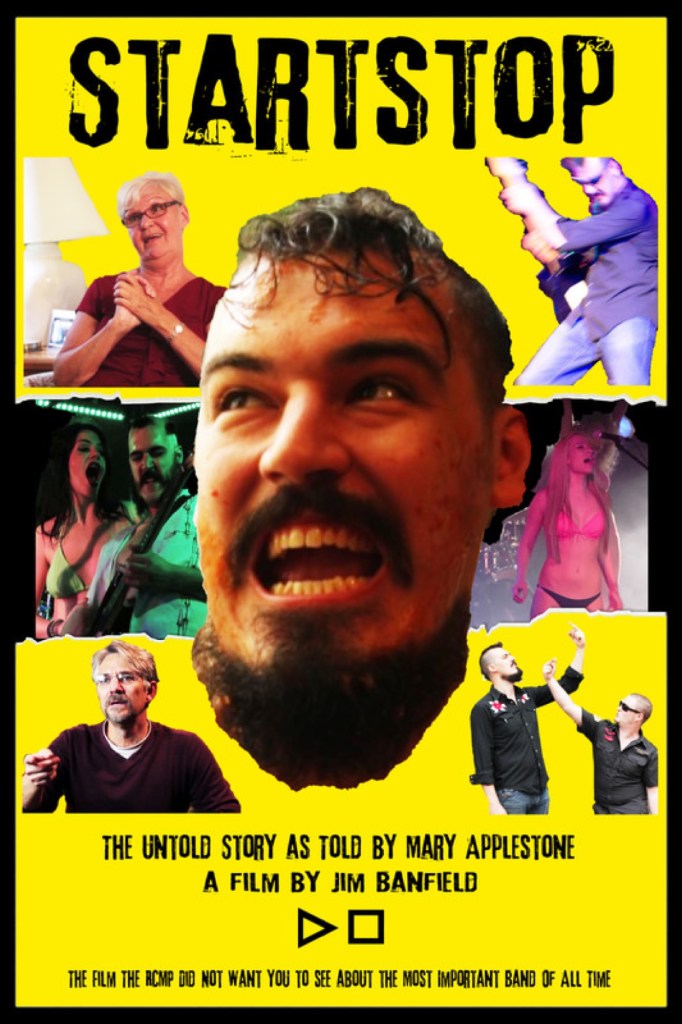

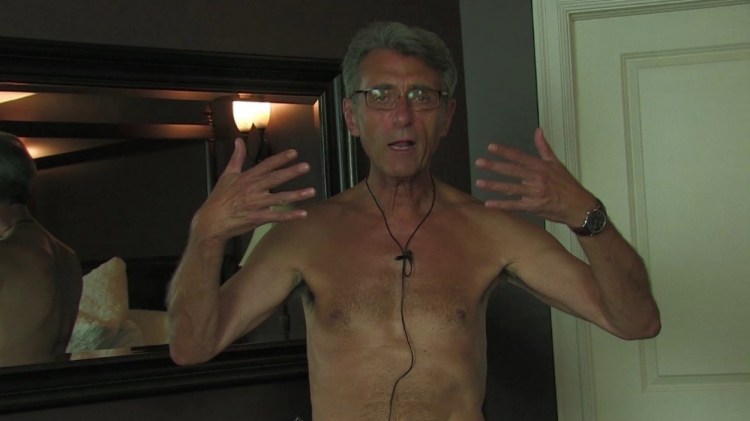
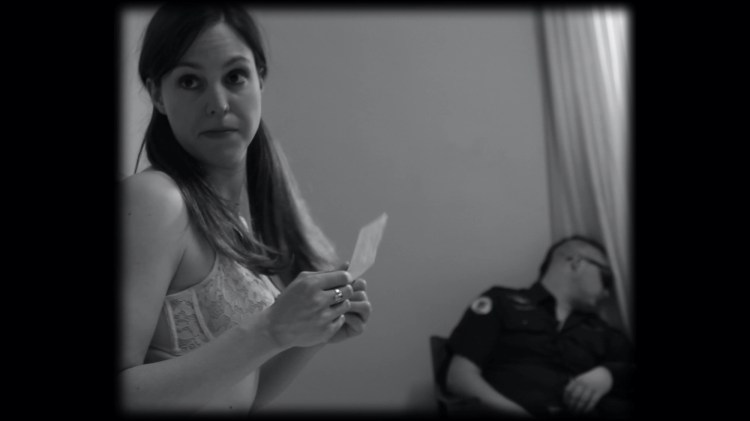

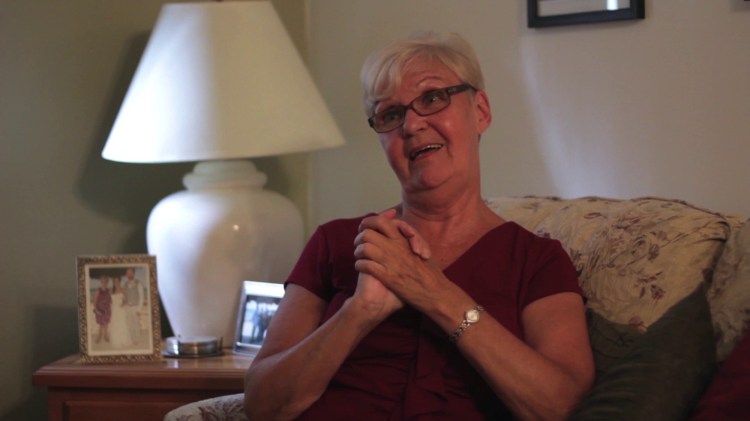


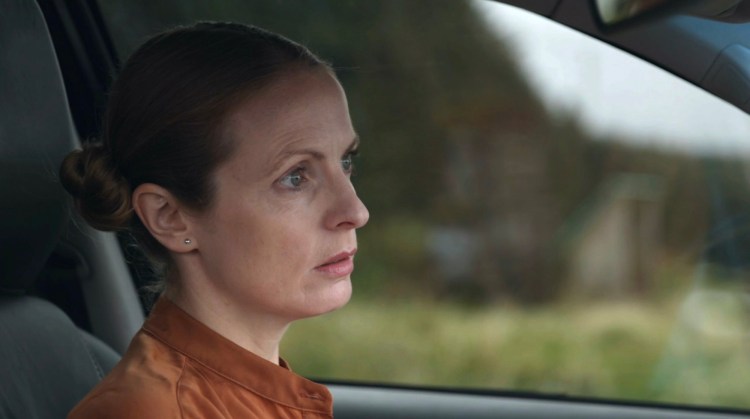
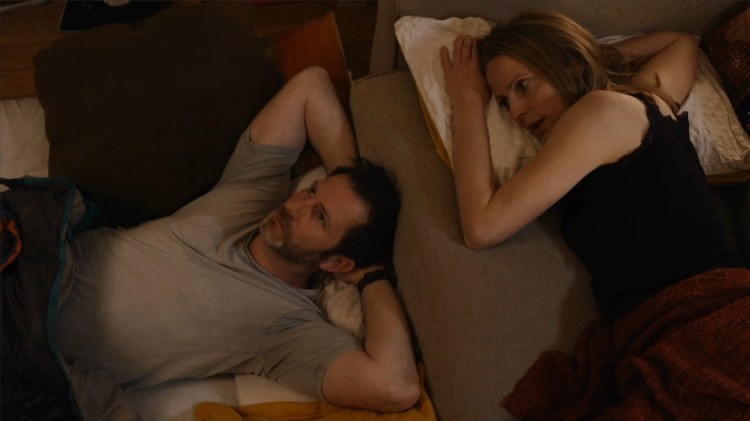

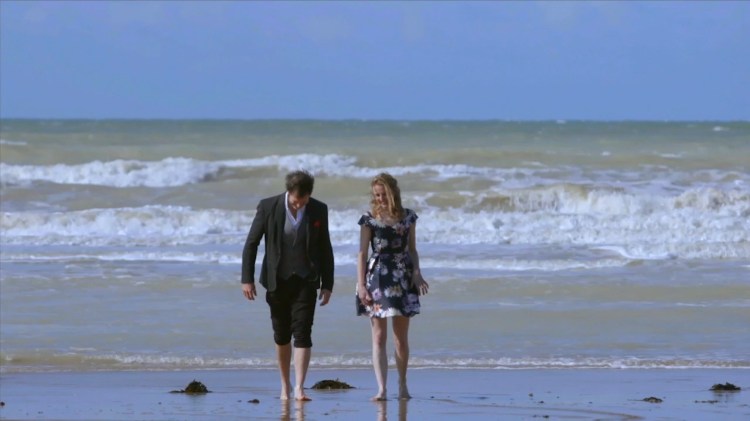
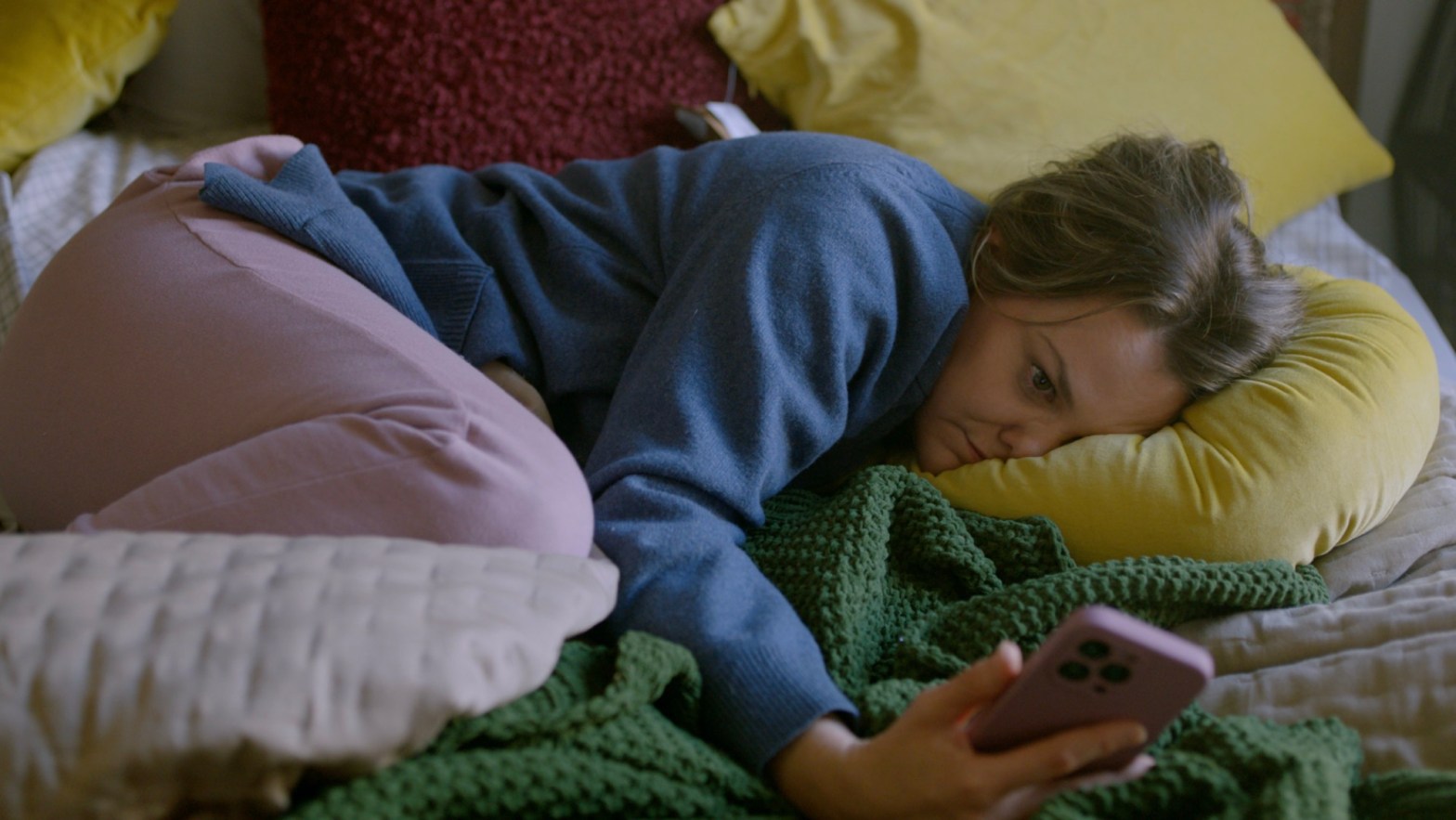

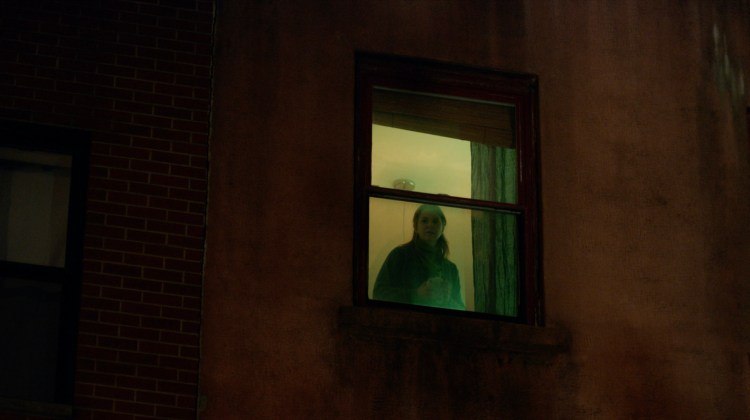

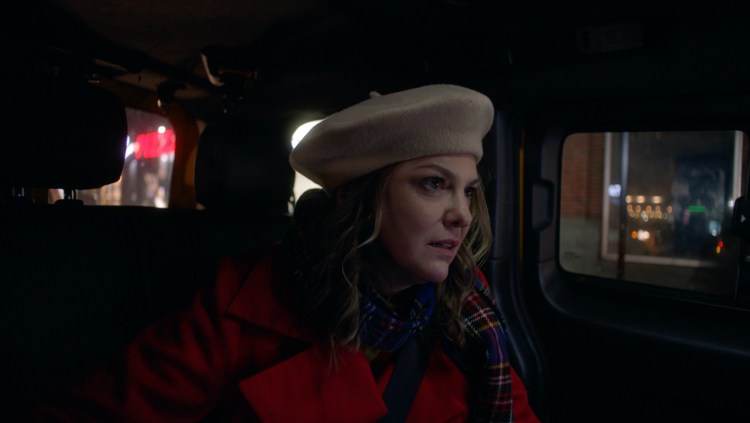

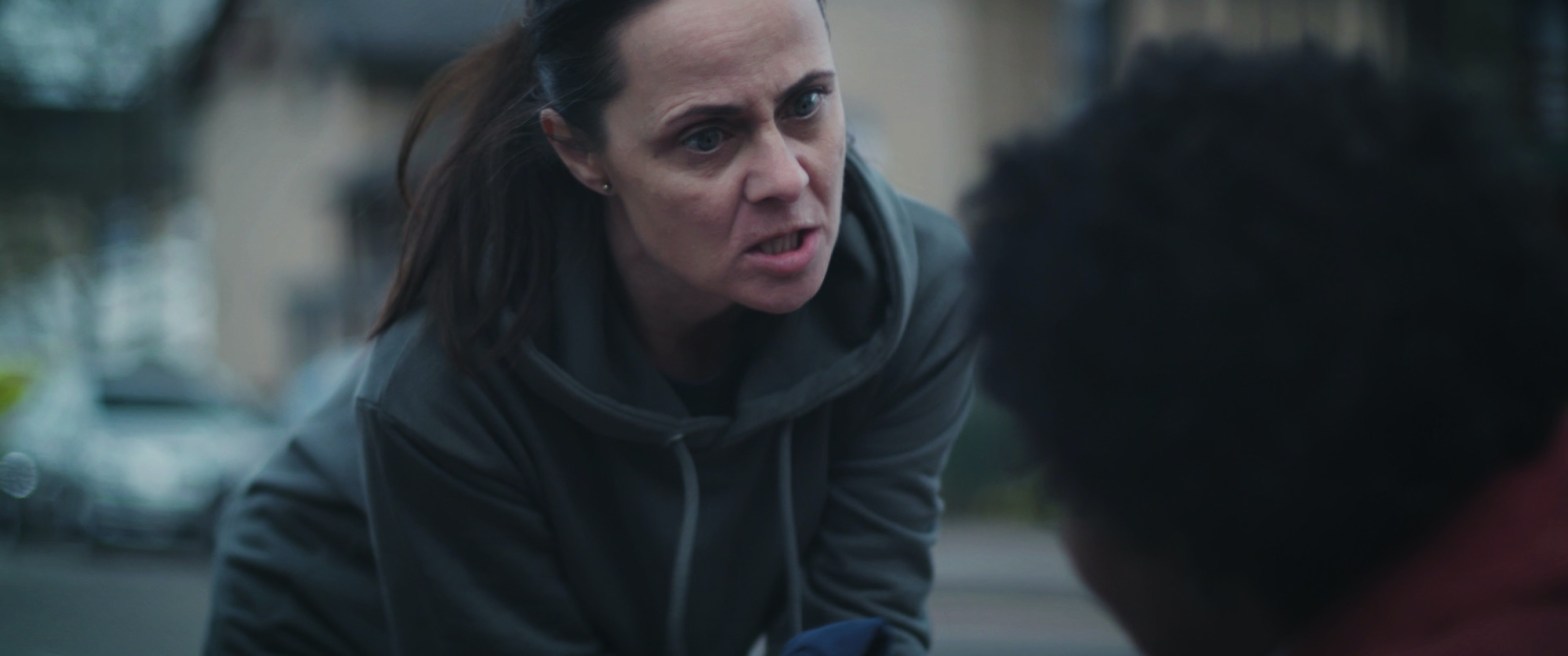
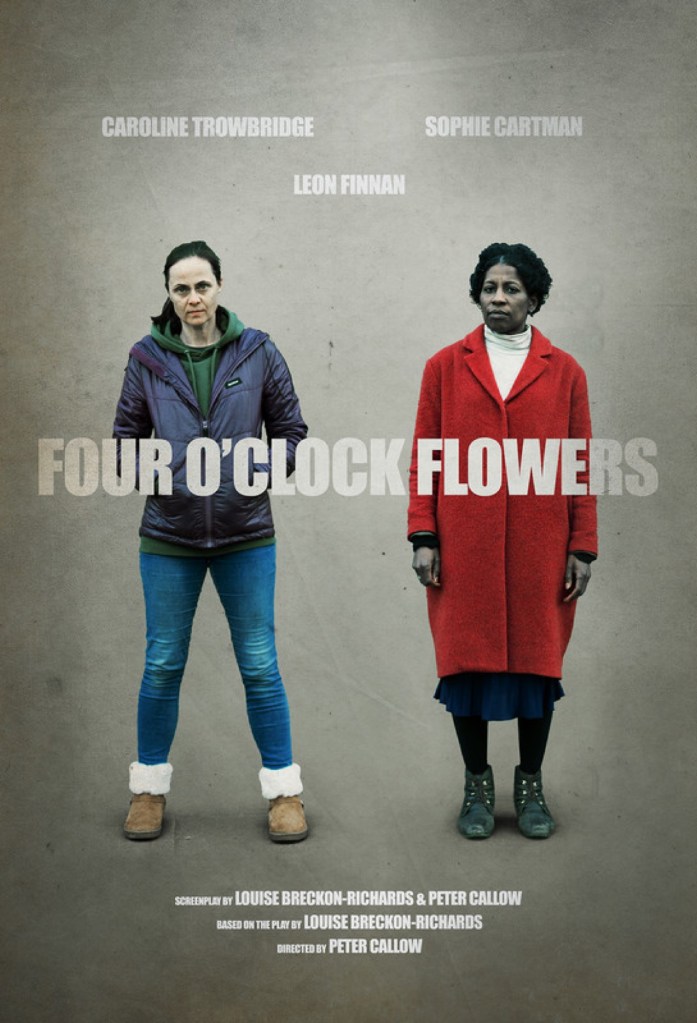


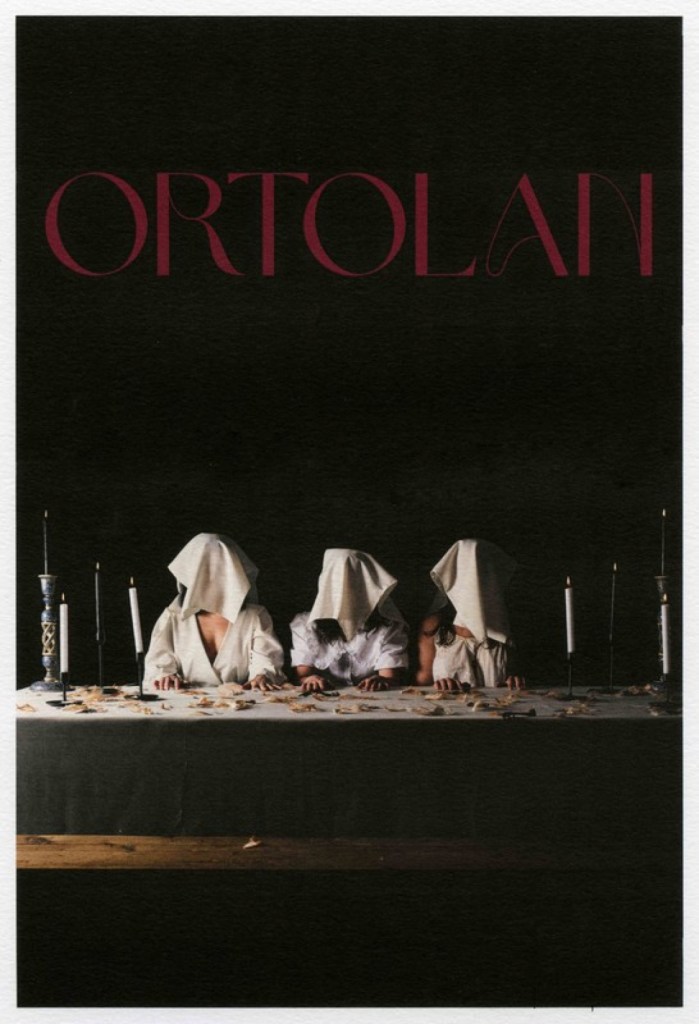

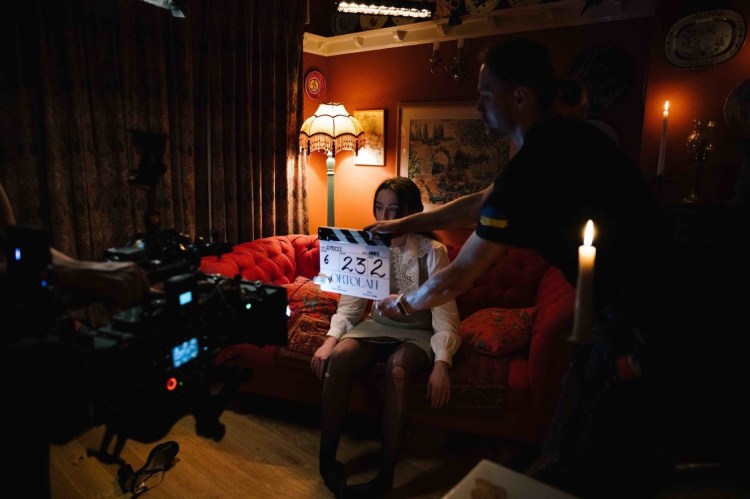
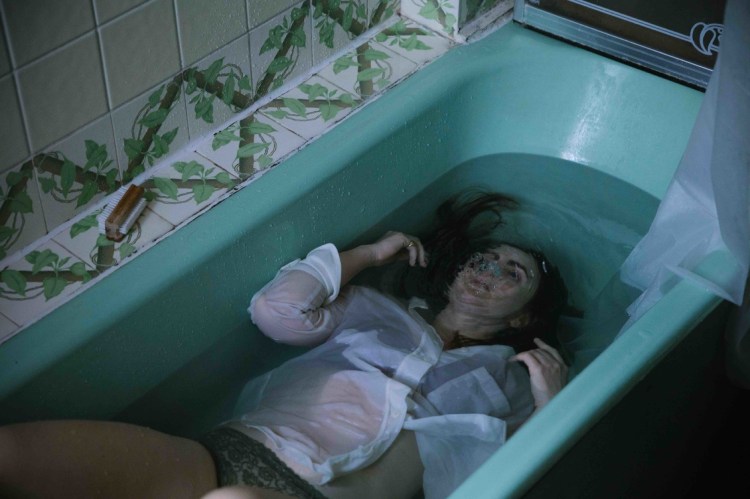
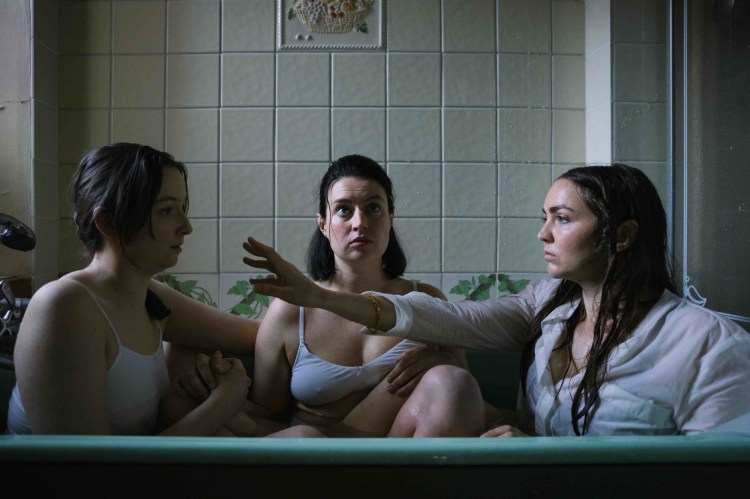
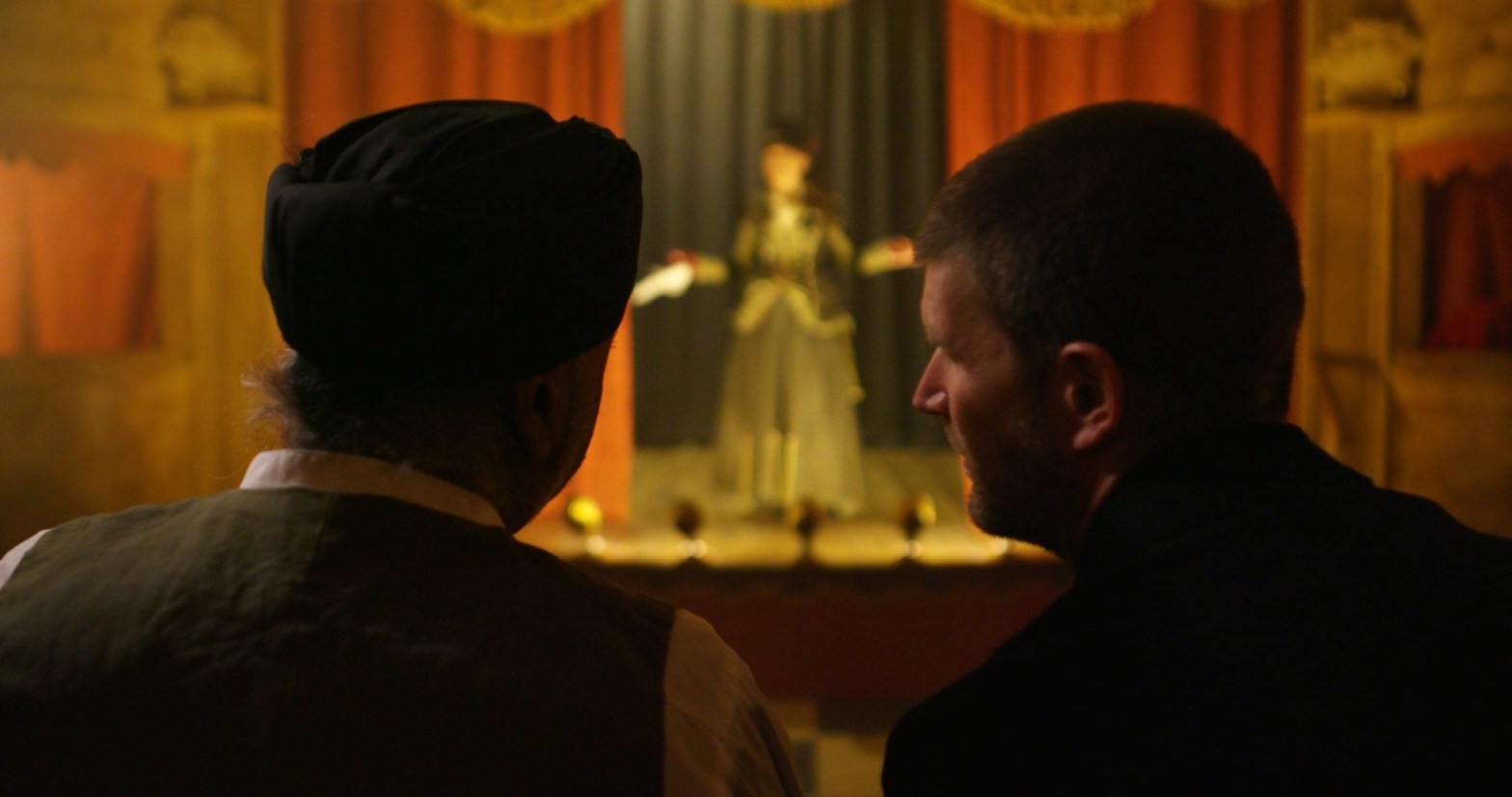
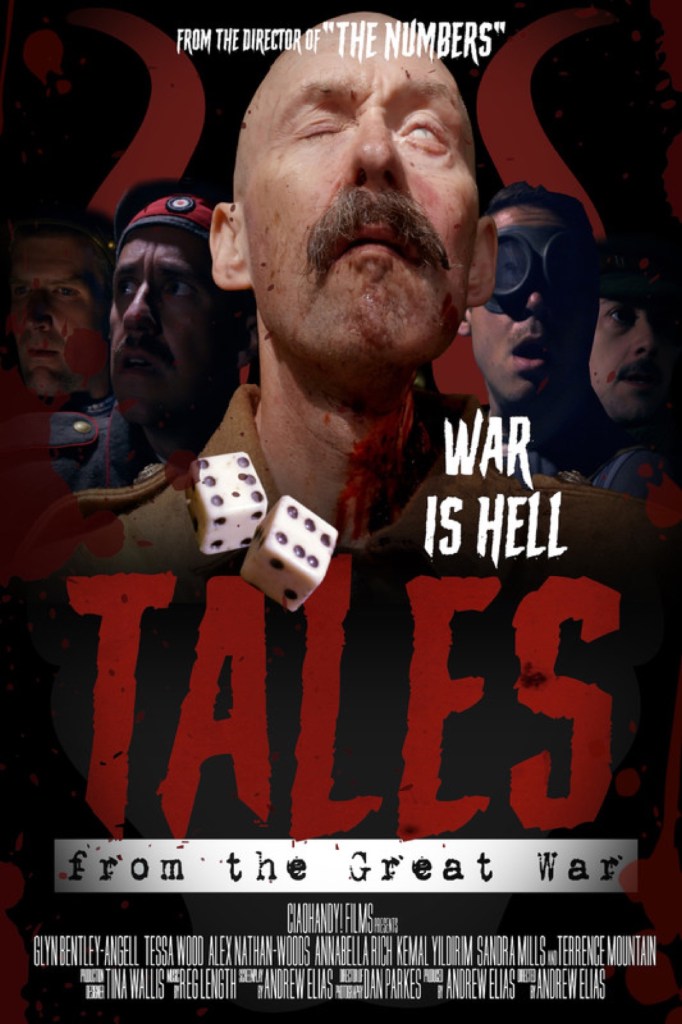
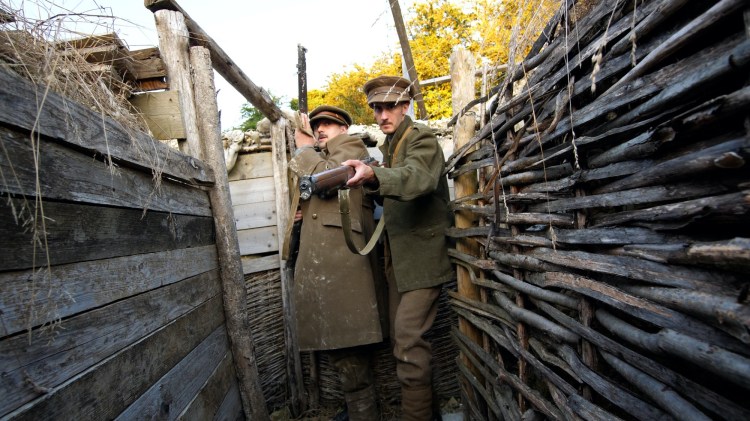
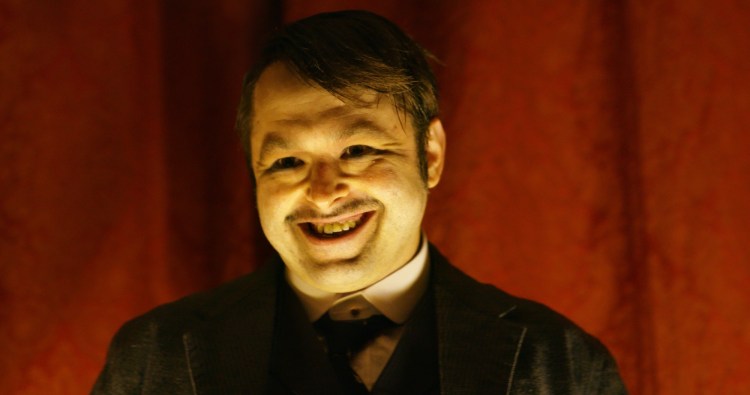
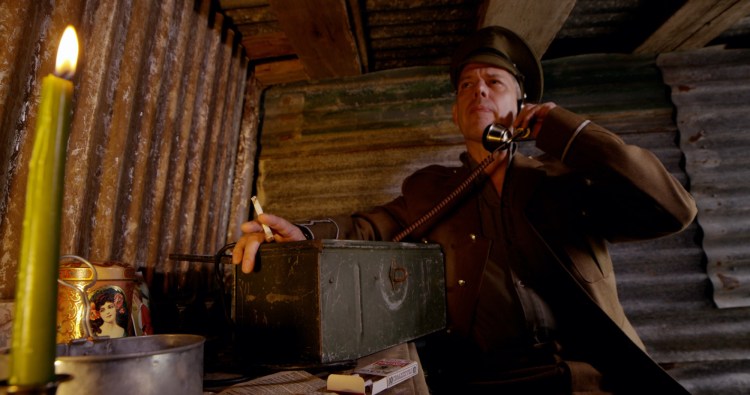
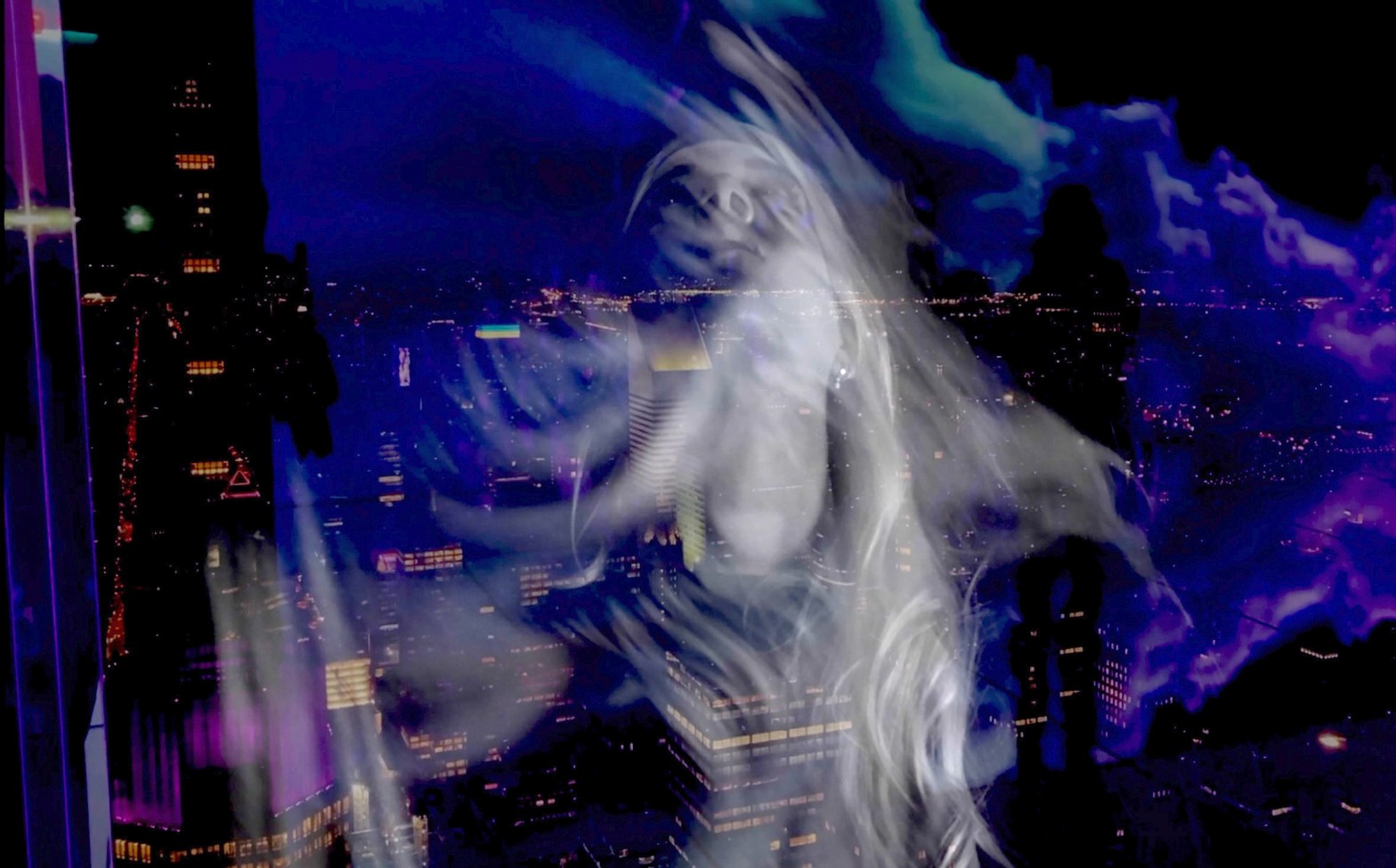

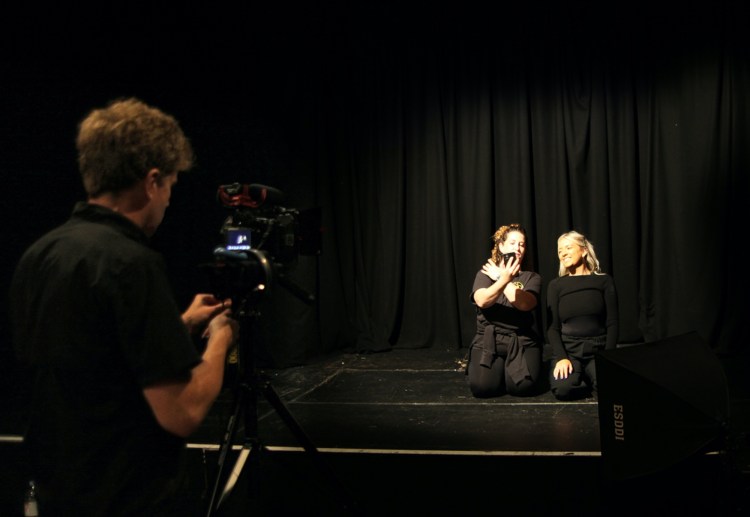
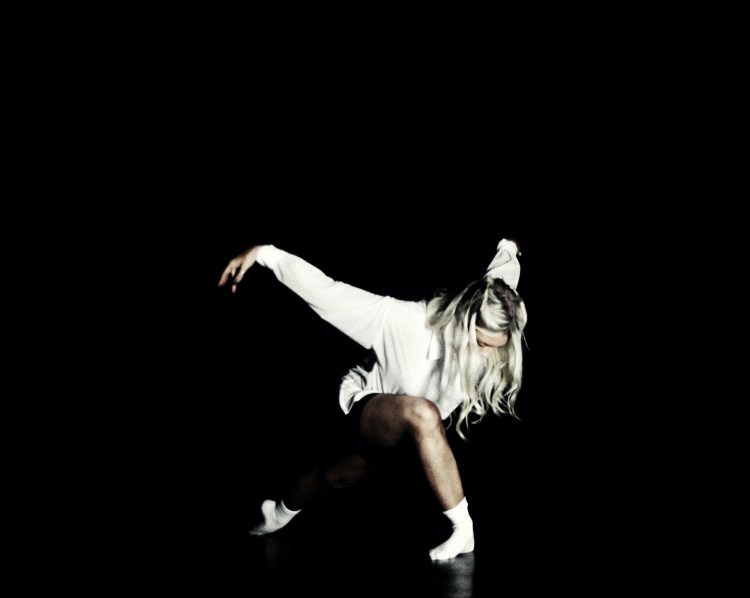


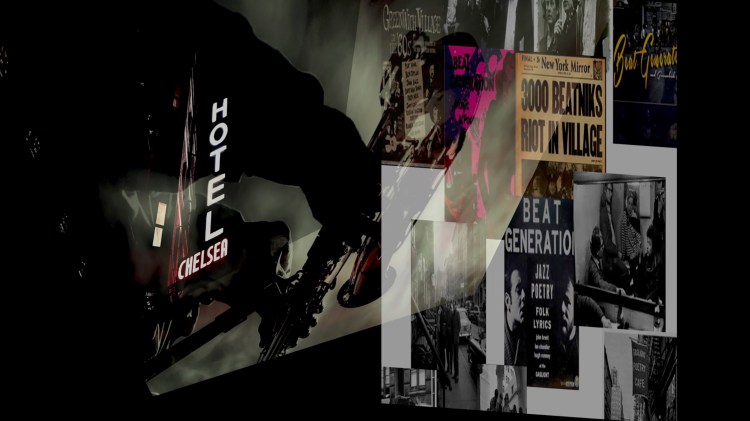


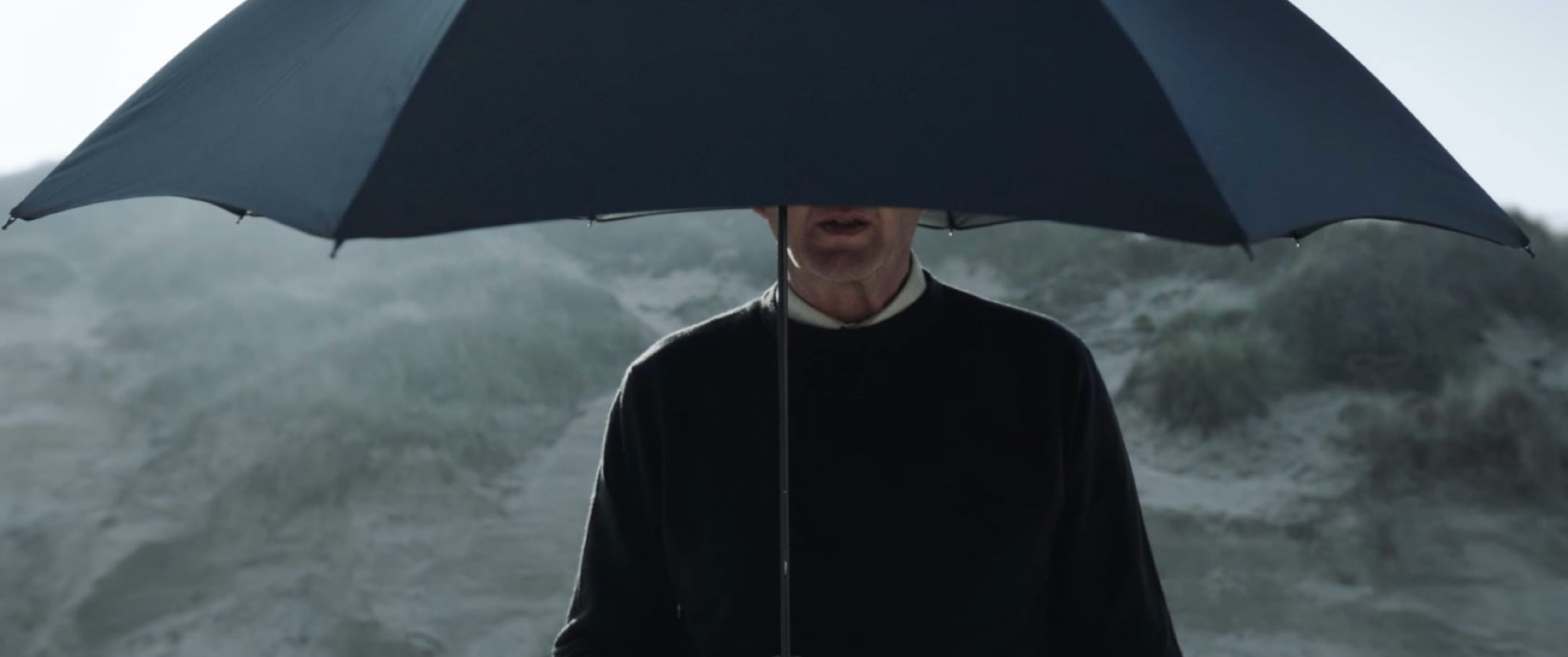


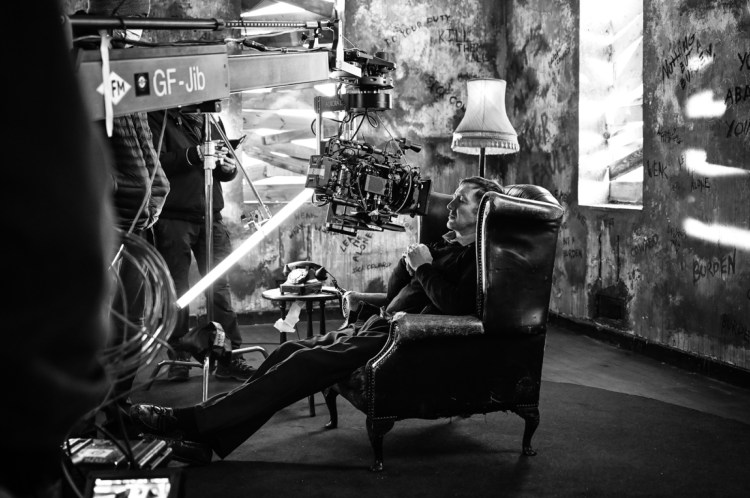
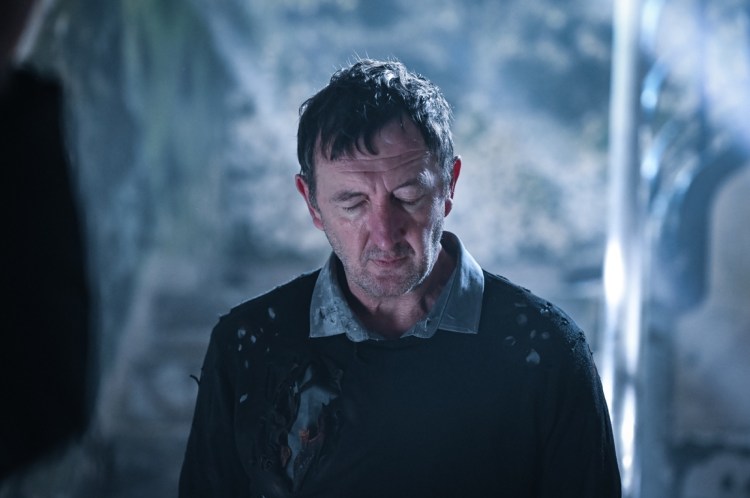
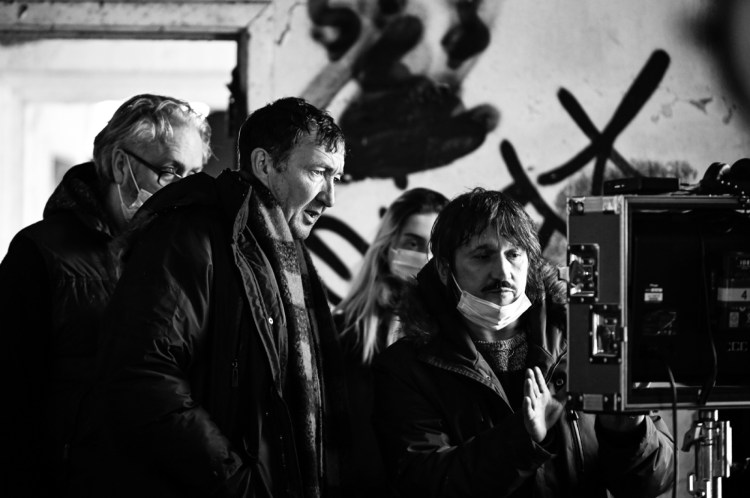

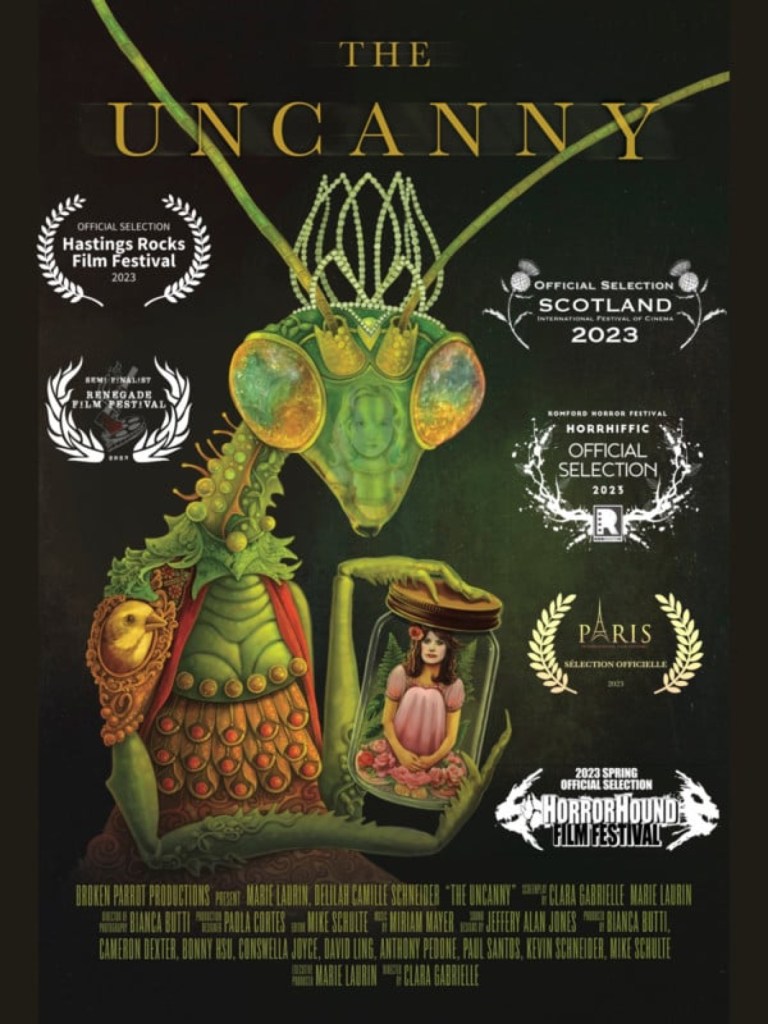
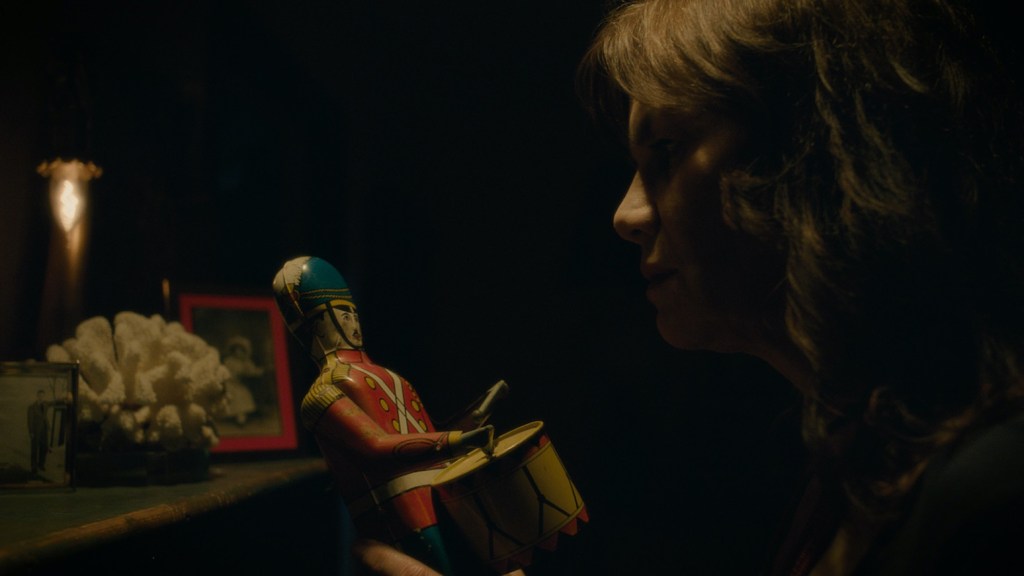
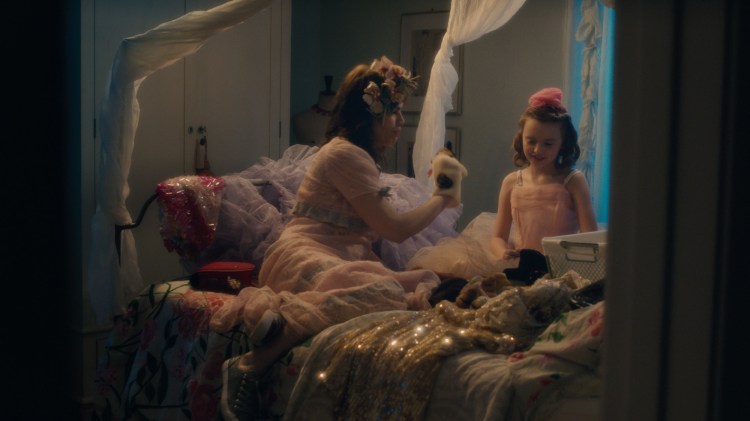


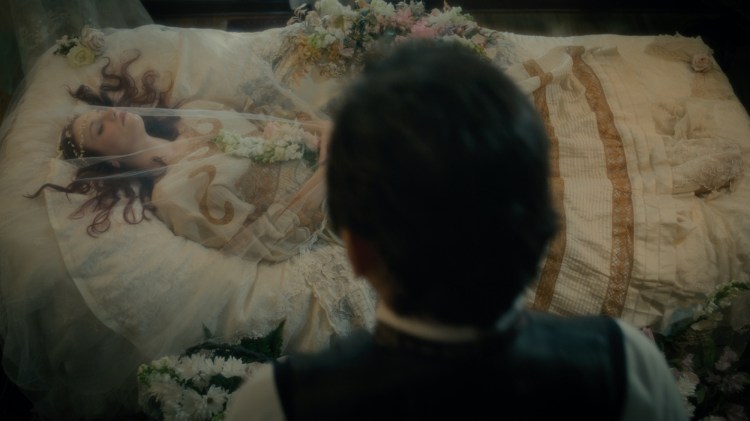


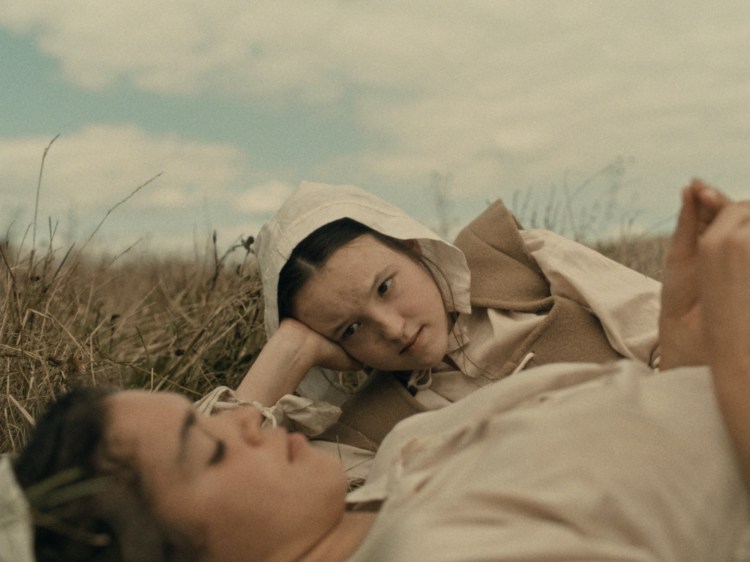
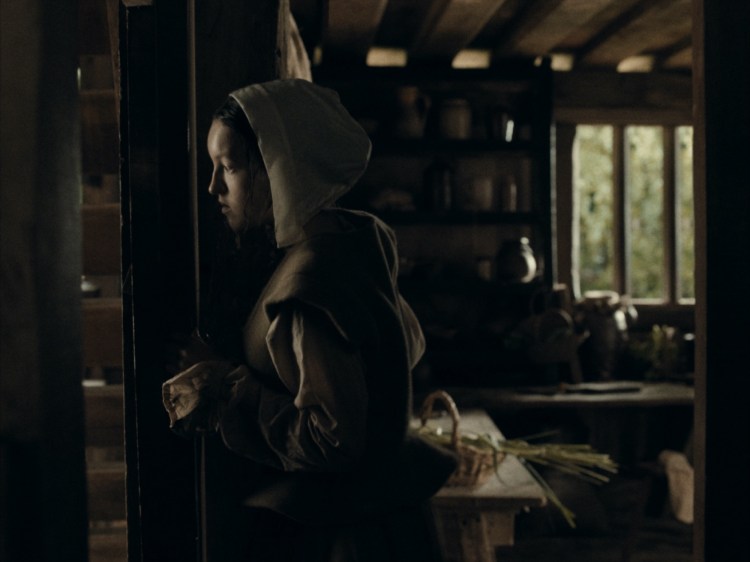


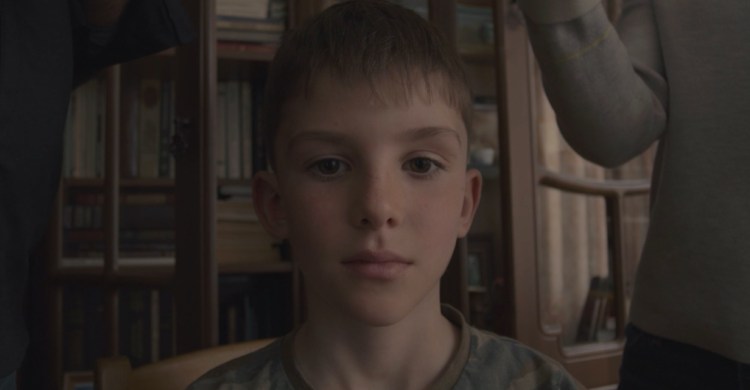








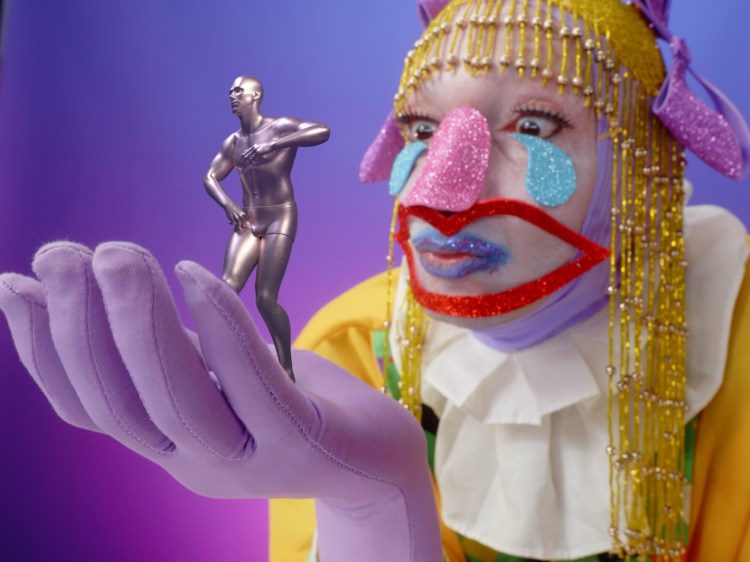
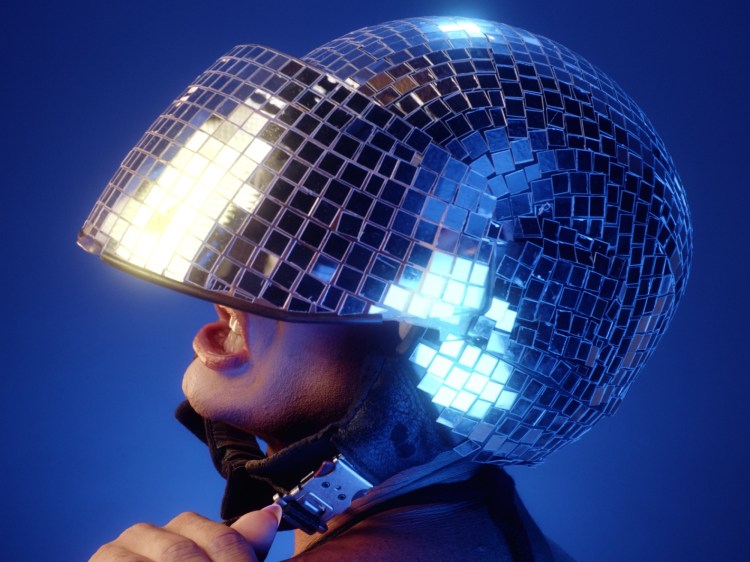
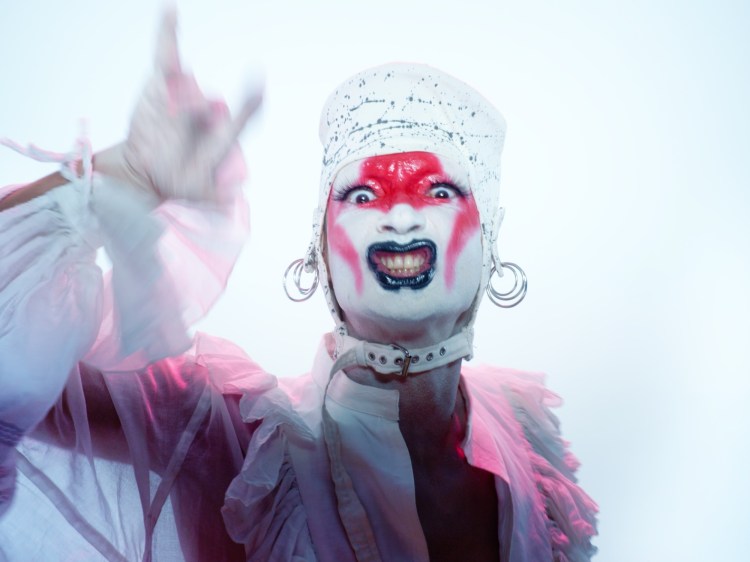


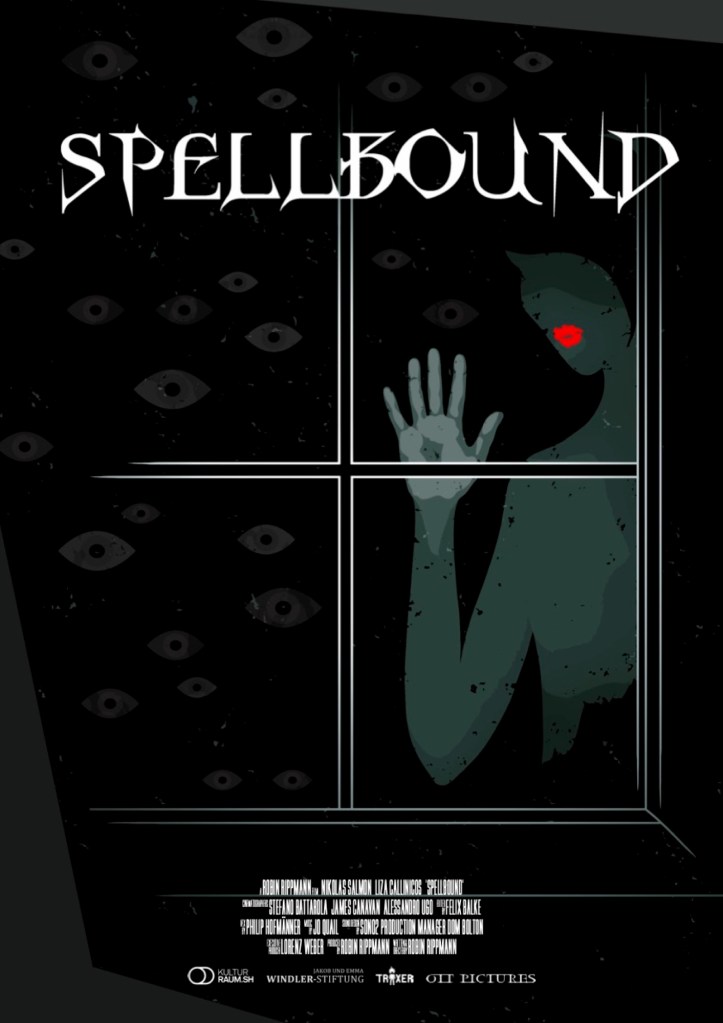
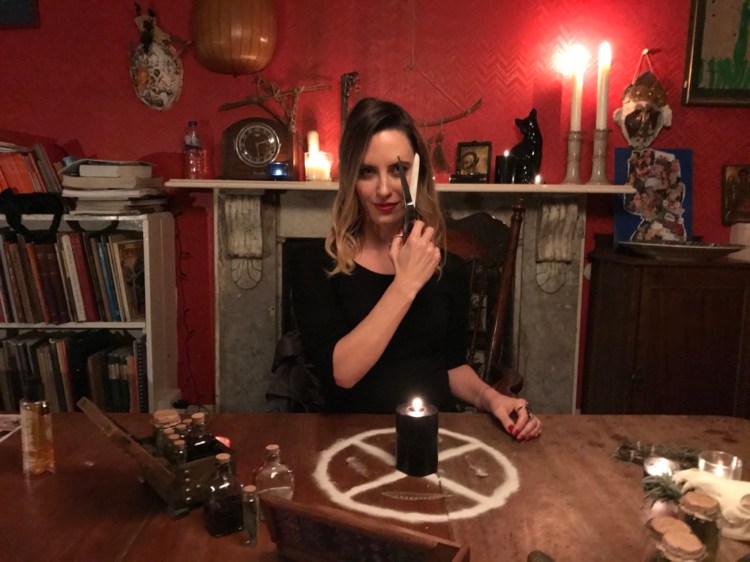

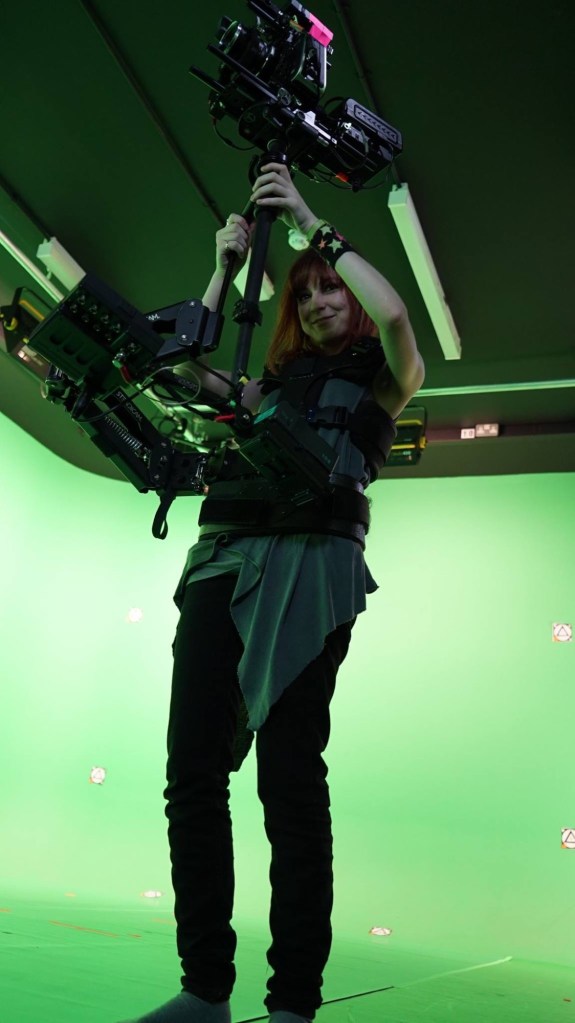

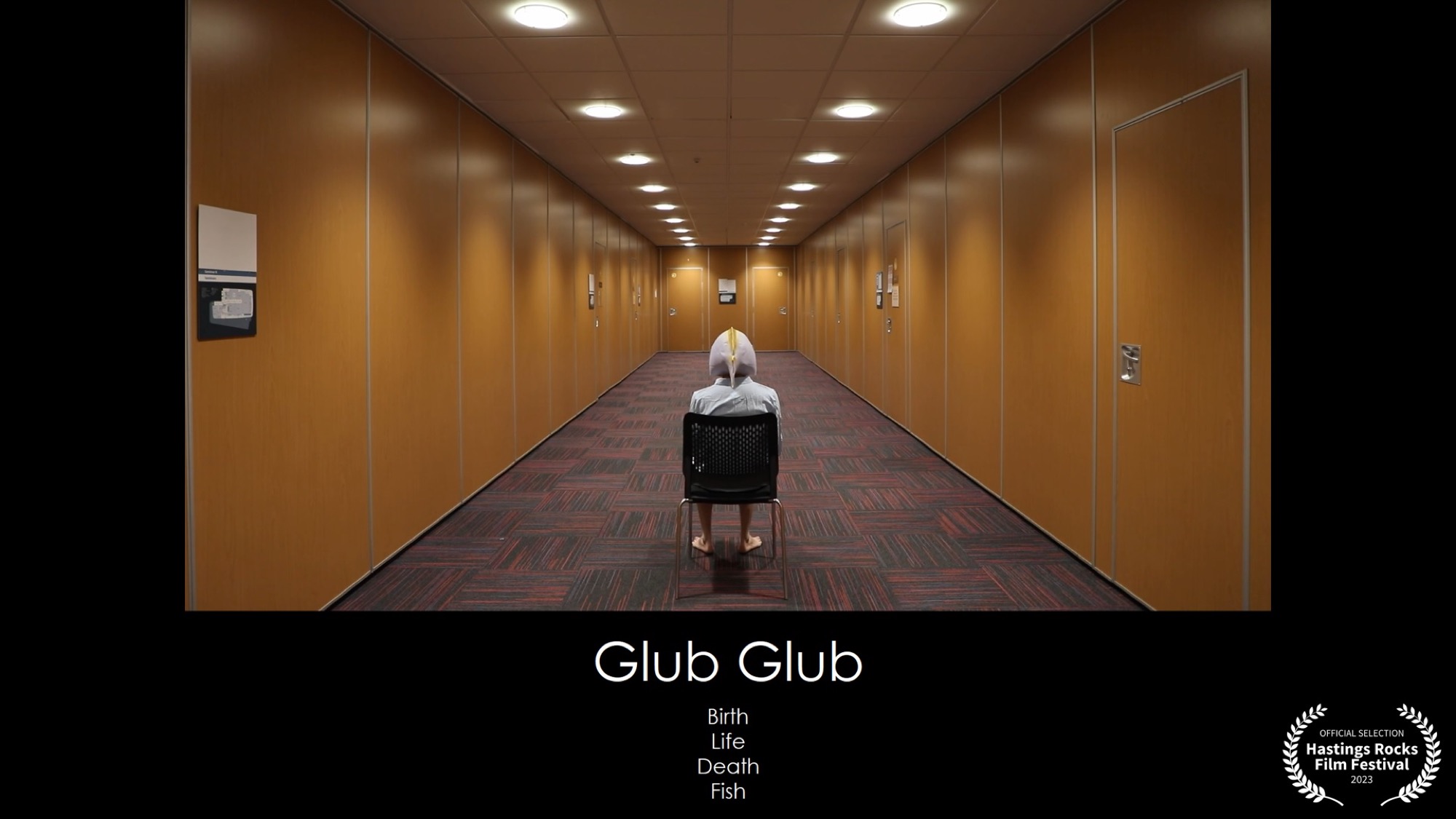


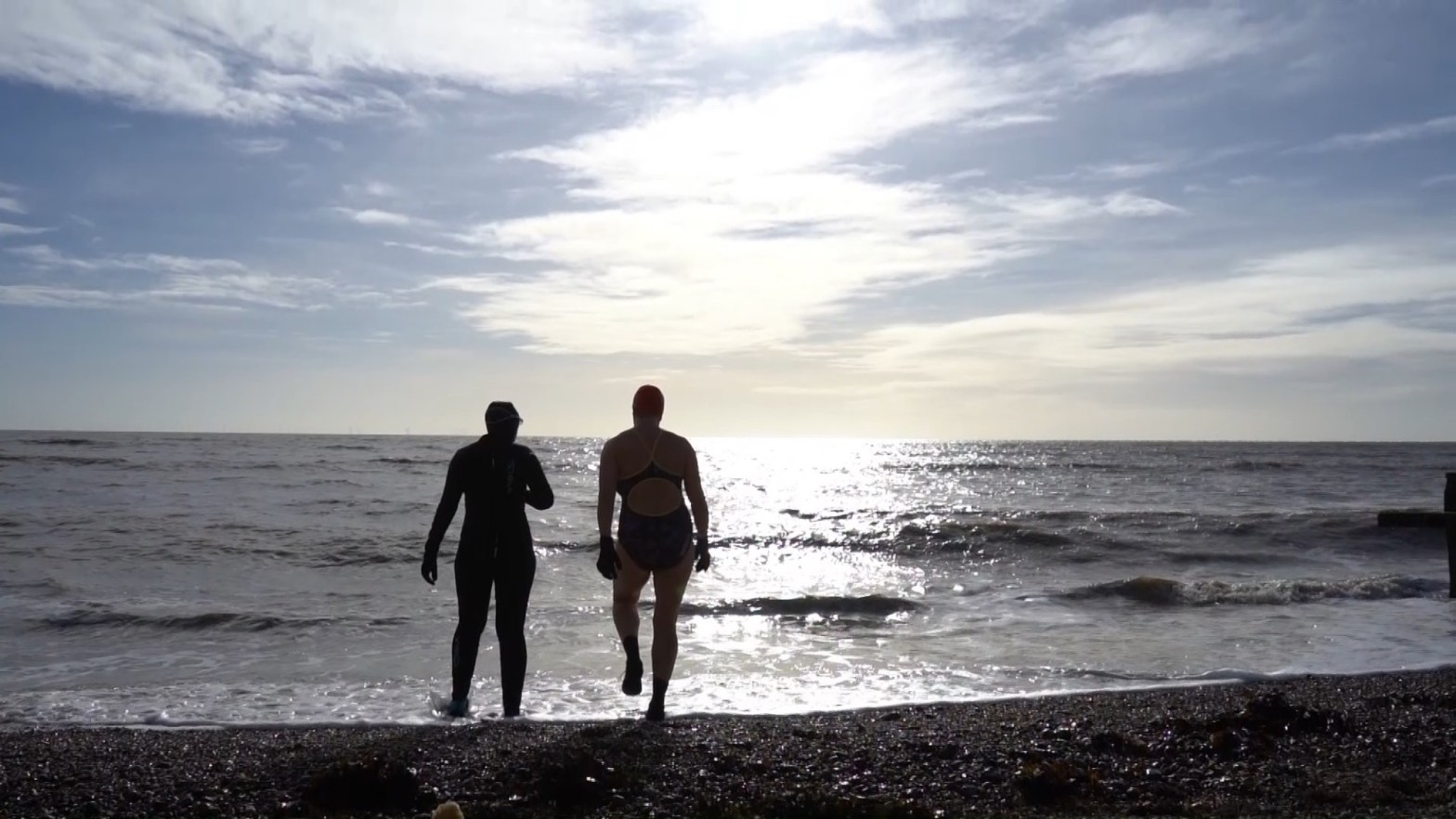


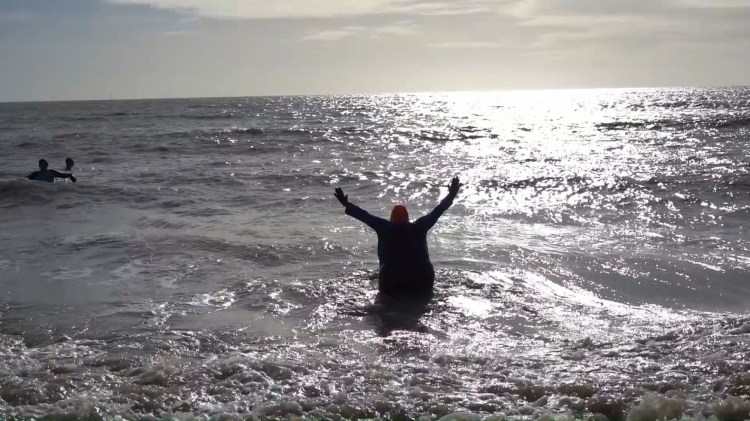


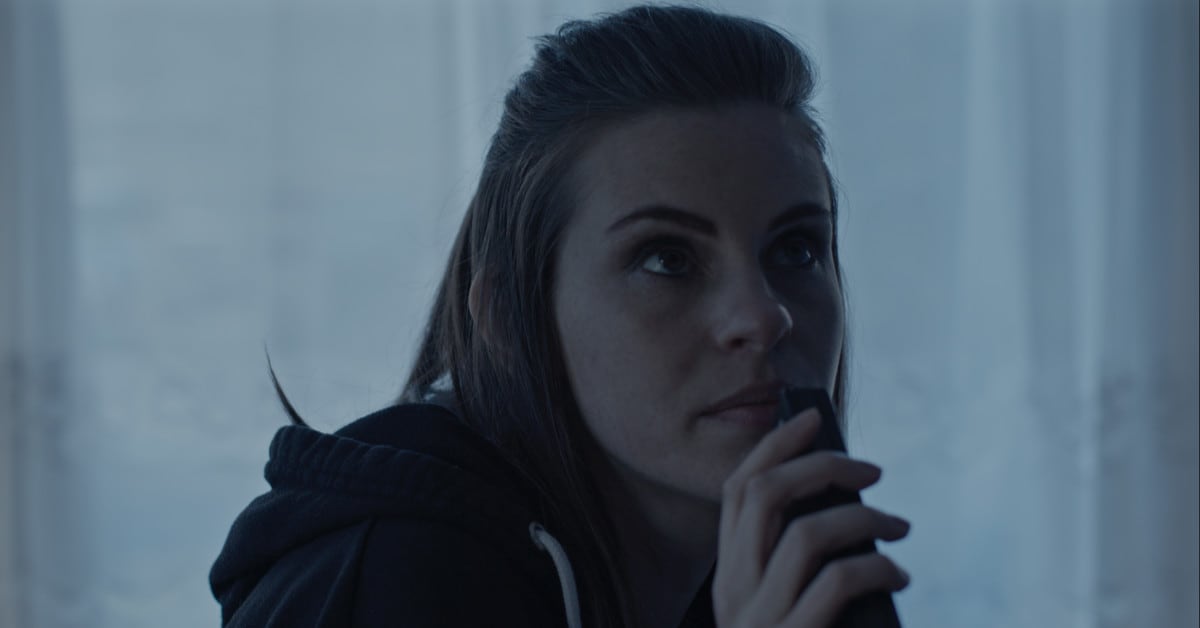

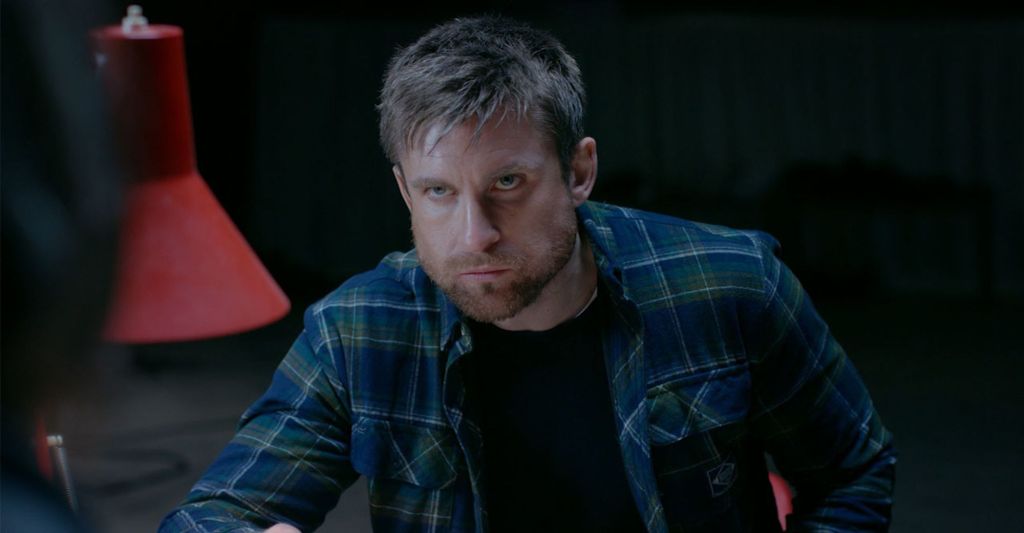

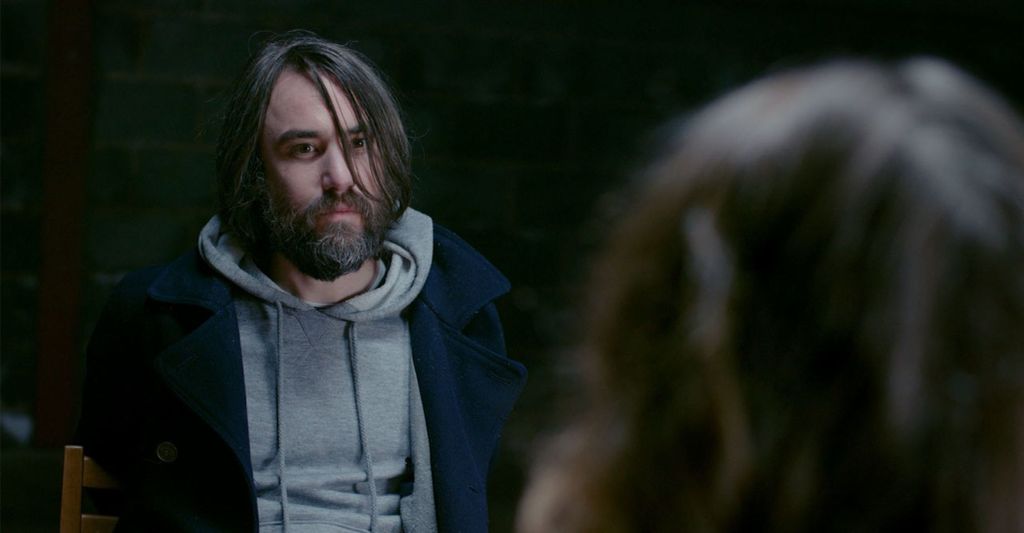
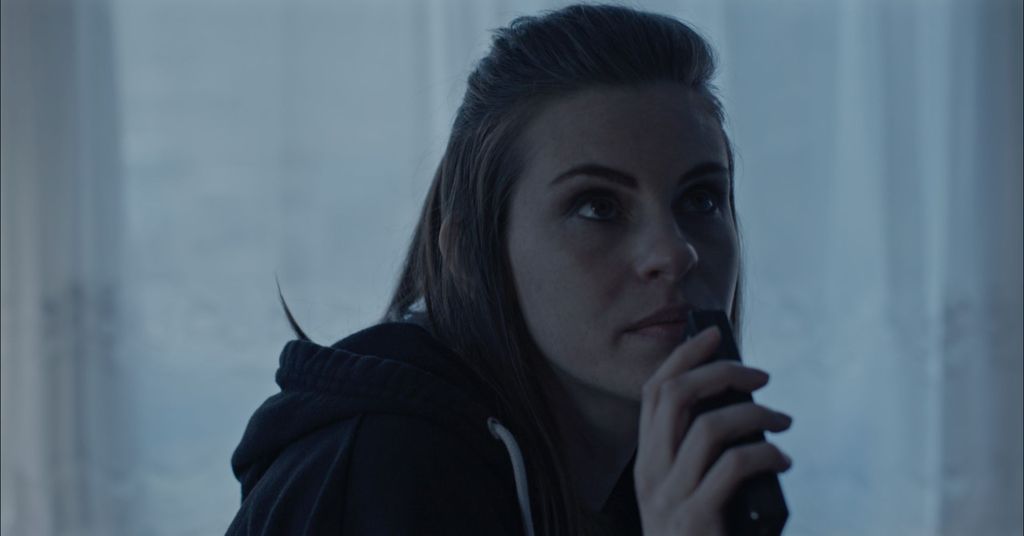
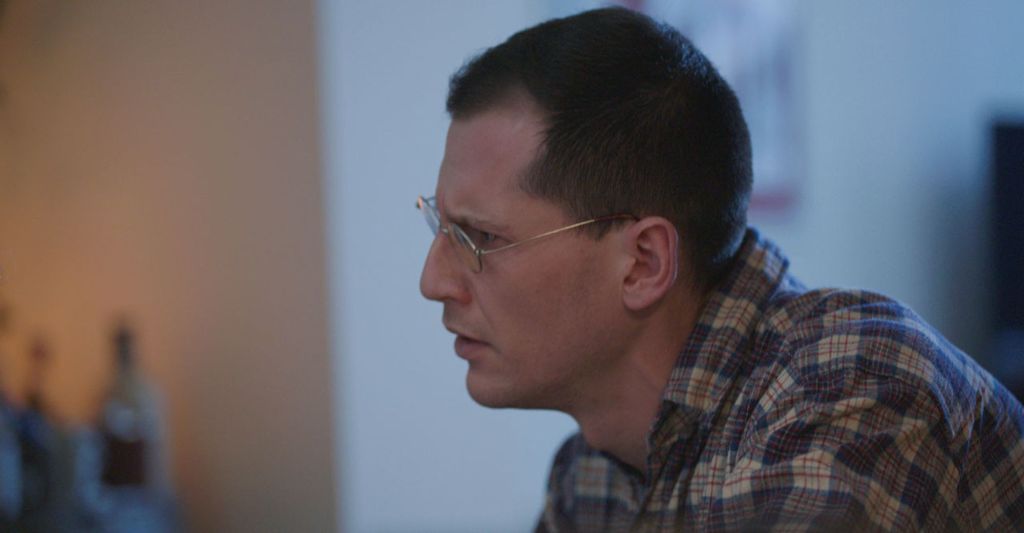
 Rocks Festivals Blog