British cinema is littered with gems that failed to make their mark. Some now enjoy cult status, but many more have become lost treasures, scattered across the margins of film history . . . This is the first in a series revisiting such films, beginning with Jerzy Skolimowski’s excellent, if peculiar, 1978 film The Shout.
Based on Robert Graves’ short story of the same name, The Shout tells the story of Crossley (Alan Bates), a man who has ‘the terror shout’ – a fatal vocal technique learnt from an Aboriginal man while living in the outback for 18 years. Crossley enters the lives of Rachel and Anthony Fielding (Susannah York and John Hurt, respectively), exerting a strange control over Rachel with the magic use of her sandal buckle and pushing away Anthony in the process. This narrative is framed as a story told by Crossley to Robert Graves (Tim Curry) as he scores a cricket match at a psychiatric hospital.
This plot synopsis may sound a bit vague, but it is challenging to be concrete about such an enigma. It is precisely what makes this film so intriguing — and important. You are obliged to try to piece together the story while you are watching it, and frankly the film doesn’t make it easy for you. But, why should it . . ? It makes you as a viewer work, and this is one of the many joys afforded by this film.
Within its DNA are films like Performance and Don’t Look Now, which also require a bit of “piecing together.” It is, incidentally, a notable point that Nicolas Roeg was originally intended to direct this film. The Shout is not as mind-boggling as Performance (which, as an aside, even with three or four viewings I’ve never been totally convinced ties together completely). But its drastic cutting from one thing to another, great sound design and score which makes grandiose use of the organ and a synthesizer, combined with all-round stellar performances, place it – in this reviewer’s opinion – in the same league as Roeg’s films.
Certainly if Roeg had directed it, The Shout would be spoken about more. Polish-born Skolimowski is a fantastic filmmaker with a rich and eclectic filmography, but in my experience he is rarely discussed in critical circles. Another of his British films, Deep End (1970), is likewise a standout, and one that deserves far more attention than it receives. This was actually a US/German co-production shot in Munich, although set in Soho with a largely British cast. Discussing what constitutes a British film is, of course, outside the scope of this article, so we’ll move on . . .
Even if the director’s name fails to draw an audience, the cast of The Shout most certainly should: Alan Bates, John Hurt, Susannah York, Tim Curry, and even a young Jim Broadbent — all heavy-weights in the world of British film. It has to be said that the film’s success rests largely on the immese talents of the central trio of Bates, Hurt, and York, working in tandem under first-rate direction.
Bates was a large-framed, big chunk of a man. My first encounter of him was in Ken Russell’s Women in Love where he acts alongside another large, powerful, excessively virile actor, Oliver Reed. The famous naked wrestling scene demonstrated their powerful, big-block-of-man bodies. But I walked away from that film thinking it was Oliver Reed who towered above all, and that Bates was rather small. In The Shout, however, Bates constantly looms large in the frame in comparison to the thin and lighter-haired Hurt, and even more so next to York.
Bates’ physical presence does much to dominate the space – and this works alongside his cold and sharp delivery of every line and an almost never-slackening, penetrating gaze.
This is in stark contrast is Hurt, who cowers in the frame or under a fireplace. He is pushed over by his wife and struggles behind Crossley as they walk to the beach, getting a stitch in the process. He is, in every respect, a man displaced.
Unlike Crossley and Anthony, Rachel’s character is not as developed – to the film’s detriment. Her main role is to be fought over by Crossley and Anthony and to be under the influence of Crossley’s magic.
But York still delivers a strong performance, adding further ambiguity to the film. Does she know she is under Crossley’s influence? Her performance makes it unclear, keeping you guessing while adding further layers of mystery.
The matter is never quite resolved. On first viewing, I will admit to finding the ending unsatisfying, with the various stands seeming to just peter out in the midst of a large explosion. On revisiting the film, however, I understood how well-crafted it was and saw how everything comes together with an impressive coherence. There are still bits of ambiguity. But that’s fine. Films would be dull if we understood everything, and I don’t think there’s ever any point in trying to fathom every last detail.
In summary, The Shout is a film that deserves wider recognition. It should be considered alongside the likes of Performance, The Devils and Don’t Look Now – and all the other slightly odd, in-your-face British films of the 1970s – and recognised as a classic British film. Or a classic, full stop.
‘One in Two’ is a story of courage and resilience that celebrates the power of human connection.It may make you cry, but it is guaranteed to make you smile too.
As creatives none of us are immune from the slings and arrows life sends our way. But few of us have had to deal with life-threatening conditions at a young age. ‘One in Two’ tells the story of David Izekor, who suffered a haemorrhagic stroke caused by a brain tumour just shy of his 19th birthday. The documentary draws on David’s personal experiences, his doctor’s accounts and testimony of other cancer survivors, Aya and Masha’s mum, Kate, who supported David post-surgery. It also shows how David was able to harness the power of social media to reach thousands of others in similar situations.
*** It is with immense sadness that we have to announce David Izekor’s passing on the 12th November 2025.May David’s energy, creativity, and the promise of a young filmmaker already shining so brightly, remain with all those whose lives he touched. *** RIP David Izekor, 18/01/2002 – 12/11/2025
Could you tell us more about how you came to get involved in this project?
I didn’t know David at the time of his stroke. He is older than me and was already at university while I was still in college. Where many might have abandoned their studies, David’s determination shone through and he chose to restart his first year, which is where our paths first crossed as it coincided with my first year at Leeds Beckett University.
I have always been passionate about documentary filmmaking. While at college, I began researching a film about the use of cannabis by cancer patients, but many were understandably hesitant to speak on camera. When I learned about David’s story, I recognised a different but equally powerful opportunity: to share an experience that could inspire and support others facing the same struggles. You see, my grandmother had suffered cancer twice in her life, before finally succumbing to it in May 2024.
You and David are both young filmmakers. How were you able to make such a professional, powerful and mature film?
During his cancer journey, which is rare in adults, David met a lady called Sarah-Jane Wright. Sarah was able to empathise with David’s honest and powerful documentation of his highs and lows on social media. Over time, both David and his brother became great friends with Sarah. When David shared his wish to make a documentary about his experience, he introduced me to Sarah as his partner in the production. I’ve been fortunate to work with broadcast-level equipment since the age of 16, and I’ve been using DSLRs, sound gear, and camcorders of varying quality since I was just five years old. These skills meant I could make a strong contribution to the project.
We were incredibly fortunate that Sarah generously agreed to mentor us through the filmmaking process. For more than 18 months, she gave us her time and guidance with unwavering dedication, all the while carrying the demanding responsibilities of her role as Head of Production at Working Title. David and I often felt truly blessed to learn from someone whose experience included serving as executive producer on major films.
David Izekor
Please tell us more about the production process and how long it all took?
From start to finish, it took 18 months. A lot happened in that time. We began this project while in our second year at university. It wasn’t conceived as a student film at first; our desire to tell David’s story outweighed everything else. With Sarah and her team’s help, we launched a crowdfunding page and website and got to work. With support from Working Title and permission from David’s oncologist, we were able to film interviews at St James’s Hospital in Leeds, the place where David received most of his treatment, and in the city we were studying at the time.
We began filming in June 2024. Around then, I also lost my grandmother to cancer. At the same time, I was working on another documentary with my dad, as well as One in Two . During VE Day in May 2024, I was even asked to appear on Sky News in connection with my great grandad and a film I’d made in 2023 which had been screened and nominated at BRIFF. Looking back, staying so busy helped me cope with my grandmother’s passing.
Filming continued over the summer, and we applied to have the project accepted as our final-year submission. By October 2024, with about 70% of the film still to shoot, the university gave us the green light. This allowed us to bring in other students to share the production load (Sid Killick in charge of Editing, Joshua Cowlard in charge of sound and runners Helena Kitchingman and Daniel Liszkovics). Production carried on well into 2025. At one stage, we spent three days filming a reenactment with actors inside the university’s hospital building, material we ultimately chose not to use in the final cut.
Could you bring us up to date with how things are going this year?
Sadly, David experienced a relapse in early 2025. Since we had decided to share a house in our final year, I was able to help him through some very difficult times. He suffered several seizures, and on more than one occasion we had to rush him to hospital. During one of those journeys, the ambulance crew learnt we were making a film about David’s story and encouraged me to keep filming, capturing David’s resilience even in crisis. By May, it became clear David would need major surgery to remove the returning tumour. He managed to postpone the operation until a week after our film’s premiere. On 29 May 2025, we premiered the film at Working Title’s private cinema in London, holding three fully booked screenings followed by a Q&A with the audience.
David is passionate about sharing our film with a wider audience to help young people find their voice in the face of adversity. He continues to maintain a positive outlook, which many refer to as David’s “beacon of light.”
2025 was incredibly challenging for both of us creatively and personally. David’s mobility was seriously affected by his seizures, but his determination never wavered. Together, we pushed through to complete the film, supported at every stage by the university, Sarah and our incredible family and friends. Despite all the challenges, in July 2025 David and I both graduated with a First-Class BA (Hons) in Filmmaking.
What do you hope for your film?
We’ve begun submitting our work to festivals for 2025 and 2026 and are proud to have already taken home a Best Short Film award. Looking ahead, David remains passionate about sharing our film with a wider audience to help young people find their voice in the face of adversity. He continues to maintain a positive outlook, which many refer to as David’s “beacon of light.” Even in his darkest hours, he is determined to support others as well as himself, openly sharing and speaking about the fears that weigh most heavily on him. I will continue to work at making this happen.
Jessica Dowse’sFloat is a poignant, understated short film that resonated with audiences at the 7th edition of Brighton Rocks. With quiet precision, Dowse explores how fleeting human connections—even unlikely ones—can pierce through isolation, offering moments of unexpected clarity.
The sea here is no passive setting but a dynamic, almost antagonistic force. Dowse avoids clichéd depictions of coastal serenity, instead capturing the water’s raw power: churning waves, wind-tossed laughter, and the uneven drag of pebbles underfoot. Her framing underscores the ocean’s duality—both isolating and unifying, threatening and restorative—mirroring the emotional tension at the film’s core.
A standout sequence shows Ruth battling the waves, her panic made visceral through brilliant technical choices. The grey sea and sky bleed together, erasing horizons through cinematography. The soundtrack swells like an approaching storm, becoming Ruth’s racing heartbeat before releasing into quiet as she surfaces. This isn’t just tension and release – it’s the film’s emotional core.
What makes Float special is how it balances solitude against community. While other women laugh together in the waves, Ruth and Sam’s halting conversation reveals raw vulnerability. Dowse doesn’t offer easy resolutions – the ocean simply watches, indifferent yet somehow healing. Their swim becomes less about overcoming and more about being present in the struggle.
Float succeeds by finding profundity in small moments. A shared glance, the relief of catching breath, vinegar-soaked chips and the way salt water can simultaneously sting and cleanse – these become the film’s quiet revelations. In the end, Dowse suggests that connection, however brief, can be enough to keep us afloat.
Writer & Director Nathan Haines from Iron Box Films talks to us about his debut short film An Imperfect Cadence. A gripping drama that explores the intersection of artistic ambition and physical limitation. Haines’ meticulous attention to authenticity sets the film apart, he deliberately chose the harp, recognising that a harpist’s story hadn’t been extensively explored in cinema. His commitment to realism led him on an extraordinary journey to source a rare German Hörngacher harp, connecting him with the principal harpist of the Vienna Philharmonic and other elite musicians who helped shape the film’s musical authenticity. Combining elements of drama and thriller while tackling the complex technical challenges of filming musical performances. An Imperfect Cadence marks an impressive start for Nathan’s directorial career and sets the stage for his next project.
An Imperfect Cadence will screen as part of the 8th edition of Brighton Rocks on Saturday the 21st as part of our ‘Drama Rocks I’ session.
OK/NOTOK, written and directed by Pardeep Sahota follows a working-class British Asian woman confined to her apartment during external turmoil when a mysterious stranger enters her life. Their relationship unfolds over two years through a unique single-shot format that never moves the camera. The film’s most striking feature is its static camera approach, with each scene break marked by an edit while maintaining the same fixed perspective. This creative limitation forces the story to be told through lighting changes, sound design, and performance rather than traditional cinematography. The lighting particularly serves as an emotional barometer, shifting through different moods and seasons to represent the passage of time and the evolving relationship dynamics. Beyond its technical achievements, OK/NOTOK explores contemporary anxieties about artificial intelligence, social isolation, and economic inequality and examines how working-class individuals might navigate a future dominated by subscription-based technology and cloud services, adding a socioeconomic layer often missing from AI narratives.
‘OK/NOTOK’ will screen as part of the 8th edition of Brighton Rocks on Friday the 20th as part of our F*CKED UP FUTURES programme.
A genre bending love story set in the very near future with a darkly comic edge.
Screening at the 8th edition of the Brighton Rocks International Film Festival on the 21st of June at 7pm as part of our beloved LGBTQIA+ Rocks strand.
With all the look, feel, lustre and panache of a billion-dollar Marvel Universe production, Tom Paul Martin delightfully breaks the mould with the familiar chiselled, handsome characters so beloved by audiences, but with a crucial twist – they are gay!
Where Are All the Gay Superheroes? delivers a compelling examination of power dynamics and queer identity through the superhero lens. The film masterfully uses two heroes’ vulnerability to explore how those in positions of authority navigate authenticity versus self-preservation. Martin’s exploration of how hidden identities become liabilities for those in authority resonates throughout, highlighting the uncomfortable paradox faced by LGBTQ+ individuals who achieve prominence. The performances by Rory Fleck-Byrne and Imran Adams bring nuanced depth to characters caught between public personas and private truths. Rather than offering easy answers, the film confronts the systemic discomfort surrounding queer representation in positions of influence, making it both timely and necessary viewing.
Martin’s dedication to creating an authentic superhero aesthetic is immediately impressive. It’s evident that every element serves to immerse us completely in their world. From the opening scene featuring a blood-thirsty robot to the skin-tight lycra beautifully adorning our tragic lovers, and the brilliant teleportation effects – we are transported into that universe. Kudos must also be given to DOP Carl Pollard for his rich colour palette and the subtle but highly effective highlighting of the superheroes’ unfortunate mortality.
While there is much to engage with in this clever short film, listen carefully to the witty dialogue that takes us on an emotional rollercoaster. There is certainly a tonal shift as the film progresses – the first half boasts playful lines such as “my hair isn’t doing that perfect swoopy thing,” before cleverly descending into a much deeper, more analytical critique of our consumerist capitalist society and its treatment of underrepresented groups such as the LGBTQIA+ community and immigrants. What appears overtly as a quarrel between two lovers about their future is packed with layers of meaning that made me want to watch it repeatedly. Finally, keep your ears open for the delightful array of TV and film references scattered throughout – I counted quite a few gems.
‘Loyal’ is a heartwarming comedy that transforms the simple concept of coffee shop loyalty cards into an exploration of community, connection, and cultural diversity in modern London. Directed by Sara Chia-Jewell and Antonis Papamichael, this charming short film captures the essence of suburban diaspora life and reflects the vibrant multicultural tapestry of the North London neighbourhoods it was inspired by. Through a blend of naturalistic storytelling and heightened comedic moments, including memorable and hilarious slow-motion sequences, ‘Loyal’ creates a unique cinematic language that earns its emotional beats. Commissioned by Talkies Community Cinema and supported by local businesses who believed in the project’s message, ‘Loyal’ stands as a testament to community filmmaking. It’s a celebration of the everyday heroes in our neighbourhoods – the baristas, shop owners, and familiar faces who make our daily routines feel like home.
Screening on Friday the 20th of June at 6:30pm as part of the 8th edition of Brighton Rocks International Film Festival as part of our Comedy Rocks II programme.
Love a directorial duo and your backgrounds in life coming together. How did you join forces and tell us about your filmmaking relationship?
During the quiet months of lockdown, we spontaneously collaborated together on an animation called ‘Cycling with Molly’. We didn’t really have any plans for it, we were just having fun. It was a wonderful surprise when it went on to festivals, winning prizes including the Aardman Academy Prize at Encounters Film Festival. We enjoyed working together, we continued making short form content, and brought each other onto projects we were working on individually. We naturally developed a shorthand, as well as refining our voice and humour when operating as a duo. We’d been waiting for an opportunity to make a live action short film together, which is where ‘Loyal’ comes in.
They were all busy, filled with the local migrant community, which made us feel at home, as it reminded us of our own upbringings.
From the spark of the idea in North London, tell me about the development of the script to this brilliant comedy?
We had been encouraged to pitch for Talkies Community Cinema – they commission scripts based in North London. So, we took a trip to get ideas!
Sara Chia-Jewell: Coming out of Bounds Green station, we saw many local independent cafes. We grabbed coffees and were offered loyalty cards. We started riffing on situations that could happen with loyalty cards. High on caffeine.
Antonis Papamichael: For example, what if loyalty is sabotaging a competitor’s coffee shop? Or, what if the barista is so committed to giving you your free coffee, that they follow you at night to the point of becoming a stalker.
SCJ: Which would have been a funny horror film. As we kept walking, we kept passing local cafes in Palmers Green. They were all busy, filled with the local migrant community, which made us feel at home, as it reminded us of our own upbringings.
AP: We came to realise that a positive message about community was important to us.
SCJ: As well as wanting to reflect the diversity of London, specifically in a comedy, as we don’t often see that.
AP: So we had the ingredients.
SCJ: We bought a cookbook.
AP: Found a kitchen.
SCJ: It was a clean kitchen.
AP: And made it into a script.
Talkies Community Cinema do such great work. How did you find working with them and how did they support the film?
Behind the face of Talkies you will find a group of passionate film lovers who are the sweetest. They are active members in their communities, and as such were able to help us during production. They introduced us to potential locations, including Arbeit Studios, where we ended up shooting part of the film. A shout out to our Production Designer, Mona Camille, who transformed an empty room into a dry cleaners! Talkies also connected us with local rehearsal spaces, sourced local runners for shoot days, they were basically an open door always willing to help.
Because of the story and the multi-culture of North London what were you looking for in your casting?
Our cast was straight up influenced by business owners we met in North London. Bilal, played by Adil Akram, was influenced by an owner of a dry cleaner whom we met while doing an early location scout. As for Eleni, played by Eve Polycarpou, we knew she would have to be Greek/Cypriot as that is a large percentage of the community there.
AP: It was also exciting for me to include my Greek Cypriot heritage in the film.
SCJ: As for Arlo, I used to live in North London, and wanted someone mixed race to be reflected.
For Bilal, in our first audition tape, we requested them to improvise moving in slow motion. When we received Adil’s tape, it was a perfect match with the comedic tone we were after. For Eleni, we were looking for a motherly essence, and when we received Eve’s tape, we loved her quirky energy and what that brought to the character.
I was so taken by the moment you pan into both of their faces, silent, guilt and just let us sit with the discomfort of it. How did you know when the comedy and tragedy of it was just enough?
We wanted it to be a long moment – because that’s how those awkward moments feel like in real life! They feel like forever.
Those zooms are filmed in-camera by the way! Our DoP, Jack Worrall, managed to find an amazing 24-290mm lens – which drove our insurance up, but it was worth it! How beautiful are those shots?! They were in our minds early on, written into the script. We wanted it to be a long moment – because that’s how those awkward moments feel like in real life! They feel like forever. We played with the speed of the zooms during prep. We wanted to push the boundaries of that – how far can we stretch this moment of discomfort for the audience? When editing, we got lost in the back and forth ourselves – which was the point we knew we were on the right track. We want the audience to get lost in the zooms, and hopefully the humour of this is earned from previously setting up a naturalistic pacing at the beginning of the film.
The soundscape of this moment is also a huge element. Our Sound Designer, Rebeca Alvaro, created a silence that held awkwardness and tension. We played a lot with the placements of bird cackles – which are sounds from real birds in that area, by the way!
You employ slow motion in a couple of scenes and have some great montages. Tell us about using this as a vehicle for the comedy.
For the cafe montage, there’s a humour to how we exaggerate things in our minds. We often romanticise events, which we wanted to push to surreal levels. We changed our lighting, and our costume designer, Haden Holme, brought in hues of pink, to accentuate the absurdness of it all.
For the dry cleaner montage, our references were Van Damme films where we see the same kick from different angles, and cheesy 90’s action movies. Think ‘The Bodyguard’ where Kevin Costner jumps in front of Whitney Houston as he saves her from the bullet. Or, when a hero runs to defuse a bomb, there’s 10 seconds left but five minutes of screen time, in essence it’s playing with our perception of time. And while they were made in earnest back then, watching those scenes today, with the development of cinematic language, we find it funny in its absurdity. Both montages required a lot of playing around in edit, shout out to our editor Emily Chao for working with us to figure out how many times a cup can fly in the air. At the end of the day, we just went with choices that made us laugh.
Your approach to funding, going to local businesses and harnessing that community side of the film is brilliant! What advice would you give filmmakers looking at a similar approach?
A lot of local businesses were willing to work with us, we think, because we were genuinely interested in them as people, especially when reflecting the community in the script. We allowed them as much insight into the filmmaking process as they wanted. All locations, vendors, and in-kind community supporters had read the script, we welcomed them to attend shoot days, and ensured they were comfortable with actions that would occur on their property or with their items. Their involvement kept them engaged and happy to help. I think as filmmakers, sometimes we’re so used to being on set and making films, but to a majority outside the industry, it’s all quite cool and exciting.
Having the patience and time to introduce people to the art of filmmaking is part of the joy of communal work. You do have to put yourself out there, find the people who can help, and ask for the help you need. We found that most people want to help, as long as you’re responsible with their trust.
What do you hope for your film?
We just want people to see it. We want to make people laugh. Feel uplifted by the message and go hug their local barista. And of course as filmmakers, we hope it leads to us having the opportunity to make more films! MOVIES! MOVIES! MOVIES!
Ranw Aso-Rashid’s latest work, ‘The Silent Choice‘, set entirely within a single café, tackles toxic masculinity, coercive control, and family dysfunction through an intimate character study. The film builds tension methodically, notably without musical accompaniment, inviting viewers into the carefully crafted dialogue. Drawing inspiration from Tarantino’s dialogue-driven scenes, particularly ‘Inglourious Basterds, this stylistic choice creates a claustrophobic atmosphere serving the story’s psychological complexity.
Aso-Rashid’s collaborative approach reflects his educational philosophy, working closely with his cast through multiple script drafts and encouraging creative input from all team members. The film’s visual style combines social realism with polished cinematography, using close-ups and strategic camera angles to intensify the psychological drama. Through careful casting and collaborative development, the story explores themes of redemption while maintaining hope for change.
Recently out of prison, John risks everything for a forbidden meeting with his ex and daughter, unveiling secrets, as their fragile connection teeters on the edge.
What makes a short film extraordinary is its authentic foundation. Calico centers on Lorrie, a teenager with vitiligo navigating the challenging waters of school life and self-love with a delightful little helping hand from a most unlikely source. The duo spent years in pre production finding the right actor, interviewing teenagers with vitiligo and incorporating real experiences into the script which culminated in casting Malaysia Newland, who despite having no acting experience, brings a raw and captivating truth to the role. The film refuses to be confined by a single medium, blending live action with CG elements, graphic novel stills, flick book animations, and traditional animation to create an entertaining and profound short film which demands to be loved. Calico represents a significant milestone for representation in cinema, featuring a protagonist rarely seen in media whose battles transform the common experience of being looked at or othered into an empowering statement of pride and self-acceptance. In an industry still struggling with diversity, Calico demonstrates how authentic representation requires not just knowledge and experience in filmmaking but a genuine understanding of lived experiences translated to the screen.
Screening as part of Brighton Rocks on Saturday June 21st in “LETS ROCK II” at 11am our brand new relaxed screening – designed to be more accessible and comfortable for people with sensory sensitivities, autism, learning disabilities, or other conditions that may make a traditional cinema experience challenging.
Calico is a brilliant, original and engaging short. I want to know what inspired this particular story.
Jake Mavity: This has been a long process. In a way, this story began when I was a shy 13-year-old kid with vitiligo, who felt extremely uncomfortable in his body. Sports at school were particularly exposing, and this insight was a brilliant building block for developing Calico’s protagonist, Lorrie, who is vulnerable yet determined.
Sarah Mavity: Although vitiligo is a specific condition, the feeling of being ‘othered’ at school is very common and we wanted to tap into that insight to make a specific story about something quite universal.
JM: Before we embarked on writing the script, we chatted with the amazing Coralie Rose at Road Casting. Lorrie, the lead role, is insanely specific; they have to be a brilliant actor and have to genuinely have vitiligo. So a big ask, casting-wise. Coralie was confident, but felt that it would need a lot of time. And she was proved right – as the casting process ended up taking 5 years.
SM: Whilst writing, we started to travel round the country auditioning loads of brilliant teenagers with vitiligo. It was incredibly inspiring and their own observations were often important tools in shaping the script. As the script is quite fantastical, we felt the emotional arc needed to be completely genuine. It was a privilege to hear and learn from all these amazing teenagers’ experiences.
JM: I have to be honest; there were points where I felt we’d never find Lorrie. Then one day Road Casting presented Malaysia Newland and instinctively, we knew she was the one. Malaysia didn’t have any acting experience but is smart as a tack and a very empathetic person so I was 100% certain that with a bit of coaching there was a fantastic actor inside of her waiting to blossom. We rehearsed and rehearsed and after 6 intense months, we were ready to shoot.
I love your tenacity and taking that 5 years to find the right Lorrie! How did the script change and develop over this time and after speaking to and auditioning so many teenagers?
We met so many teenagers and young adults, all from totally different backgrounds and from all over the UK, so their experiences were diverse and unique. Some had been very affected by their Vitiligo, whilst others were more accepting. But all had endured at least some level of isolation or bullying at school and insensitive behaviour from the public. To give these moments authenticity, we lifted lines from the interviews to inform the script itself. The main cast’s dialogue is shaped by the real-world encounters of the teenagers we met and their lived experience.
It’s only once she meets Calico that the camera comes off its legs and each frame has a more fre-spirited energy.
How did the particular subject matter reflect your filmmaking approach?
JM: As our target audience is teenagers, Calico is deliberately rebellious in its approach, as we felt we had a duty to our viewership to tell the story in an unconventional and mischievous way. We open the film with locked-off, graphic titles as we wanted to establish the innate conformity of schools. It’s not just the uniforms but also the identical lockers, desks and showers. There is something militaristic about many school settings, which is very restrictive when a key function of school is to help teenagers develop and grow. Rather than hero’ing Lorrie immediately, we consciously start with her small and isolated in the back of each frame to increase the feeling of Lorrie’s paralysis. It’s only once she meets Calico that the camera comes off its legs and each frame has a more fre-spirited energy. She literally grows larger as the story progresses to match her emotional development.
SM: We explore not only the effects of vitiligo on self-image but also the feeling of vulnerability that teenagers feel more widely. School is a place of stress for many teens and Lorrie’s (and the goldfish’s) feelings of helplessness and loneliness reflect this. The majority of the film is shot at 1:1 as not only does this aspect ratio mimic the shape of a fish tank but it also creates a tense, trapped feeling. When Lorrie and the fish break free of school, the frame opens up too in order to visualise this sudden expansion of Lorrie’s horizons.
JM: And by using live action paired the fantastical CG elements, graphic novel stills, a flick book and Harry’s fab animations, we depict Lorrie’s reality as an amorphous, tapestry-like blend of realism and abstraction that (we hope) mirrors the multi-faceted teenager experience. Wow, that’s a pretentious director sentence if I ever heard one!
Tell us about bringing out Malaysia’s performance, especially as she was going to be spending large swathes talking to herself, which is formidable even for a seasoned actor.
It was a huge ask for Malaysia and she was successful mainly because she worked incredibly hard. Charlie Kemp, who is a fantastic comedian and improv artist, came on board as an acting coach, and the three of us workshopped for hours each week (sometimes in person and sometimes over Zoom). As Malaysia had no previous acting experience, it was a case of slowly building her confidence up, day by day and week by week, plus setting her acting homework in between our rehearsals too. She really did work insanely hard. Charlie played the Calico role on the shoot days too which was brilliant as it meant not only did Malaysia have a foil for her performance, but there was also another familiar face on set.
I’m a firm believer in a film being born 3 times in its writing, shooting and editing, and this was a good example of that!
The script is packed with these poignant comedic elements which poked fun at the adults and pinpointed their misunderstanding and disengagement with a lot of youth. Can you talk more about developing these and making sure you didn’t go too far?
In truth, we did push it too far and we had to re-record some of the audio in the edit to soften some of Miss. Hammond’s lines! As discussed, a lot of the dialogue was influenced by lived-experience, so either things people had said to me or to the teenagers we interviewed. But Miss. Hammond’s character was originally harsher on Lorrie and we felt in the edit that actually it has strayed too far from being a generational perspective difference into something more cruel. I’m a firm believer in a film being born 3 times in its writing, shooting and editing, and this was a good example of that!
How did you work with Harry Plowden on the animation, as there are so many different directions you could have taken?
I met Harry at a mentoring event and I was blown away by his talent. His animations all have so much life and wit. By giving the animations a handmade and textured feel, they contrasted with the school’s clinical environment. And the animations all have a bubbling energy that reflects Lorrie’s own vivid imagination and her need for freedom.
Jamali Maddix voices Calico with such a vibrant energy. When did he come on board and how did you shape his personality at the fish?
Jamali didn’t come on board until we had quite a developed cut. We had imagined his acerbic tone working brilliantly as Calico and were delighted when he read the script and agreed to do it. There was quite a lot of back and forth in the sound booth to develop and enhance Calico’s dialogue. Jamali was full of ideas, and it was a real pleasure refining Calico basically on the fly, before we went into post to animate the fish’s mouth.
I love all the detail you provided about your camerawork and letting us into her head. Did anything change in post-production and working on the edit?
Elyse Raphael was our fab editor and she crafted the story beautifully. We’d bounce ideas around, adding extra animations that I crudely mocked up or cutting out entire scenes to try to push the story as hard as possible. There was obviously a lot of dialogue changes, and Harry also provided one more animation of Lorrie’s vitiligo on her arms in the reservoir scene, as we felt the story needed another emotional beat to emphasise her struggle then acceptance with her body.
The music is so engaging. Who did you work with on the sound design?
Thomas E. Brown composed Calico’s music, alongside tracks by Baque Luar and MJ Cole. Tom was constantly re-recording and experimenting with the music, to create something full of playful magic but with honesty and gravitas too. No easy feat!
You break the fourth wall right at the end which made me feel like I was privy to the inner world you had built and is one of my most beloved narrative devices.
We start the film with Lorrie small and powerless in the back of a dark frame to show where she is emotionally. And it was important to illustrate how she had grown by the film’s end and the best way to do this was with a heroic shot of her totally owning the frame. And as vitiligo sufferers also feel ‘looked at’, I wanted to counter this with the last shot of her defiantly looking at us, the audience with confidence and pride.
What do you hope for your film?
SM: We wanted Calico to ignite discussion about self-image and representation especially amongst young people who are most affected by low confidence, bullying and loneliness. We have just recently been approached by a charity platform which connect films to schools as a teaching aid. It has yet to be formally announced, but we are beyond delighted that the film will reach young people in this way.
Directed by the talented Nicklas Wedin, The Unexpressed (Dom Outtryckta) is an emotionally charged dramedy that takes audiences on an unexpected journey of self-discovery, personal conflict, and profound connection. Filmed across the vibrant cities of Stockholm, London, and Los Angeles, this cross-cultural narrative follows the meeting of two strangers whose paths collide, sparking an immense yet transformative exploration of self-expression.
At the heart of the story are two women, each struggling with their own internal battles, seeking authenticity in a world that often imposes expectations. Their powerful, evolving bond forms the backbone of the film, navigating themes of vulnerability, identity, and emotional growth. As their connection deepens, they challenge and support each other in confronting the complexities of their own unspoken truths.
With its focus on female-driven storytelling, Wedin brings to the screen a powerful portrayal of women’s emotional resilience, strength, and solidarity. The film blends elements of both drama and comedy, offering a refreshing and relatable take on the universal pursuit of self-expression and personal freedom.
The Unexpressed is a standout in the current cinematic landscape, offering a unique blend of humour and depth. Through its stunning international locations, engaging performances, and thought-provoking narrative, it sets a new benchmark for powerful female-driven stories in today’s film industry.
Colin O’Reilly’sThe Devil Makes Work For Idle Hands is a compelling social realist drama that examines themes of social mobility, disillusionment, and the systemic struggles of the working class. Through three intertwined narratives, the film presents a raw and nuanced portrayal of ambition, frustration, and survival, grounded in the everyday realities of marginalised communities. Loosely inspired by true events, this cinematic piece serves as a potent commentary on the barriers faced by ordinary people in a society stacked against them.
What elevates the film is its authenticity, achieved through a blend of professional and non-professional actors, lending emotional weight to its depiction of modern hardship. The characters’ arcs feel deeply human, reflecting the cyclical battles of economic stagnation and personal resilience.
Remarkably, O’Reilly crafted this micro-budget project as a one-man crew, a testament to his ingenuity and dedication to storytelling. Despite its minimalist production, the film’s impact is substantial, proving that powerful narratives don’t require lavish resources—only vision and conviction.
The Devil Makes Work For Idle Hands stands as a testament to the potency of independent cinema, offering an unvarnished glimpse into life on the margins of Britain’s coastal towns. It doesn’t shy away from the bleakness of poverty but also underscores the quiet tenacity of those trapped within it. For audiences drawn to gritty, socially conscious drama, this film is a necessary and resonant watch.
Our Hastings Rocks Festival director, James Rowlins, sat down with Cat & Patsy from the brilliant new podcast and YouTube show our town has plenty. Subscribe to their channel here for all of the latest news about what’s going on in Hastings & St Leonards, filming by Jamie De Ath.
James talks about why he wanted to establish a film festival in Hastings and highlights some of the films from our upcoming programme. Hastings Rocks will be kicking off on the 11th of April and screening on Friday, Saturday & Sunday. Find a full programme here and don’t miss your tickets for the festival.
Shot entirely in and around his beloved Hastings, Benjamin Verrall’s Shouting at the Sea is a love letter to the town he grew up in and the beauty of friendship. After years spent apart, Joe and Katherine reunite and, with the sea as their witness, heal old wounds and reconnect as adults. The cinematography is intimate, with a handheld aesthetic drawing the audience into their innermost lives and showcasing the town’s timeless charm and weathered beauty.
Where did this beautiful little gem of friendship come from?
I was keen to make a short film with the team at Toffee Hammer at the end of 2023, we had a little money in the bank, and a small window of opportunity when we weren’t busy with commissioned work. So we gave ourselves a deadline – and got to work. I had the title Shouting at the Sea in my mind for over 15 years, imagining that such a cathartic act would make for a great ending for a film. Everyone we spoke to in Hastings immediately understood the inspiration for the title: shouting at the sea is something most people who grow up in seaside towns can relate to. However, it was just a title and an ending until I started to develop the story with Amelia, Ruth and Kate.
It is very much a story of friendship, and the script was developed through friendship. It so happens that the writing team at Toffee Hammer all grew up in different seaside towns, so we each had a point of reference and memories to share. We regularly write together on commissioned projects, so we already had a great way of working, but it was a different experience on a drama without constraints. Finding an authentic story involved vulnerability in sharing personal anecdotes and memories. The film is a collective biography of sorts, and it is stronger for it. Joe and Katherine evolved into very real characters for us – and the love we have for them is hopefully evident in the final film.
We’re driven by human connection, storytelling, and practical creativity – these are the things that inspire us, no matter the project.
Tell us more about Toffee Hammer and where you sit as an agency in a very busy and hectic space?
We’re driven by human connection, storytelling, and practical creativity – these are the things that inspire us, no matter the project. We love collaborating with other artists and makers, which keeps our work fresh and sparks our curiosity. Most of our commissioned work is in communication and learning, where we’ve built a reputation for encouraging clients to push the boundaries of their imagination. We’ve worked with Yetis, Cardboard Robots, Puppets, Giant Flies – you name it – all with the goal of cutting through the noise to deliver something memorable and useful.
Our self-initiated projects, like filmmaking, are our creative playground – a chance to tell stories that mean something for us, experiment, explore new ideas, and stretch what’s possible. There is cross-pollination between our own projects and client-work as we are always learning.
Writing in a team can pose challenges alongside the obvious advantages. Tell us about your experience and how the script formed together until you all knew it was at the right place?
Writing the script for Shouting at the Sea was a collaborative process that evolved through layers of discovery and refinement. The first draft was a collaboration between me and my wife Amelia (co-producer), inspired by our experiences of growing up in seaside towns and my own specific memories of Hastings – the empty beaches, the faded grandeur of the town, the transient population. But when we returned to Hastings with the full Toffee Hammer team, it was clear how much the town had changed and some practical things prevented us filming where I had imagined some of the scenes too. That visit was invaluable, not only for grounding the story in its present-day reality but also for bringing fresh perspectives. Working with the rest of the team added more authenticity and depth to the characters.
Of course, the writing didn’t stop when the script was finished. In post-production, we ended up cutting material that turned out to be unnecessary. The actors’ performances carried so much emotional weight and subtext that entire lines of exposition became redundant. It’s a humbling part of the process, realising how much storytelling happens in a glance or a silence. By the end, the script became less about what was written and more about what was felt – and that’s when we knew it was in the right place.
You can see and feel that collaboration with the actors through their captivating performances. How did you approach casting?
Both actors immediately lifted the characters off the page and made them real.
Big drama often unfolds in quiet moments, and the screenplay required us to find actors who could reveal their inner selves in the spaces between dialogue. Films are unique in capturing subtle emotions through close-ups and intensifying the viewer’s connection to the characters. The casting process was therefore centered around finding actors who could deliver naturalistic dialogue and convey deep emotions with impeccable authenticity. Harry Michell was chosen for his ability to blend humour and tragedy, and Maddie Rice showed us such a wistful, thoughtful, yet funny take on Katherine. Both actors immediately lifted the characters off the page and made them real. We spent time together to rehearse and talk through the characters, before we went on location – their chemistry was evident from their first table read.
Through rehearsals, they each brought something unexpected – subtle nuances that made them feel real and lived-in. As a director, I like to give actors space before and after the written scene to improvise – which, again, just helped the feeling of dropping in and out of conversation. Actors breathe life into the words, often in ways you could never anticipate. I wanted to make the final film live up to Maddie and Harry’s performances and often this meant holding on reactions during the edit, as these added so much nuance and subtext. Both Maddie and Harry are brilliant writers and this definitely contributed to their understanding and interpretation of the script.
The sea, that overlay and the drawing of everything together feels so cathartic. How did you know to strike the right balance between that and the narrative?
The sea has its own music – there’s a rhythm to the waves, this deep, rolling sound that holds everything together. And then there’s that unmistakable percussion of waves pulling back stones on a shingle beach. For people who live by the sea, that sound becomes part of who they are. It shapes them, just like the sea shapes the land. Being near the sea can make you feel small, but in a good way. It’s humbling, a reminder of this bigger world out there, of forces so much larger than us. It was here long before we were, and it will still be here long after we’re gone. In that way, it’s almost like a memento mori – a reminder of how temporary we are. But it’s not morbid; it’s grounding. It puts everything into perspective. I wanted the sea to feel ever-present in the story, like a steady rhythm in the background. It ties everything together without taking over. Honestly, it was like the sea decided where it belonged – we just had to listen.
You have a lot of locations both inside and outside. How did you plan the shoot with local production support Jamie De’Ath to make sure you had all of the coverage you needed? How many days of shooting did you have?
We planned the shoot around the idea of covering two locations each day, which felt ambitious but doable – and then crossed our fingers for good weather! Amazingly, luck was on our side: it poured with rain on the days we were filming interiors and stayed crisp and calm when we were outside. I’d love to take credit, but it was definitely a fluke.
The Toffee Hammer team worked closely with location owners and Stella Landau from 1066 Country Film Office to get all the permissions sorted, but having Jamie De’Ath on the ground in Hastings was invaluable. He was there to figure out logistics and make everything run smoothly. Jamie also pulled together an incredible team of production support, all full of enthusiasm. They made filming in the town so much easier – opening doors for us, literally in some cases. For example, The Albion kindly let us shelter inside outside of opening hours, as our camera assistant knew the owner. Moments like that made all the difference, and it really felt like the community rallied around to help us bring the project to life.
Working as a team throughout, how did you approach post-production and the editing?
As the core team all edit, it made sense for us to take on different scenes individually before putting the film together. This meant each scene was treated like a film in its own right, with an internal rhythm and pacing. It also kept our eyes fresh for fine-tuning the full assembly. We edited with dialogue tracks only, allowing our sound designer, Thomas Dalton, to create a soundscape that enhances the drama without ever being intrusive. Richie Johnsen’s original music for the film is sensitive to the performances of the actors, enhancing the emotional impact of each scene whilst never leading the audience.
By making learning an integral part of post-production, we created space for experimentation and fresh perspectives.
The split edit and the film’s shifting pace helped to reflect the characters’ evolving emotions throughout their day. The approach reinforced the value of collaboration and the importance of trusting each other’s creative instincts. I’m keenly aware of how easy it is to fall into familiar patterns or be constrained by convention. By making learning an integral part of post-production, we created space for experimentation and fresh perspectives. This not only elevated the final film but also ensured that everyone grew creatively. The best part was that we all watched the “full” film for the first time together before I took on the fine cut. This way, we critiqued it as a whole rather than getting stuck on individual scenes. It’s definitely an unconventional way of working, but breaking habits, seeing things with new eyes, and letting go of ego helped us create something we’re all really proud of.
Towns like this, with their transient populations, create a very particular kind of connection, the friendships formed here feel intense, fleeting, but also unforgettable.
The coverage of Hastings, particularly of the sea, is stunning. Considering the origins of the film I imagine these always going to be ingrained into the film..?
It was really important to me to return to Hastings and capture it on film, not just as a backdrop but as a character. Hastings is such a unique place. It’s a town with so much personality – melancholic yet full of life – and I wanted that to come through in the film. There’s something about Hastings out of season that feels timeless and deeply atmospheric. The quiet streets and empty beaches carry a sense of calm, almost like the town is pausing to breathe. Towns like this, with their transient populations, create a very particular kind of connection, the friendships formed here feel intense, fleeting, but also unforgettable. I wanted to capture that dynamic in the film – the way these places shape people and their relationships, leaving a lasting impression even as time moves on.
What do you hope for your film?
In many ways, the film has already been everything we hoped. We’ve had the privilege of playing at several festivals, which has been an incredible opportunity to connect with like-minded filmmakers, gain deeper insights into the industry, and watch some truly inspiring short films. But the very best part has been seeing the impact the film has had on people – it’s deeply rewarding to know that our work has resonated with audiences. Of course, we’d love for more people to see the film – and see the festival run as an opportunity to get reviews that help us find an audience when we release it online. Having played at the Oscar Qualifying Hollyshorts this year, it’s impossible not to dream big!
The opening scene of a film is as crucial as the first page of a book. It must captivate the audience, drawing them into a meticulously crafted world while offering a glimpse of the narrative treasures within. Shouting at the Sea written and produced by the team at Toffee Hammer and directed by Benjamin Verrall, achieves this with finesse. The film begins with an enigmatic establishing shot of foamy, grey waves rolling over a pebble beach, accompanied by the gentle lull of narration. This, paired with images of a quintessential British seaside town, immediately grounds the viewer and sets the stage for the ensuing 18 minutes of nostalgic and universally resonant storytelling.
Beneath the surface of the initial hesitant conversation and tentative steps taken by two old friends—reunited as they ride Hastings’ historic funicular railway—lies a deeper narrative that unfolds gradually. As the film progresses, it takes the audience on multiple interwoven journeys, and the aptness of its title becomes increasingly apparent. Harry Michell and Maddie Rice deliver graceful performances as the central characters, their chemistry palpable and authentic. Through their interactions, we sense the weight of their shared history—the years of teenage camaraderie, the depth of their former friendship, and the pivotal moment that drove them apart.
The screenplay, crafted by a team of collaborators who also serve as producers, is thoughtful and deliberate. The film opens with Daisy Haggard’s poetic and soothing narration about the sea, a motif that continues throughout, juxtaposing the raw and revealing conversations between the two protagonists. The central theme emerges at just the right moment, as the pair wander through the tired yet nostalgic arcades they once loved as children and explore the charm of Hastings’ independent shops. Ultimately, the film poses a timeless question: Is it better to leave behind the familiar, escape our pasts, and forge new paths—or to stay rooted in the place that shaped us?
A final note must be made of the film’s standout cinematography, which is both engaging and evocative. Over the course of a single day, the audience is transported to a variety of locations—softly-lit, creaky old pubs, quintessential British benches, cobbled lanes, and, of course, the pebble beach at night. These settings are seamlessly woven together, creating a visual tapestry that enhances the narrative. Shouting at the Sea even manages to render the harsh lights of the arcade inviting, while wide shots of the town immortalize the fading grandeur of a classic seaside destination—a place left behind but not forgotten.
In his directorial debut Jamie Langlands brings a young woman’s worst nightmare alive. Meghan Andara, the star of indie horror the ‘The Cellar‘, carries through the terror and peril with a standout performance. We are not ones to give away spoilers here on RocksBlog as what unfolds in an underground dungeon must be seen. Langlands, also an actor, assembled a local cast and the locations of the film were all meticulously chosen around the East Sussex area – one of which is revealed in the interview below.
Brighton Rocks are proud to be presenting a One Night Stand screening of ‘The Cellar’ on Saturday the 5th of April at Wagner Hall. Join us for an exclusive screening and filmmaker Q&A hosted by Rocks and let all be revealed. Tickets exclusively available here.
A suspenseful tale of survival, truth, and inner turmoil unfolds.
Luis Buñuel, one of the most influential filmmakers of his era, was lauded for his avant-garde approach to cinema, delivering scathing critiques of bourgeois society through outrageous and morally provocative scenarios. He delighted in skewering the pretensions and hypocrisies of the upper classes, employing surrealist techniques to expose the absurdity of their social conventions.
London-based writer and director Gregory Wait, of Hippogryph Films, pays homage to this great master with the aptly titled ‘Buñuelesque’. This modern psychological thriller marries quick-witted, acerbic writing with luxuriant surroundings, set against the backdrop of a dreaded upper-class dinner party. However, all is not as lovely as it seems, as Wait adeptly critiques, satirises, and mocks the incompetent elite who appear to have evolved little since Buñuel’s time and his 1962 masterpiece ‘The Exterminating Angel’.
Buñuelesque focuses its lens on the inherent wealth underpinning these discussions, bringing it to the forefront of the characters’ dialogue and beliefs. As they sit enraptured in conversation, their dinner turns cold.
The writing is the film’s cornerstone, seamlessly complemented by astute casting and performances of four detestable individuals. All preened and dressed to the nines—appearances matter, don’t you know?—our protagonists superficially have their differences and unique opinions, yet they are cut from the same cloth. Wait’s genius lies in casting slightly different looks and accents, avoiding a homogeneous group one might expect at such a table which adds to the bizzare, surreal nature of his tale.
We encounter an obnoxious, overly posh-accented brunette who declares, “What really makes me retch is this thin veneer of doing it to protect the less fortunate.” A younger wife, whose intentions with her new beau are left for the audience to decipher, wistfully mourns her lack of upcoming luxurious foreign holidays and announces that everyone can relax as “we’ve moved on from politics to feminism”. The self-proclaimed “wealth creator”, whose accent perhaps betrays a less privileged upbringing, now entirely believes that without people like him, the world would crumble. Lastly, a more amiable chap who doesn’t quite fit in, makes futile attempts at defending the rioters, quickly turning to nostalgia for the miners’ strikes. Yet, how can one sympathise with a person who calls the poor ‘naive’? One could wax lyrical about every line and facial expression around this table, and viewers are urged to sit tight, quiet, and engaged, drinking in every word.
The camera moves around the table not with ease but with an almost halting reticence. Whoever is in focus, as they ecstatically derive pleasure from hearing the sound of their own learned and vilified views, is examined by the camera for who they truly are. We cut to all four, spotting the differences between the alliances. Every tentative bickering between couples bounces back and forth. In his shooting and editing, Wait clearly demonstrates an understanding of planning and proves he knows where the camera should always be pointing and when, in that crucial post-production process, to cut and snap the audience’s attention.
‘Buñuelesque’ is enthralling, with much more to delve into than can be covered here. It demands to be watched, absorbed, and questioned. Finally, one must note the subtle but incredibly effective FX. We don’t know why our dinner guests are dropping like flies, why they are unable to physically let any food pass their lips, or why they can’t escape. Personally, I don’t think they deserve to; they are trapped in a hell of their own making, and from all their cocksure posturing comes ash and dust.
The city of Brighton is a renowned hub for artists and creatives from all walks of life. It is also a state of mind, an attitude, a spirit: one that dares to be itself. This is the core of Brighton Rocks International Film Festival’s ethos. As the city’s biggest forum for independent cinema, we are proud to showcase some of the most original and boundary-pushing films being made outside of the mainstream.
EXPLAINED
Brighton is known the world over for its liberal values, and it has long since been a byword for tolerance and inclusivity. Brighton pioneered alternative living arguably as early as the 1800s when the life-loving Prince Regent moved to town. Brighton was a favourite playground of the swinging 60s, home to mods, rockers and, like its Pacific cousin San Francisco, the artists, writers and musicians of counterculture. The city’s vibrant LGBTQIA+ community had its first march in 1972, and Brighton Pride has since become one of the world’s biggest celebrations. It is a high honour to represent the city’s rich heritage in the sphere of independent film.
What are we looking for in Brighton Rocks submissions? First and foremost, originality. We want films made with passion and conviction that reflect their creators’ unique experiences and artistic vision – films that touch the heart and stimulate the mind. Conversely, we are not looking for the kind of stories that we are bombarded with on television and at the multiplexes, aka the soulless mainstream.
Second, we are looking for films that are boundary-pushing and experimental. We want to see how the medium of film can be used in exciting new ways, to be taken on unexpected journeys and to get a glimpse of what the future has in store for us!
Lastly, we add in hushed tones, that we enjoy films that are provocative.
“Provocative?” you may query. “Is that compatible with values of inclusivity and tolerance?”
We believe it is – that it is a false dichotomy to say that if you have progressive values, you must also wish to cancel content that doesn’t conform to your way of understanding the world. Society’s relatively more tolerant social climate, and Brighton’s unique identity, were forged precisely by writers and artists who fearlessly challenged and rethought the world around them over many decades. Sometimes that means being exposed to ideas that we don’t necessarily like, which is healthy so long as differing perspectives can be expressed with respect for others. Outside of the academic argument, we are of course happy to cancel hate and prejudice. These have no place in the films we champion.
Brighton Rocks film festivals have welcomed thousands of filmmakers and filmgoers to Brighton over the past seven years. Each event has been a moveable feast of film treasures with a carnivalesque atmosphere and a confluence of every age, race, creed, class, identity, gender and sexuality. It is a beautiful thing to behold. We very much hope to be able to share this unparalleled experience with you at our forthcoming festivals.
Dr James Rowlins & Sarah Smith – Directors of Brighton Rocks International Film Festival
In the heart of Brighton and Hove, amidst political upheaval, filmmaker Phil Ross, an award nominated filmmaker whose film ‘Portrait’ was enjoyed by audiences at Brighton Rocks 2024, found himself embarking on a surprising and revelatory journey into documentary filmmaking. His subject: Tanushka Marah, a British Palestinian theatre director, mother and activist who made the bold decision to stand as an independent candidate against the Labour incumbent in Hove and Portslade. Ross, fresh from completing his MA in Filmmaking at Goldsmiths College, was thrust into a fast-paced campaign that would evolve into much more than one woman’s political story. As he followed Tanushka and her diverse team of supporters, Ross uncovered a broader narrative of female-led activism, social justice, and the complexities of the Palestinian-Israeli conflict playing out in the streets of Brighton and his documentary has evolved into a story about politics, democracy and how we challenge the power.
Phil details the well known and recognised struggles behind financing such a project and you can support him through his crowdfunder.
The filmmaking process presented numerous challenges. With limited time and resources, Ross had to adapt quickly, capturing pivotal moments as they unfolded. From intimate strategy meetings to raucous street protests, he found himself navigating the delicate balance between observer and participant. The project demanded not only technical skill but also a keen sense of ethical responsibility, as Ross grappled with when to keep the camera rolling and when to prioritise his subjects’ dignity. Financing the project on the fly, Ross invested in equipment and logged countless hours of footage, all while looking to the looming beast – funding. His approach as a documentarian, striving for objectivity while maintaining empathy looks to redress the balance and uphold freedom of speech.
What began as a documentation of a political campaign has evolved into a multifaceted exploration of grassroots democracy, community divisions, and the power of collective action. Through street interviews, campaign events, and personal moments with Tanushka and her team, Ross is crafting a narrative that speaks to larger themes of representation, activism, and the complexities of modern political engagement. In this in-depth interview, Ross shares his experiences, challenges, and insights gained while creating this timely and important documentary, offering a behind-the-scenes look at the art of capturing real-life drama as it unfolds.
Tell us a bit about your journey into filmmaking and how you came to be embarking on this incredible project?
I’ve loved film all my life, but it’s only fairly recently, during lockdown, that I made a concerted decision to give it a go as a new career, and I enrolled into an MA Filmmaking: Producing Fiction at Goldsmith’s College. It was an intense and rigorous experience, surrounded by talented people, sometimes 30 years younger than me. I have to be honest, I struggled at times, but my partner Mel and my daughter Sophie kept me together, along with the sheer joy of making stories.
I hadn’t even thought about producing a documentary. I had just graduated in January, and was starting to put together a slate of drama projects to develop. One Sunday morning, Mel told me that Tanushka had decided to stand as an independent in the next election. Mel is an old friend of Joe’s, Tanushka’s husband, and I’d met them socially a handful of times over the years. Tanushka is a British Palestinian theatre director and activist, who was so incensed that Labour had refused to back calls for a ceasefire in Gaza, that she decided that the best way for her to express her outrage over this, was to stand against Peter Kyle MP, the Labour incumbent in Hove and Portslade, and vice chair of Labour Friends of Israel. Making coffee that morning, it dawned on me that win or lose, what Tanushka was about to undertake was not just bold and exciting, terrifying even, but important. I realised that needed to be documented: her journey would become a small but important part of history. Soon I was speaking to Tanushka on Zoom, “Yes, let’s do it, I trust you instinctively” It was all very quick. In the end it needed to be! No-one knew then that Sunak was soon to announce a July 4 election!
The end of this film is still evolving, but the elements of positivity and a female-led anti racist, social justice movement with Palestine fully to the fore are all there in abundance.
How did the original treatment of the film change during the process as the election took everyone by surprise?
To be honest, the treatment was never a blueprint, just a starting point. I’m a firm believer in the three-act structure, even for documentary, and that hasn’t changed. Structurally, the film was conceived as: the hero’s ordinary world, her journey, and her new changed world. I’d always expected unforeseen elements to arise and for the story to evolve, which it did from the moment Sunak called the surprise election.
One lovely surprise was that Tanushka was surrounded by talented, organised and motivated women of all ages. From the Greenham Common veterans to the Gen Z social media team and every age in between. Many of them were experienced but disaffected Labour campaigners, including Tanushka herself, who had campaigned for Corbyn. Of course there are also plenty of men in her camp, but it became quickly apparent that this was not just ‘one woman’s story’ but also a women’s story.
Green Party leader Sian Berry MP and Tanushka shared both a platform and a lot of common ground, at different husting events
One less pleasant surprise for me was to discover the stark divisions that exist immediately below the surface in Brighton, between a pro-Zionist cadre on the one hand and supporters of a free Palestine on the other. I’ve heard many people argue that elements inside Labour manufactured allegations of anti-semitism to oust Corbyn and his supporters and install Starmer. If this is true, then they’ve made an ugly bedfellow for themselves, especially in light of the recent far right anti-immigrant rioting we’ve seen across the country.
Anyone who has attended a march in London will probably have seen the far-right and Zionists flying flags and protesting together. And on the 3rd of August in Blackpool, I witnessed a 1000-strong far-right mob flying a Union Jack and an Israeli flag at the Cenotaph before they were moved on by police with horses and dogs.
Like everyone, I had expected this summer to be a long slow build up to a November election, and I’d imagined Tanushka and her team narrating their thoughts and experiences, rather romantically walking along the seafront and through Preston Park, the last thing I expected was to be filming far-right racists being hounded out of Brighton, surrounded by police for their own protection. It was no surprise however to see so many of Tanushka’s team right in the centre of Queens Road last week facing the fascist thugs.
The end of this film is still evolving, but the elements of positivity and a female-led anti racist, social justice movement with Palestine fully to the fore are all there in abundance. And of course if a ceasefire happens or if arms sales to Israel are halted, then Tanushka, her team and the millions of protesters and activists around the world will have all played their part.
Tanushka discusses people’s assemblies with Roger Hallam, co-founder of XR and Just Stop Oil who was recently sentenced to five years in prison.
If you introduce a camera to someone, you immediately affect their behaviour.
What is your approach and ethos as a documentarian as you are broaching such a polemic and often polarising subject?
My instinct was to observe and report, in as unbiased a way as possible, but I was aware that true fly on the wall film is a myth. If you introduce a camera to someone, you immediately affect their behaviour. Apart from that, with the election coming there was always going to be a finite amount of time to capture what was going to happen, and I couldn’t physically be everywhere. So, I’ve asked people to introduce themselves, to camera, and tell me their stories. I want the viewer to connect directly with the people and events in the film.
I also didn’t want this to be a campaign film or an anti-Zionist tub-thumping campaign. I hold great respect for the suffering of Jewish people, the persecution and pogroms they have experienced over the millennia, with the Holocaust being one of the darkest periods of human history. However, it seems to me that a right wing, racist and colonialist mindset exists among some Israeli and non-Israeli Jews, which, when criticised, attracts accusations of antisemitism. This has to be called out for what it is, and I applaud Jewish South African politician Andrew Feinstein for his insistence that Israel is an Apartheid state, and similarly the Zone of Interest director Jonathan Glazer who denounced publicly at the Oscars this year the hijacking of his Jewishness and the Holocaust to justify occupation and dehumanisation.
Many of Tanushka’s team were in Queens Road on the 7th of August when the far-right were chased out of Brighton one by one
As the election campaign and filming progressed, I was shocked to discover how deeply the Palestinian / Zionist schism ran in Brighton and Hove. People spoke with such anger, and trauma. It genuinely surprised me. Unfortunately, most of the truly vocal refused to talk to camera, but I certainly captured some interesting viewpoints. I spoke briefly with Peter Kyle on a couple of occasions. I said that some “very sensitive things had been said about him, and would he not like to answer some of them”. He said I’d have to contact Labour head office to get their go ahead for an interview, which I will do, and I hope that especially in light of the recent riots, he’ll discuss some of these issues on the record, or perhaps make some suggestions for healing and cohesion back into the local community.
From my own experiences of both racism and religious sectarianism, growing up in the 70s, I was reminded that the peace process in Northern Ireland was to a large extent kick-started by women of both sides, catholic and protestant coming together, and organising peace marches that demanded an end to the violence. This observation increasingly became part of the conversations on the street followed by the question; would you be willing to meet with women on the opposite side to discuss differences?
Can you tell us about interviewing your subjects from Tanushka and her team, to the all important street interviews?
I wanted the subjects to narrate their own as well as the overall story, and I joked that they were ‘the characters’ in the film. I think this helped them to enjoy the process. People are instinctive story-tellers. Tanushka and her team’s experience in politics, trade unionism and activism, coupled with her background in theatre, created an amazing atmosphere and energy, which I hope the documentary will show. People on the street and on the doors were no less animated, when they chose to speak.
Molly Stone on megaphone at the Stand Up To Racism protest in Queens Road, 7th August, protecting legal centres across the UK that give immigration advice.
I know you have filmed at various peace marches, how do you find the public’s reaction to you as a filmmaker, have you encountered any specific difficulties or push back?
If people are on a march or demonstration, I think they understand that they are volunteering themselves and their image to the world. There are dozens of cameras and phones at any one time, and if someone has an interesting placard, I often ask them to pose with it, but if a person says don’t film me, obviously I respect that.
I find it’s generally right-wingers and Zionists that will shout “Hey, why are you filming? Stop filming me!” They might be prepared, and this goes for both sides, to tirelessly repeat a list of prepared talking-points and counter arguments, which often don’t hold up to any objectivity, but when I introduced a camera, I found it interesting that the right wing Zionists were very unlikely to go on record.
You are aiming for a 70 minute feature and I can only imagine the vast amounts of footage you already have. How are you approaching the edit and pinpointing the footage which you need?
From the outset it was a woman’s journey with everything that Tanushka encounters, and as it evolved into a broader women’s story, then the individual characters came to the fore, Hannah, Libby, Ruth, Molly. They’re all amazing people and will feature heavily in a fascinating blend of personalities, from Tanushka’s celebrity endorsers like Ken Loach, Maxine Peake and Alexei Sayle to the everyday person in the pub and on the street.
Palestine was the inciting element that set the journey in motion, but the social justice issues – NHS, housing, cost of living crisis – all became their own natural chapters. So, it’ll be painstaking to pull out all the quotes, conversations and images but I think a real-life story writes itself to some extent, the campaign shop itself, opposite Peter Kyle’s office on Church Street being a one example, it has a story in its own right; being donated rent-free, being refurbished and repeatedly vandalised – just last weekend it’s front window was smashed. My job as a filmmaker will be to present the story in an interesting and engaging way and find a good satisfying ending.
A passerby inspects vandalism on Tanushka’s campaign shop, where the locks were also super-glued.
Funding is an ever present hurdle in independent filmmaking. Tell us how you have managed the production so far and how you plan to raise the necessary funds?
When Tanushka first agreed to make the film in mid-March, I thought I had all summer to approach funding bodies, but with Sunak’s six weeks’ election call, I just had to fly by the seat of my pants and go for it, otherwise I’d have missed the story. If I’d studied documentary at Goldsmith’s and not fiction, I imagine they’d have said: sort out funding before you do anything. So I’ve probably made the biggest rookie mistake in filmmaking, and I’ve run up debt and borrowed money from loved-ones.
I’ve probably spent £500 on parking and petrol coming back and forth from London and about £10k on kit and hard drives, and still have to find money for editing, sound design, music, colour grading etc. to get the film finished. So my pants are still in full flight and I’ll spend the rest of the year approaching funders, while finishing the film, but I’ve started a crowdfunder for now, to keep paying the bills.
Owen Jones campaigning in Hove with Tanushka and the team.
How do you envisage the film being able to reach and spark the interest of those outside of the political sphere?
It depends how you define ‘political’, if you remove the left versus right or any ideological element of the political, then in one sense the film is a fascinating window into how democracy really works at a grassroots level, up close and personal. Of course, there were plenty of men involved in the campaign, but at its core, it’s a woman’s journey as well as the story of women, coming together, organising and supporting her and each other. Driven, creative and motivated women, funny and sad at different times and approaching life in the way that women do.
What has been the most challenging part of the process so far and what have you learnt?
Tanushka, her team and her husband Joe gave me the freedom and trust to enter into their lives, and I’m hugely grateful for that. I’ve seen all aspects from the joy and laughter to the tears of despair and perhaps the most difficult thing for me has been rolling the camera when I know they really didn’t want me to be there, or when I really didn’t want to do it. There were occasions when people were very upset, and I turned the camera off, losing poignant shots that would have made great dramatic moments. Balancing my nature as a documentarian with the need to give people their dignity has been difficult and caused me some soul searching.
The distinguished director Penny Woolcock, who I met through Goldsmith’s has been a huge support and mentor to me on this film, said two things at different times. She told me you’ve got to take the camera and follow the story, that’s your job. She also said the genocide taking place in Gaza is the main issue of our times, and it’s our duty to report it. This was my way of doing this.
Italian-American writer and director Christian Schifano, who divides his time between New York and London, has produced a truly gorgeous example of a coming-of-age story that boldly crosses thematic boundaries. ‘Hangers in July’ centers around the abandon of youth and the gnawing desire to find a sense of belonging through the lenses of privilege, class, a desperate clawing for power, and male toxicity. Schifano’s dramatic short is a visually luscious piece of work that demonstrates accomplished narrative storytelling and leaves you with a sense of hope and exhilaration.
The need to belong, to be accepted, and to realize that one is not alone are the forces at play in this film, which yearns for human connection and companionship.
Sound design emerges as a focal point of ‘Hangers in July’ with immensely powerful diegetic sound, including the carefully shot back-and-forth in the taxi and the noise of a party in full swing booming through a flat corridor – the revelry of the music contrasting with the tense unfolding themes at play. Special mention must be made of the inclusion of Baxter Dury’s ‘I’m Not Your Dog,’ which seems so aptly chosen even though it might not be the obvious choice for a modern-day youth party.
The cinematography, colors, and depth of visuals are striking aspects of the film’s production. DOP Matt Gillan immerses us in the world from the first moment. The night is velvety black, tinged with the grittiness of the city and bouncing street lights hold the right amount of warmth and pathos while not taking from underlying the aggression. We are then treated to the splendour of a sunrise bathing everything in warm, revelatory light, transforming the once-mysterious world.
The performances of the two young actors also deserve highlighting, as clear care and consideration have been taken in both casting and the development of their roles. Stephen McMillan delivers a captivating performance, and the direction and development of his troubled psyche offer audiences a much deeper and more empathetic insight into the teenage longing which lies at the heart of the film.
Schifano, a student undertaking his MFA at Columbia University, shows immense talent and understanding of filmmaking through ‘Hangers in July’. Rest assured, this is a young filmmaker to keep your eyes on.

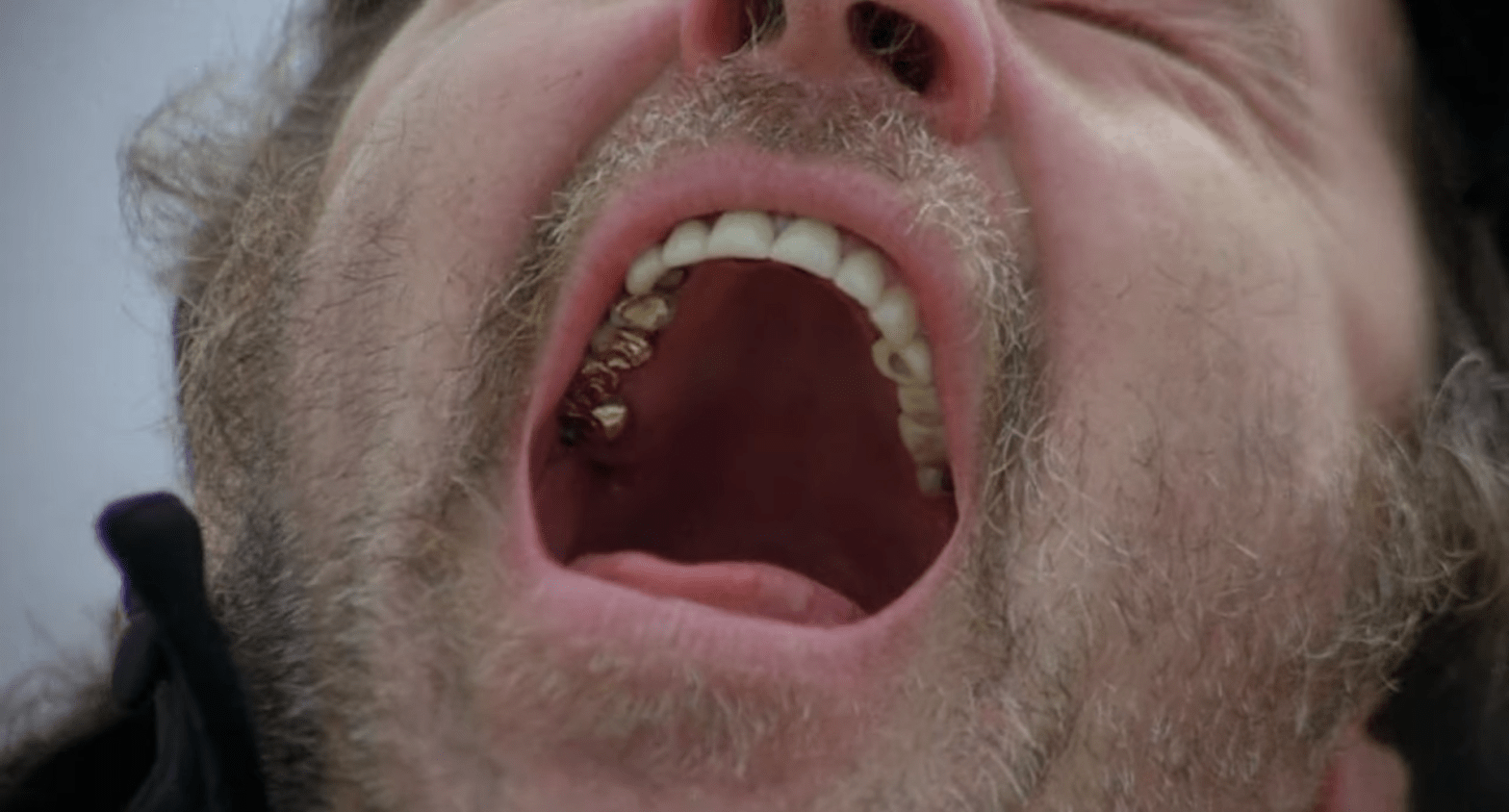
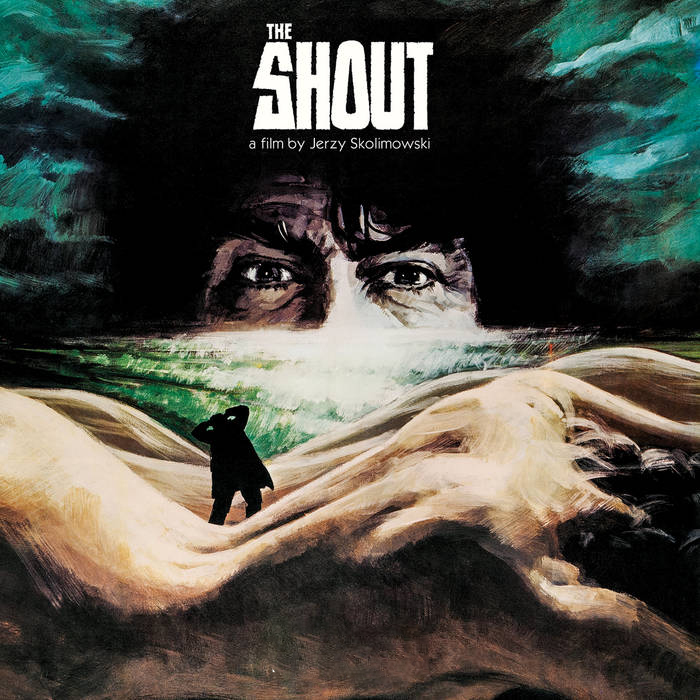
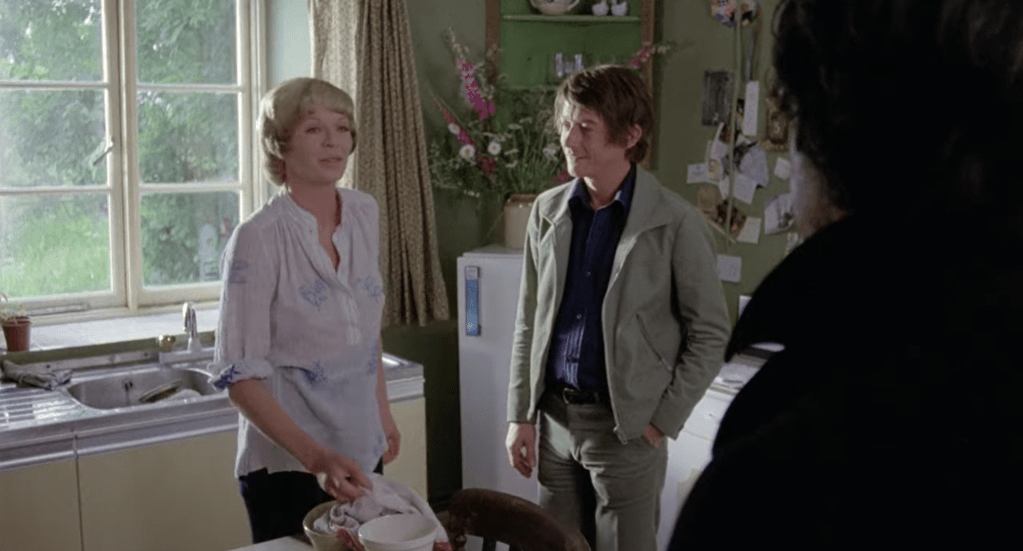
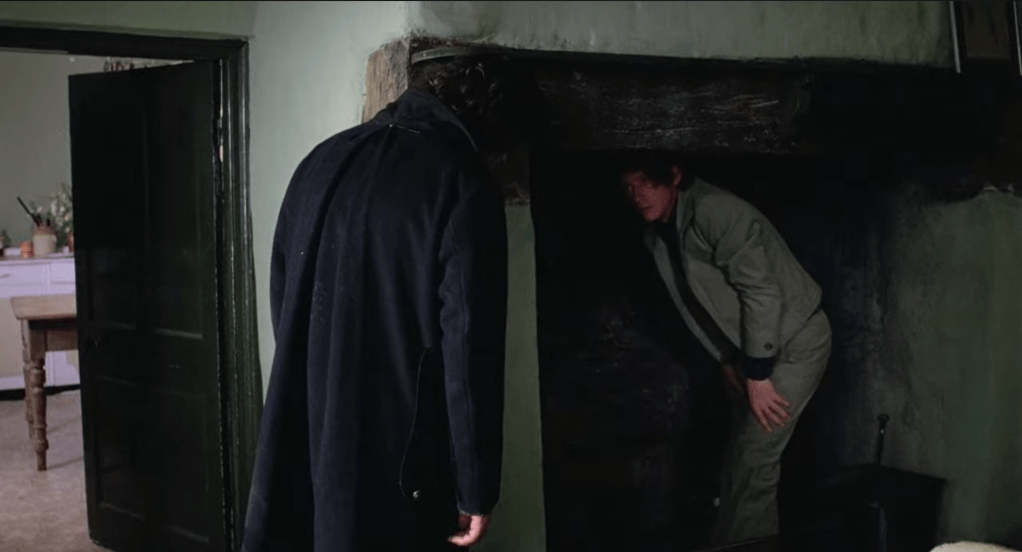
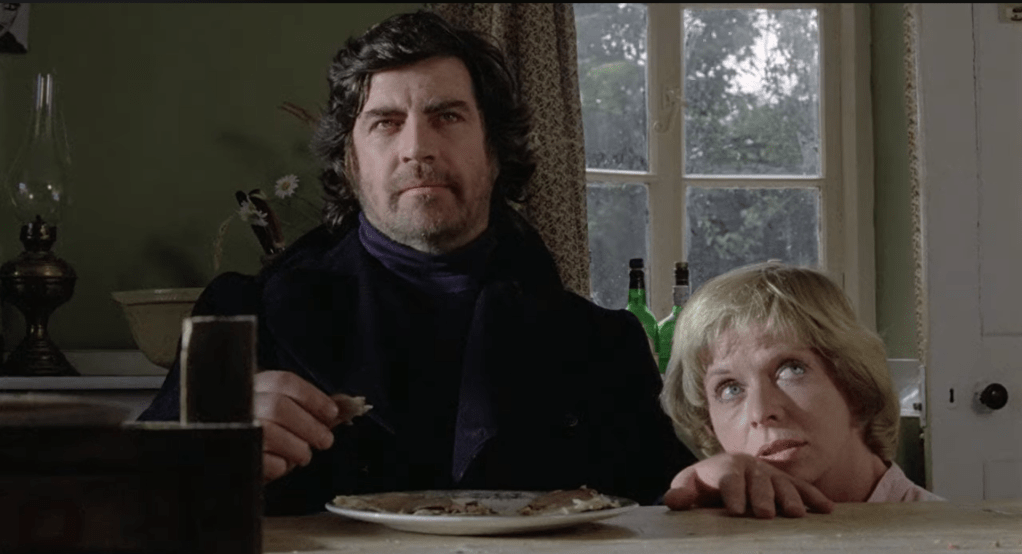
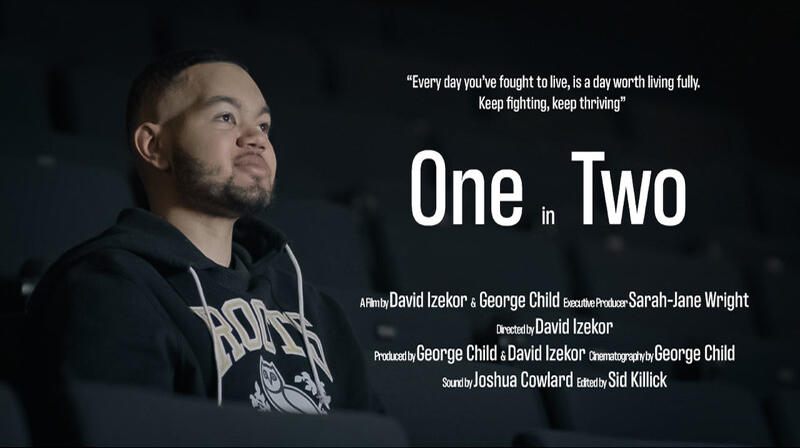


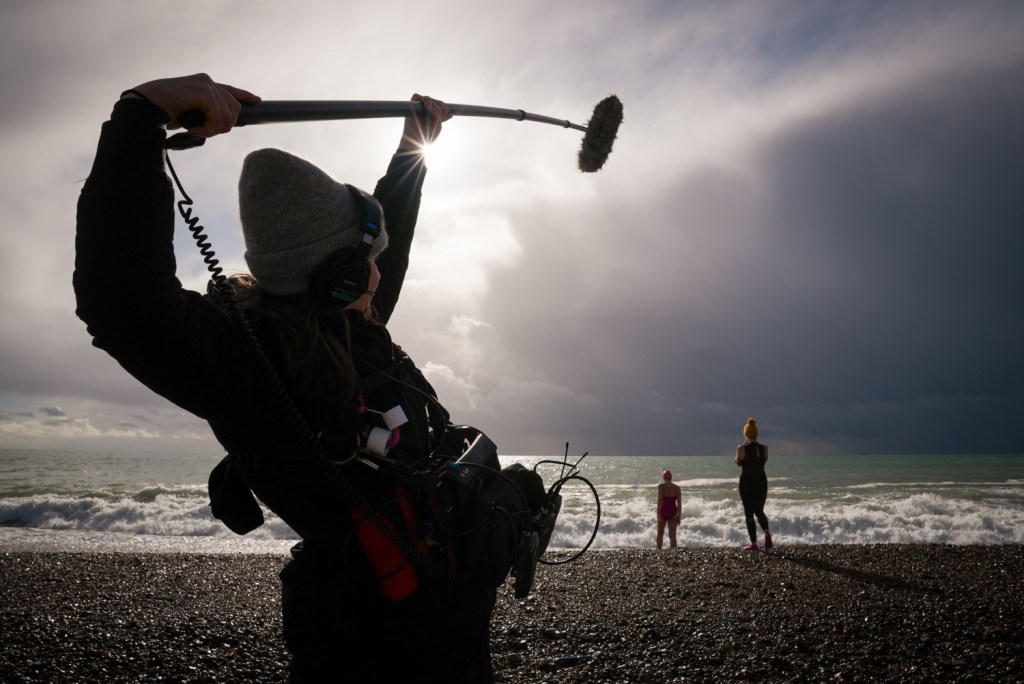
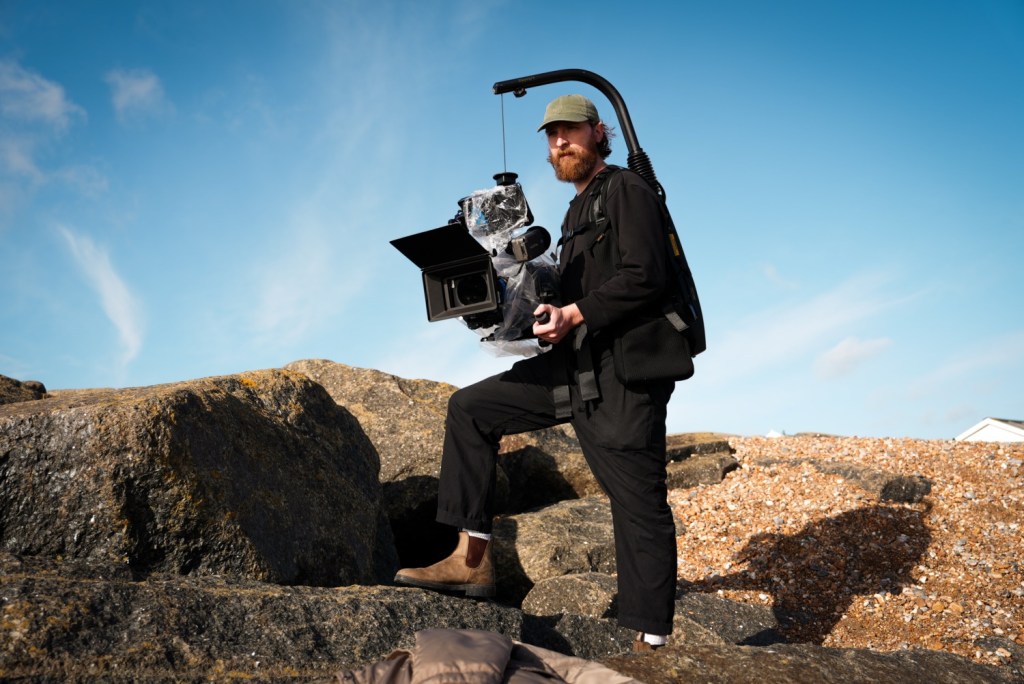
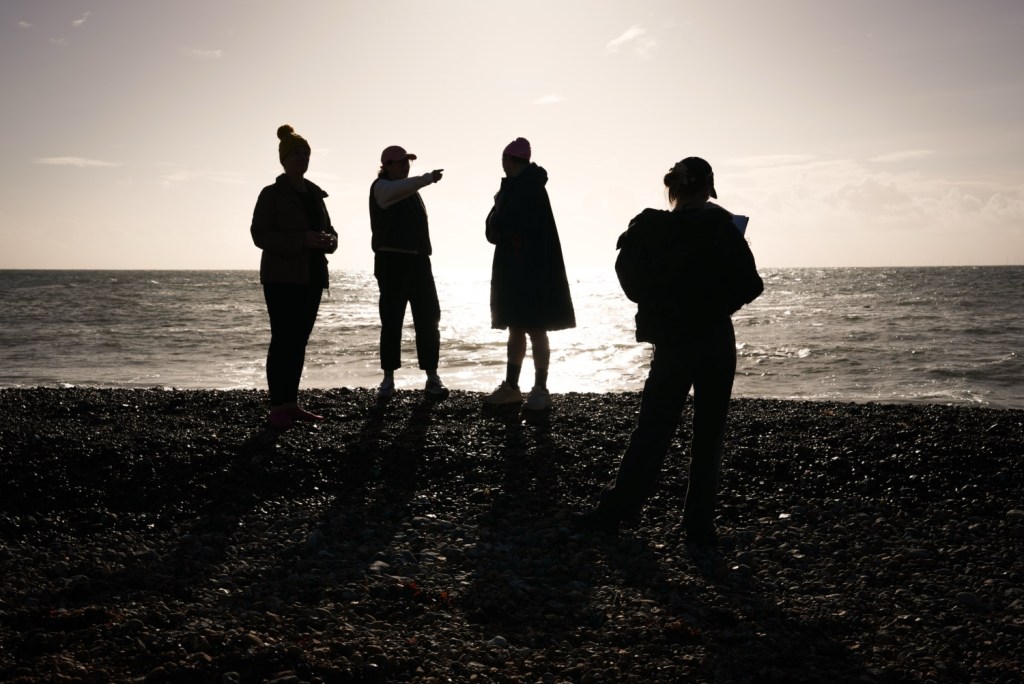
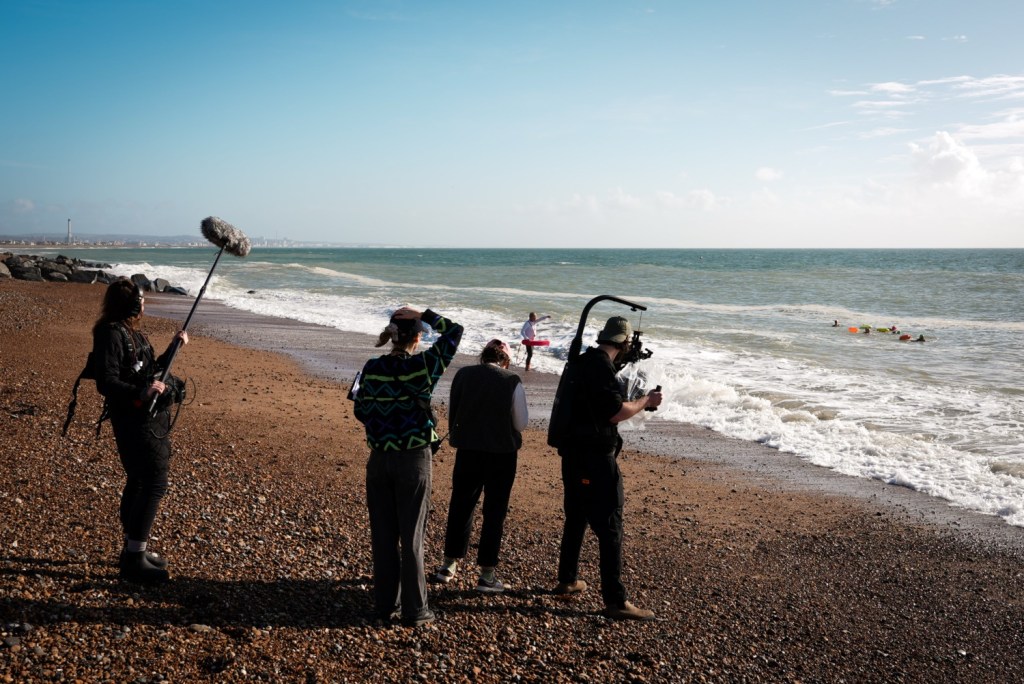
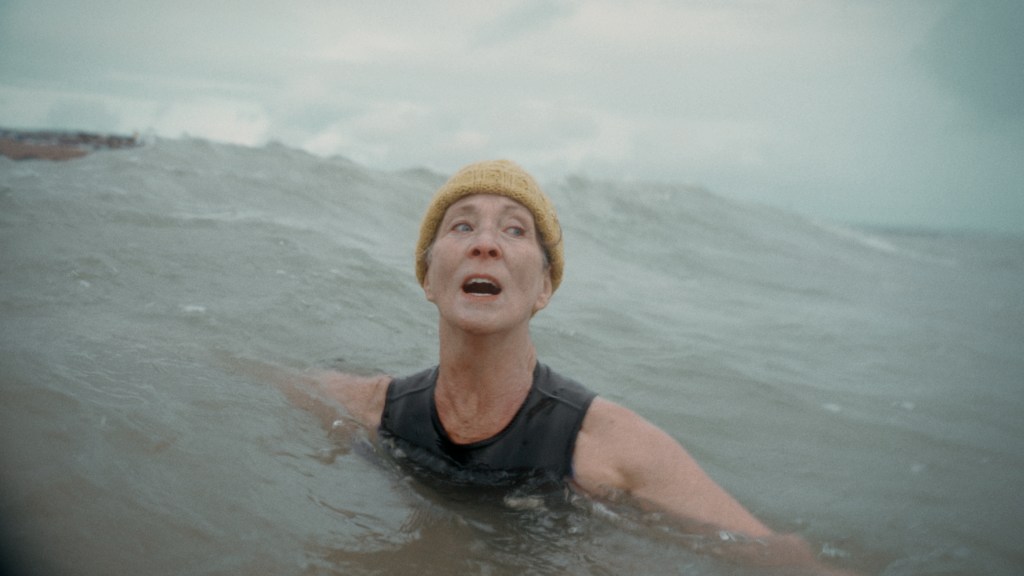
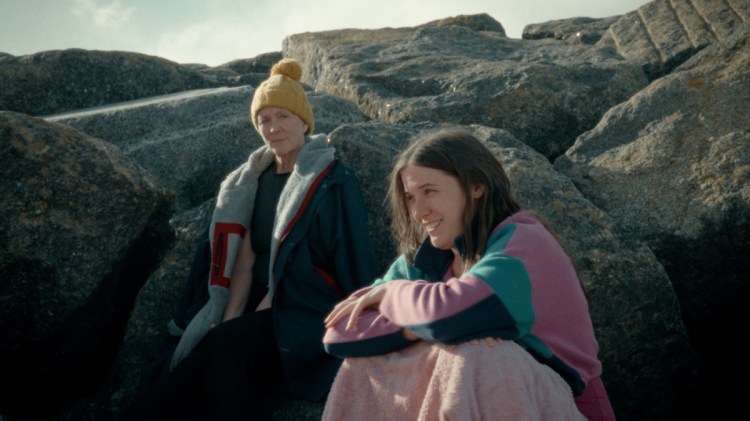


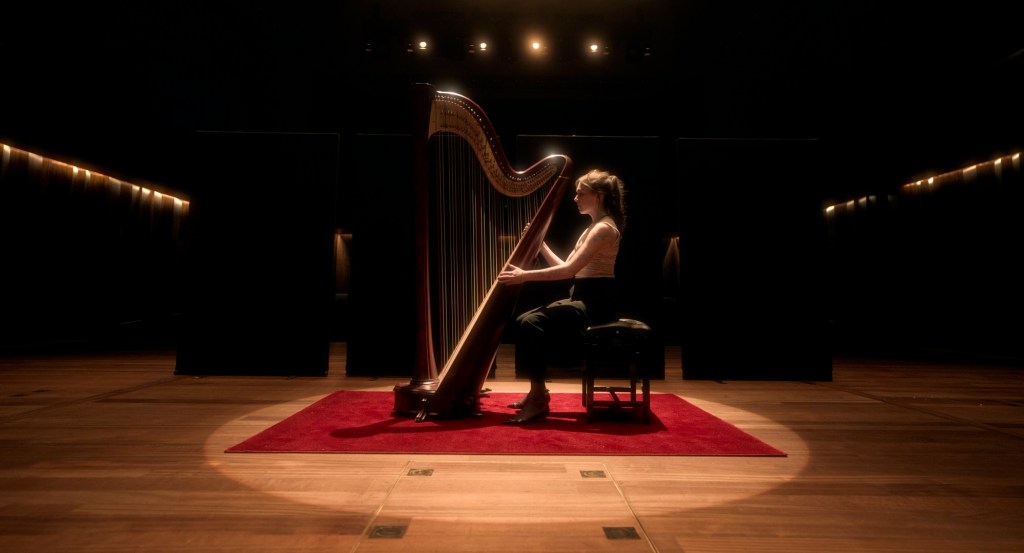


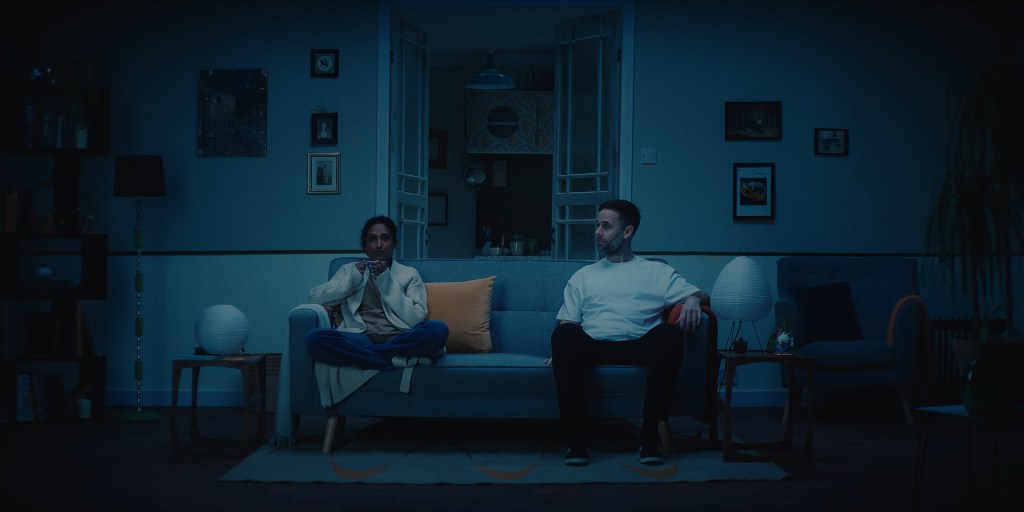

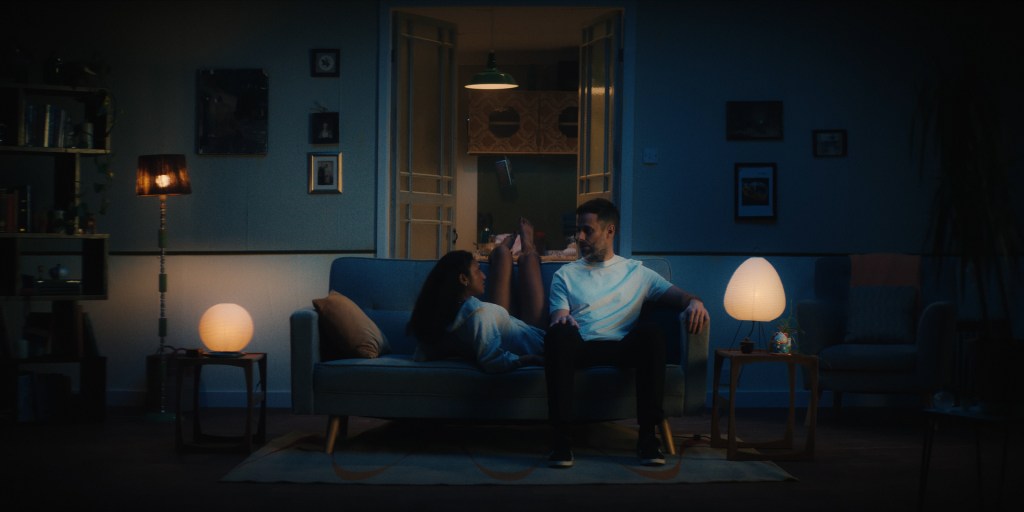


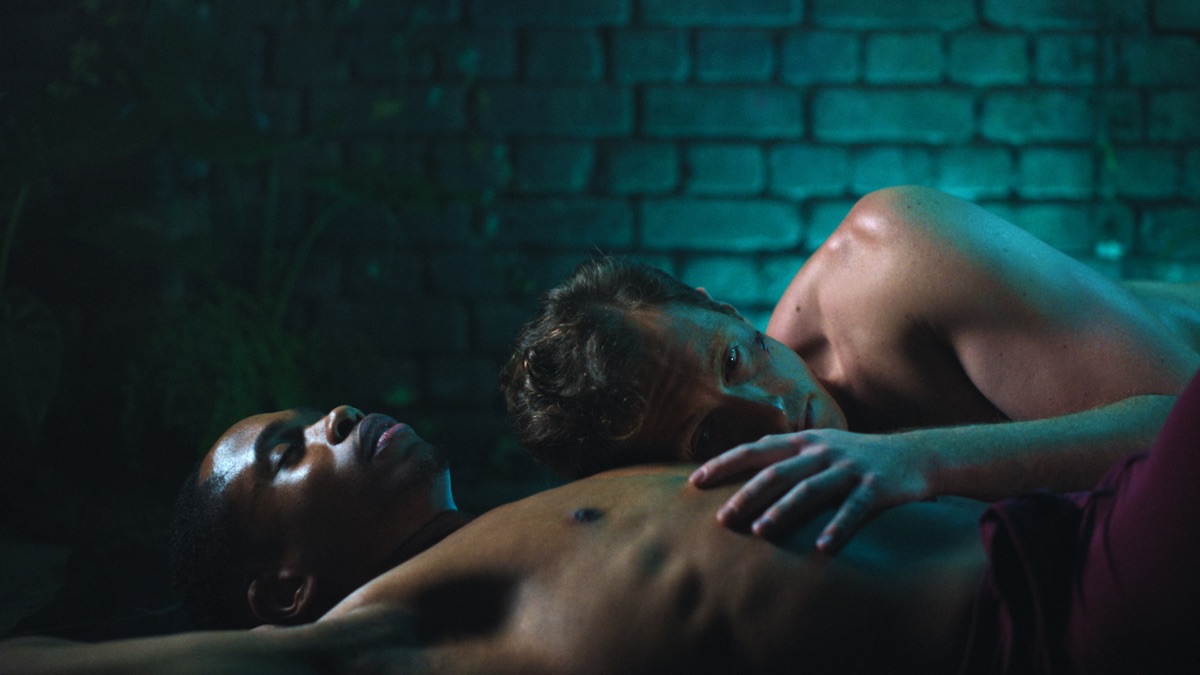
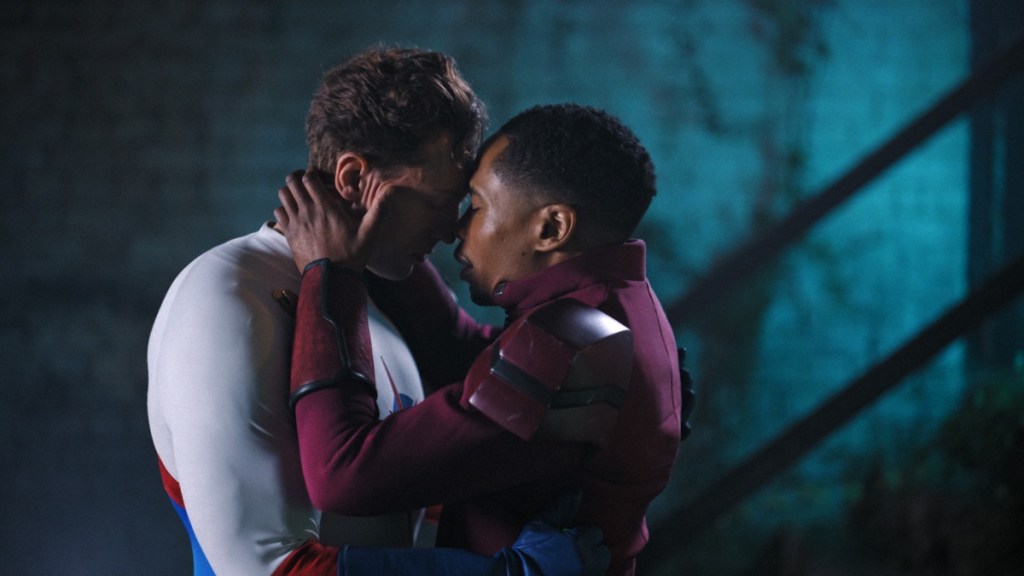


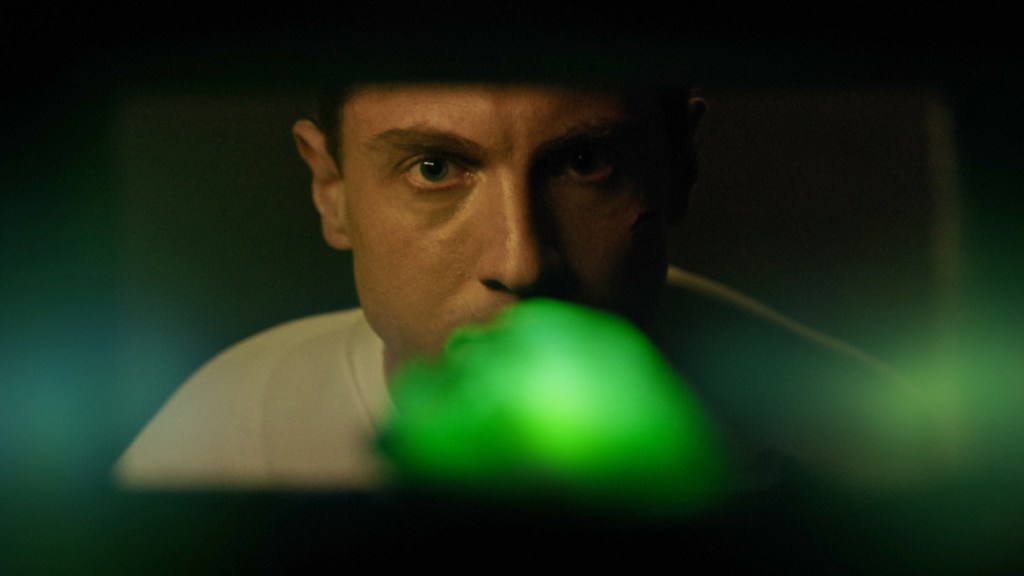


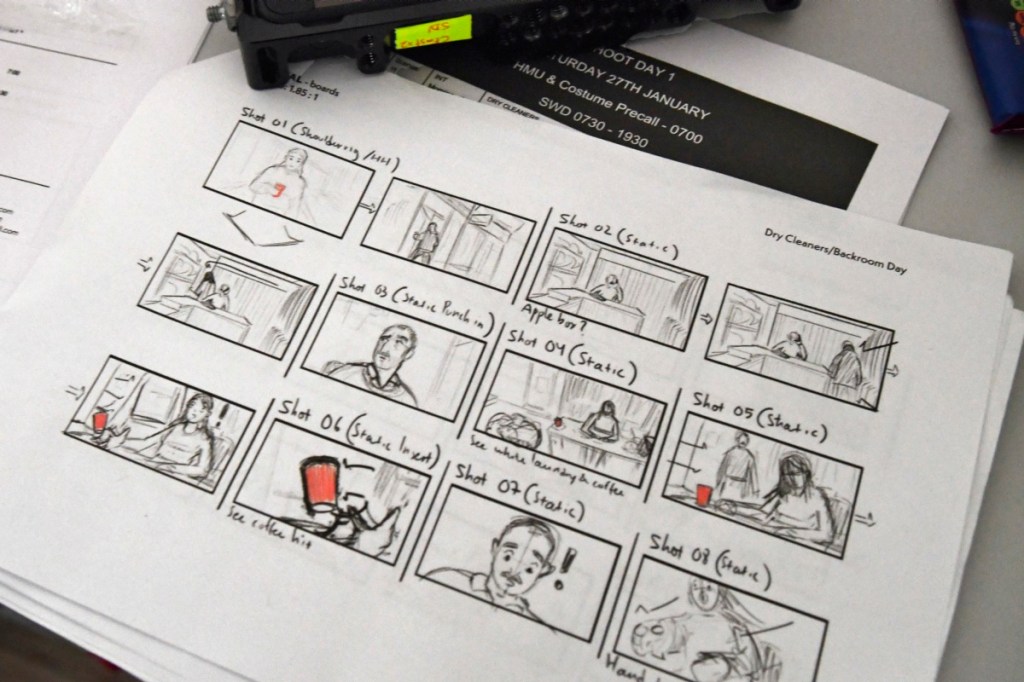
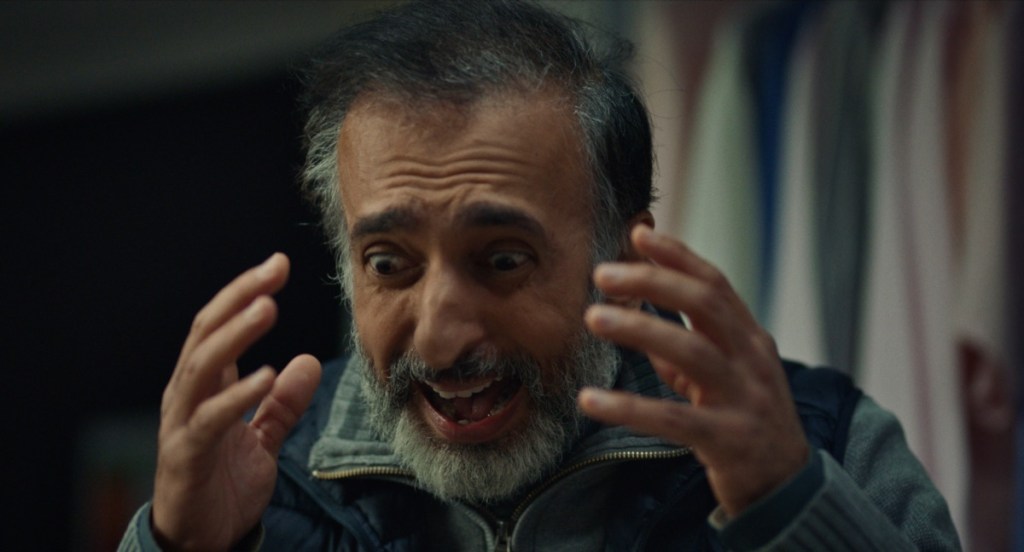

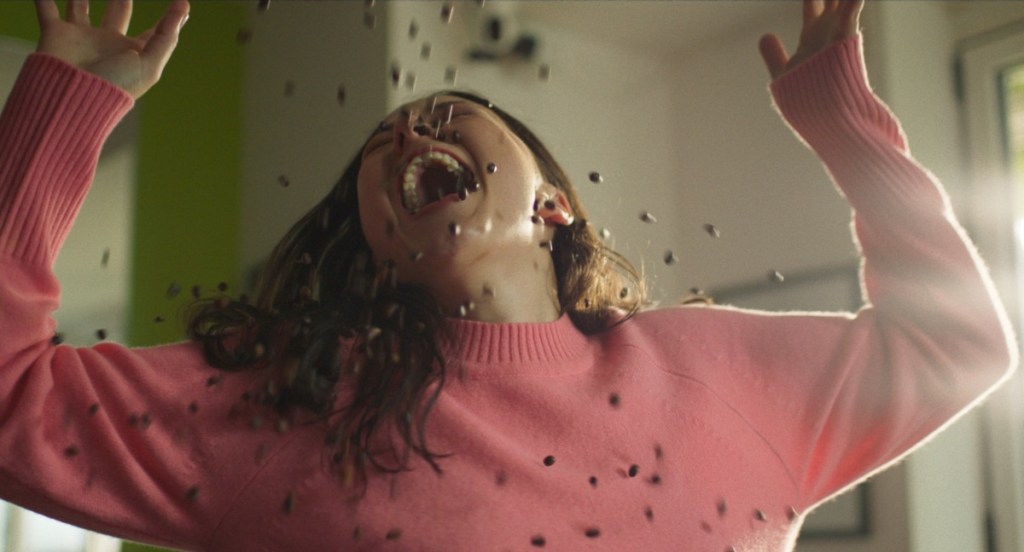

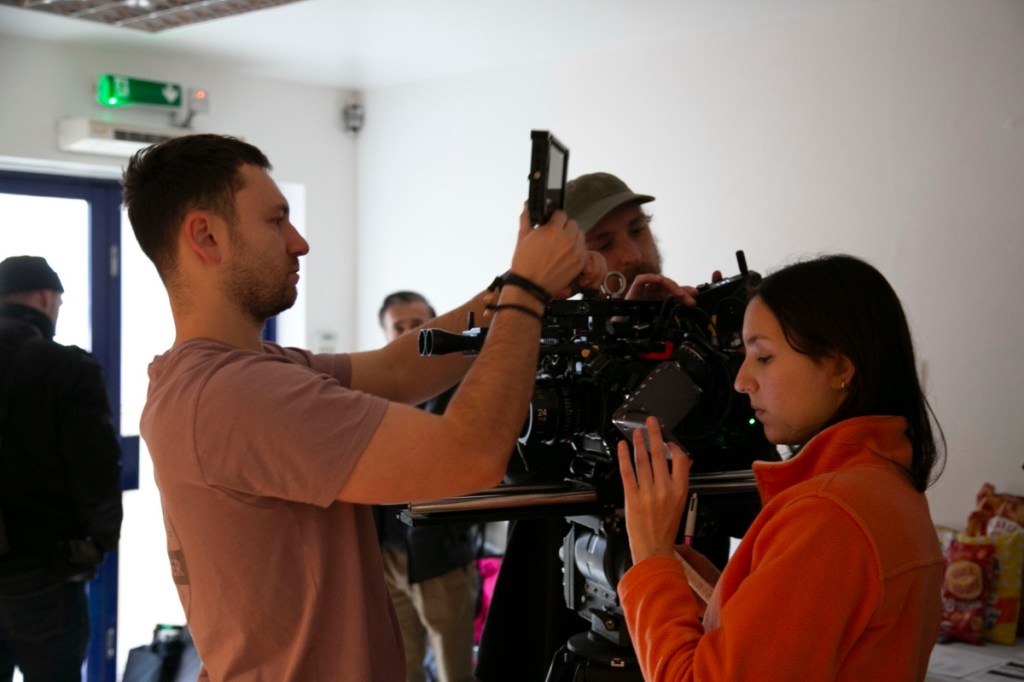
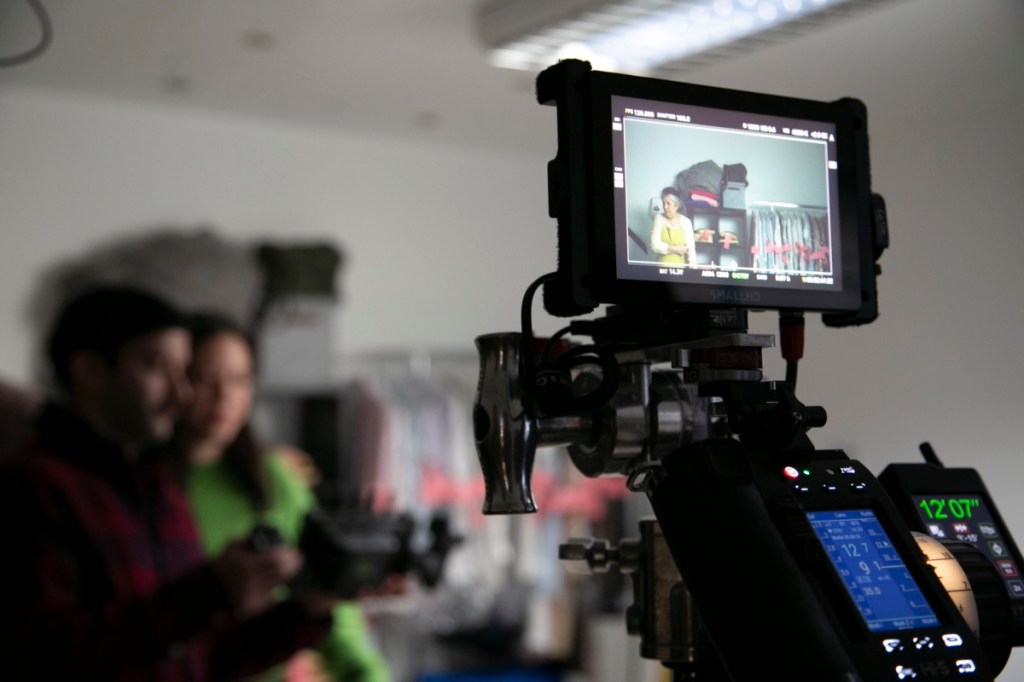
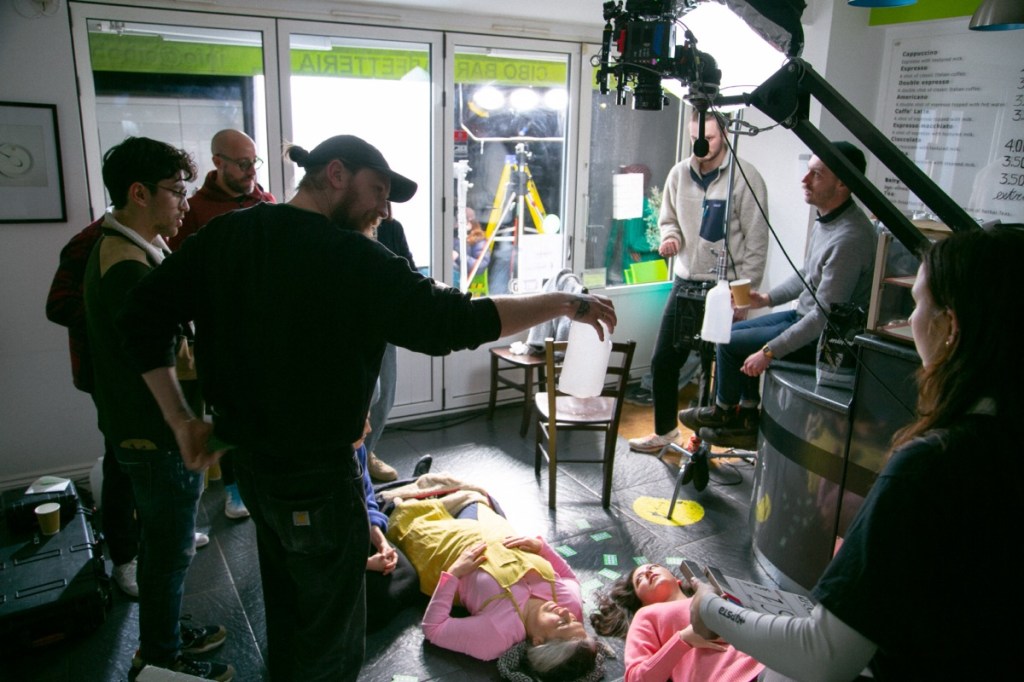


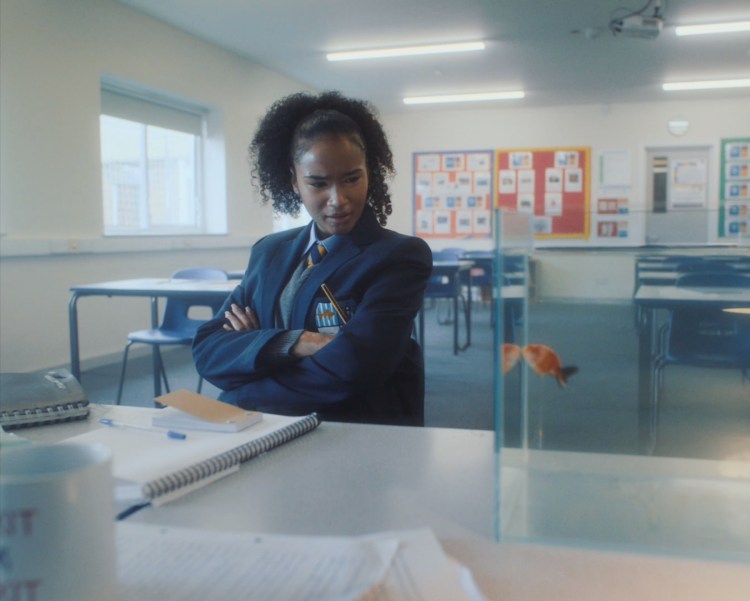
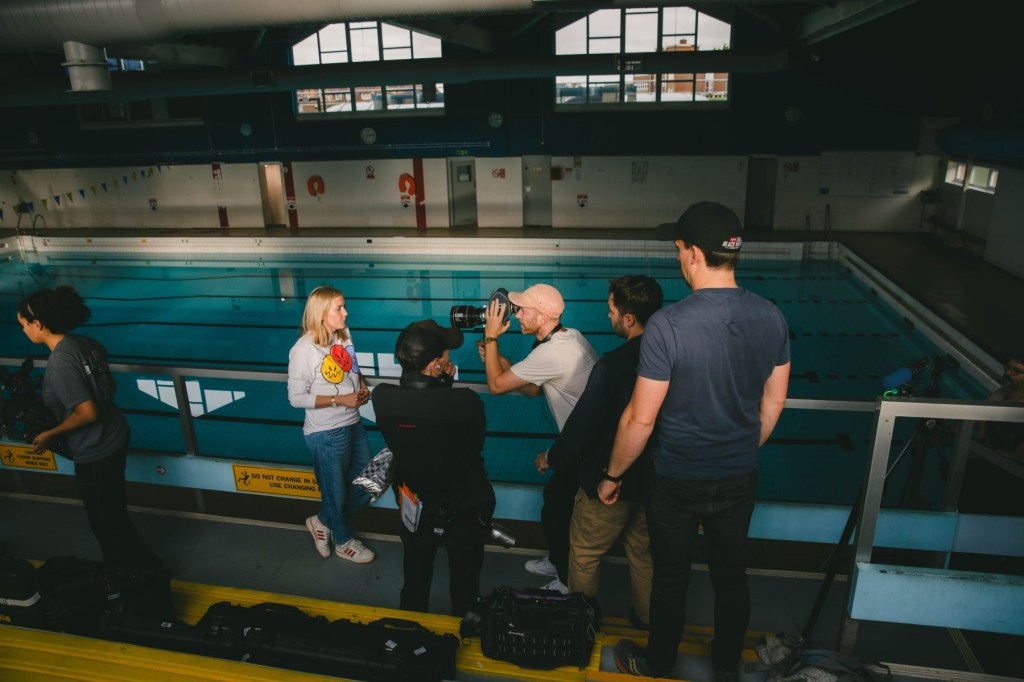
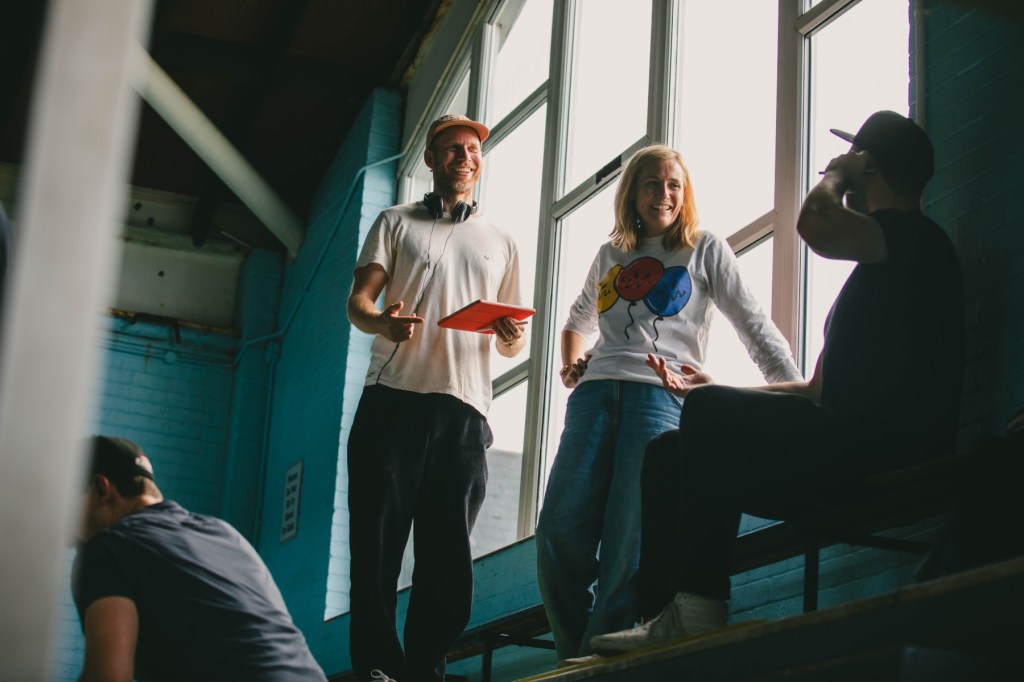
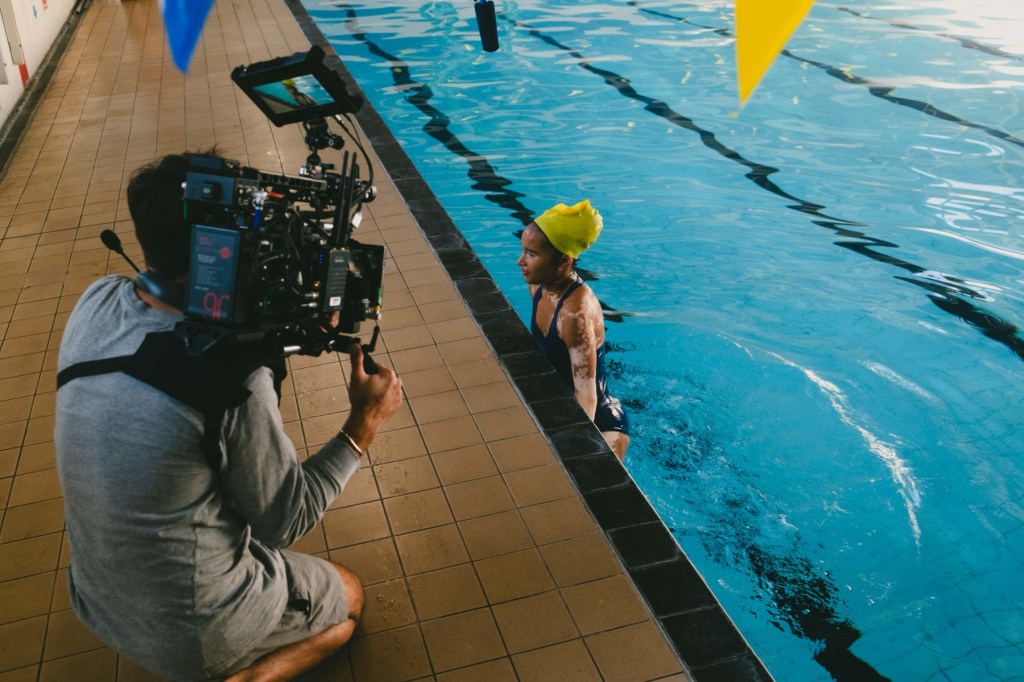
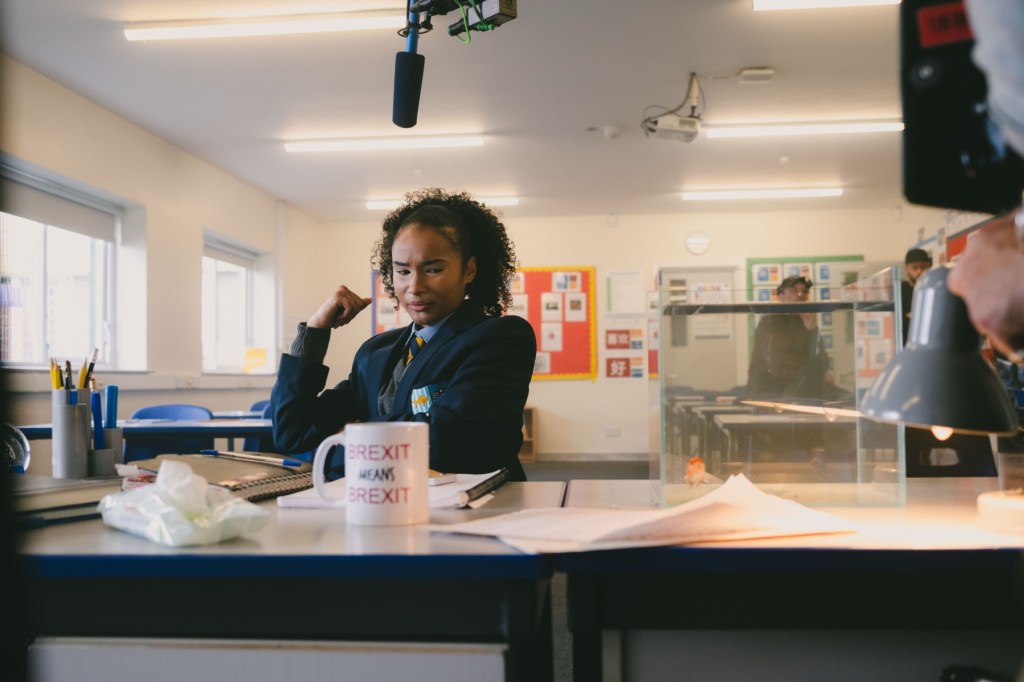

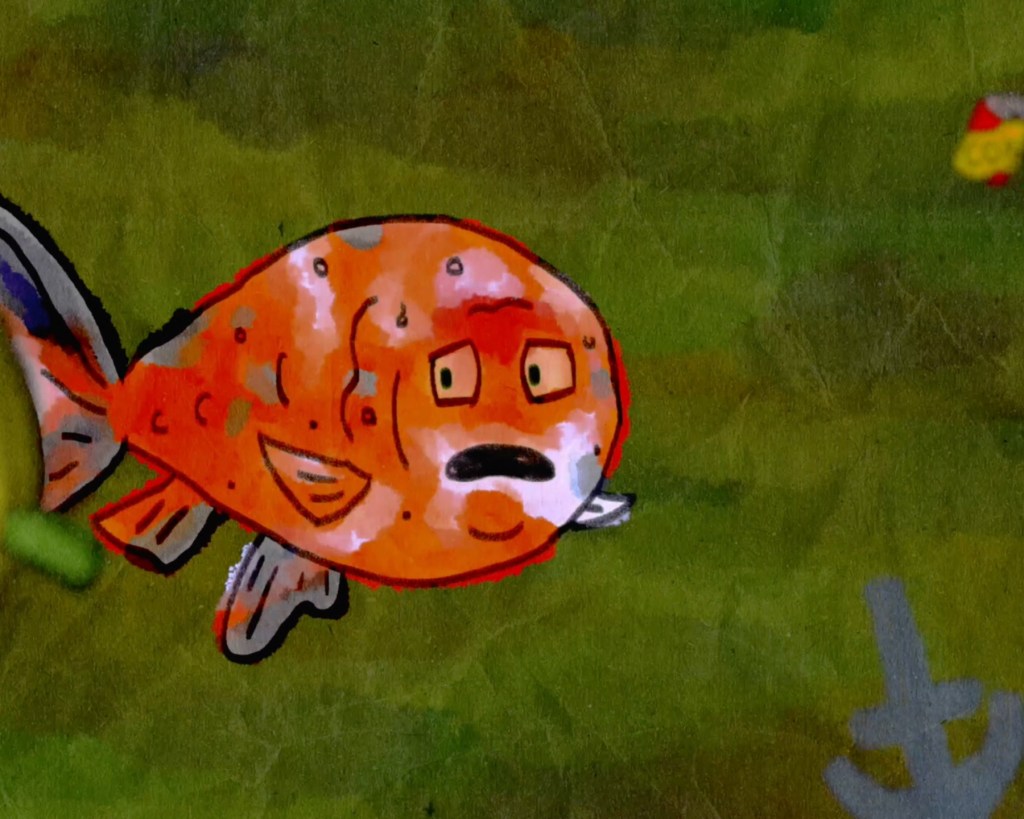

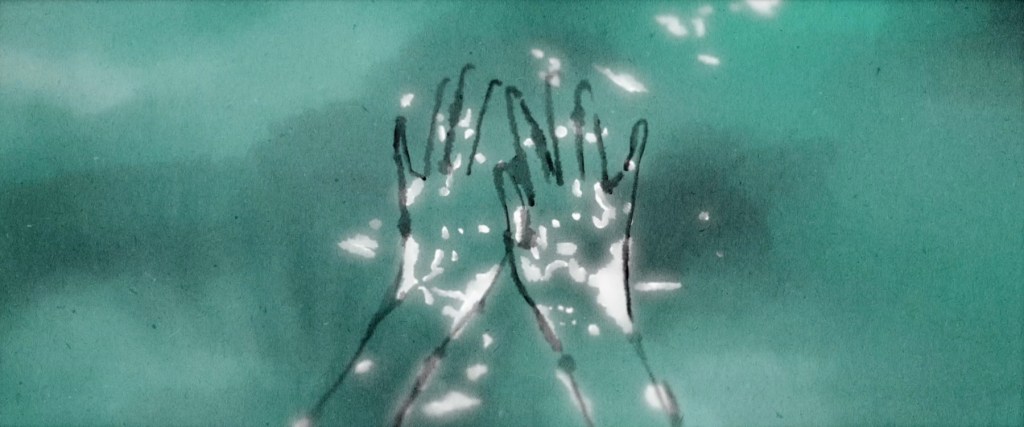




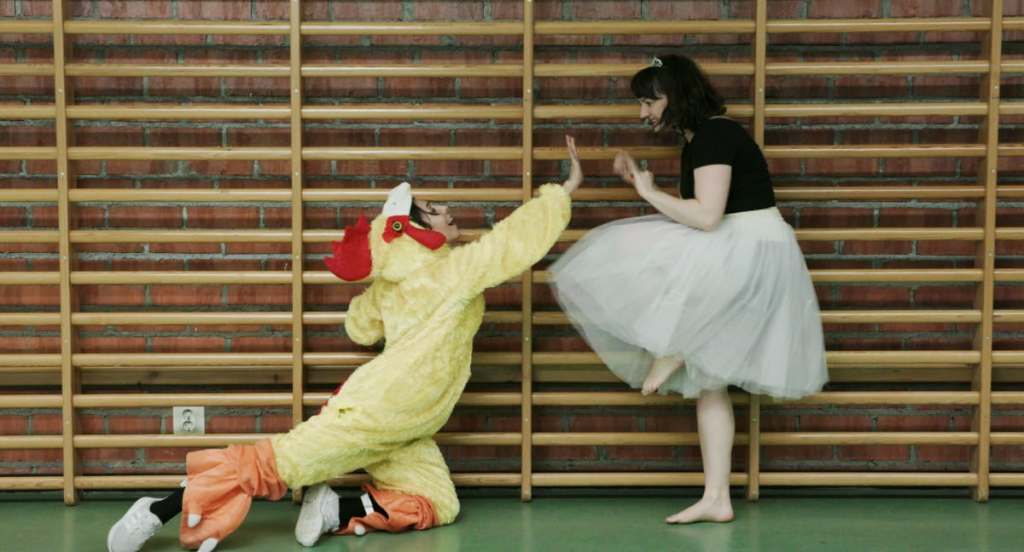

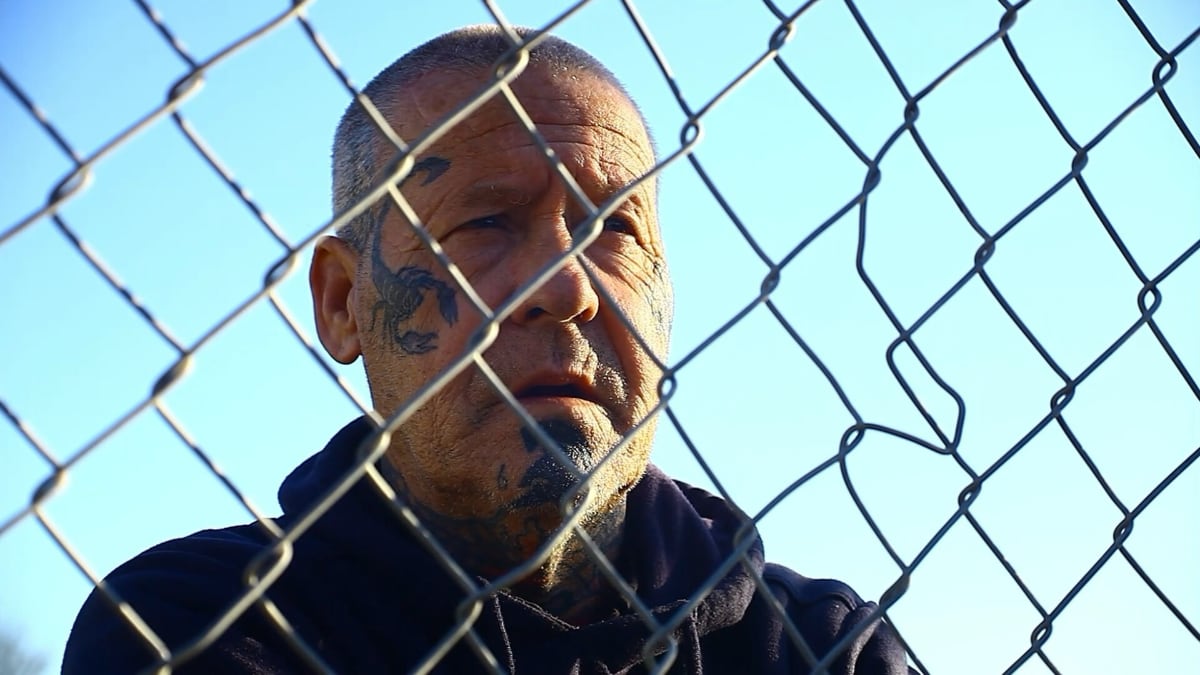


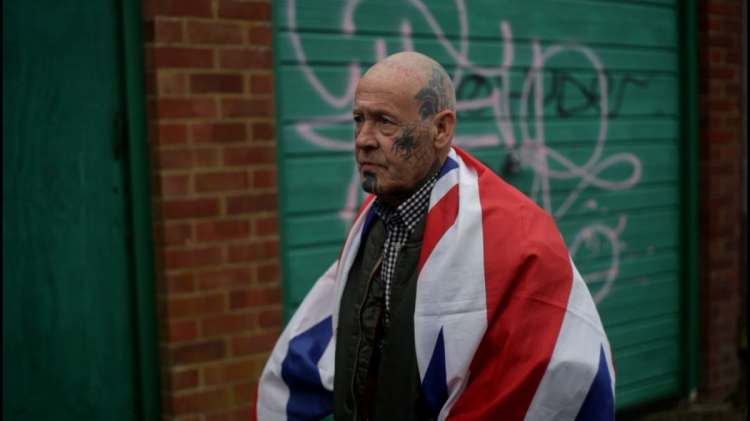

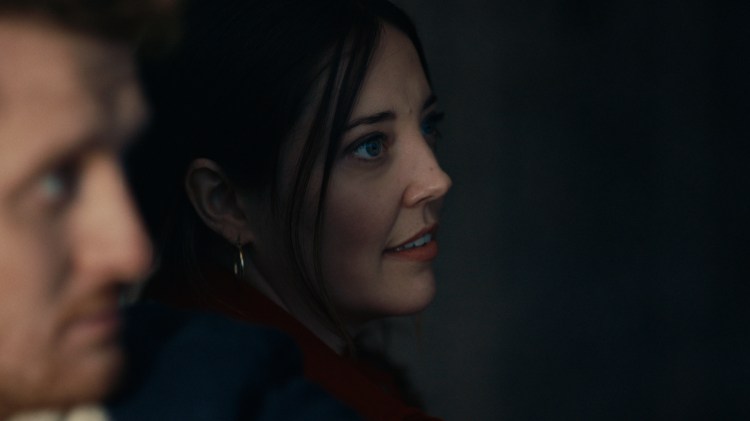
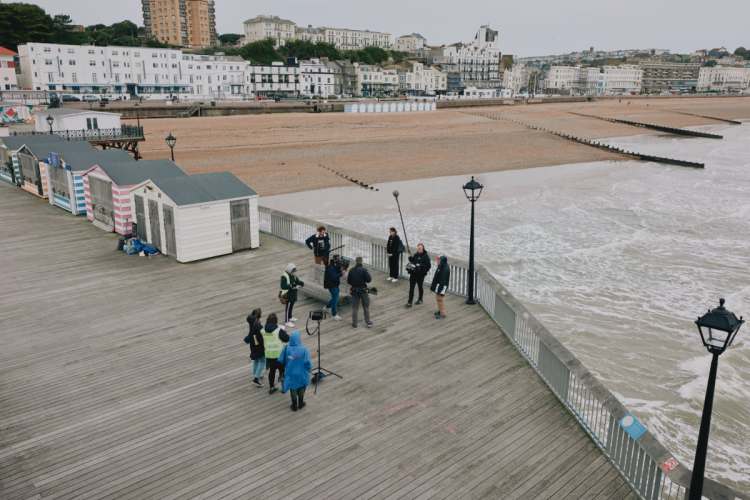

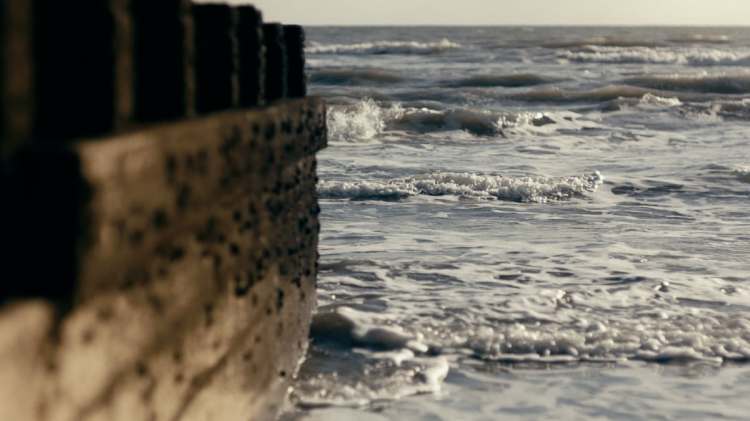
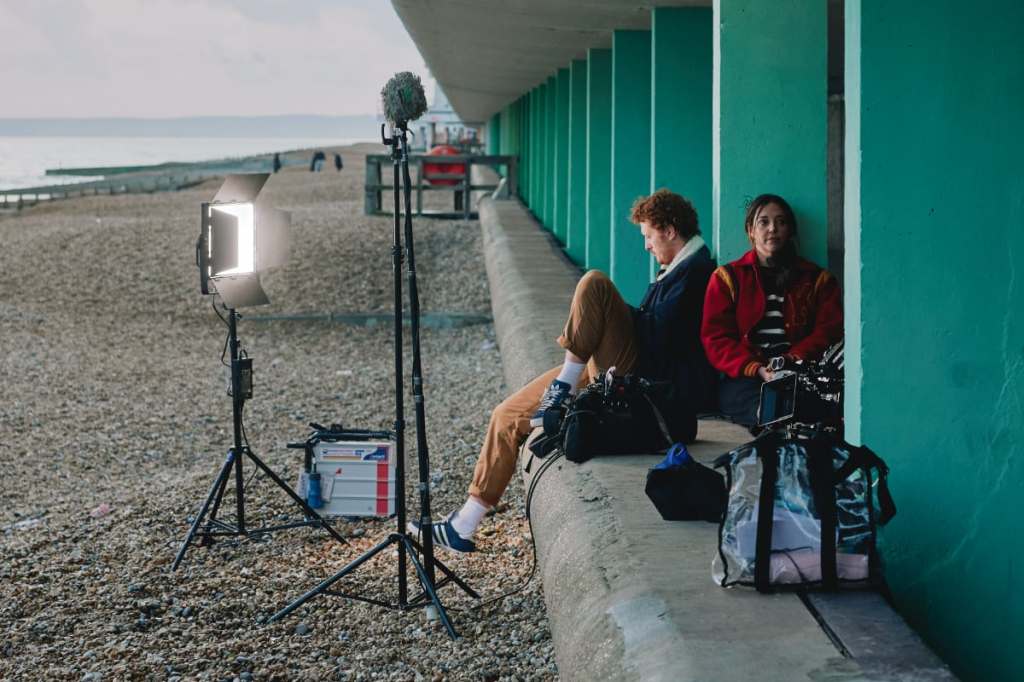

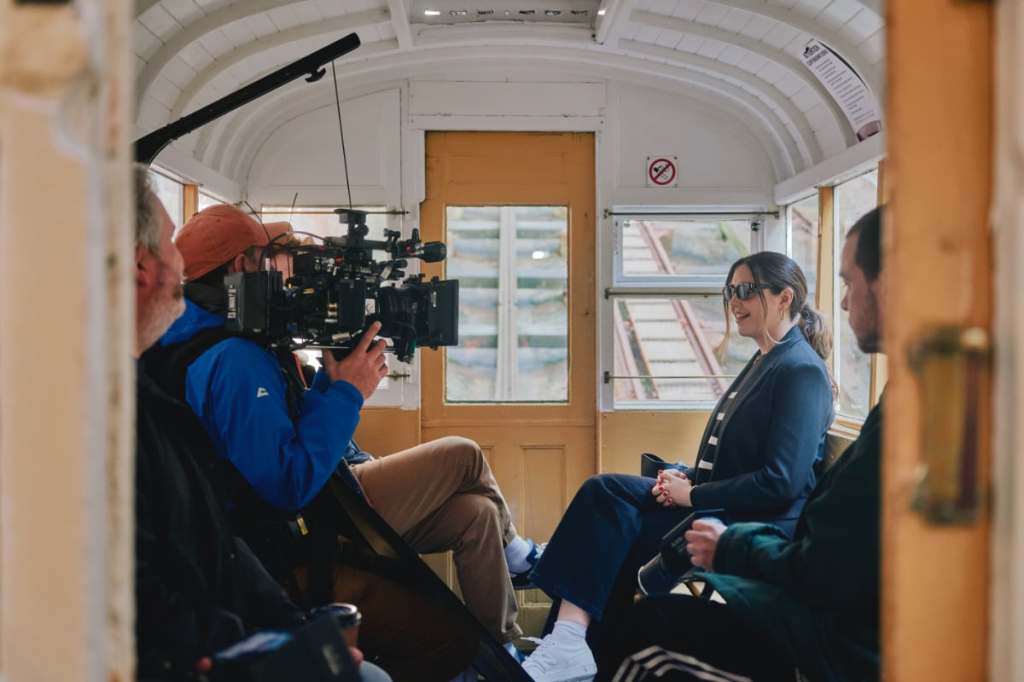

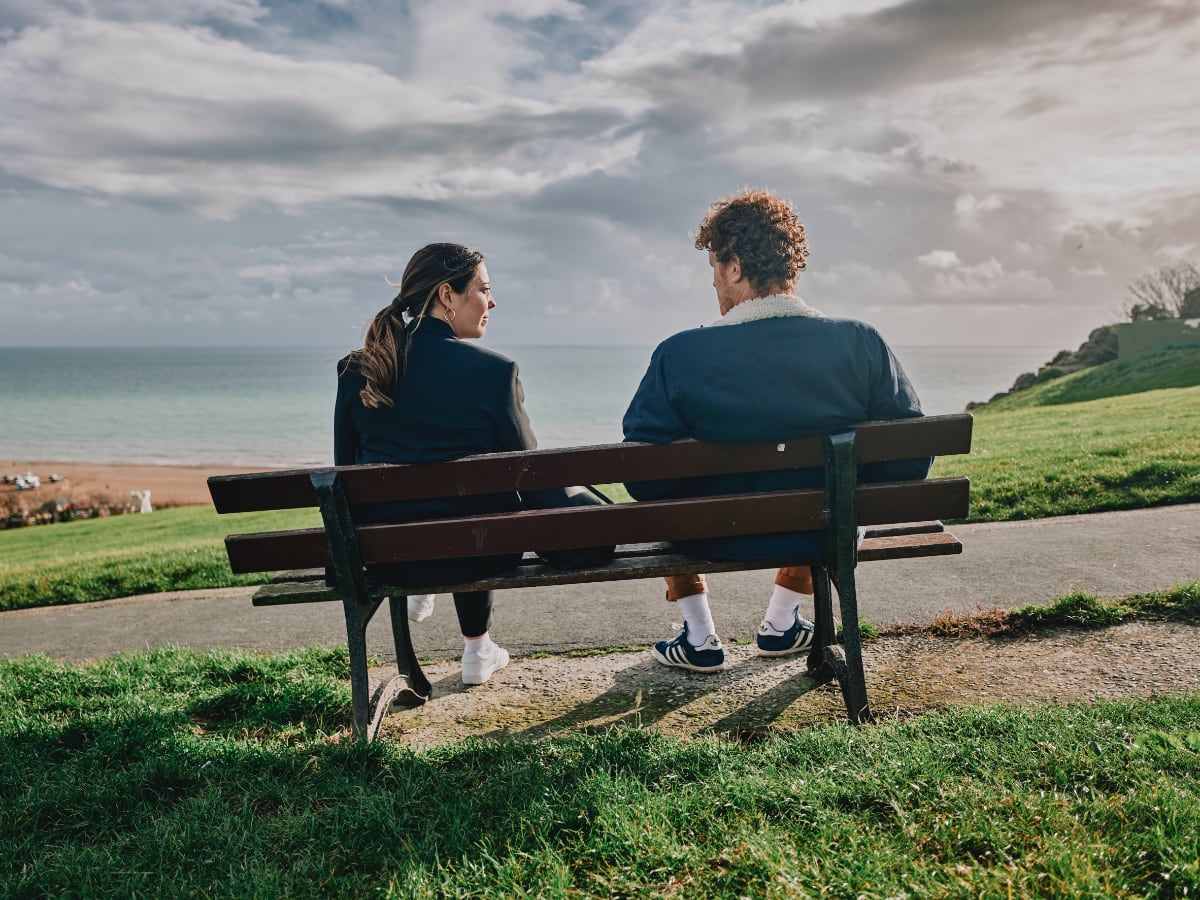

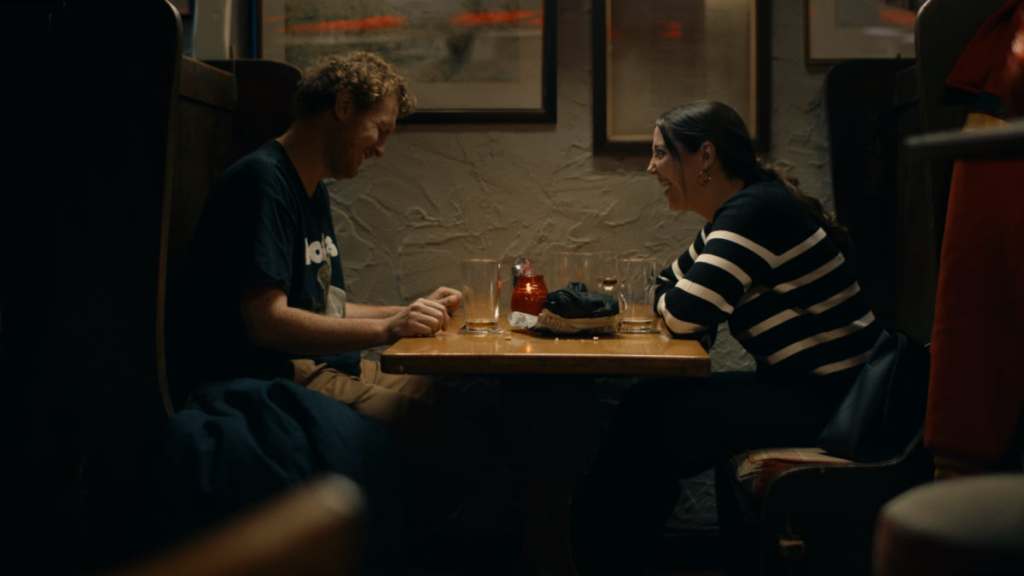

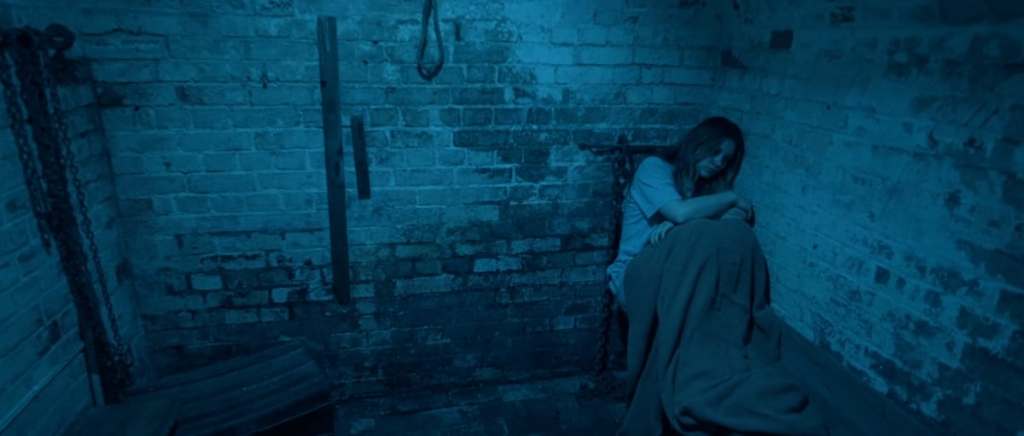
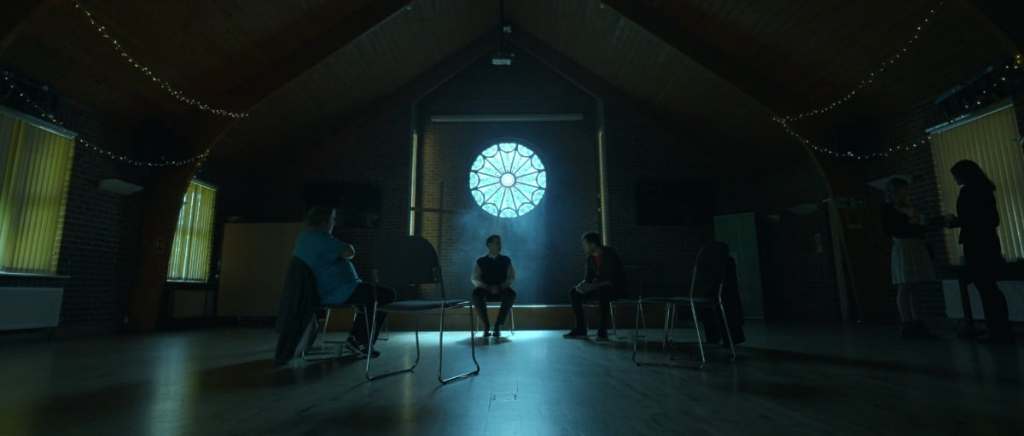

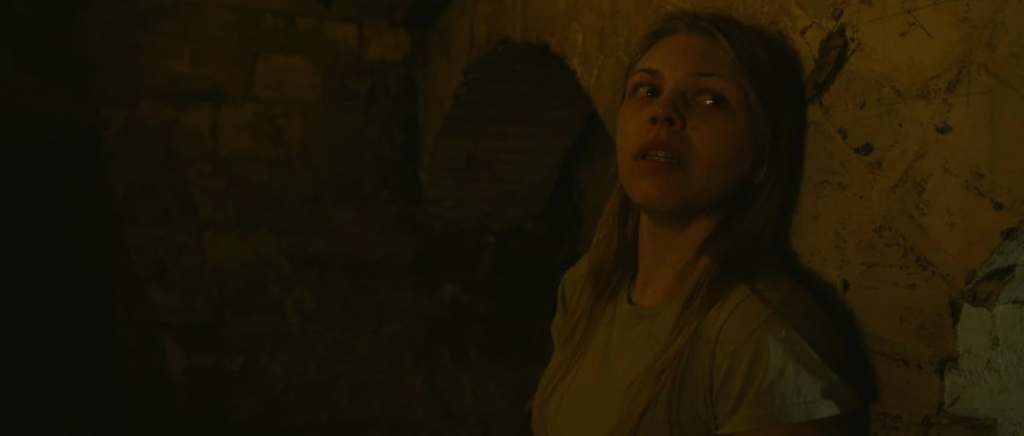
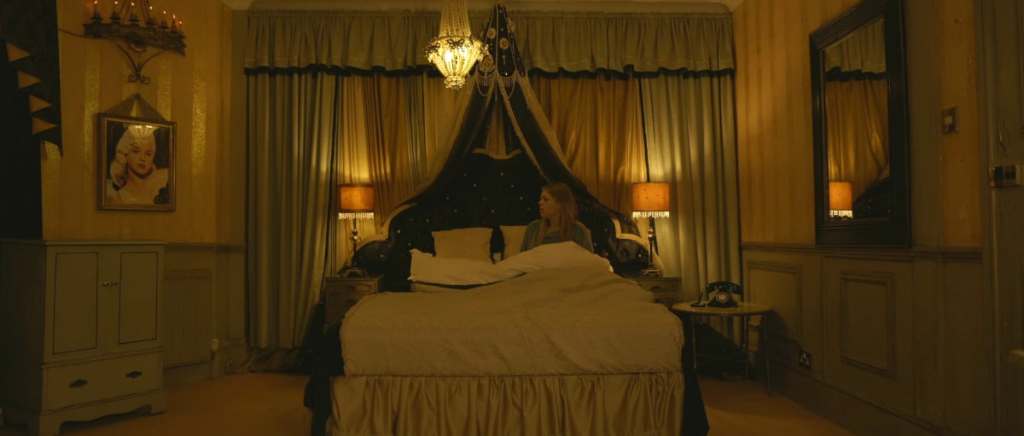

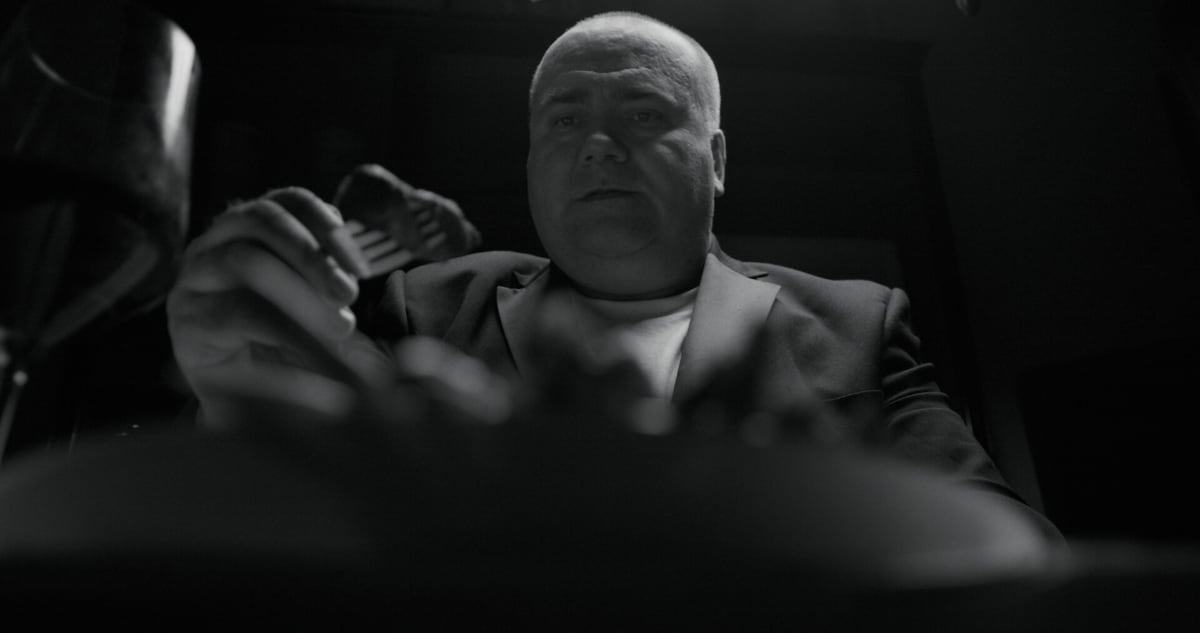
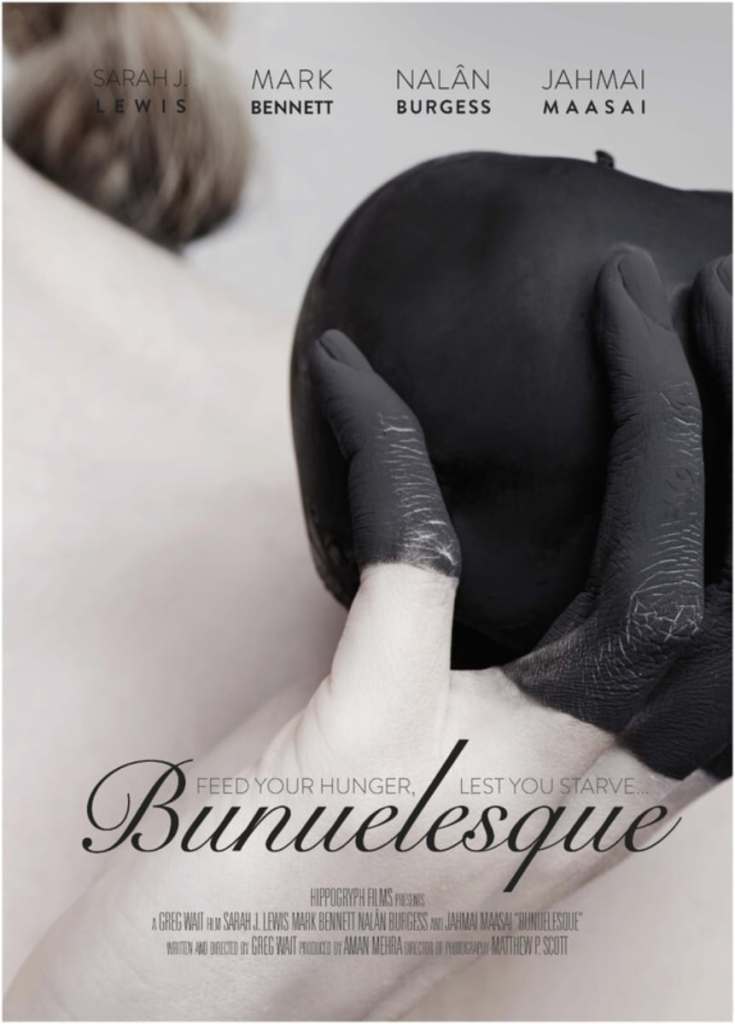


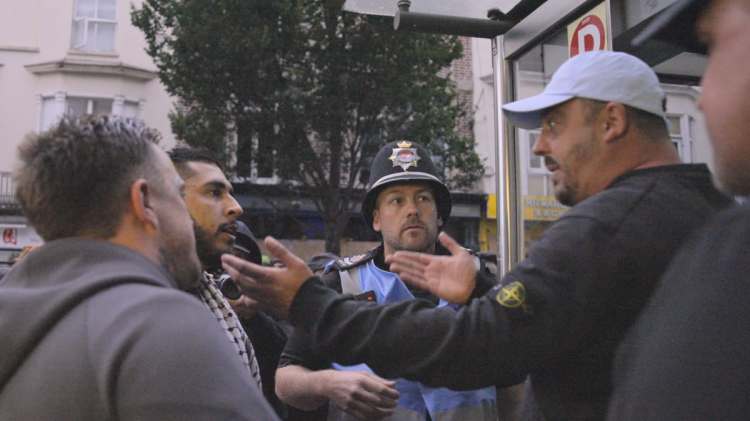


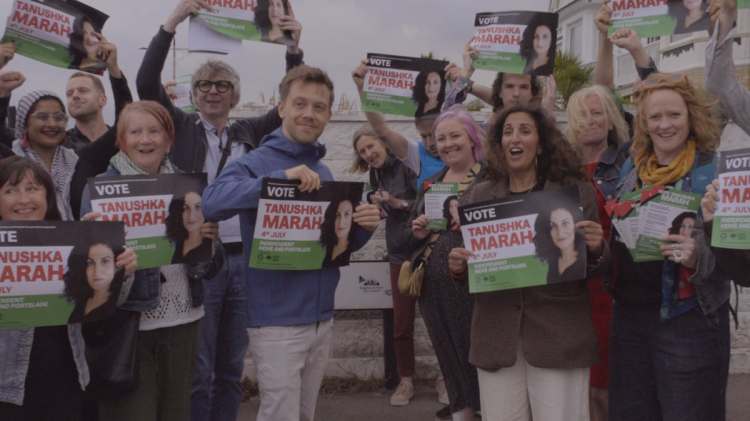

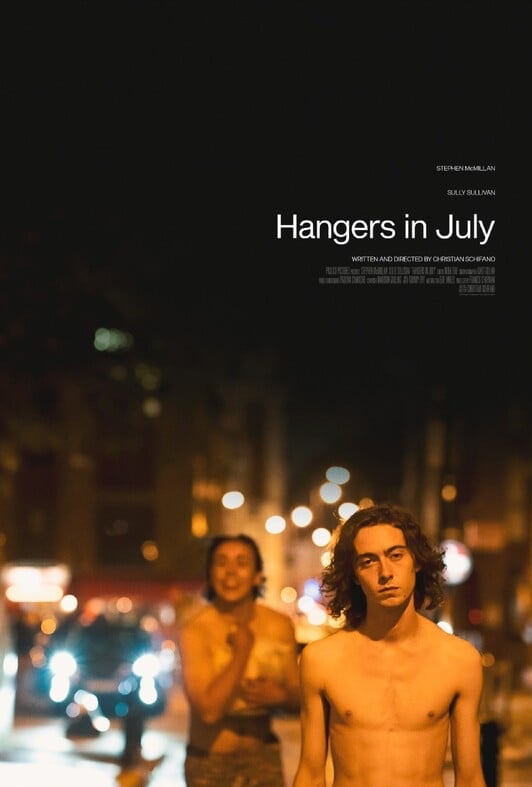

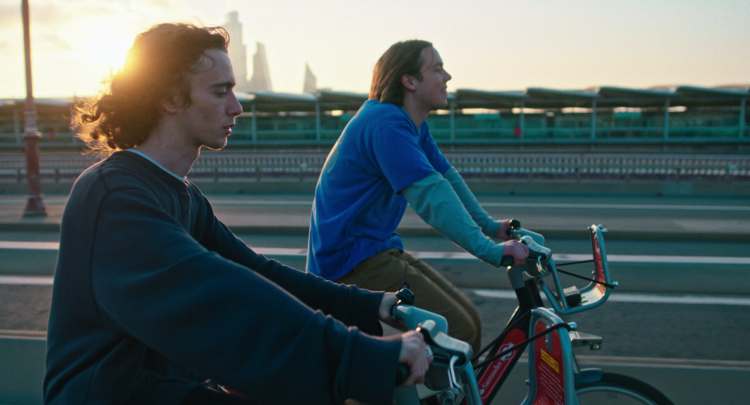
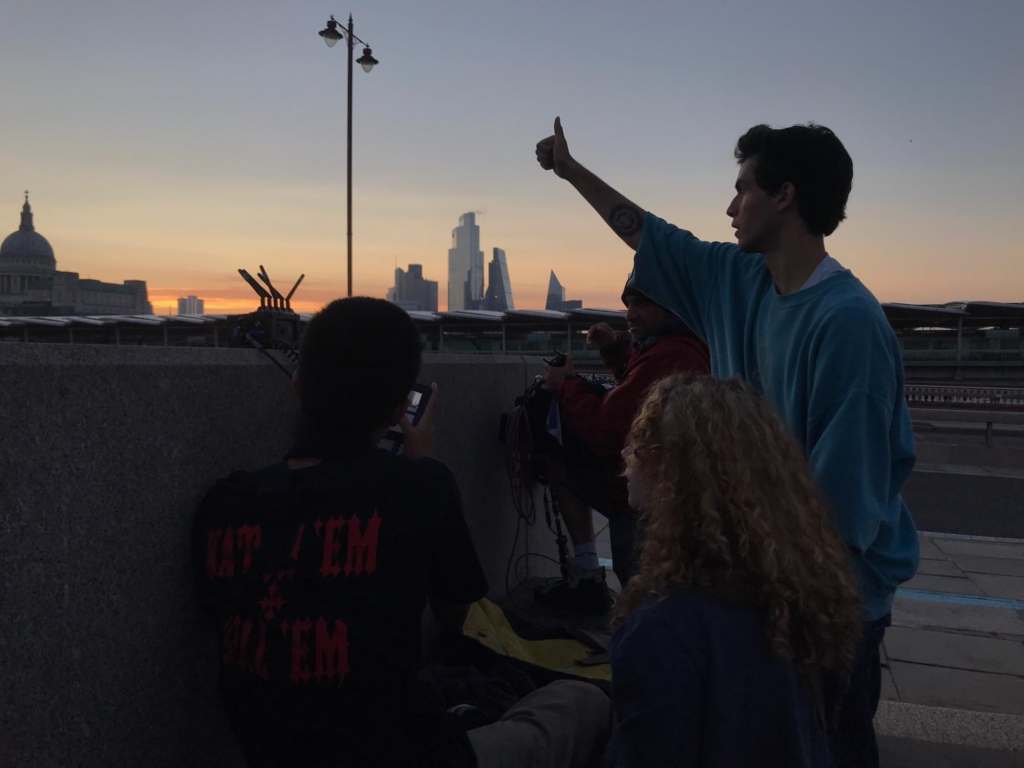

 Rocks Festivals Blog