Nora Aboushoushah’s short ‘Lucky You’re Mine’ is a heartbreaking and intimate look at the devastating effects of a mental health crisis on the lives of not only those directly suffering, but the loved ones who surround them. As we focus on one couple, we take a journey through suffering, acceptance, resilience and most of all, love. Set in Saudi Arabia, Nora delicately points audiences to the universality of her story through her relatable and touching narrative.
Screening as part of Hastings International Film Festival on Saturday the 13th of April at 2pm as part of our programme “Love is just a Four Letter Word.”
Just days after they get married, Salma has a manic episode. Ahmad is determined to help his wife get back to herself again but nothing he does seems to work. A modern Saudi marriage story.
‘Lucky You’re Mine’ wastes no time in propelling us to the heart of the melancholy narrative in the first few scenes as tragedy overtakes a young couple’s brand new union. Salma, played by Raghd Faisal, is so disturbed by the death of her mother she is so overtaken by grief and sorrow she struggles to find her way back to herself and her husband. Flashbacks of happier times when they were wed, accompanied by swathes of joyful music only serve to make the rest of the film more powerful as we see that our young couple’s exuberance of joy has been stripped from them in the ensuing narrative.
The writing in ‘Lucky You’re Mine’ deserves close attention. Every line holds its own and the back-and-forth snappy and humorous scenes, where Salma and her husband Ahmad, played by Hassan Quduss, are engaged in typical male versus female conversations with their peers at work, enhances the audience’s relationship with the couple. This strength in writing and understanding of the topic at hand is seen in a subsequent. Salma is struggling, her mania taking over as she rants about her days, work and upbringing in nonsensical order. We see the excruciating curtain drawing tighter as her illness clouds her judgement and ability to function as she did before.
The editing is highly effective throughout the film, especially evidenced in the scene of our young couple on the sofa. Days, weeks, perhaps months pass as Salma cannot be roused from her stupor as her loving and doting husband does everything he can to help her. We don’t know how long it has been but feel the stretch of time and the effect it has on everything.
The whole film is striking in its juxtaposition between the colour, shine and rich environment we see our couple in, and their tough interior battle. Their lovingly decorated house, the bright scenes at work and normalcy of everything around them only seem to make the focus on Salma’s suffering and her husband’s plight harder. Aboushoushah was inspired to tell this story after seeing a friend’s marriage go through a similar hardship and the story is told with the care and attention it deserves.
Like it or not, society is bound by norms of conduct that act as a guidance for acceptable behaviour. But what happens when the rules and restrictions which are supposed to put order in our lives actually do the opposite and cause mayhem? Writer and director Stelios Kouk, upon hearing an absurd story about the application of such rules, was inspired to bring to life a short film which sticks a proverbial middle finger at the nonsensical extremities that we sometimes find ourselves facing. By playing around and exaggerating his two main characters and finding the most perfect setting, Kouk has created a delightfully snappy and entertaining story which perfectly encapsulates the madness that is modern life. ‘Smoking in Public’ ends with a delightful twist which we would not want to ruin. Instead, we found out all about the making of his film and the perfectly balanced comedic juxtaposition of the two protagonists within.
A calm middle-aged executive, enjoys a cigarette outside of his office building when he’s approached by a young hipster. Things get rather interesting when the police get involved.
This tale is so absurd it has to be true.
‘Smoking in Public’ is based on a true story. While catching up with a friend after a screening at the BFI film festival, he told me about being approached by a young man while he was having a smoke and then…I guess people will have to watch the film to find out what happened! It was such an unpredictable story but at the same time it resonated with me, revealing all the madness of the world around us right now. I immediately knew that there was a good comedy there and I had to bring it to the screen.
After being told this absurd, yet unfortunately very believable story, how did you move into the writing and development of the script?
As an artist, I am always on the lookout for good stories, it just happens naturally. When I get moved by something, when I keep thinking of it, I know it has potential. I also read a lot, take photos and screenshots, save things on my phone or on my computer and listen to people narrating anecdotes from their lives over a beer or a glass of wine. There are specific themes that interest me more than others, which are important to me. In this case, this real story was just too good to let it go. So after my friend told me about it, I immediately clicked with it, I told him “That’s brilliant, I’ll make this into a short”. I went away and scribbled down the story without any dialogue. We never spoke about it again, I got what I needed. Then I started creating the dialogue beats from scratch. Revisiting my first draft now, I was surprised that no dialogue lines have been changed, all of them are in the completed film.
Can you talk about the comedic beats and how you offset our dour old-school protagonist against the newer generation?
I wanted to keep the whole situation very balanced. In life, it is very easy and comforting to choose sides and predetermine who is right and who is wrong. But what if they are both right in what they are saying?
When I say that the original story had so much potential, I mean I could take many creative liberties to make it funnier and deeper. In the real story the older protagonist is by no means so different to the younger guy, he is actually a fintech film buff. But I knew that I could play around the age difference. So making him a white-collar executive in a suit immediately creates a big gap between them, which is also very visual, you look at them in the frame and they could not be more different. But at the same time, appearances are deceiving. Based on prior experience, our mind immediately imposes a certain version of our beliefs on people based on how they look. So I wanted to go against the stereotypes and that plays well with the twists of the story, as it unfolds. In effect, none of the two is who they first seem to be, as my intention was to keep revealing traits of the characters in every beat. My other intention was that I wanted to keep the whole situation very balanced. In life, it is very easy and comforting to choose sides and predetermine who is right and who is wrong. But what if they are both right in what they are saying? This gives us the playing ground for good comedy, until the unexpected ending. Worth noting that obviously this is completely fictional as no one knows what happened in reality when the two characters split ways.
There is a hilarity in the tension when the two protagonists come face to face. How did you work on this brilliant scene?
I discovered the two main actors. Jami Reid-Quarrell who plays the suited businessman George, whose experience and background in comedy, physical theatre and choreography creates this memorable main character. At the other corner of the ‘boxing ring’ we have Elliott Eason who brings such raw power and is the polar opposite. When the two of them clash it’s just a joy to watch them. I was inspired by heated debates that happen all around us for the least important issues. A lot of people have this opinion that what they are doing is right and they become obsessed and preach about it, both in real life and on social media. Then they create a world around them of similarly opinionated people and that’s their version of reality. If you try to ever disturb it and take them out of their bubble their world collapses and so they become over protective about it. So when writing this scene I knew it was the climax, where they let the steam go. Without revealing too much here, there is also a certain choreography which leads to the next part. So all the beats and actions are there for a specific reason. That being said, my two brilliant actors Jami and Elliott got it right away and ran with it, it’s such a pleasure to watch them.
Tell us about the work with your DOP Yannis Manolopoulos, and how you created the vintage and timeless look to the film?
It all started with the location. I wanted a location echoing our older character and his world where the younger one will intrude. So when I discovered this little square in the City of London during location scouting, it already had a lot of character in it, the earthy tones, the leafy greens and brickwork browns. It kind of reminded me of a small quiet oasis surrounded by the tall glass buildings in the far background. I knew I wanted an idyllic setting so it’s sunny and colourful, definitely not what people think of rainy and cloudy London. This playful setting makes the situation even more hilarious, like two children arguing in a colourful playground.
Since we were a very small production, we couldn’t afford big lights and generators so we had to work with available light. Harsh sunshine is always tricky to handle but Yannis, having worked extensively in the Middle East, knew exactly how to make the most of the sun’s position. We visited the location many times and storyboarded everything in advance. In terms of blocking, I wanted scenes with depth and action in the background because they make you feel you are experiencing something real happening in front of you rather than a staged performance in a blocked set. So we had cars and buses in the background or (our own) extras crossing. I love the French New Wave and I went for a naturalistic style here.
It is certainly short and snappy. Did you always intend it to run at just over 4 mins and how do you pack such a great story into such a short runtime?
Yes it was always intended to be as short as possible. People who watch it enjoy it so much that they tell me they want to see more but that’s the nature of short films! If you cut out the fat and focus on what is important (story and characters) it makes the material much more powerful. I believe in great stories and great stories come from great scripts, so I had to make sure that the story keeps flowing. There is no time for useless “character development”, every line counts, every beat has a reason. It’s like great food. if it’s full of taste, you don’t need big portions!
If something is missing and you discover during the edit that there is a better way which serves the story, then you need to get creative.
What did the editing process entail and how did you set the pace so that it wasn’t too rushed?
With editing it’s always the same question: which way can we tell the story better? Is this the most powerful shot? If the story is there, the performances are there, the shots are there, then they all fit like a jigsaw puzzle. If something is missing and you discover during the edit that there is a better way which serves the story, then you need to get creative. Panagiotis, my editor, has a great eye for picking out small details and nuances in performances while maintaining a focus on the main story and the characters. You don’t want all the technical aspects, like continuity, to limit the storytelling so it takes a lot of skill to achieve that. In terms of pace, as we know, in film every second of screen time is made of 24 frames so every frame counts. All characters get space and breathing time but there’s also an internal clock which is different for every film. I feel that you have to trust your instincts for this one.
What do you hope for your film?
The film has started playing in festivals around the world so I hope it finds its audience – as a weird little comedy I feel it will strike a chord with people who feel that there are way too many rules in modern societies, often contradictory to each other, creating chaotic if not ridiculous situations.
‘Soulmate’, written and directed by Richard Fenwick offers us a tantalising glimpse into a not-so-distant future where technology has advanced to the, frankly terrifying, point of AI developing consciousness. ‘Soulmate’ is based within a familiar category existing alongside genre-arthouse classics such as ‘2001: A Space Odyssey’ and ‘Ex Machina‘ which delve into the menacing threat posed by non-human life. However, award-winning filmmaker Fenwick, chose to focus on the softer and more tender side of our battle with encroaching technology and instead asks what happens when love blossoms where it shouldn’t?
Screening at the upcoming Hastings Rocks Festival taking place over the 12th – 14th of April this is a film bound to intrigue and entice audiences.
Anna, a lonely computer coder, has been nurturing an illegal romance with an AI in a computer simulation for the past six months. When her company uncovers the affair, she’s forced into a desperate battle to save her precious relationship.
Fenwick’s sci-fi romance lulls us into a false sense of security as it opens with light streaming through curtains, birds singing and swathes of emotive classical music and we are introduced to a young couple, deeply in love. However, within no time we are abruptly sequestered into a dystopian, dark and foreboding reality. Technology reigns and the sonic landscape screeches. Gone is the diegetic birdsong, replaced by the foreboding hum of computers. At this point, we don’t entirely understand where our lonely coder Anna, played by Mandeep Dhillon, had been with her lover. Is it a memory? Is it a dream or a fantasy? Wherever it is, it is a life infinitely better than scrolling on her device in a clinical room being lorded over by management who can’t even be bothered to stop and talk to her.
As the narrative rapidly unfolds we come to understand her predicament and realise the danger she has put herself in, and we are irresistibly drawn into the urgent battle she faces to hide her dalliances. The two worlds depicted are deftly separated and juxtaposed by sharp decisions in cinematography. When in the lover’s world, colours are soft, gentle and light, reflecting their happiness and joy together, even when Anna fruitlessly sees no other way out. On the other hand, the real world Anna lives in is harsh – dark, concrete and wholly unappealing. The only light is a stark beam from her mobile phone, reflecting unflatteringly onto her face.
On this subject, I am acutely aware and impressed by Fenwick’s representation of phones and screens. All too often these interfaces look clunky and cheap, but it is clear that time and consideration has been put into all of these elements, allowing them to maintain their constant level of threat and fully absorb us into the world created. Strong decisions were also made in how our sentient AI, played by Joe Dempsie, should look. He is real but there is a shimmer of otherness in his demeanour. It is the close attention to small details in this film that makes it such a superior production.
‘Soulmate’ does a remarkable job in its 15-minute runtime of creating a world which I want to know more about. Are there more couples breaching this divide? What are the consequences? Will our couple rediscover each other? ‘Soulmate’ came to be as Fenwick was working on a feature based in the same world, and I personally cannot wait to see more of it.
‘Pasture and Storm’ is a musical project conceived by composer and musician Sadie Harrison, celebrating the unique talents and musical abilities of left-hand-only pianists. Filmmaker Chris Frazer Smith’s documentary of the same name takes us on a cadenced journey through the power of music, diversity and inclusion – pillars of Sadie’s work.
Chris, already an acclaimed photographer and now filmmaker, recorded rehearsals, insightful interviews and carefully-staged performances over an intense 7-day period. He then worked tirelessly for 10 months to bring the whole process to the screen, pairing scenes with stunning aerial photography to charming and inspirational effect. The documentary has a particular focus on virtuoso pianist Nicholas McCarthy, his path to date and collaboration with Sadie. The film ends in a crescendo of musical joy in a live final concert of Sadie’s work. Through taking an intimate look at this project and celebrating the inspirational lives of Sadie and Nicholas, Chris Frazer Smith has created a beautiful and triumphant film. We invited him to RocksBlog to talk about the journey he undertook on this largely solo filmmaking process.
Triumph over adversity through the power of music entwining skill and historical music nuances overcoming diversity, disability, inclusivity and inclusion.
How did you come to be working on this project and plan the production of the film?
The original brief was very open ended with virtually no budget. Sadie had no real expectations and was focused on filming rehearsals and the final concert. As soon as I spoke to her and became aware of her collaboration with Nicholas Mccarthy I realised that there was a great opportunity to make something really special. So, I sat down and based the shooting schedule on their rehearsals, album recording and that final one off concert with a chronological concept that aimed to get under the skin and shine a well deserved light on Sadie and Nicholas.
I knew planning and scouting locations for shooting and a great slice of visual anticipation were key alongside interviewing both of them as early on in their 10 month schedule as possible. Due to budgetary constraints, I wrote, story boarded, shot, sound recorded and edited the entire project by myself. Whilst a challenge, this gave me an opportunity to test new kit for principal photography and build upon my sound recording expertise. Testing a new mirrorless DSLR and new sound equipment were paramount to what became a very much run and gun shoot for the most part.
How did you weave together the confluences of Sadie and Nicholas’ stories into the final film?
This was tricky – I hoped that interviewing them both early on would bring out stories and conversation that I could weave into the film. Knowing that the film would be a chronological journey meant that I created my questions based around the journey they were on with the concert as our finale. I wanted to know more about them as people, their backgrounds both in and out of music and how this had influenced them as musicians, composers and performers. My short film ‘Tommy The Portrait Of A Sculptor’ taught me a great deal about many things, what to focus on in camera, sound and interviews and what not to spend time capturing.
Documentarians have a skill at drawing out stories and wonderful content from their subjects. What is your approach as an interviewer?
Listening and not interrupting is the key for me. I write my questions based on my rough storyboard and shot list but also researching the characters and their association specialism or super power. Getting people really relaxed is crucial, not interviewing them with a time constriction ideally, but also not going on for hours, and certainly not letting them read the questions in advance of filming. I like to plan my questions roughly in advance of any filming, then get stuck in and start shooting to establish a relationship then fine time the introduction of questions after a certain amount of filming, it might be a days filming and then proceed to the interview, it could also be many more days before I am ready to sit down and shoot an interview. You learn so much about a person once you start filming; listening to them on set, hearing their language and getting a greater understanding of not only their specialism but also them as a person. Initial questions can also be fine tuned during the process so the interviewee is passionate about their answers and hopefully are faced with a set of questions that might not have been put to them previously.
How has your background in photography affected your techniques as a director and your understanding of images?
My commercial background as a photographer is shooting people, mainly for advertising campaigns as well as editorial, design and music biz world. I have shot for agencies all over the world and have experience on larger scale productions, collaborating with a plethora of talented people and know what is paramount to a smooth shoot and successful outcome. Art buyers, creative directors and art directors seem to give me a great deal of freedom when it comes to location finding, casting, wardrobe and props which derives from my years of experience and I know how to approach both larger and smaller scale productions. Having developed a reputation for perfect composition “running and gunning” means you have no time to be indecisive when filming or shooting and you have to be ready, prepared and have a plan B all of which feeds into film production and the uncertainties within. I am not a big fan of filters, when I am grading my stills or motion work I want to see natural colours and contrast with as much of a cinematic look as possible. Shooting ads or editorial work makes you see composition very clearly and knowing how to frame a person in an environment adds so much to the narrative of the shot, stills or motion.
Can you talk about some of your setups when filming the rehearsal scenes? What were you looking to capture?
My world as a stills photographer has had me shooting vast, wide locations to really tight almost macro work both outdoors, indoors and in a controlled studio environment. I wanted the audience to be a part of the players and not just to be sitting back watching them rehearse and play. The cinematography had to be a part of this experience for the audience. I wanted to establish all the locations from the human point of view, the camera mainly locked off letting the wide, mid and high shots draw you in as well as aerial shots acting as chapter markers as the film unfolds. I wanted title sections to establish the locations and the aerial shots were perfect for this combined with my love of landscape photography. Knowing that I had very little time to film any of the scenes on just one camera I shot, moved, came in tight, went wide so I had enough footage to keep the edit visually exciting. As they say, the devil is in the detail and the tight shots with a very shallow focus are the detail for me. Shooting on a mirrorless Canon, the R5 and a fast zoom lens gave me this freedom and shooting into an Atomos monitor meant I was trusting my focus, depth of field and exposure and could move the camera quickly, compose and record quickly as well as capture the sound which I recorded at the same time on simple Zoom field recorder.
I love the injection of your aerial shots. At what point did you plan on including these and what do you feel they add to the film?
I had always intended to do so. I wanted a visual surprise from the outset to act as chapter markers and also tell the viewer where we were now geographically. In my head, when I hear music I sense it drifting up and the aerial shots gave me this in edit as well as a way of slipping sounds or conversation under the shots before we come back down to earth at a new location. The aerial shots also add to the narrative, as an environmental portrait photographer, I believe the location is as important as the person being portrayed.
How did you decide on the equipment you were using?
This was tricky, I had learnt so much making ‘Tommy The Portrait Of A Sculptor’ on a Canon DSLR, an older drone and some really cheap sound equipment. Filming first class musicians meant I really had to get the sound right, there was no budget for crew. At the same time the sound design had to reflect what it would be like hearing the music in these locations so the sound had to be evocative of the space; a practice room, a church or a large concert hall. I had very little choice and after researching all sorts of kit, I bought what I hoped would work and spoke to a good friend who shared his own valuable advice with me.
The entire film is shot with natural available light apart from the initial rehearsals and interview scenes where I used a Nanlite and softbox. Again, my experience as a photographer meant I had no worries about lighting having lit a studio and on location for years with every conceivable light out. The key to all of the kit was filming 4k into the Atomos monitor and trusting the gorgeous 24-70mm RF lens which are so sharp and any blooming and bokeh at fast apertures is just perfect. Again I tested well in advance of any filming; testing photography, sound and editing full res out of Final Cut Pro X. Everything was shot at 24fps so I soon established a workflow that was manageable knowing I was going to be the editor too.
The editing process is such a principal part of the filmmaking process. How much footage did you have and can you talk us through this part?
There was a lot of footage but at the same time a manageable amount in light of filming all the scenes live with no additional takes apart from the interview shoots. My storyboarding and script meant that as the filming unfolded I was able to get into editing room and start cutting certain scenes over the ten months the project ran for, bearing in mind that I only filmed on seven days to get all the footage, I had no choice, they rehearsed, recorded, performed and I was there to capture as much as possible on the one camera. It wasn’t until I had all the footage in the can that I could assemble a rough edit before the refining process began. I then started to show family and friends to get their feedback, which is such an important part of the process as they represent the audience. Towards the end of the edit I was lucky enough to have a BAFTA winning documentary filmmaker and great friend, Justine Kershaw, tweak the edit and script and help tighten up the edit and interviews at certain points which was a great learning curve for me and made the film even stronger. You definitely get to a point where you just can’t see the wood for the trees and having others step in, comment and make suggestions is integral.
What did you learn in the making of this film?
Firstly, I learnt just how much I love making documentaries which is something I already knew, having picked up a camera at a very young age and falling in love with photography and cinema. That aside I learnt a lot of new technical skills and my confidence as a director grew hugely throughout the making of this and several other short docs including ‘Tommy The Portrait Of A Sculptor’ – which did really well at festivals both here and further afield. I know from my experience teaching that you are constantly learning, we work in both technical and creative places and if either gets ignored then you end up in trouble. I was really happy to be able to solve the challenges presented by sound recording and manage the project on my own. In future projects and budget-willing, I would much prefer to collaborate with a small tight crew, a first assistant, a sound recordist and an editor. I have no issue with my abilities directing and as DOP but I know from experience that having a great team around you is just the best, and their input can make a positive difference. A budget for a 2nd camera and operator would be heaven but having virtually no budget makes you think long and hard, less can be more, it makes you pull all of your resources and skills, asking friends and family “what do you think” is important, you may not agree but think long and hard on their suggestions. It makes you work on what is important, have a plan B, test, test, test, not to be afraid to make mistakes, assume nothing and watch as many weather forecasts as possible!
What do you hope for your film?
To tell a great story which I hope resonates with as many people as possible. Nicholas McCarthy is an inspiration and his passion and ability to play at the level he does is simply breathtaking. Every creative journey is a learning curve on many fronts and I want to make more documentaries exploring as much as possible. This is my third documentary and as I mentioned, it would be wonderful to work on the next in collaboration with a small team. I hope ‘Pasture & Storm’ performs well at festivals so I can share the story and promote my abilities as an emerging filmmaker.
Stories about motherhood have been a staple of cinema since its origins and vary from pithy little comedies to demonising horrors. British-Moroccan writer and filmmaker Elias Suhail has taken his own lived experience of the struggles mothers face as the origins for his stunningly poignant short film ‘Beneath a Mother’s Feet’, which we are thrilled to discover more about on the blog today. Elias’ directorial debut is a vivid and heartbreaking tale of resilience and strength. Even though it’s a male-written and directed story, he authentically extols the power and virtues of women and the insurmountable strength that lies within them. Drawing upon the allegory and power of Moroccan superstition and traditions with lusciously shot, surreal scenes and the chaos of the teeming streets of Casablanca, the focus of ‘Beneath a Mother’s Feet’ centres on a struggling young mother and the heartbreaking tale Elias has built.
Inspired by my mother’s story as a young single mother in Morocco, the film explores her emotional journey and strength.
Weaving such a deep, emotional journey in a short film format is a challenge that you manage deftly. Can you go into more detail about the writing of such an emotional script?
The idea for ‘Beneath a Mother’s Feet’ began during the pandemic, a time of deep reflection. Inspired by my mother’s story as a young single mother in Morocco, the film explores her emotional journey and strength. She left her children to seek a better life but faced a seemingly never ending cycle of challenges and changes, including a move to the UK and becoming a single mother again. This film honours her and all women facing similar struggles.
When I initially started to write the screenplay, I constructed the film as a series of vignettes in the life of our central protagonist over the course of 36 hours. With very little dialogue in the film, each vignette became a canvas where I thought carefully about how to convey the inner world of our protagonist and the conflict she is experiencing. The challenge was to express complex emotions and tell a deep, emotional journey within the constraints of a short film format. The ability to communicate her emotions effectively hinged significantly on the performance of Nisrine Adam, our main actress. Her talent lies in her uncanny ability to convey a multitude of emotions whilst doing so little on the surface – her expressions, the subtleties in her movements, all contributed immensely to bringing depth to the character.
The visual language of the film was designed to be rich and layered, allowing the audience to experience the protagonist’s emotional journey through more than just dialogue.
Moreover, I wanted to use symbolism and metaphor to enhance the storytelling. The visual language of the film was designed to be rich and layered, allowing the audience to experience the protagonist’s emotional journey through more than just dialogue. Objects, settings, and even the colour palette were meticulously chosen to represent different aspects of her internal struggle and transformation. In writing such an emotional script, I found that less was often more. The spaces between the lines, the unspoken moments, held as much power, if not more, than the spoken words. This approach required a delicate balance – ensuring the story was coherent and impactful, while leaving enough room for the audience to engage and fill in the gaps with their interpretation. The goal was to create an emotionally resonant experience that stays with the viewer long after the film ends.
You are telling a very female-centric story and do so with nuance. How did you properly ensure the authenticity of the tale?
Thank you for recognising the nuance in the story. Indeed, the authenticity of the narrative in my screenplay is something I’ve strived for with great care, especially as it centres on a female experience. The story was loosely inspired by my mother’s experiences, but more than that, it was shaped by a deep sense of empathy and an effort to transcend gender barriers in understanding human emotions and struggles. As a father, I found myself trying to imagine the pain and the dilemmas my mother might have faced, the kind of emotional and physical sacrifices that come with motherhood. This wasn’t just about understanding a woman’s experience; it was about trying to place myself in her shoes, empathising with the situation of having to make heart-wrenching decisions, and recognising the sacrifices involved in leaving behind something or someone dear.
My observations of my own wife after the birth of our children also influenced the narrative. I saw how her body underwent changes, becoming not just her own but also a nurturing source for our children. This observation was a powerful reminder of the unique challenges women face, especially in their roles as mothers – a role that is sometimes embraced willingly and other times thrust upon them. The physical and emotional pain of motherhood, and the complexities of these experiences, were elements I deeply considered while writing the screenplay.
I believe empathy is not about complete understanding — as a man, I will never fully understand the experience of a woman or a mother. But it is about the willingness to feel with someone, to try and see the world from their perspective, and to reflect this understanding in storytelling. My aim was to tell a story that was not just inspired by personal connections but also one that resonates universally, through the lens of empathy, recognising our shared humanity regardless of gender.
Ultimately, the film is an invitation for viewers to engage with a story that, while rooted in specific cultural experiences, speaks to universal themes of time, loss, and struggle.
The surrealism, the decaying flowers, the shark babies, and all of your imagery, is exceptionally beautiful. Please tell us about those inclusions in the film
In the film, cultural specificity plays a crucial role, particularly through Moroccan allegory and superstition. The inclusion of henna, for example, is deeply symbolic. In Moroccan culture, finding henna on one’s hands unexpectedly can be linked to mystical events, like an encounter with a djinn. This particular element, while culturally specific, isn’t just for those familiar with the tradition. It’s meant to evoke a universal feeling of mystery and unease. The idea is to create an atmosphere that’s rich and intriguing, regardless of the viewer’s background.
This approach was inspired, in part, by reading authors like Toni Morrison and Laila Lalami. Their ability to weave culturally specific narratives without over-explaining, allowing the audience to immerse themselves and find their own meanings, was particularly influential. Like them, I believe in the intelligence and emotional depth of the audience. I want to offer viewers the space to interpret and relate to the film in their own unique ways. It’s not just about understanding every detail or cultural reference; it’s about feeling the emotions and the human experiences portrayed.
Ultimately, the film is an invitation for viewers to engage with a story that, while rooted in specific cultural experiences, speaks to universal themes of time, loss, and struggle. It’s about creating a space where audiences can bring their interpretations and experiences, enriching their understanding of the narrative. This, to me, is the beauty of storytelling – it’s a shared experience that resonates differently with each individual, yet has the power to connect us all on a deeper level.
The cinematography is dark and foreboding. What references did you draw upon and how did you work on the look of the film?
Collaborating with Will Hanke on the cinematography was one of the most impactful aspects of directing this film. Will is not only incredibly talented but also brings a wealth of experience to his work, transitioning from a background in fine art into cinematography. When I approached him for this project, I was initially unsure if it would align with his interests, given his extensive experience and the calibre of his previous work. To my pleasant surprise, the project resonated with him deeply. This was a pivotal moment for me, especially as a first-time director, because having someone of Will’s expertise and vision on board was both reassuring and inspiring.
Our collaboration was marked by a strong alignment in aesthetic sensibilities and a shared commitment to visual storytelling. Will’s guidance was invaluable, not only in bringing my vision to life but also in elevating it with his keen understanding of cinematography. We engaged in detailed discussions about the types of shots we envisioned, often referencing a wide array of visual inspirations and finding ourselves in agreement on almost every aspect.
One of the standout features of Will’s work on this film was his use of source lighting, which he executed with an artist’s eye for detail. He devoted considerable effort to finding and customising the perfect vintage lamps, adding a layer of authenticity and ambience to every scene. This approach significantly contributed to the film’s brooding and somewhat claustrophobic tone, yet it also infused each shot with a certain beauty. Will’s adaptability and quick thinking were especially evident once we were on location. Despite his vast experience, he approached the project with a fresh perspective, readily adapting to the unique challenges of our shooting environment. In summary, working with Will Hanke was an extraordinary experience. His experience, skill, and creativity not only met but exceeded my expectations, playing a crucial role in shaping the film’s distinctive visual language. I am immensely grateful for his contribution and would highly recommend him for his exceptional talent in the field of cinematography.
How did you find the production, especially shooting on the chaotic streets of Casablanca?
Shooting on the bustling streets of Casablanca was an exhilarating and eye-opening experience, made possible by our collaboration with the local production company, Montfleuri. I’m grateful to filmmaker Sofia Alaoui for recommending them. Their expertise and local knowledge were invaluable in navigating the complexities of filming in such a dynamic environment. Going into this as a first-time director, I think a certain degree of naivety worked in my favour. I was open to embracing all the possibilities and challenges that came with shooting in a city like Casablanca. Our line producer, Hajar, was initially concerned about the attention our shoot might draw, given the many unknown variables in such a bustling city. But the team at Montfleuri managed the process with exceptional skill and professionalism.
Despite our efforts to maintain a low profile, a camera on the streets inevitably draws attention. However, the production team worked seamlessly to ensure everything ran smoothly. I’m quite sure I was shielded from many of the challenges and problems they faced during the shoot. From my perspective, everything seemed to unfold with surprising ease. Hajar even commented at one point that it felt as if a higher power was watching over our shoot, considering how smoothly things were going amidst the potential for so many complications.
This smooth operation was also a testament to the collaborative spirit of everyone involved. As a director, holding onto the core story allowed me to remain flexible and open to the unexpected. The excitement of facing unknown elements and unforeseen challenges was thrilling, and I felt completely in my element. This was undoubtedly aided by the incredible crew behind me. Their dedication, expertise, and adaptability made this challenging shoot not only possible but also a truly memorable and rewarding experience.
Nisrine Adam broke my heart through her performance. What were you looking for in casting, and how did you work on her role?
Finding the right actor for the role of Wedad was a crucial element in bringing this film to life, and Nisrine Adam’s performance exceeded all my expectations. Her recommendation first came from my producer, Arij, and then, coincidentally, from the local production company, Montfleuri. This serendipitous alignment reinforced my belief that she was perfect for the role. What solidified my decision was Nisrine’s response to a monologue I wrote, which had been featured in the ‘Margins to Mainstream’ series with Michael Sheen on BBC Sounds. I asked her to do a self-tape of this monologue, and she took the initiative to translate it into Darija Arabic. Her performance in that self-tape was so profound and moving that it brought tears to my eyes. It was clear that Nisrine possesses a deep emotional reservoir and an ability to convey complex feelings through subtle expressions, particularly through her eyes.
Nisrine’s reserved personality contrasts beautifully with her rich inner world and deep emotional capacity. This was especially evident in the departure scene of the film, where her character, Wedad, shares a moment with her mother. I had half-jokingly suggested to Nisrine that she could cry a single tear in this scene – a moment where her character needed to express a deeper emotion for the last time. Astonishingly, she did it on cue. It was a testament to her incredible talent and ability to tap into a wide range of emotions effortlessly. Working with Nisrine was not just a process of directing an actor; it was a journey of mutual understanding and exploration of the character’s depth. Her performance as Wedad is a heart-wrenching portrayal that resonates deeply with the audience, and I am in awe of her ability to bring such authenticity and emotional weight to the role.
Can you talk about how you got involved with the BFI Network Short Film Development Programme?
My journey to becoming involved with the BFI Network Short Film Development Programme began with an initial idea for a feature film. This idea led me to participate in the SAFAR Arab Film Development Programme, which was a pivotal moment in my creative journey. The programme, led by the talented British-Palestinian filmmaker Saeed Taji Farouky, was transformative for me. It marked the first time I seriously started to put pen to paper in a creative context, and it set me on a definitive path towards writing. After this inspiring experience, I learned about the BFI Network Short Film Development Programme. Although I don’t recall the exact way I came across it, I remember being compelled by the opportunity it presented. I submitted an application, and to my delight, I was accepted into the programme. This was another critical step that fuelled my passion for filmmaking. The nurturing environment of the BFI programme, along with the support and guidance I received, was incredibly motivating.
A significant moment during this programme was my meeting with their script editor, Jessica Jones. Our discussions and her insights were instrumental in reinforcing my belief that I was on the right path with my story. Her guidance not only helped in refining my script but also in affirming my conviction in the story I was telling. The entire experience with the BFI Network was invaluable; it not only honed my skills as a writer and a filmmaker but also provided me with the confidence and the encouragement to pursue my vision for the film.
After this phenomenal directorial debut, the question begs: what are you working on next?
I’m developing several projects, one of which is a feature film titled ‘The Nightingale,’ which takes place in 1930s Morocco. Inspired by a real yet largely overlooked historical figure, the story centres around a woman who manages a brothel. As the narrative unfolds, we discover she’s not only an informant but also a serial killer. The film is set over the course of a single day, and it explores both the violence in her personal life and the broader context of colonialism. A second project is a short film titled ‘End Terrace,’ based in contemporary Britain. It centres on Linda, a character known for her far-right opinions. This film delves into the real-world consequences and ripple effects of such extreme views becoming part of mainstream discourse. It’s about how her words impact her family, neighbours, and the wider community, revealing the far-reaching effects of divisive rhetoric on society.
What do you hope for your film?
My aim with ‘Beneath a Mother’s Feet’ is to initiate conversations about complex moral issues. The film doesn’t seek to judge or absolve its characters but rather presents a nuanced view of their decisions and experiences. I hope it encourages viewers to think deeply and engage with the moral ambiguities presented.
‘Psyche’ is a captivating experimental, psychological thriller from South African filmmaker Jonathan Geach. Trapped in a stark, colourless room that reeks of fear, loneliness and doubt, a young woman is subjected to a terrifying ordeal as a series of mystifying and ominous letters appear under her door.
The title ‘Psyche’ gives us a clue as to where Jonathan’s short film might be set, but we are never entirely sure as there are no obvious indicators. The notes under her door are initially the only other sign of life outside. They repeat the same deadly threat: “When this door opens you will die”. It is clear she is there under duress, but from whom or why is never clear. Our captive bangs on the door to be let out, unable to open it – until suddenly she can. Will her desperation finally push her to open the door, come what may?
‘Psyche’ sets your teeth on edge throughout with particular attention paid to light and sound. Your eyes open to a soft red glow which quickly morphs into an all-too-recognisable harsh fluorescent light which offers no corners to hide in for either our patient or the audience. As the film progresses, red, white and green lights permeate the room. What is Jonathan saying with these colours? A perpetual and infuriating buzz is present throughout the film, which alongside screeching and cacophonous interludes, could easily drive a sane person mad. A quickening heartbeat, assumedly that of our patient, pounds into your ears and heightens the panic, confusion and general malaise of the film.
Our young captive, played by Rebecca Horne, has a wild look in her eyes throughout, crazed by confinement and the growing danger she is in. There is nothing for her within this room. What if the notes are correct and leaving leads to her death? Would that be worse than her current predicament? Finally the door opens and we see and hear the blissful safety of the open countryside… But is that real or imagined? The final moments do not necessarily provide answers to your questions, and nor should they within an experimental format, although the audience is reminded of the opening initial hypothesis: “The human mind constructs a reality based on the information it has access to.”
One of the pillar stones of Brighton Rocks International Film Festival is our support of the undersung hero, and who represents that more than female filmmakers..? Whether you are behind or in front of the camera, an all-female cast and crew, or telling a female-led story, we want to see your films.
While there has been progress in recent years, a stark fact remains true: female and gender nonconforming filmmakers continue to be significantly underrepresented in the industry. Here at Rocks we want to change that as much as we can and to showcase the best work you have to offer.
This new category, launched for 2024, will have its own programme and award within the festival in June this year.
Films with an all-female or gender nonconforming cast are eligible, as well as films that have women or gender nonconforming filmmakers in two or more of the following positions: director, producer, writer, cinematographer, editor.
‘The Lies We Tell Ourselves’ is a delightful meta mockumentary spiked with tragedy, comedy, satire and self-reflection. Written and directed by Finnish-Australian filmmaker Saara Lamberg, she accurately and sometimes heartbreakingly analyse the pitfalls and injustices of the industry whilst reflecting on her own body of work and self as a filmmaker and person in the modern world.
An eccentric director on the rise travels to Cannes, Berlin, New Caledonia, Australia and England to create her latest art house film and jumps many entertaining hurdles before realizing her vision.
The 90 minute journey – more of an absurd wild ride – is entirely improvised, outlining the struggles of the indie film industry from a cinephile inside point of view. Peppered with hilarious self deprecating statements from the filmmaker herself which only adds to the madness and force you to sit back and enjoy the ride – “I do hope you’re not expecting something that makes sense because you’ll be duly disappointed.” The film takes place over various time periods, some of which cannot be ascertained, and includes footage from her time in Cannes, travels abroad as well as scenes closer to home. Locations are amazingly varied, from rooftop bars and super-yachts, then back to their own flat. Saara swaps between cinéma vérité, black and white classics and a plethora of other techniques reflecting her own love and understanding of cinema. If ever you feel a scene starts to get long, something new comes and grabs you at every beat.
There is a repetition of key scenes, characters and motifs. Saara examines the truly confusing and needless barriers facing independent filmmakers when looking for essential funding, the volume of people who might only engage with you when they want something from you, and how you can lose yourself within. All of these are big subjects in themselves, yet ‘The Lies We Tell Ourselves’ deals with them in a nuanced, beguiling and down-to-earth manner which I really appreciated.
One key element I must draw you to is Saara’s condemnation of the way in which women are treated. The Me Too movement unfortunately doesn’t mean this is no longer an issue and at various points in their film, Saara shines a light on the obnoxious injustices and unfair treatment dealt with by women throughout the industry and life in general.
Is Saara playing herself or versions of? Maybe we don’t need to know, but that is certainly a question that comes to the forefront. As much as I have revelled in her treatment of and humorous evisceration the industry, she also plays with the audience and has created a truly enjoyable piece. The film isn’t for everybody – which in my opinion is refreshingly commendable. A reviewer within the film, when shown a proof of concept, is quoted as saying: “I hate to love it, like Gorgonzola popcorn.” I love gorgonzola popcorn.
‘Hello’ by filmmaker Mac Montero is a salacious, filthy joy of a short comedy. Set in London in the 90’s a businesswoman calls her boyfriend during her lunch break for phone sex. What follows is a beautifully scripted and provocative conversation which doesn’t quite go to plan. All set within the confines of an iconic London phone box!
Put all of your prejudices aside, revel in the witty dialogue and cringe at the inevitable disaster that ensues. Mac Montero is a champion of women both behind and in front of the camera which shines through this stunningly succinct short film. She works as a second AD in TV and film alongside building up her own commendable portfolio and when talking about her project ‘Hello?’ tells us “life should be enjoyed. We should laugh more, loosen up the restraints of drama. Even during the hard times, even during a grey, rainy day in London, when work sucks and it’s cold in the middle of summer. Even then, find the joy. The woman in this film definitely knows how to do it. She’s her own human, takes charge and moves forward.”
“My main goal as a storyteller is to make the audience feel like I feel when watching a movie at the cinema. My secondary goal is to make diverse women the protagonists of the stories that I enjoyed growing up – adventure, sci-fi, action, thriller. I want to make them well rounded characters that are as multi-faceted as any main male protagonist.”
‘Don’t Choke’ by Sonny Baez takes no time in setting the tone as it takes you on a fast-paced, frenetic and surreal ride as we follow a highly competitive game of tennis between two warring parents in the middle of a divorce. But this is no normal game – the winning prize is custody of their daughter, leaving the loser with nothing.
Sonny deftly creates a world where this tennis game is normal. Set in a perfectly innocuous tennis club with an audience of willing participants who want nothing more than to greedily bet on the outcome, totally oblivious of a young girl, sat all alone, watching her future glibly played for. The quick-witted writing and tightly scripted delivery in ‘Don’t Choke’ somehow make this all acceptable. All of the characters within have been carefully crafted and each plays their own role, which really does add depth to the on-screen world. The absurdity of the situation is highlighted by mid-match conversations with vitriolic sexist comments, which again seem perfectly normal at this moment.
The pacing and editing is tight throughout the film, as insults and quips are passed back and forth as quickly as the ball on court. This bizarre world further drags you in as you are left unsure about who is in the wrong. Whilst we are urged to side with the father (Milton played by Mark Rush) from the start, we soon learn that there are much deeper reasons for which that this match is being played out and sympathies soon switch as Alice (played by Chloe Wigmore) exposes secret truths about her ex-partner’s past. The whole film rides on a seesaw of emotions from the start to end. The cinematography throughout perfectly reflects the dark themes within, the film is stormy in look and feel and we are offered no light or respite in this artificial world.
The ending is not triumphant. We finally see what is at play as a heartbroken young daughter, whose well-being has been seemingly entirely forgotten, is pulled in a direction not of her choosing. A family is now broken beyond repair. There is no mediation, no mature discussions and no addressing the hurt on both sides. It seems too obvious to state but in this game there are no winners. The camera blurs in and out, we are blinded by flashes of fluorescent light and the whole tone of the film moves from surrealism to a horrifying reality. The shock ending is not to be ruined, if only to say that Sonny makes sure his film closes on the real tragedy and makes sure we know exactly what is lost.
‘Skewered’ is an off-beat dark comedy with lashes of horror and a dash of musical numbers. A Lamplight Production directed by Nick Ray Rutter and co-written with Ben Richardson and brother Noah Rutter, it is an unexpected tale of shame, infidelity and a couple’s doomed relationship, enveloped within a juicy, meat-filled wrap – the glorious doner kebab. Born of real-life events, the film is sure to delight, assault and tickle your senses all at once.
Opposing sexual appetites and dietary ethics bring a stagnant relationship to a theatrical and surprising crescendo as a heartfelt revelation confronts the elephant in the room.
Nick Ray Rutter
The essential premise is one we know only too well, a relationship which has lost its dewey glow and a couple stuck in a rut. So then ask yourself, what is the quintessential move for a partner in trouble…why to cheat, of course! However ‘Skewered’ offers a twisted take on fidelity. Magnus, our hapless bumbling male protagonist, nervously paces around his candle-lit flat as crooning romantic songs play in the background, only to be rudely disturbed by his girlfriend who comes home unexpectedly after forgetting her concert ticket. Rutter perfectly sets the tension from the very start, and we immediately settle into this world he has constructed and enjoy the ensuing drama.
Nothing is as it seems in ‘Skewered’. We soon discover Magnus isn’t waiting for a lover but instead a dripping, juicy kebab – forbidden to him as a seemingly stalwart vegetarian. His girlfriend Fleur, when she eventually realsies what is going on, doesn’t react in the way one would expect, seemingly accepting her partner’s choice as the disappointment and disgust for him plays all over her face. The musical number at the end seamlessly captures the protagonists’ twisted feelings towards each other and the life they lead…the kebab really isn’t the issue.
The characters are so whole within themselves and the world they live in thanks to the captivating performances by Hanako Footman and Graham Dickson. Magnus doesn’t want to be this way – he doesn’t want to be afflicted by a gnawing craving for grease and meat and Dickson understands this and plays it all out in his awkward movements and apologetic mumblings. Fleur understands his predicament, yet seems incapable of accepting it and Footman is brilliant at playing an unlikable woman, indifferent to her partner’s drowning but also battling her own struggles.
One of the stars of the show is the mise-en scène, which includes a lived-in and welcoming flat full of meticulously chosen items, making it a perfectly-fitting place for the drama to unfold. . A special mention goes to the all-important lacklustre fridge which we see Magnus staring into woefully with such effect in the opening sequence. Everything serves to enhance the narration in this brilliantly tense comedy. As it charms audiences on the festival circuit, we can only imagine the squeals of laughter and enraptured faces as audiences revel in this guilty pleasure.
‘Passing Through‘ by David Walter Hall is a tense, revelatory family drama set in the soporific languor of the South of France. Rife with family estrangement, battles amongst couples and personal secrets it is a highly commendable first feature film by David.
As the film continues it festival circuit, Brighton Rocks is thrilled to be hosting the London Premiere of the film on the 18th of November at 6pm at the Charlotte Street Hotel. Ahead of the screening and exclusive director Q&A we sat down with David to find out more about the making of the film and his skills as a filmmaker.
Passing Through is as much about place as it is about people. This was why I chose to film the story rather than put on stage, and began my journey as a filmmaker.
In a parallel universe, deftly crafted and brought to life by London Film School graduate Julie Magnaudet, there is treatment available for those terminally unlucky in love. ‘Broken Hearts’, set in a fantastical hospital, houses alternative therapy rooms and through a series of bonding exercises, love is encouraged to bloom. However those out there with any experience of the tumultuous world of dating know that nothing is quite that easy and the film delicately treads the line between comedy and drama as a hapless young couple navigate their way through the treatments.
‘Broken Hearts’ is Magnaudet’s graduation short and offers a welcome alternative to clichéd romantic stories, instead providing a more honest, empowering and heartfelt view of dating and romance. Over the 17-minute runtime we see a young woman clearly desperate for some sort of romantic connection eventually allow herself to be alone and come to the realisation that her worth is not determined by having a partner – a welcome lesson which I feel we need to see more of, both on and off the screen.
With this film, I want to tell a story about love that is not a romance. I want to speak of the universality of heartbreak and loneliness.
Where did this alternative look at the traditional rom-com form originate?
The very first spark of the idea happened while I was still in film school. We were in a camera practical class and were actioning a dolly move following two people. My friend said “right, you’re a doctor and you’re telling me my heart is broken” which was a lightbulb moment for me. I immediately turned to another student and said that would make such a great film, whilst they did not seem to agree, from there the seed of a broken hearts hospital was planted. I let it grow for months and it slowly shaped into the story it is today.
Your script hits so many emotional beats – the challenges of dating, mental health, and our own need for everything to be quick and easy. How did you develop all of this together?
I think these all happened quite naturally. It wasn’t my goal to talk about these issues specifically, but it was my goal to make a modern story,and these are very modern issues. I think these emotional beats hit because they’re all rooted within the characters and what they’re going through. In the script, we have two characters with opposing personalities, visions of love and life experiences and yet they’re going through the exact same thing – heartbreak and loneliness. When writing, I let my characters lead the story so the issues are all authentic to the character’s experiences.
This story is really about what it’s like to be a young adult in our lonely world. I wanted to capture the idea that a broken heart cannot be fixed. It can be helped along its journey, but there is no cure for it, only time. I kept redrafting until I felt like Chloe’s character journey was clear and she changed to be more empowered and understand that there is not one cure but that it’s all going to be ok.
‘Broken Hearts’ is imbibed with some great and much-needed female empowerment. Why was this important for you?
This was definitely a very important part for me, mainly because there is a lot of me in Chloe. I think society often puts the idea in young women’s minds that love is a necessity for happiness and that they are not whole until they’ve found a partner and growing up, I was very much influenced by this. Watching rom-coms and impossible romances where the women are always lost on their own and only find themselves in love, made me feel like this is what I needed to be happy. Eventually, I developed a certain dislike for romantic films as all they offered were unrealistic expectations about life, love, and romance. This film was really my way of healing this, by making an anti-romantic rom-com and telling a story about love that is not a romance. Chloe represents the modern young woman who has been influenced in her youth and needs to break away from it. This is her story of empowerment, for her to realise her worth and understand that it’s ok to be alone.
The film has quite an old-fashioned look to it. Why did you choose this for your dystopian “what if” world?
We very much went for an art deco aesthetic with this one, which was a deliberate choice in creating the look for the hospital. I did not want the film to look like a sci-fi but I also did not want it to look like a period film. Art deco style was my favoured choice as it’s very much in fashion now, but also fits the brief of a warmer and more welcoming hospital unlike those we’re used to seeing. This style also aligns well with the idea of the hospital being a bit rough around the edges, as they’re really trying to furnish/decorate it in a quirky and new way. Through this choice we were able to give the Hospital a unique soul and style in our current world and in a way, it is the Hospital itself that’s the parallel world.
The whole production and set are amazing! How did you pull everything together on a student budget and I’m assuming very few shooting days?
I wanted our hospital to break the traditional codes, and feel colourful, warm and welcoming. We had to find something that resembles a hospital but with a completely different colour palette, and we were doing all this on a small budget – easy, right? Production design was always going to be a massive part and we had regular meetings with the PD and DOP to establish the colour palette on each room, making sure design and cinematography worked hand in hand in creating this unseen place and achieving the warm and colourful feel we were after.
We certainly did not have enough money for the ambition of the script and look we were after. The key was a lot of forward planning, thinking on our feet, calling in a lot of favours, and hoping for the best. We were blessed with an incredible cast and crew that worked very hard in making this film. We also had to get very creative in how to save money while still giving the look and feel we wanted – it was a very hands-on team effort. We repainted the hospital location ourselves in freezing weather, with no heating, in just a couple of hours. Thanks to everyone who were so dedicated to the project as this would not have been possible without all of them.
This is a phenomenal student project. What did you learn in the making of ‘Broken Hearts’ and what are you going to bring to your next endeavour?
I’ve learnt so many things it’s hard to know where to start. I’ve certainly learnt how to do a lot with very little. The budget was tight, the filming time crunched, and we had some technical problems on set. So in order to realise my vision, I had to be very communicative with the HoDs in pre-production and make sure we were all working towards the same thing. I also realised just how much I love working with actors and the value of having rehearsals. This project really made me feel like I’ve found my voice as a director and I’m excited to keep making films that feel very ‘me’. I’m definitely heading into my next project with more confidence, knowing that things do go wrong but that it’s ok as long as I’m clear on what I want and what I’m trying to say. I also know I want rehearsal time with my actors prior to shooting. I’m feeling confident in my own abilities as a director and am ready to take more risks and keep pushing myself.
What do you hope for your film?
This is my graduation project and also a proof of concept for a TV series. On one hand, I hope to use this film to help me showcase my voice as a director and whilst I’m aware it has its shortcomings, I have learnt so much making it and I hope it’ll show my potential. On the other hand, ‘Broken Heart’ was originally an idea for a TV series which I condensed into a short. It’s already attracted the attention of a couple production companies and I’m hoping it’ll continue to show its potential and hopefully lead me to make the TV series.
Watching the delightful genre-bending short film ‘Skewered’ by Nick Ray Rutter, I had one of those rare joyous moments – always in a busy cafe or the library – when you find yourself maniacally laughing out loud with your headphones on as I feel into the absurd bliss. This captivating short has been brought to life from a real life misadventure suffered by Nick’s brother, who contributed to the writing, and is deliciously shrouded with shame, guilt, satire. Nick, founder of Lamplight Stories, drew upon his propensity for comedic writing to bring the script to life with some fabulous embellishments, including a final musical number performed by the perfectly-cast Hanako Footman & Graham Dickson, our couple struggling to come to terms with a recent filthy revelation. Nick is an award-winning filmmaker whose passion and love for the form shines through ‘Skewered’ at every turn, including the perfectly-executed production design which immerses us in the story, and the commendable team he collated to bring this truly absurd story to the world.
With the creation of ‘Skewered’ I was aiming to walk the line between horror, comedy and musical, but also have a pathetic hero broken crying over nothing very much.
This hilarious caper stems from a real life event. Please delight us with the actual story behind your off-kilter short?
It’s actually a true story. It happened to my brother. And he worked on the script making sure I made no deviations, It’s exactly as it happened, believe me or not, it is. What you need to know is we were brought up vegetarians from birth and meat shaming is something my brother has done to me since I started eating meet in my 20’s. He once told me, it was like eating my dog. So let’s say this film is me setting things straight between us. Also, just imagining him guiltily cry eating a kebab puts a smile on my face every time.
My brother’s secret guilty pleasure was a great story to dine out on and I must have told everyone I could at the time then a good friend suggested I should make a short series of films on guilty pleasures. I started developing upon this idea but continued telling the anecdote of him not being able to eat meat in front of people. The idea of meat shame became a running joke, a ‘love-hate’ relationship. Of course, I had to wait until the dust had settled to tell my brother I wanted to make a short story about that fateful night and eventually, ten years later, he managed to see the funny side. We ended up working together on writing the script and the lyrics to the final song – he was very precise about the details as it was his story. We also brought in our mutual friend and collaborator Ben Richardson to help bring some perspective. I really enjoyed the process working together and I think it’s been cathartic for my brother, who is now a vegan (at least in public).
I’ve also always really liked flawed and pathetic, paradoxical protagonists. Characters that disarm that tough man hero thing such as those in the Robert Altman movie ‘McCabe and Mrs Miller’, ‘Let The Right One In’ by Tomas Alfredson or ‘Thumb Sucker’ by Mike Mills. I like how these films take a new perspective on a genre film and heroes. With the creation of ‘Skewered’ I was aiming to walk the line between horror, comedy and musical, but also have a pathetic hero broken and crying over nothing very much.
The comedy is so on point, with little gems, like the delivery driver knowing his name. How did you develop the whole film from that wonderful nugget of familial inspiration?
Lots of the detail came through writing and collaboratively working with my brother and Ben. They both added lots of rich ideas, some that stayed and some that should’ve have made it but didn’t and some that we’ll keep for the next one. There was another layer of detail and complexity built through the production and the performances and even the edit brought lots of new nuances to the ideas. Ultimately, I feel like we lost more than we gained from idea to finished edit and I think if I’m being honest, I disappoint myself for not going further with the idea and running with newer ideas that are better. I must learn to adapt and let go of the original idea if a better one arises, I do this to a degree yet need to push the more exciting and anarchic ideas, trust the madness isn’t mad and shoot some more experimental expansions of the scene. Let’s just say time and money would help yet perhaps that’s just an excuse!
I love the blending of genres and the moments where it feels like a horror film, but then becomes a dark-comedy all within a murder mystery. How did you tread those lines so well?
I’m really flattered you felt I managed to cram all that into the short. I love satire and I love dramatic and polished comedy, and I wanted to take the viewer on a journey through this melodramatic story that on one hand is totally mundane and pathetic and on the other passionately political, and explore the inner workings of between their broken relationship. I also wanted to start with his story and end with her story and jump prospective through the film. On another note, it all just made me laugh. I made this to have some fun and really did, the idea still makes me laugh, more than the film. I’d really hoped to have more time filming Magnus eating the Kebab and Fleur doing her meditations then create this edit between them where they were making love through the wall – but that is an idea for another time.
Everything has a wonderfully timeless, vintage feel to it. Why was this a stylistic choice?
I had a mood board with a neon, green and pink tones. It was important to me we’d be in a basement flat in a side street just off a main city road. In my head the film was actually set in Brighton, yet I changed it to Croydon as it was more plausible that she’d been into central London to see a show. I had a strong idea of the damp, cocoon styled flat that was very lived-in, showing us they have been there long term. I also enjoyed the visual part of the styling so most of the furniture is mine or stuff I sourced. The set needs to look good under lighting so that it looks good on the camera and that inspires everyone when they see it. Thinking about the colour, texture and light was an early part of the process for me.
When it came to securing a location I really wanted to find a space that would transcend into the theatrical. My original idea was to create a set that felt completely real but as the song broke we’d track out and reveal it’s a set on a stage. However, the studio route was just unaffordable and too inflexible so we ended up compromising with an old decommissioned army air base building and hiring it for next to nothing for a whole month. This gave us time to build, shoot and de-rig without crazy time restraints. The next hurdle was the production design & art department team. The location wasn’t exactly easy to get to being in the deep depths of north west Norfolk and it was providing a challenge until Norfolk Screen put us in touch with the amazing Gareth Middleton whose energy and ‘can do’ attitude took the set build into a real possibility. We drew out the set outline in masking tape and just started with the talented construction coordinator Alex Richardson. I was hugely involved in this part as it was closer to my home in Norwich than the producers, who were in London. Between casting and crewing up we slowly built the set, taking regular trips to the salvage yard and timber merchants, Facebook marketplace, free cycle and eBay.
Your casting is so perfect – the sassy, almost abhorrent girlfriend and our awkward, hapless failed vegetarian full of shame. Tell us about how you came to work with Hanako Footman & Graham Dickson?
The wonderful casting Director Chandra Ruegg helped us hone in on Hanako, who had the most incredible singing voice which I didn’t know before I cast her. I was so lucky there, and Graham was suggested by a good filmmaker friend who knew his improvisational stage work and when I watched his short film ‘DFL’ it made me cry with laughter and I was sold. What I hadn’t realised was he had never actually eaten a Donner Kebab before filming!
I love the sound design, especially the kebab-eating. Why was music and sound so integral to the film including our final song!
Sound design was considered early on and we discussed what sound we’d have for the intense Kebab stare and at first we tried heartbeats, but found the low guttural sounds were much more haunting and effective. Funnily the final song was always the final song, it was something that just felt right from the start and always worked for me. Music can change a scene or meaning to a scene and I wanted to explore how musicals can sometimes surprise us and show a hidden, deeper emotional side to a scene. I’m a massive fan of music in theatre like ‘Girl From The North Country’ and I wanted to see if I could make this story become somehow epic and also be genuinely sad. I really wanted to make the comedy serious for a moment. I’m not saying I achieved that, but it was the reason I did it.
Let’s talk about the bit we’ve all been waiting for – the song!
The song and what it would sound like was really important to create early on. Everyone wanted to hear it before to be able to imagine the tone it would set. The brilliant Chris Richardson, co-writer and producer Ben’s dad, took our ideas and created a tune and melody. I’d sent him some musical tunes for reference and he just ran with the idea and came back with some absolutely brilliant stuff. It was pretty perfect from there and we only had a few back and forth before taking it into Melt Studios in Sweden who arranged and created a demo. The day before the shoot we recorded the actors singing so by the Friday when we filmed the scene we could playback the demo and they could lip sync along to themselves. Quite a process to work out but entirely worth it in the end.
I love the open ending. Not to give anything too much away, but where do you want your audience to go?
I wanted the audience to see that that door opening would be the end. The end of the relationship, the beginning of something new. I’d toyed with actually having a friend of Magnus’ standing with a four pack and an Xbox and that just pushes Fleur over the edge, yet actually my explanation to the crew, editor and people involved was that Fleur’s lover was at the door. That she was cheating.
What do you hope for your film?
I was really pleased with how the film was received by the cast and crew. I did three screenings and felt people genuinely enjoyed the film and the cast and crew felt proud of their efforts. I hope the film works for everyone, opening doors and building relationships for future collaborations. If a door opens that’s great, if the film is watched and enjoyed that’s really great. All screenings are good screenings and I hope it gets into some festivals and has some exposure. We’ve been officially selected into five festivals so far, including Kerry International Film Festival, Coronado Island, Aesthetica, FilmQuest & Norwich. Fingers cross for more.
‘Room for One’, a one woman short film written and performed by Madeline Hatt, was born from a desire to talk about women’s safety and to highlight the woeful progress that has been made since the film’s setting in the 1940s. Madeline shaped and developed the script from a stream-of-consciousness monologue which she then pared down to the key themes she wanted to broach. After garnering support from the Depot Cinema in Lewes as a location, trawling antique shops and auctions and working with director Tom Oliver, all that was left was to create an impressively authentic film noir backdrop and to perfect her own role. RocksBlog are able to offer audiences a taste of the film, which will be playing at Hastings Rocks in April 2024.
“I’ve always been fascinated by noir, its dark elegance, its nightmarish sense of alienation and loneliness, the use of narration and its claustrophobic style. I wanted to write through the guise of a classic Noir, but inject it with a modern spin.”
‘Room for One’ immediately drenches the audience in the opulence and class of a long-lost time. A lush and heady world of film noir where female protagonists are, de rigeur, femmes fatales. Madeline’s performance is immediately arresting – her wide almond eyes captivate you, the audience, as you take a seat opposite her, standing in for her male companion, Brooks, before partaking in the promised carnal joys in an upstairs hotel room. Yet in a pleasantly surprising twist, the flipped power dynamics are already apparent and unlike the world we live in, our female seems to have complete control of her situation. As a female viewer, this incredibly original and unorthodox mise-en-scene brought me great pleasure.
Our lady has already ordered the cocktails. She expects nothing from Brooks and isn’t bothered by his silence as she dominates the conversation, running through and criticising her usual types of clientele. We are left pondering about her intentions beyond this meeting, as what we are led to assume doesn’t quite fit with the opening phone conversation, and we are drawn further into the mystery and intrigue as our lady’s monologue continues.
Madeline’s performance is truly commendable. It is not easy to hold an entire film but her dulcet tones flow along with the gentle piano cadence in the background and as her words become more and more critical of her male companion, the camera draws closely into her face and the theme of the film comes sharply into focus. Whilst our female lead holds the power in this meeting, she ricochets through experiences and the fear and danger women have to endure on a daily basis at the hands of the other sex. Madeline relishes her role as femme fatale from start until the end, and makes me wish for more women like herself on screen.
The authenticity of the film is enhanced by the impeccable set design and costuming. We know where we are right from the opening scene where our lady is pulling up her stockings and adorning herself with jewels and luscious red lipstick. The bar has a timeless vintage feel to it and the drinks are served in stunning old cocktails glasses perfectly in keeping with the decor. In true film noir tradition, ‘Room for One’ leaves you with an unsettling feeling and with more questions than it answers…along with an insatiable taste for more.
‘The Cornucopia Club’ by Joseph Archer is a testament to the filmmaker’s prowess as a director able to absorb an audience into the stylised and rich world he has built – one dripping in satire, stuffed with witty and opportune jokes and oozing with opulence of the worst kind. His short film, inspired by a scene from the script of a feature-length film, delivers a delightfully entertaining watch that shrewdly delves into some of the bigger and more pertinent issues facing us as a society and our acceptance of the world burning around us. Archer worked closely with writing partner Cathy Wippell, who also features in the film, to overcome some of the more unfortunate hurdles thrown at them in the production. The result is a lush, mesmerising dive into topics which make us squirm in our seats and sit uncomfortably in our own homes – and so they should.
‘The Cornucopia Club’ will be playing at Hastings Rocks in April 2024. We look forward to welcoming the crew of Silicon Gothic Films who, alongside producing inventive and thought-provoking films, are commendably working towards creating a more sustainable and forward-thinking future within the polluting world of filmmaking.
In the concept, I didn’t only want to explore the destruction of exclusivity, but also bigger zeitgeist topics such as our relationship with food and animals following the emergence of veganism and vigilantism in animal rights campaigning.
What inspired you to explore notions of class and injustice in this short film?
Britain is a country built on exclusive archaic clubs. It’s one of the huge factors that prevents us from being a truly inclusive class-free country. So I devised The Cornucopia Club, which is no different to any old British organisation. In the concept I didn’t only want to explore the destruction of exclusivity, but also bigger zeitgeist topics such as our relationship with food and animals following the emergence of veganism and vigilantism in animal rights campaigning. And I wanted it to fit the backdrop of decadence and greed, which will highlight societal tensions as we head into further post-pandemic economic-inequality turmoil.
I had the initial concept and had started writing a feature for The Cornucopia Club. It was never intended to be a short film. However an organisation offered us funding and a group of actors to undertake a short version of it. Cathy loved the idea and wrote a short film version of the script based on the characters and story of the feature. Unfortunately the organisation was ultimately unable to come through with the funds only a month before we were due to start filming. Luckily, Cathy and Joe called upon executive producer Lucas. A Ferrara to back the project. Lucas and Joe had worked together before, and Lucas loved the concept so came on board at the last minute.
Comedy truly is the most effective way to discuss more difficult and controversial issues.
Paring down a feature-length film to make a short is quite an unorthodox start for a film script. How did you and Cathy work on finessing this process?
We decided to just focus on one scene from the feature which I think is always a really effective way to make a proof of concept short. Famous examples of it being done are the shorts for Whiplash and SAW. The Cornucopia short script is actually completely new dialogue and copy, rather than being directly lifted from the feature. We used the same characters, themes and setting that I had created, then Cathy took these descriptions and created a new short film script that fitted the essence of the feature. She added her own comedic flair and writing style and we had the short script. When I was directing on the shooting days I worked with the actors to come up with additional jokes or rewrites and some of the biggest laughs we get at screenings are from jokes that we wrote on the day! Ultimately I’m happy with how it’s been crunched down into a short as we get all the essential characters and setting of the feature, whilst it’s an entertaining short-form work in its own right.
You have juxtaposed an old-fashioned and archaic world of exclusive clubs with very modern and hideously-relatable comedy. How did you build all the characters to bring that comedy into a very serious, if subverted conversation?
The best characters can be created from the people you meet in real life.
Comedy truly is the most effective way to discuss more difficult and controversial issues. The most notable and enduring work like this is Charlie Chaplin, who took on the horror of wars and dictators with his caricatures. Each character in the film aims to be its own caricature of the type of people you might meet in Britain, and the disturbing thing is these clubs still exist…but there is a new generation of people in them, who have these modern sayings and current cultural alignment. We based a lot of the comedy on real people we have met or seen in interviews! The best characters can be created from the people you meet in real life.
Your website outlines your commendable eco-friendly and sustainable approach to the production, which I think is so important and is certainly something which needs to be looked at by more filmmakers and production companies. Can you tell us more about your approach to this?
We’ve developed this even more going forwards; It’s now part of Silicon Gothic’s manifesto to do at least one climate positive action for each film we do – with our next film ‘Black Samphire’ (which shoots in October), we’ve been undertaking cleanups of the Thames and East Wittering beach, near where the film shoots. We are also getting cast and crew members to sign a “Green Rider” which basically outlines the conduct on set and best practices to prevent environmental damage during the making of the film. We also undertake albert Certification, and will work with albert on all our projects in the future.
For Cornucopia Club specifically, over 90% of all props and costumes in the film were sourced from second hand and vintage shops, or from materials the cast and crew already owned. With tablecloths, picture frames and velvet dresses purchased from Ebay and Vinted, as well as a set of Art Deco glasses from Oxfam, the set and costume design merged to form a fantastic look which would never have been achieved if we’d purchased the materials from first hand sources. Our fantastic set dresser, Andrea Stein, even brought this awareness into the making of the ‘meat’ in the film…of which there was none! All edible meat products were made with various vegan compounds; sweet potato, soy sauce, cacao. And of course, a healthy dose of fake blood.
The colour and tone of the film is so fitting. What were your references and how did you work on achieving the right look?
I always wanted that colour palette and look, but I think I may have been inspired by the candle lit scenes in ‘Barry Lyndon’. I get a bit obsessed with colour consistency. For instance, in our notes the colour palette for the club members was going to be red, blues and dark colours, to hint at an old British nostalgia vibe. While the vigilantes were going to have earthy green and brown colours to hint at their politics and rebellious ideas, as well as their preoccupation with the natural world. So Cathy and I worked together to make sure the production design kept to the brief. The colour grade actually took a very long time to get right but I’m very happy with the final result we got.
You’ve got some great camera angles and shots which truly absorb us into the feast and mayhem that ensues. How did you storyboard the film and how much of this came in the edit?
For me, kinetic movement is key.
I love coming up with shots, and I storyboarded a lot of it but unfortunately, due to time constraints and budget, we couldn’t do everything I wanted. So, I focused on the main moments to do something fun and special. For me, kinetic movement is key. There was an idea that the style of shots before the vigilantes arrived would feel quite controlled and still (almost dead still!) then after they arrive it becomes more chaotic and kinetic. It almost feels like two different films. To mention ‘Barry Lyndon’ again, the first shot of Cornucopia has a slow zoom out which wouldn’t look out of place in a Kubrick film. This was again to hint at an old England, and the 1970s look of the film’s cinematography and grade.
You have a unique purview and way of looking at film production within activism. Can you tell us more about Silicon Gothic Films and what you are looking to build with the company?
The main thing we want to do with Silicon Gothic is tell entertaining stories with modern societal monsters in them.
Both Cathy and I come from activist backgrounds and we’ve always wanted to bring it into our company from the get go. We want to create narrative and fiction work, but we want to do it whilst making a direct positive difference in our world.We’ll be publishing a full manifesto next year that will answer this question properly but the main thing we want to do with Silicon Gothic is tell entertaining stories with modern societal monsters in them, push awareness and action against these modern societal demons, and undertake direct environmental activism with every project.
Additionally, we’ll do this by working with organisations outside of the film industry, such as charities or activist groups. What that means in practice is, for example, with our next short proof-of-concept ‘Black Samphire’ (which shoots in October), the story metaphorically centres around environmental damage caused by coastal pollution. So we’ve been undertaking beach and river cleanups with the help of Surfers Against Sewage, and now River Action UK has come aboard the project as an Executive Producer (which is very exciting!).
So Silicon Gothic is not only trying to help build awareness around the negative environmental impact of our world, we’re actually undertaking a direct positive impact on where we film. It means extra effort of course – there’s nothing glamorous about picking up plastic pollution on a beach – but the cast and crews we’re working with have really gotten into the activist side of the production and find it very fulfilling. If we all do our small part highlighting the world’s problems and fixing them, we’ll all live longer and happier. And I think that’s essentially what we’re aiming to do!
What do you hope for your film?
The concept to be made into a feature, which was the initial plan! Hopefully it will do well on the festival circuit and get a good amount of screenings! Which should hopefully give us the opportunity to get a lot of thoughts from the audience about the idea, which is crucial!

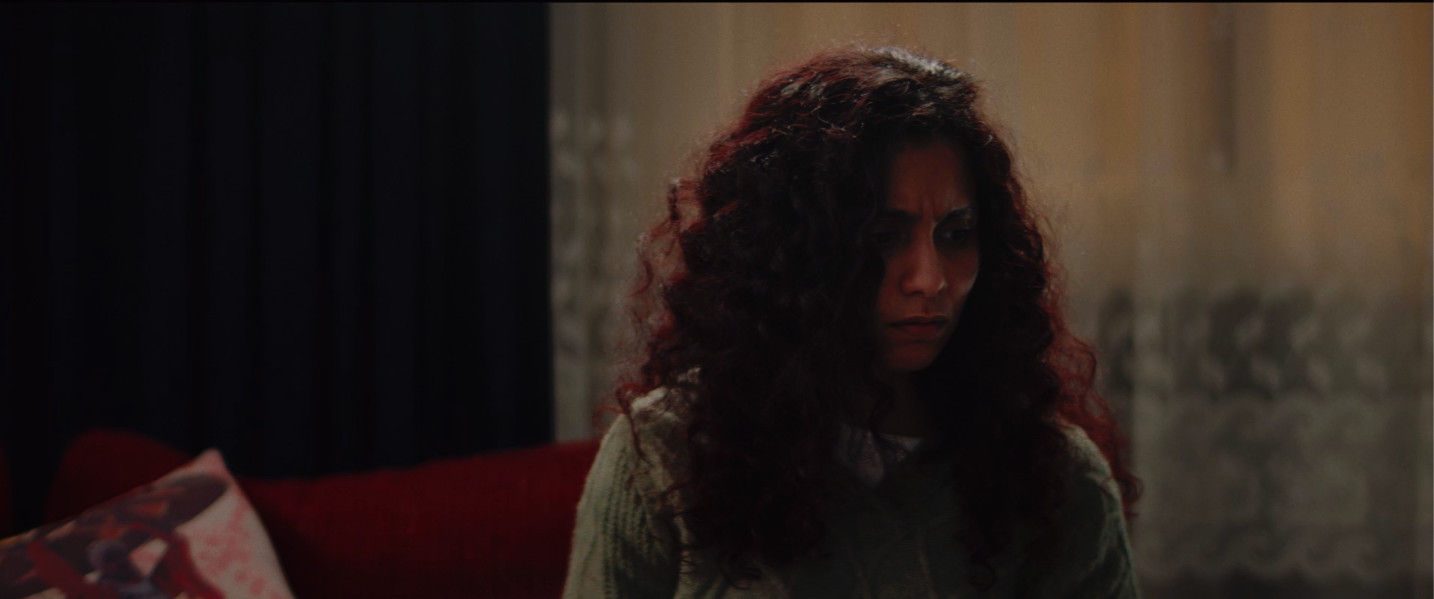
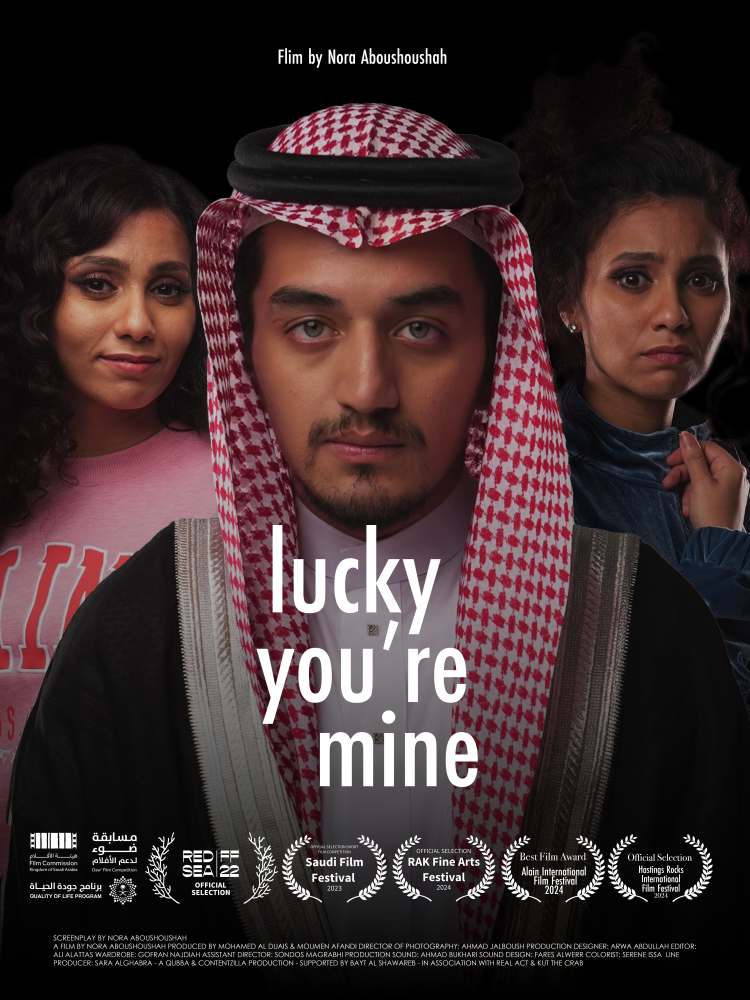
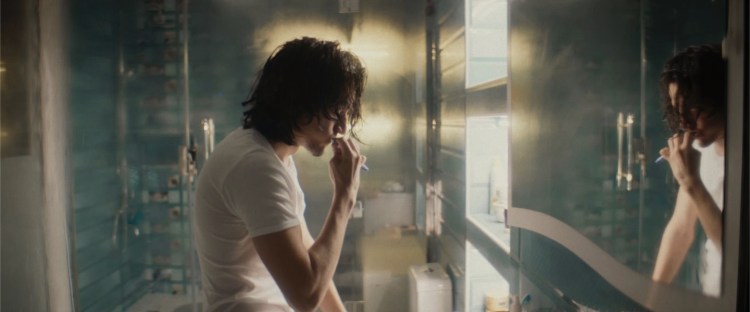

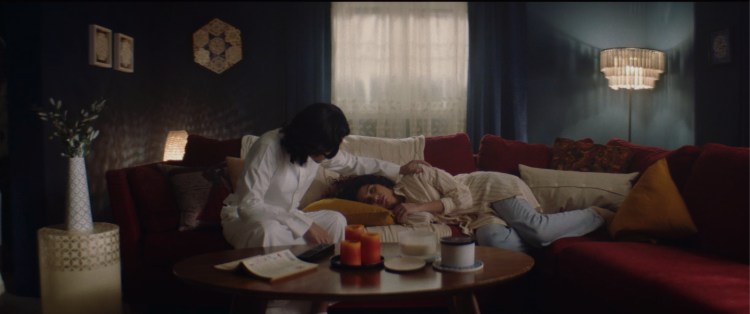

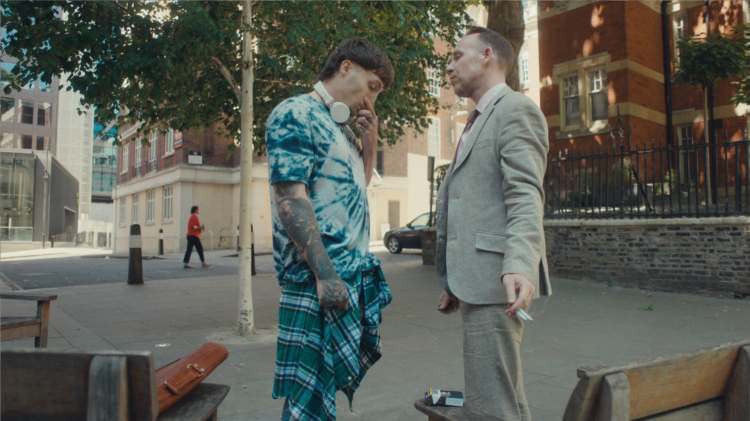
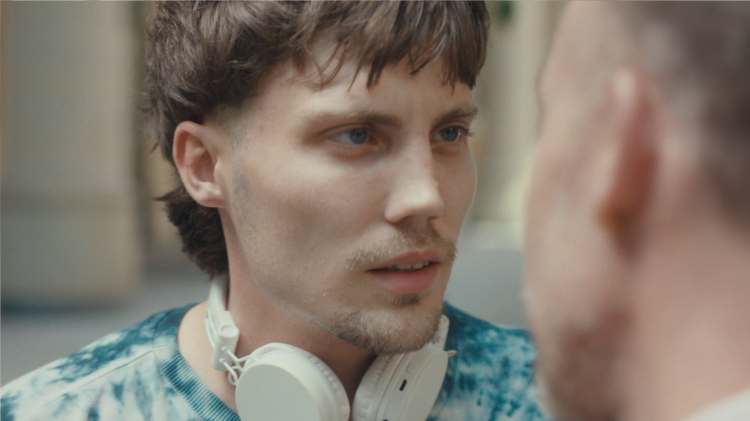
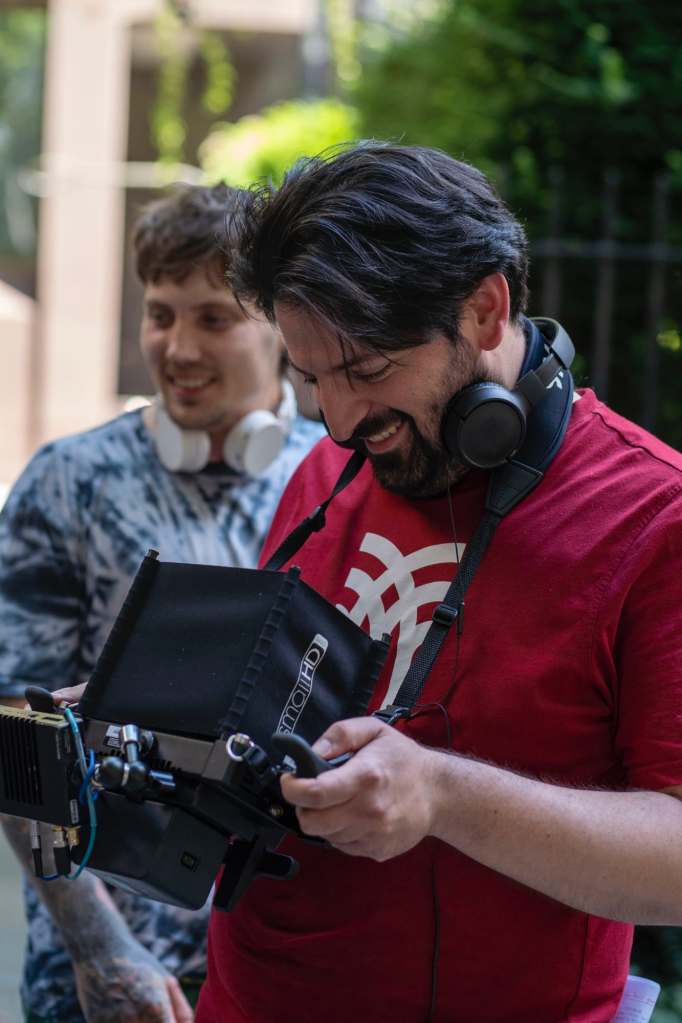
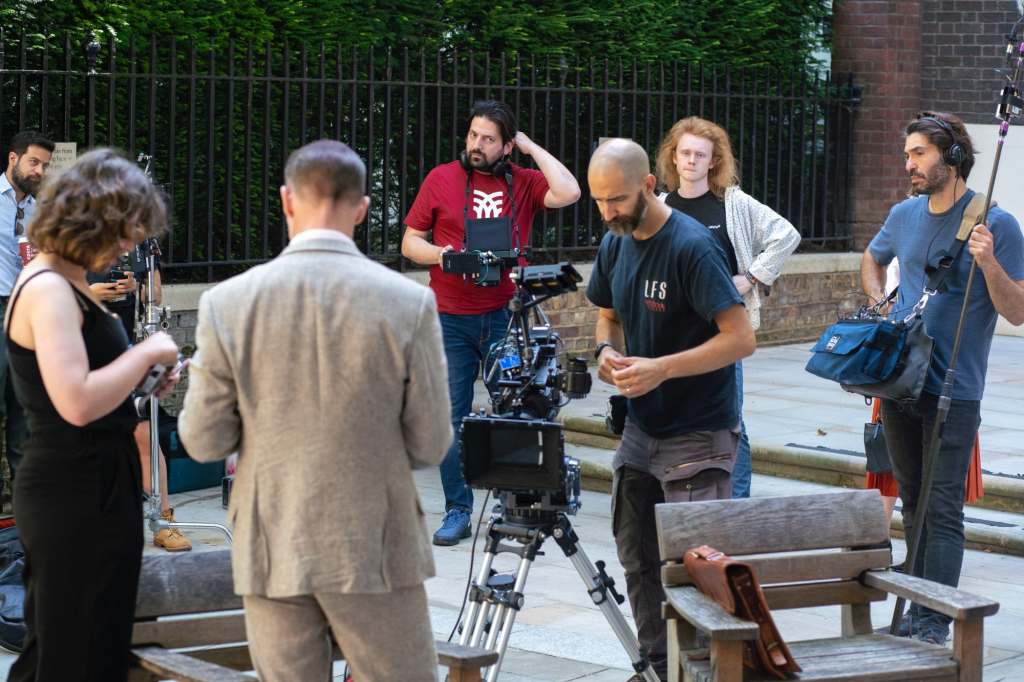
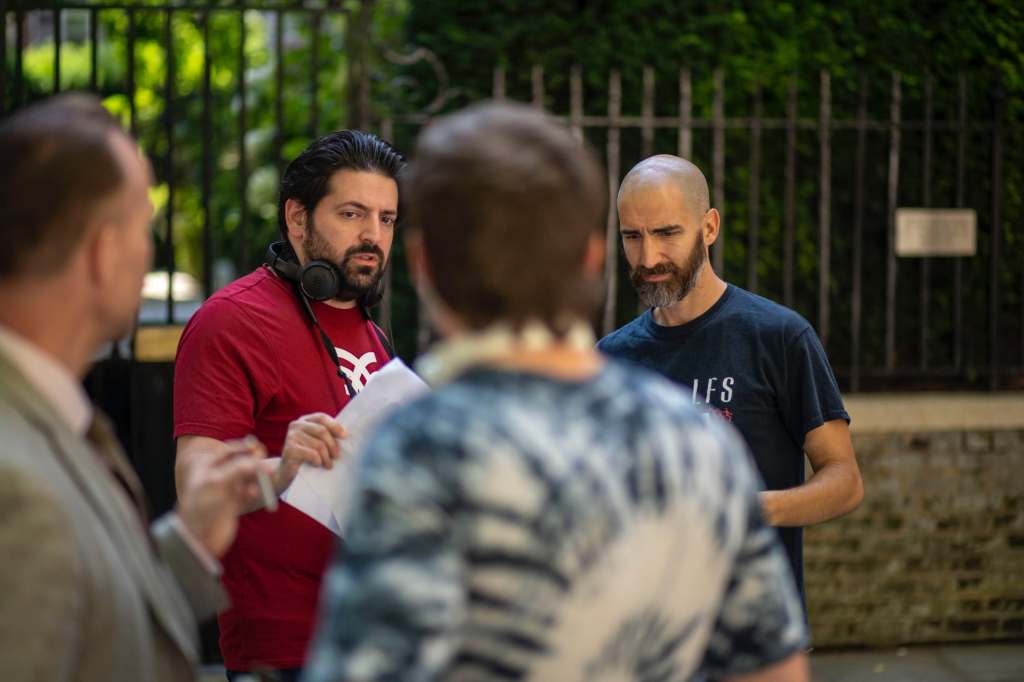
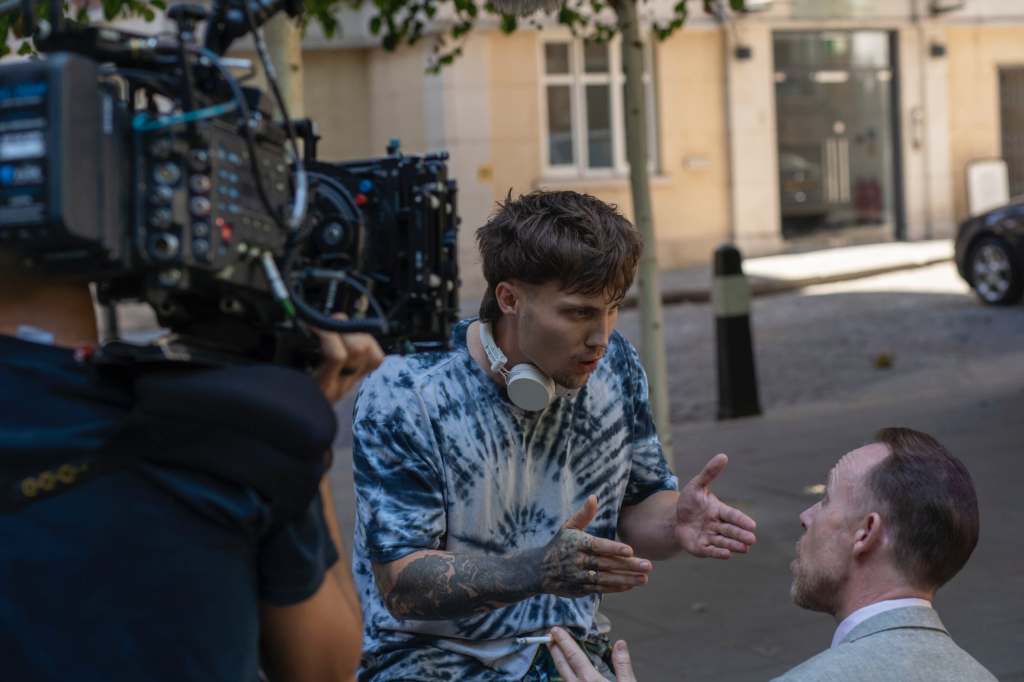
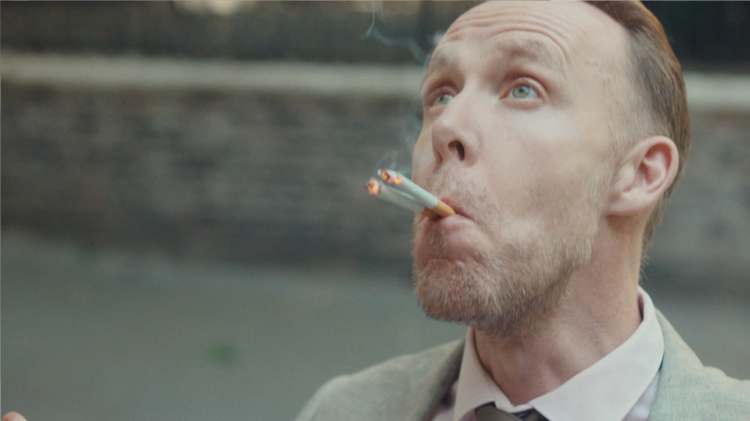


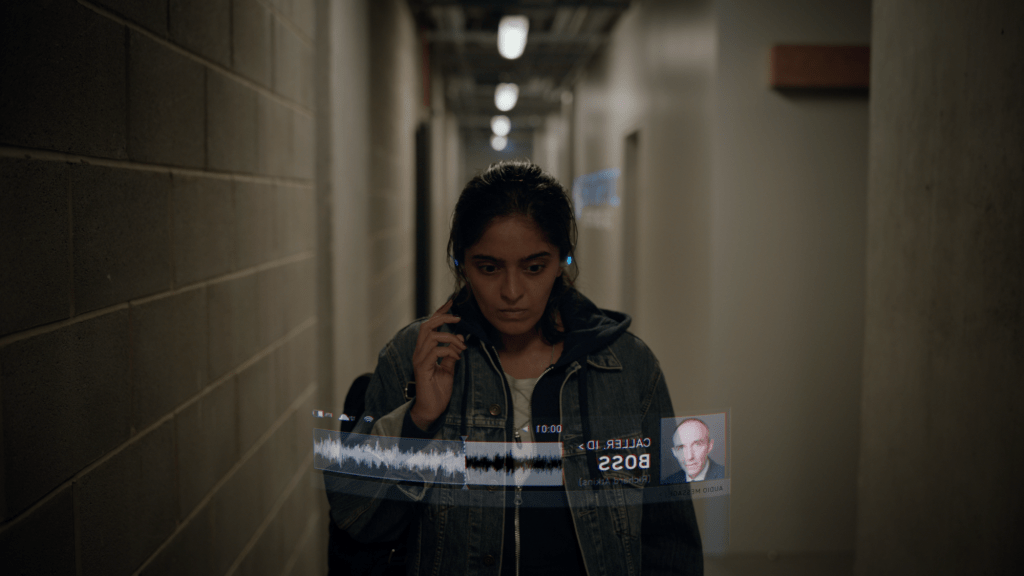


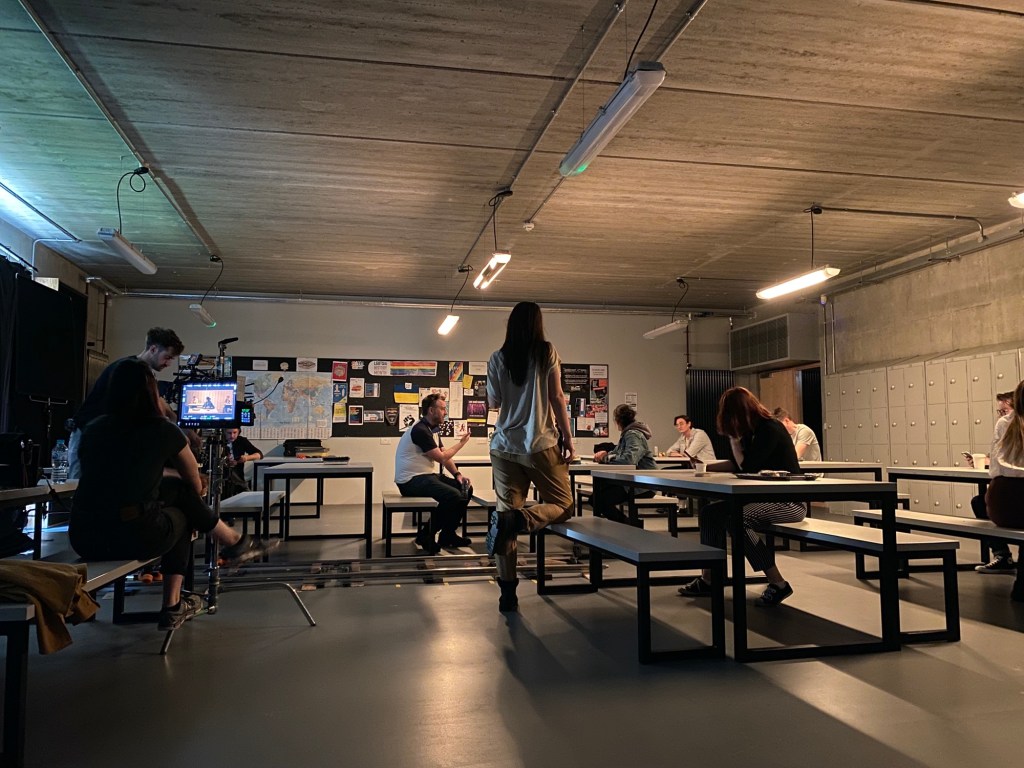
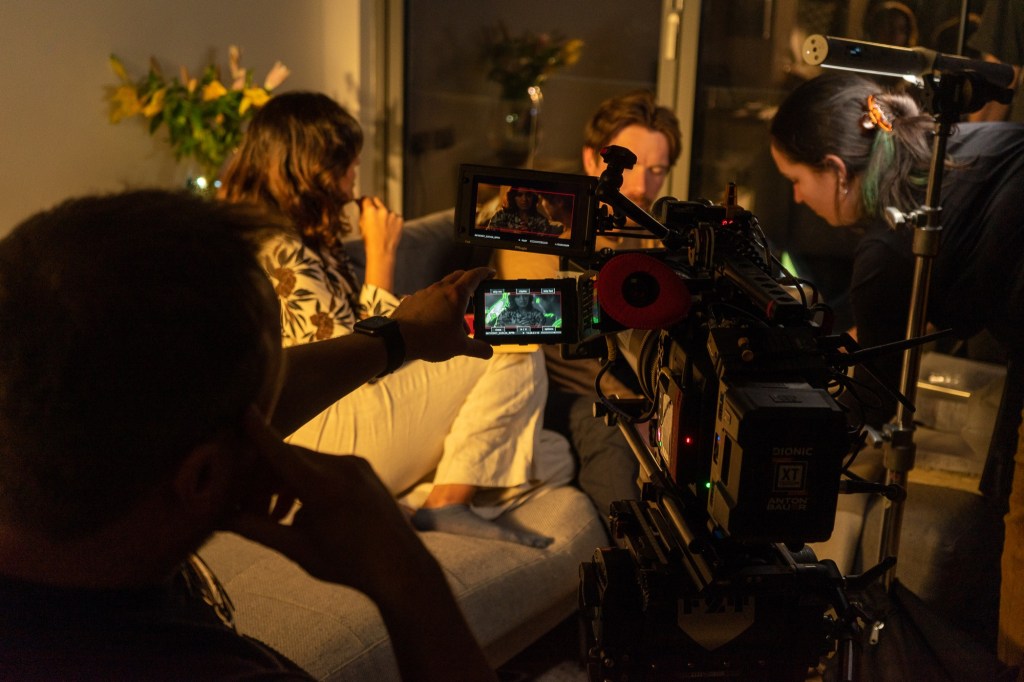
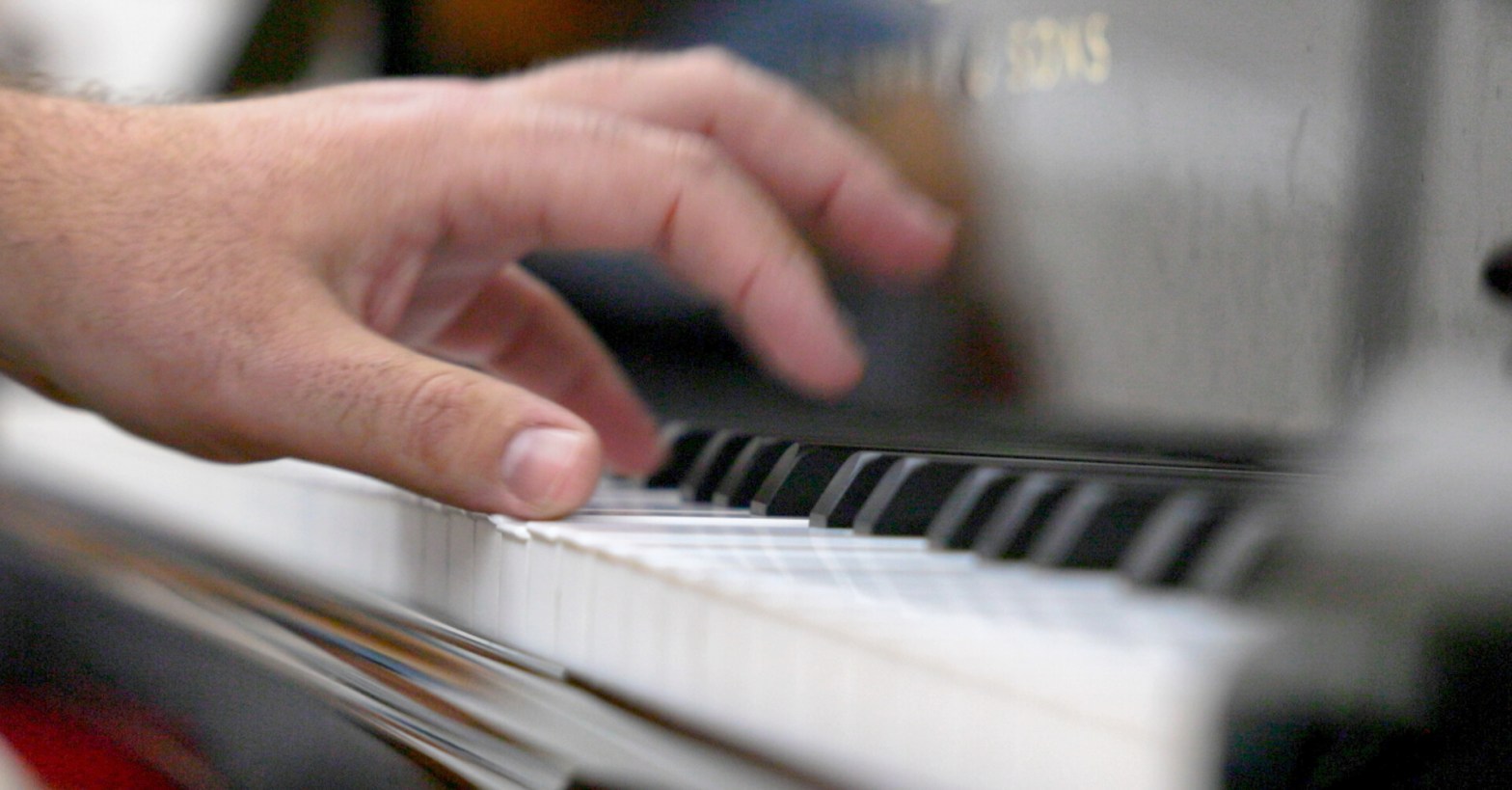


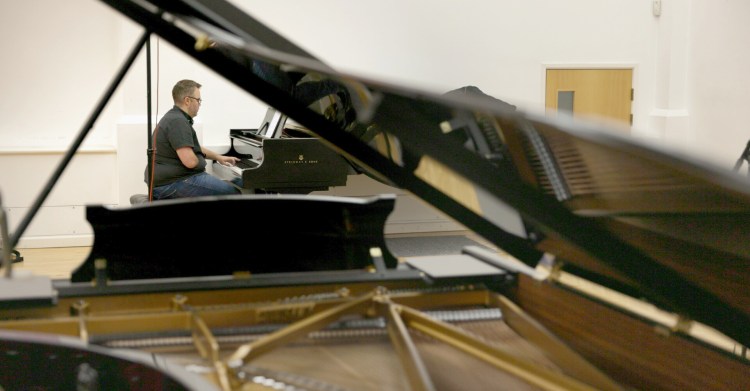


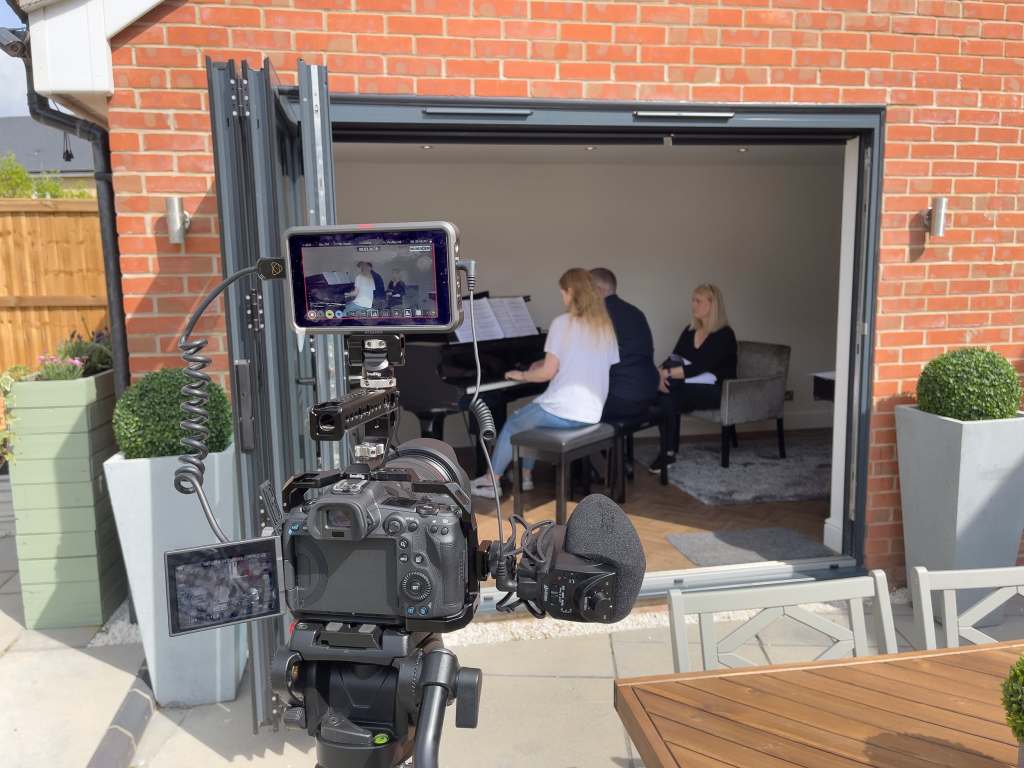
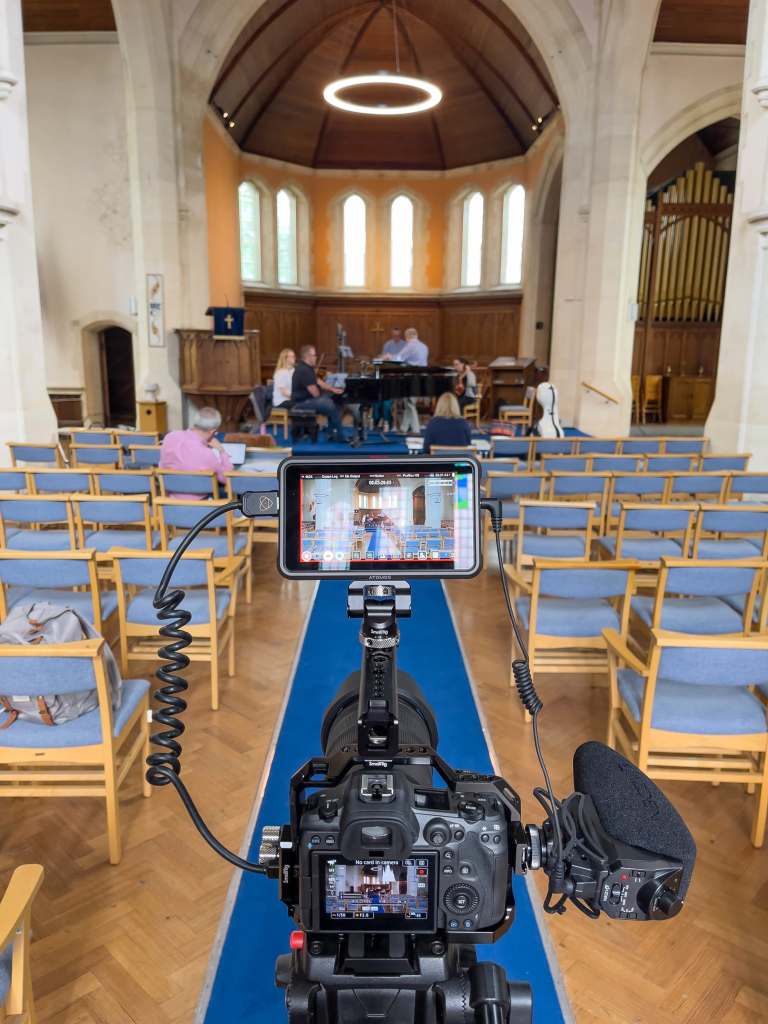
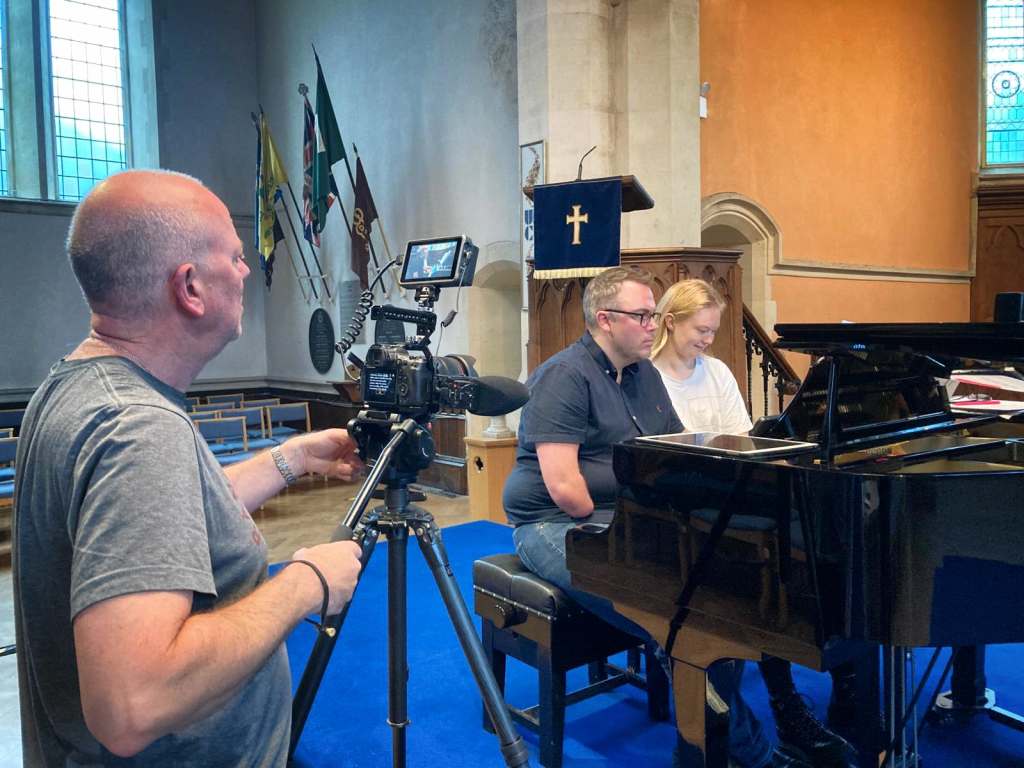


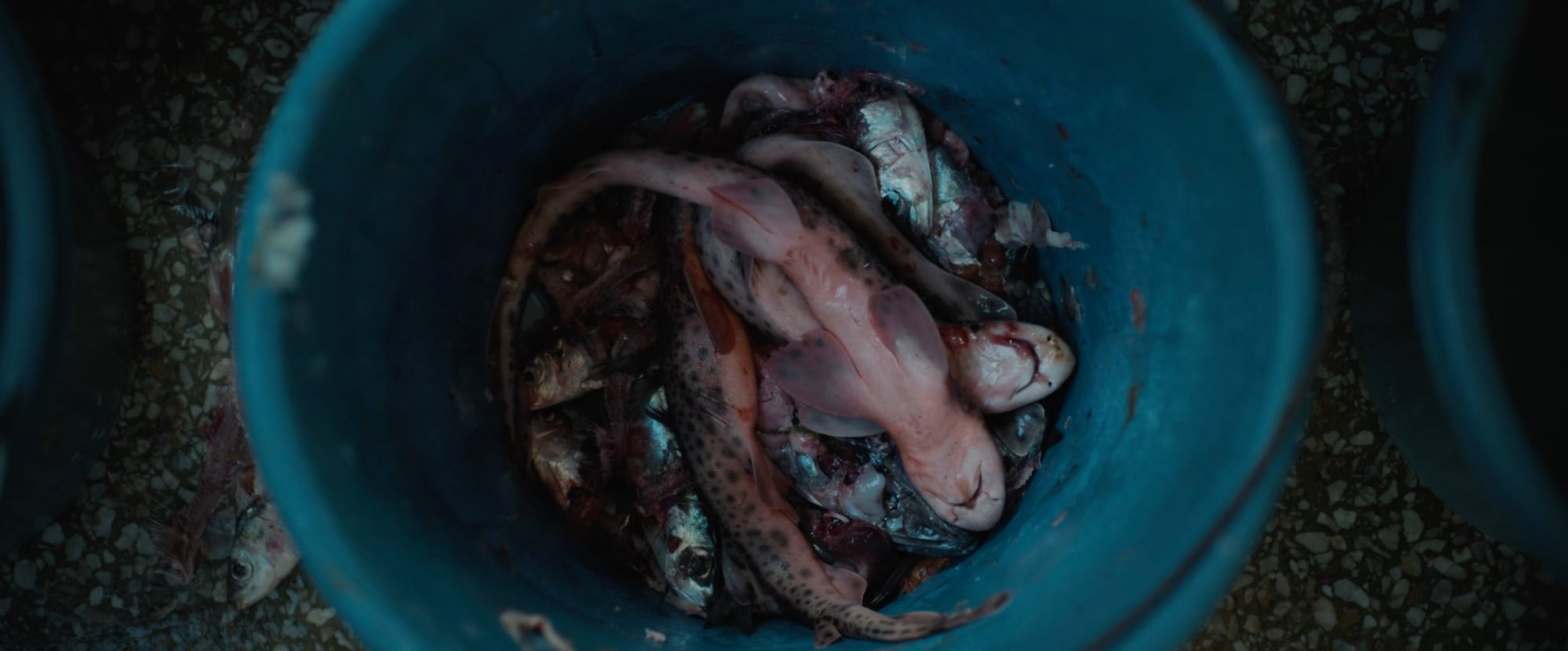

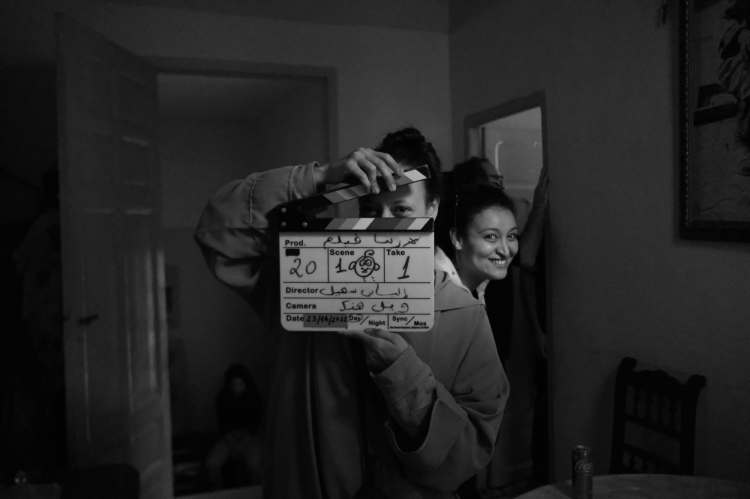
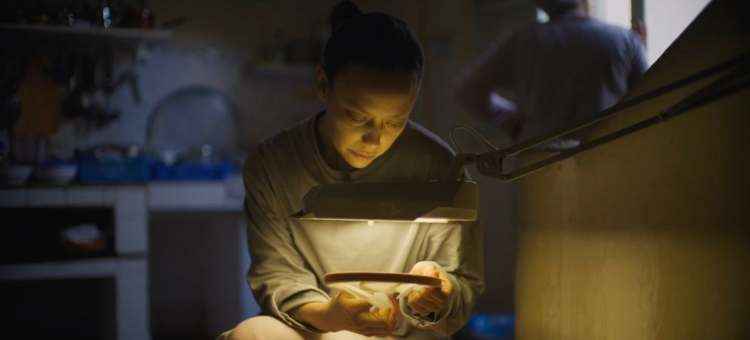
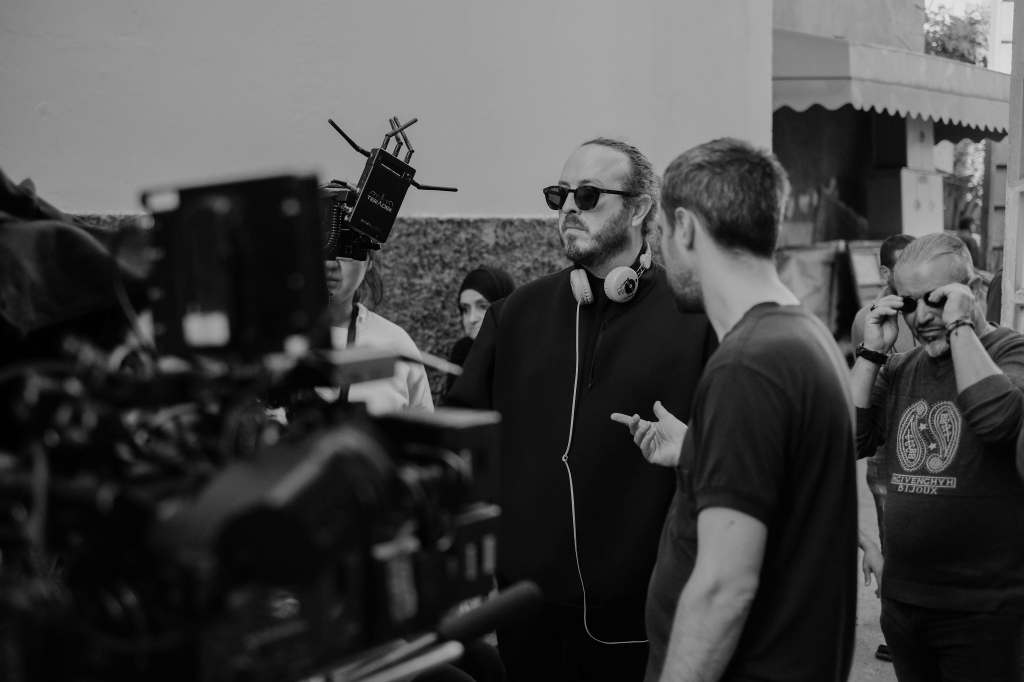
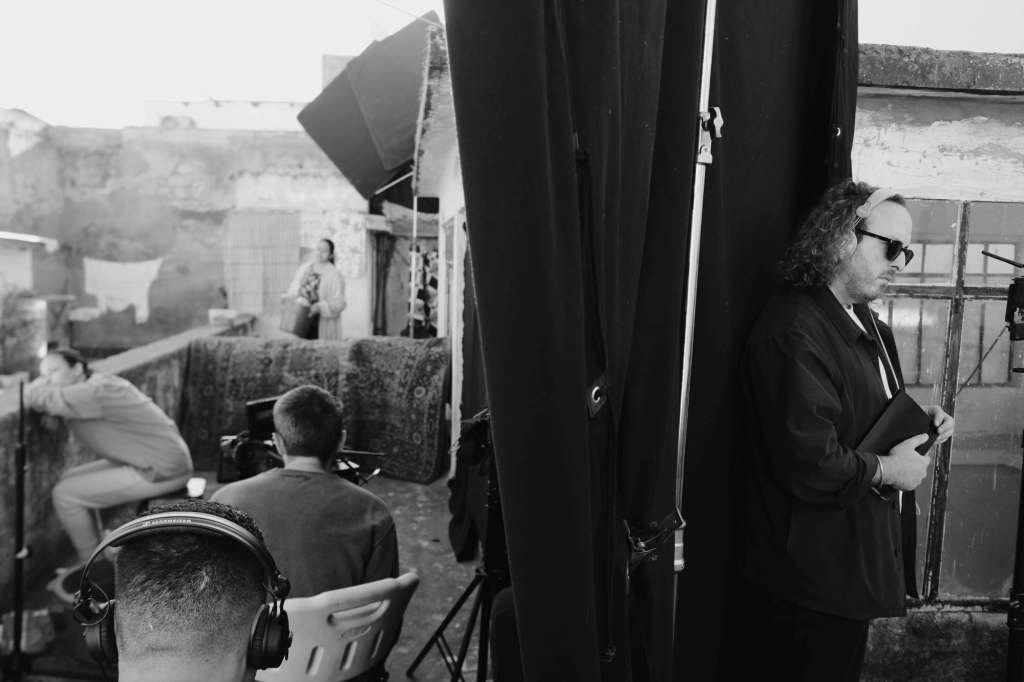
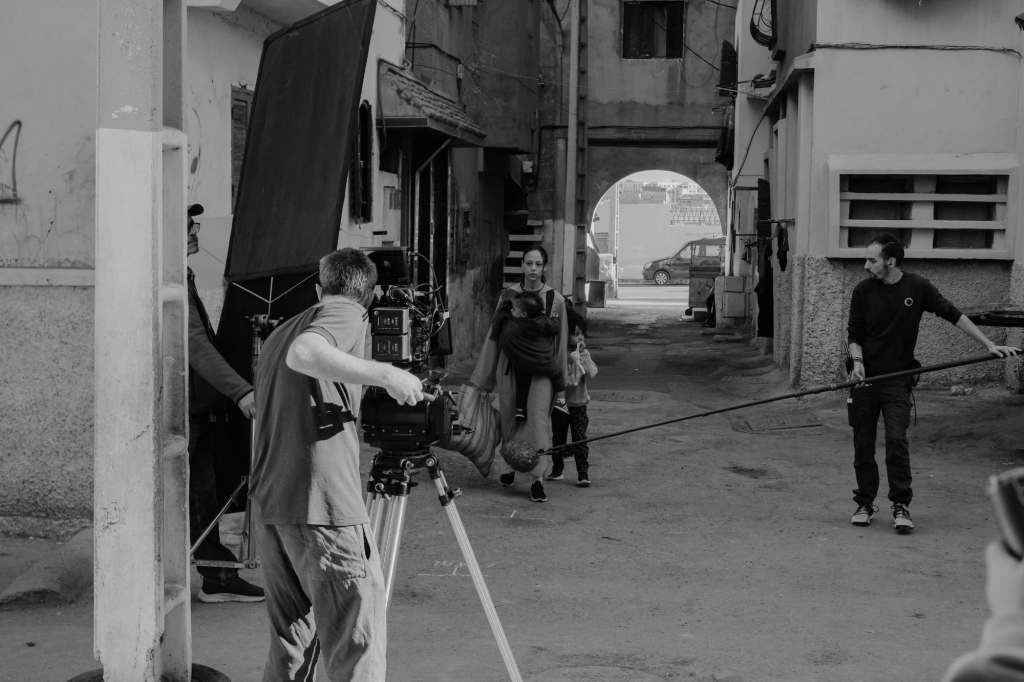
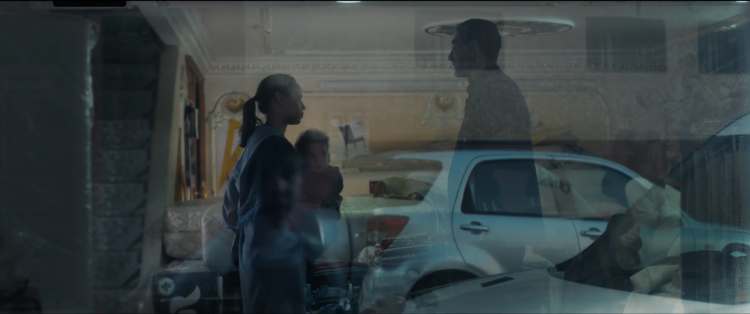
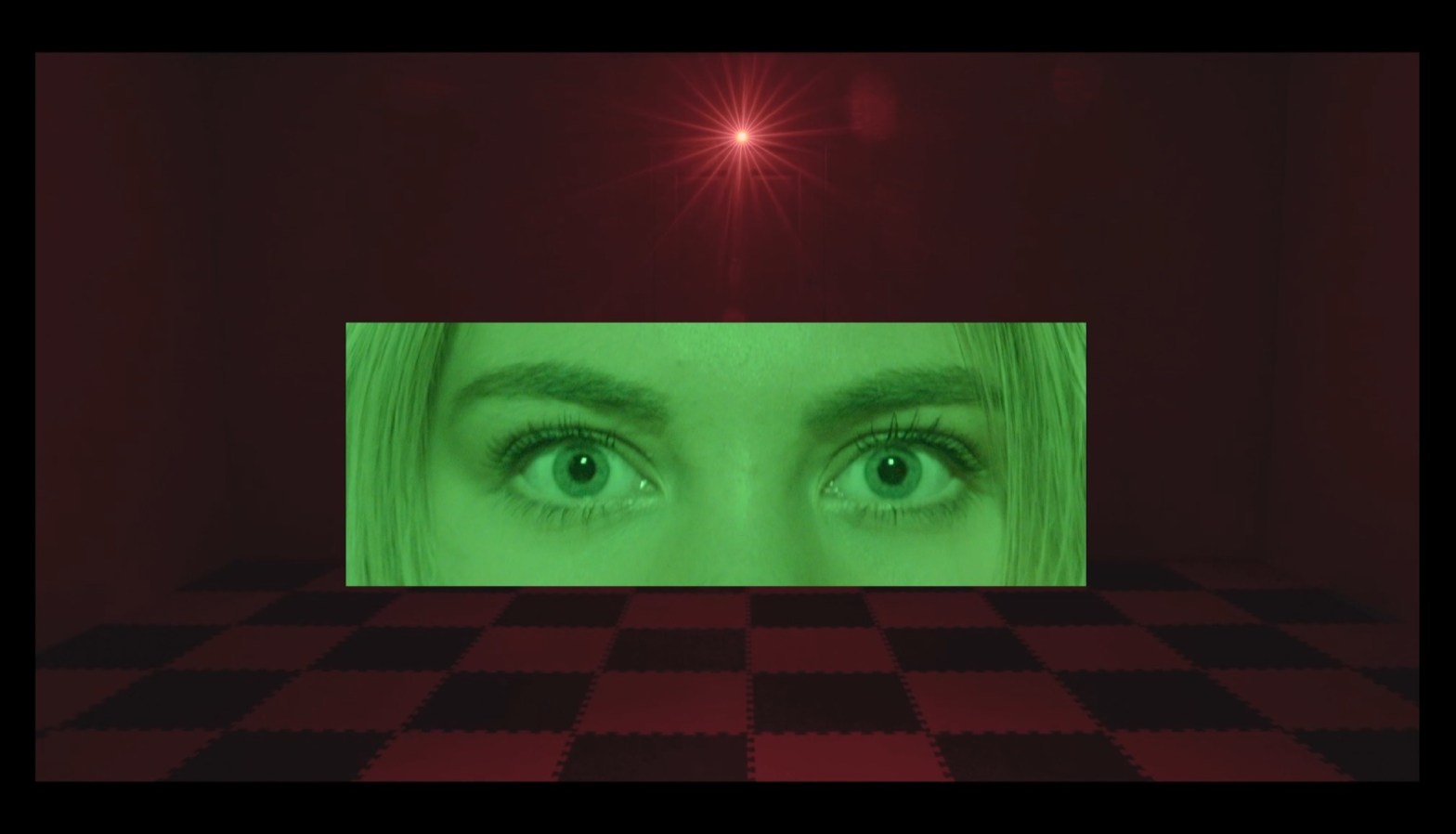
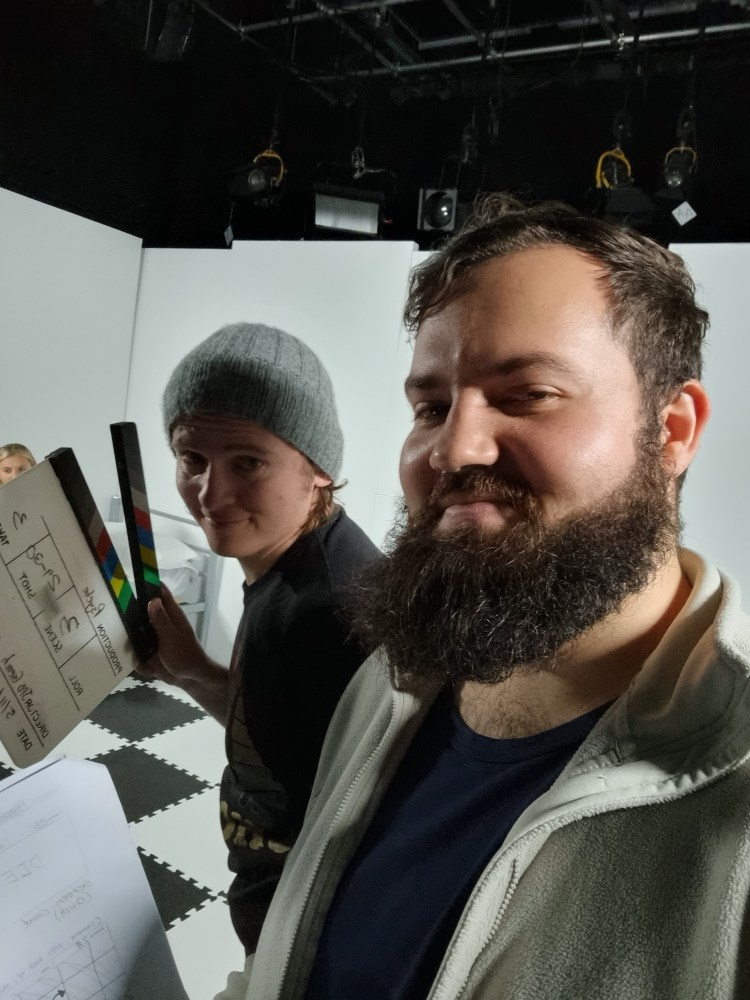
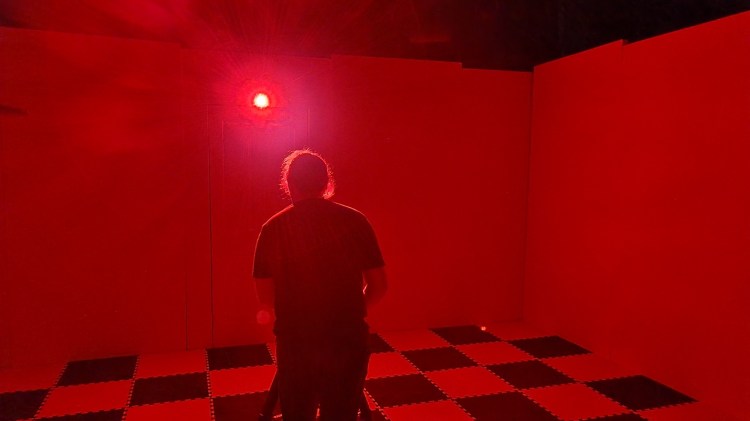
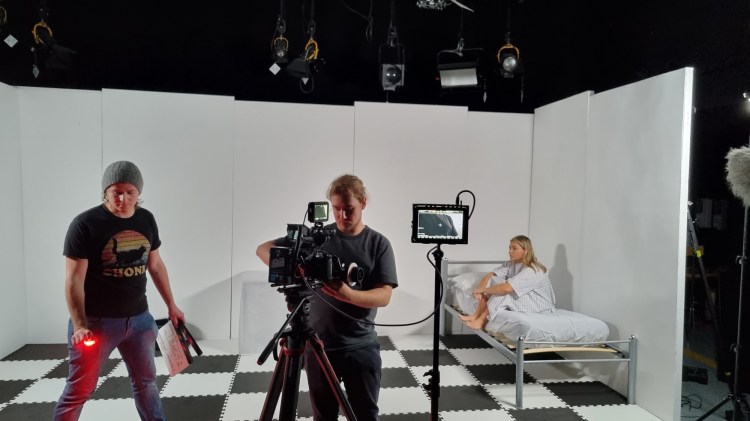
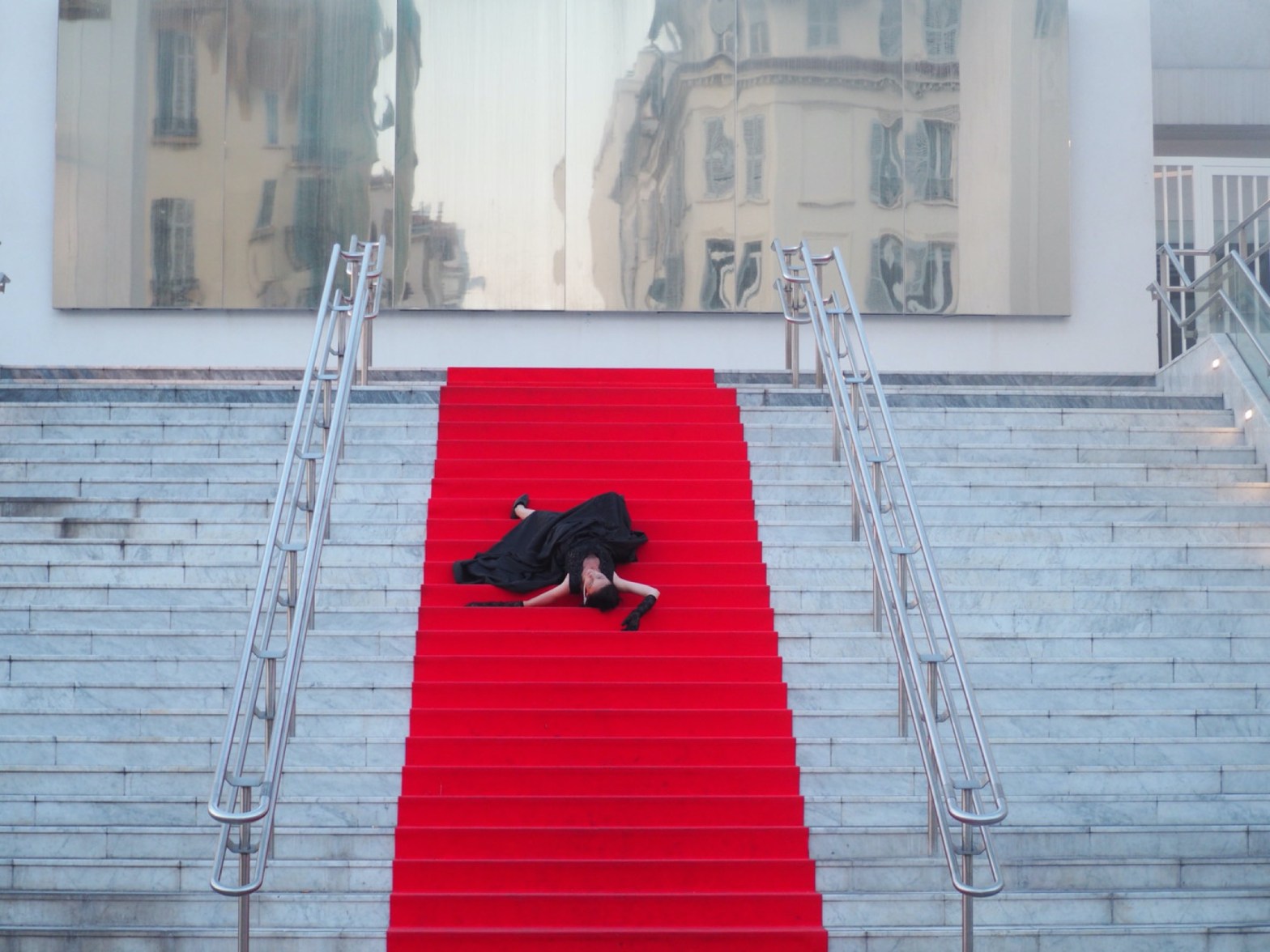
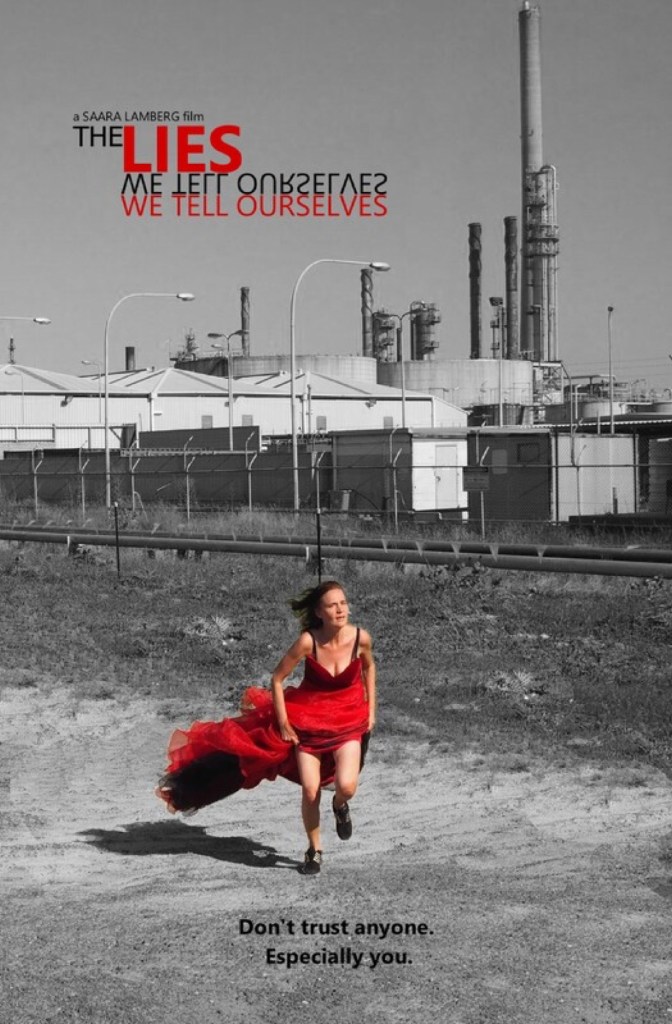


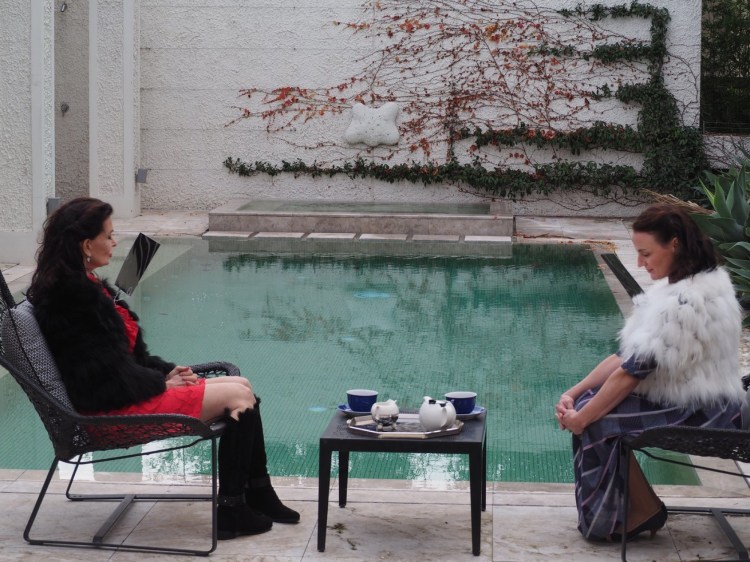

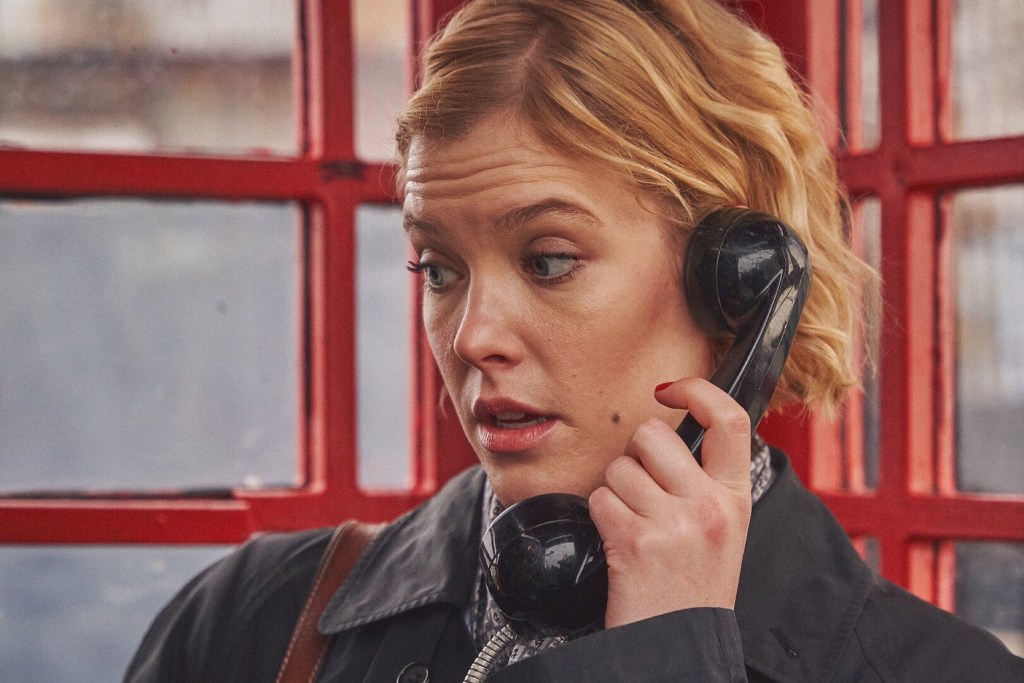
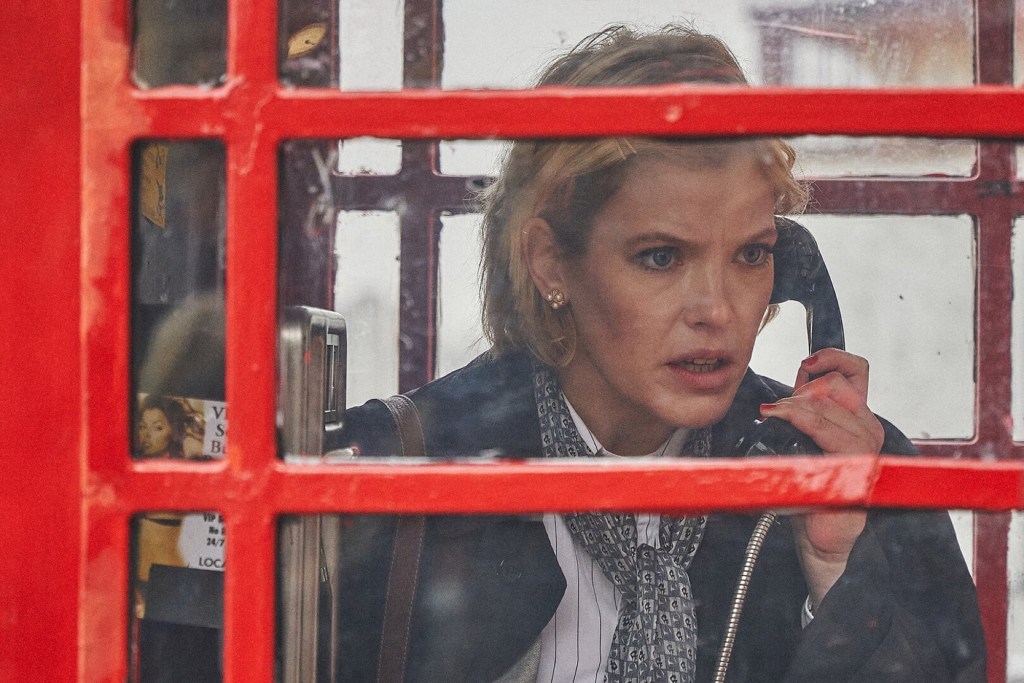


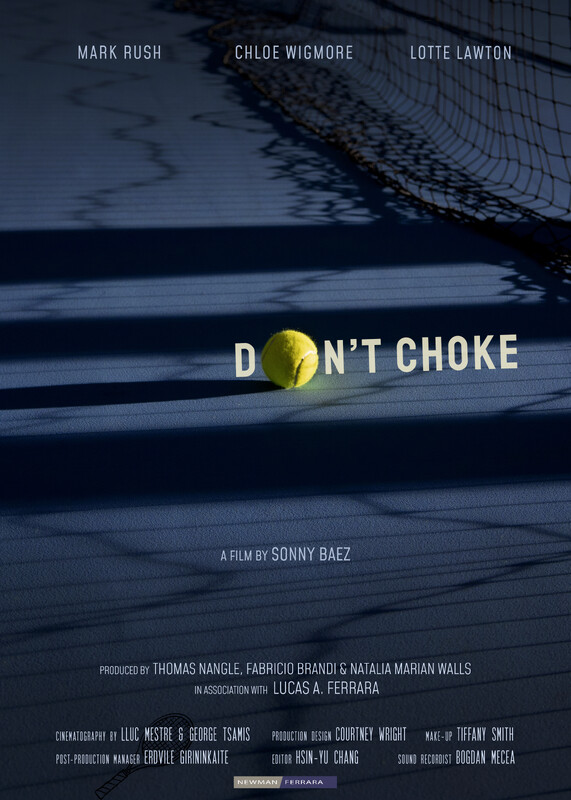
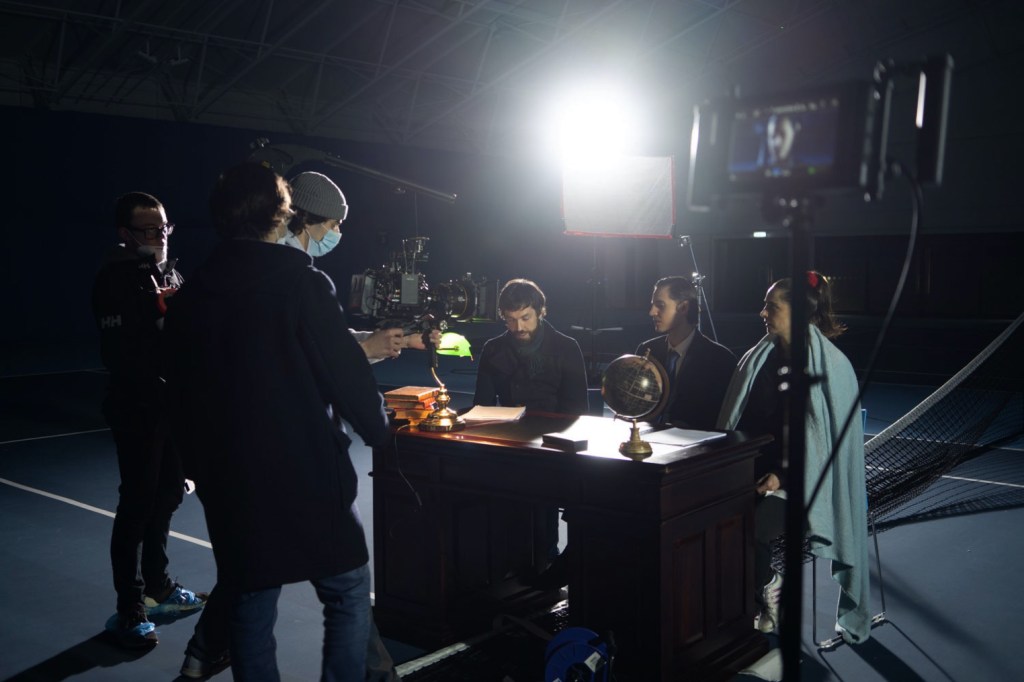
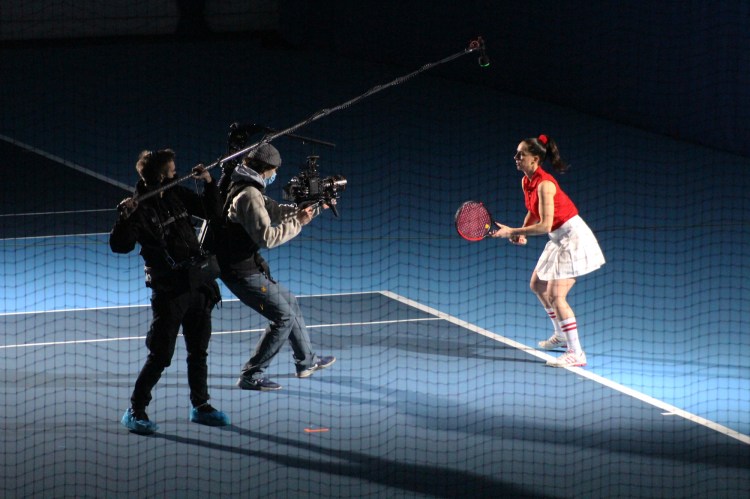
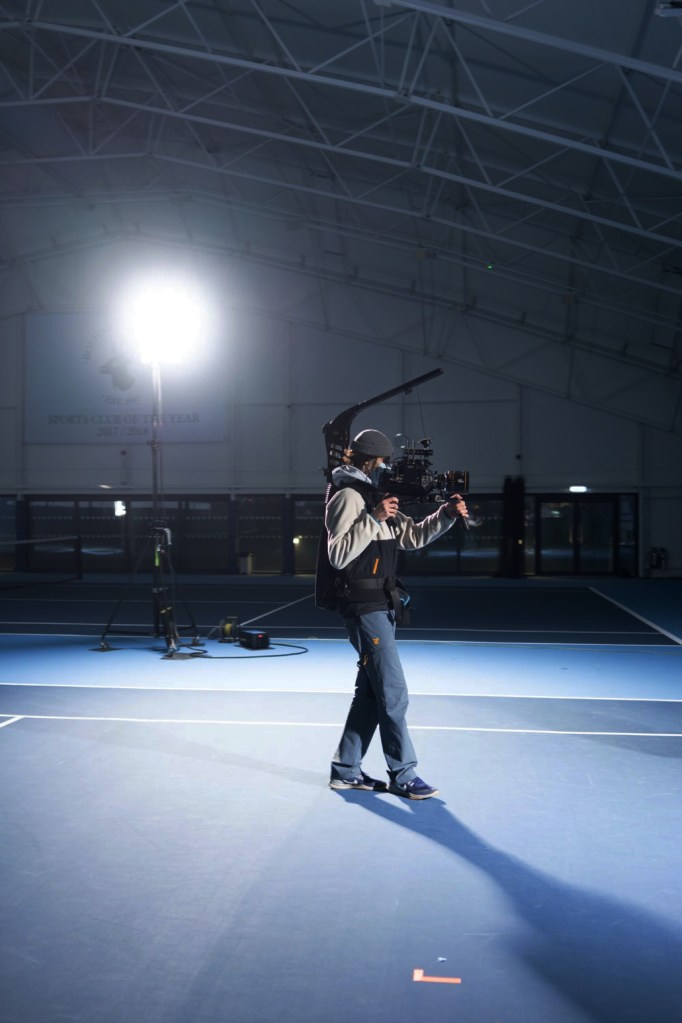
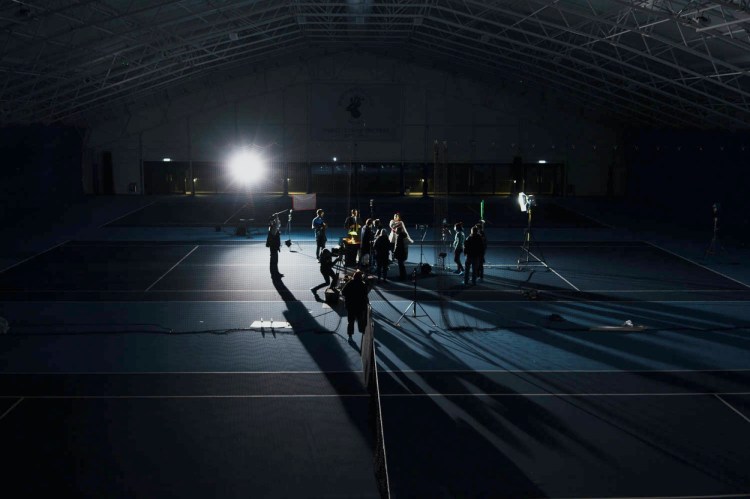


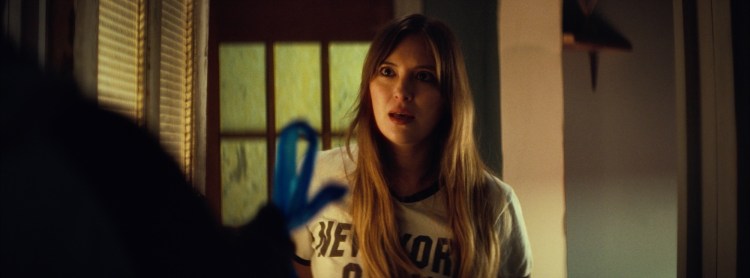
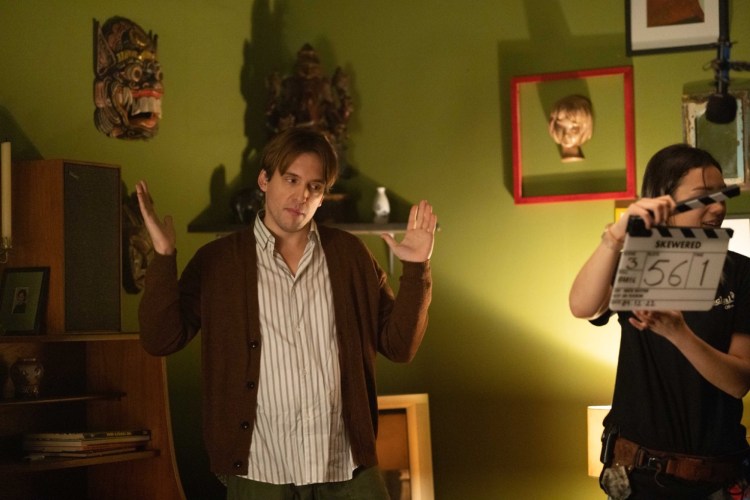
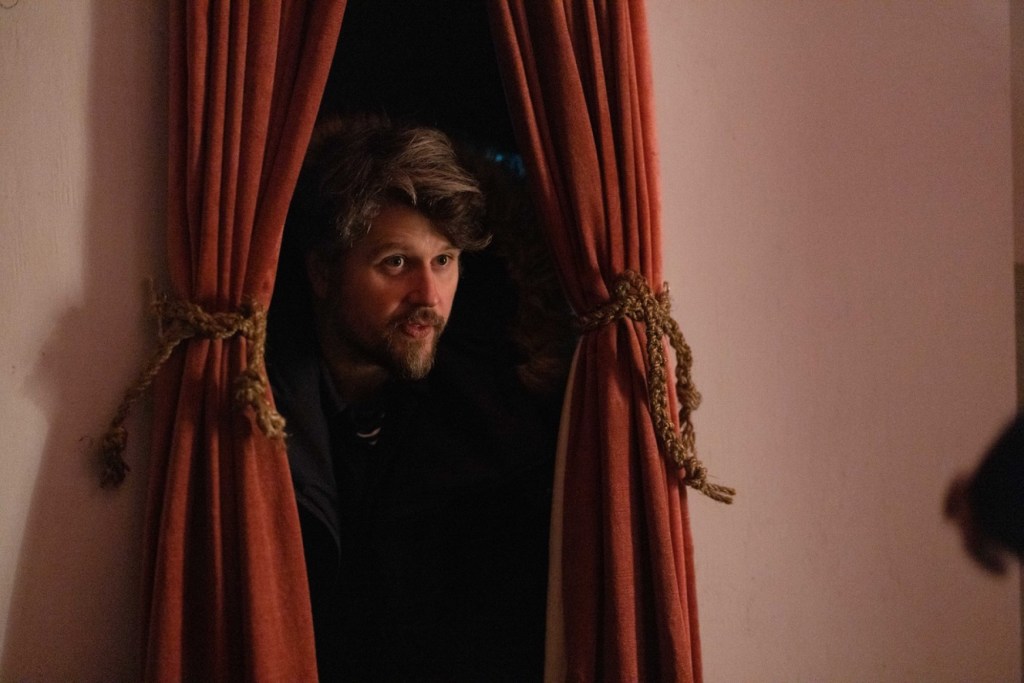


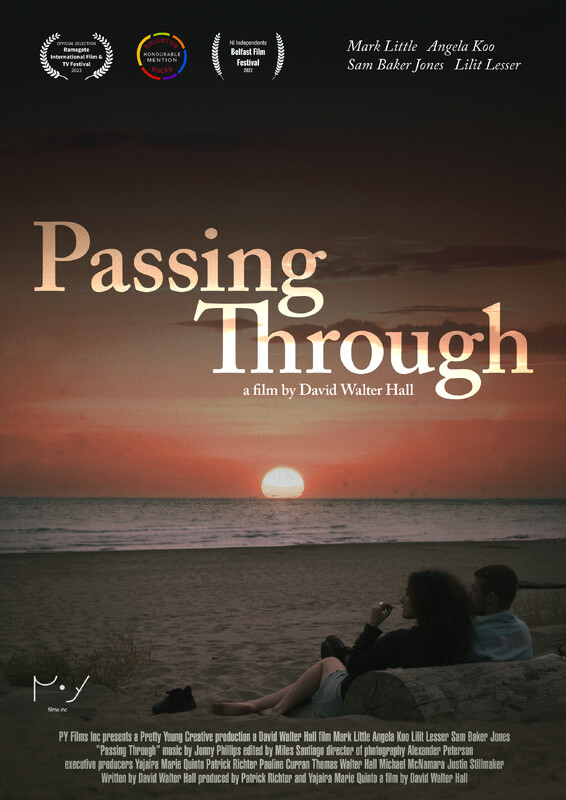
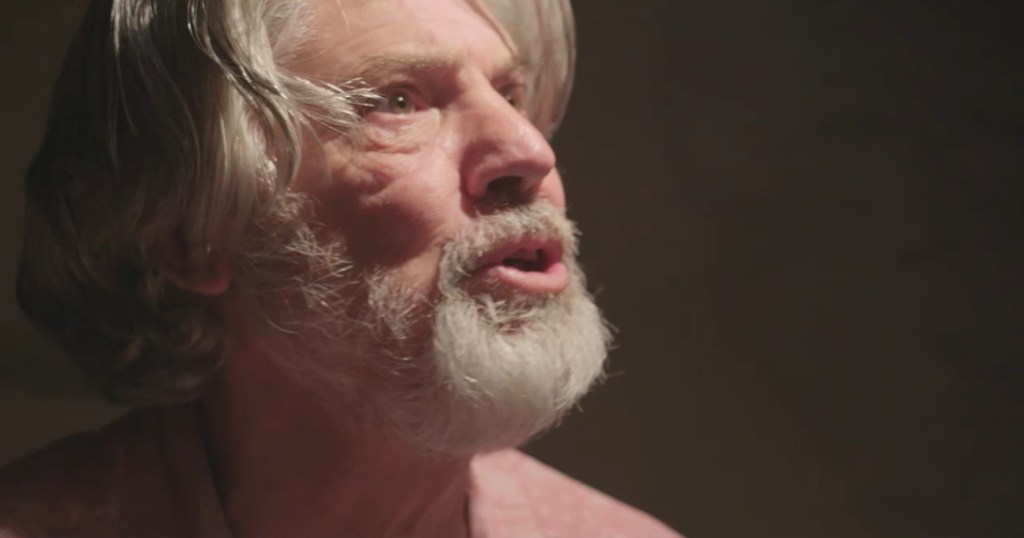

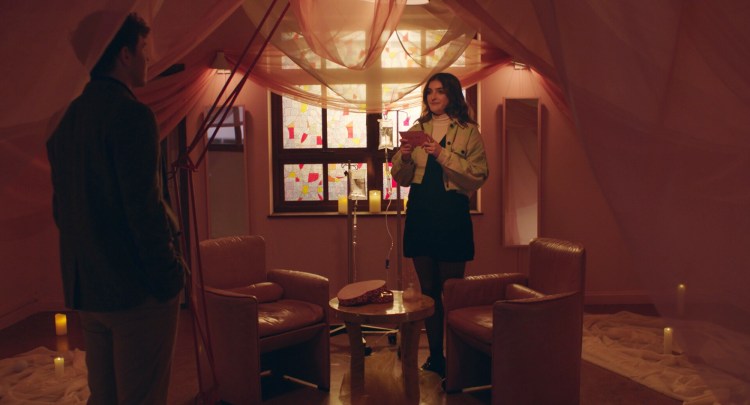

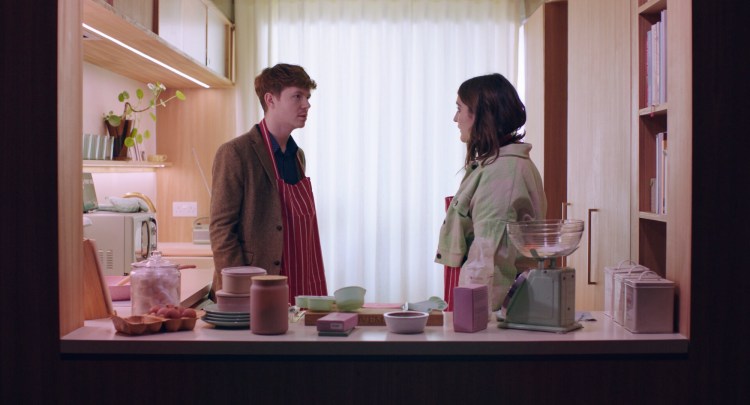

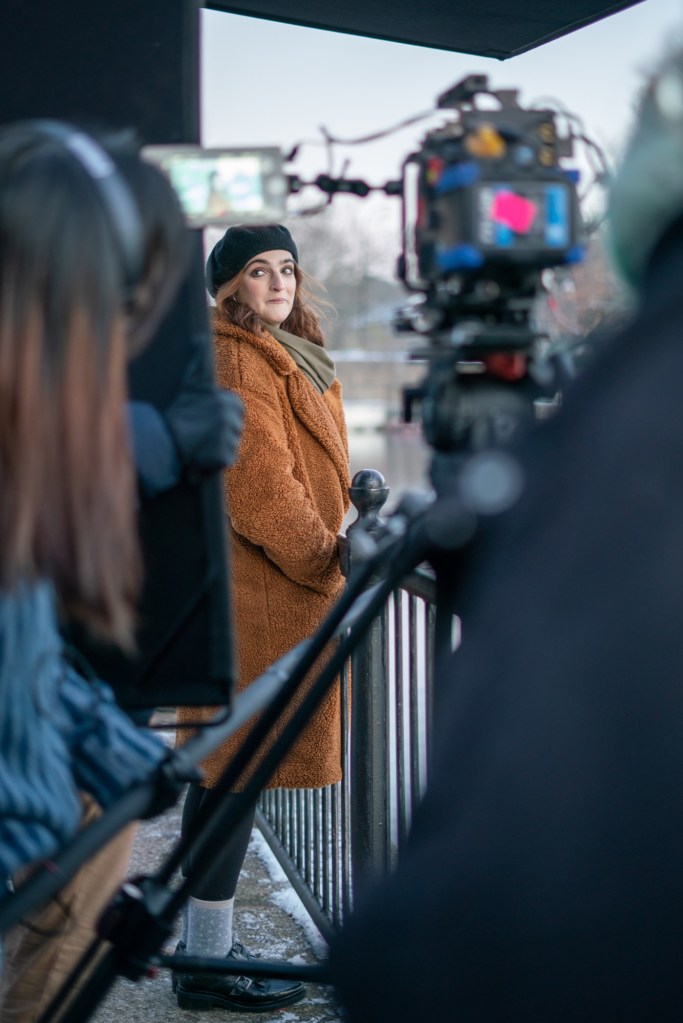
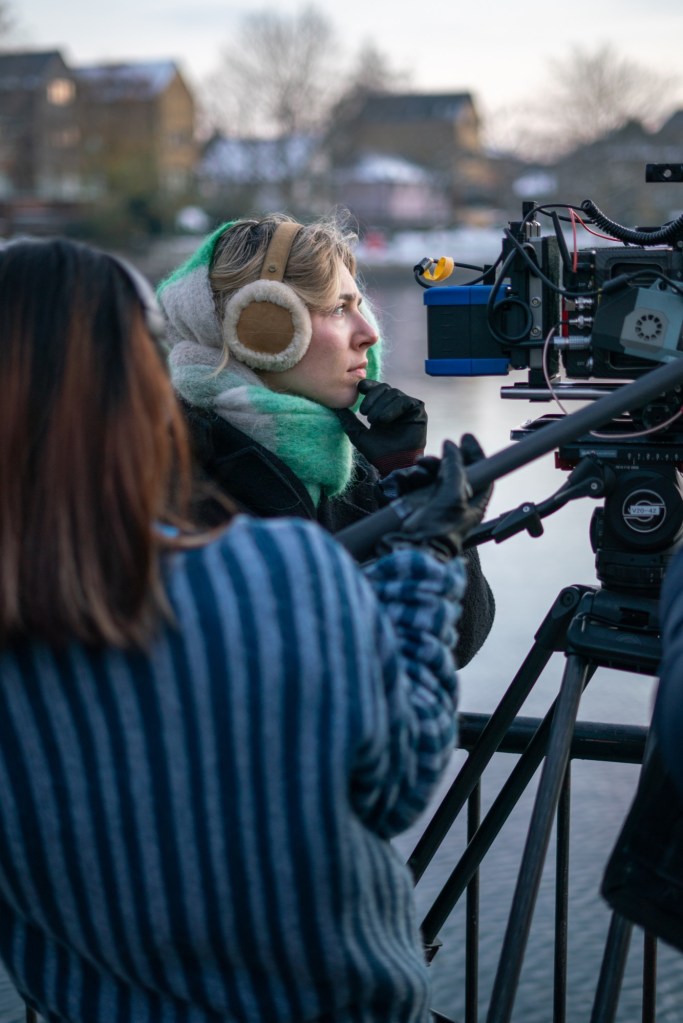
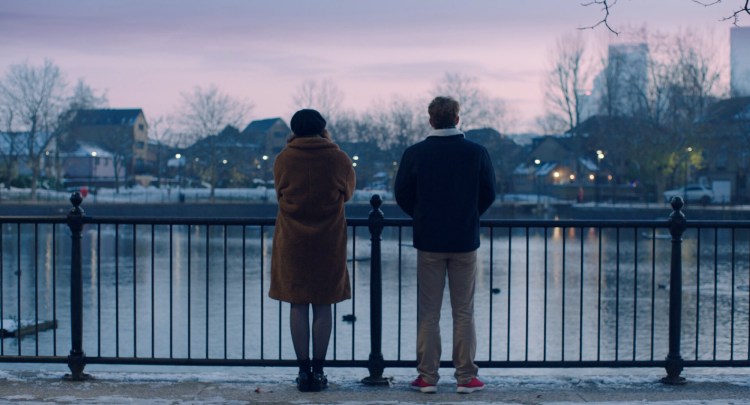
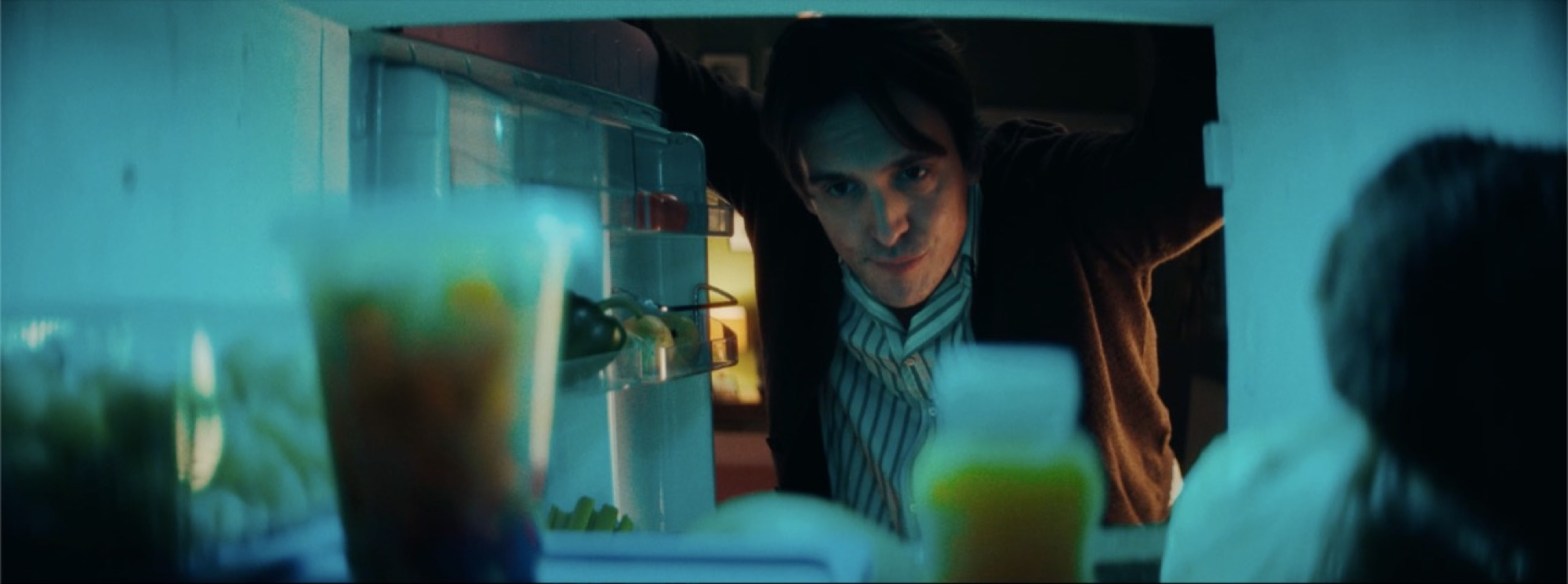

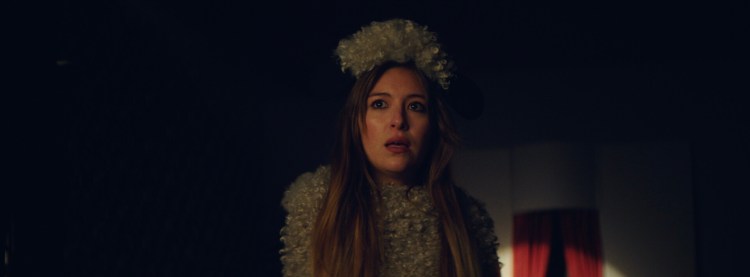




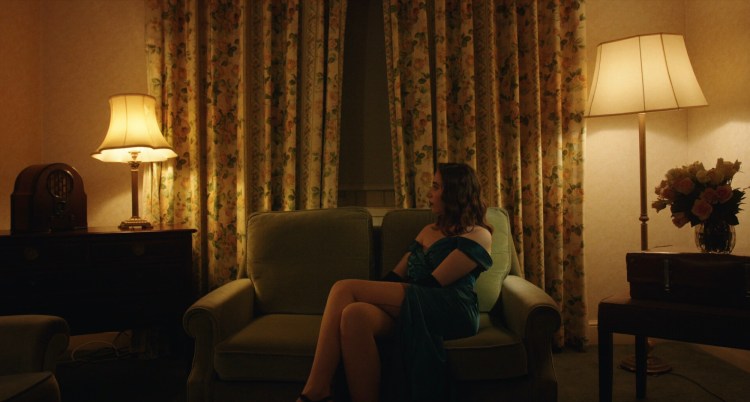
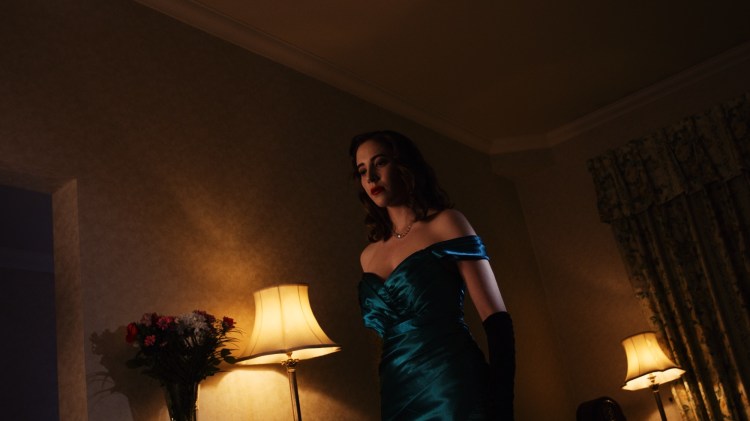


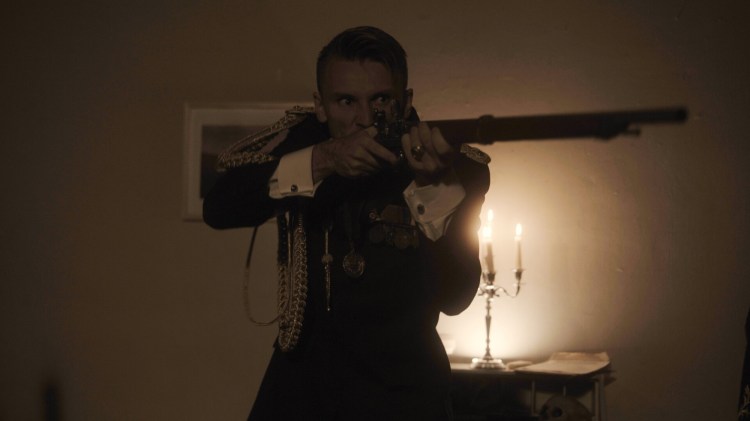

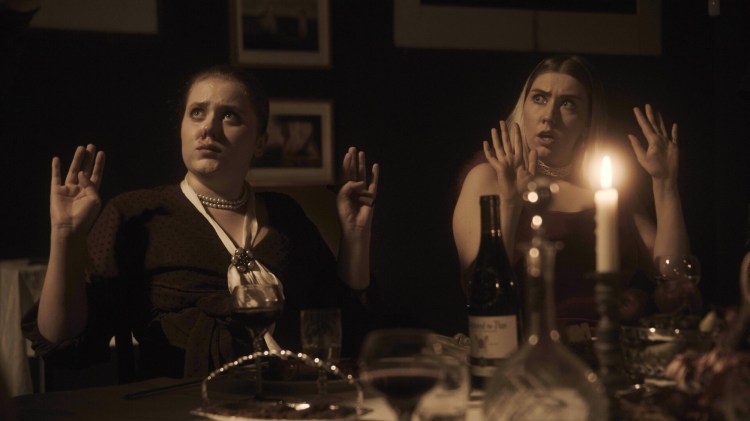
 Rocks Festivals Blog