Writer and director Pablo Saura’s ‘Love Lost’ is a tale of loss, longing and an unyielding quest to find connection, but at its heart, it is a family drama. Saura deftly diverts our expectations as the narrative unfolds, leading us to believe that what we are embarking on is a sinister snapshot of the underbelly of a men’s bordello, but the truth is sadly, much darker and more tragic.
At its core this is a family drama, deeply rooted in human emotion and which—hopefully—transcends queer audiences. Longing for a parental figure is something that we’ve all experienced on some level. Here we get to see João playing out his longing and we get to see the lengths to which he’s willing to go to connect with his father.
João, a Portuguese immigrant appears to be desperately trying to find his place in a country which isn’t his, but we soon learn there is something more profound about his quest than a need to fit in. Saura’s writing is an exquisite example of how you can explore issues of race, belonging, immigration and family in a subtle and nuanced manner which is a true delight to see in a short film. Hailing from Spain and working with an international and diverse team, ‘Love Lost’ offers a poignant level of authenticity to what could otherwise have been seen as a tall tale.
A striking feature of ‘Love Lost’ is the juxtaposition of the levity and banter between João and his fellow workers and the actuality of their jobs as they ready themselves for their nightly roles. Being chosen arbitrarily by a man wielding his power through a one-way mirror is shocking to behold. Saura in no way seeks to glamourise or judge sex work, something which could be easily done in such a story, but shows us a wider universe which is so much more relatable and true-to-real life.
‘Love Lost’ marks Saura’s narrative directorial debut and his hold on the tone and feel of the film feels like work from a much more experienced filmmaker. The look is dark and seedy, as fitting with the story, but at the same time remains luscious and enticing to watch – not leaning into the grim reality of how this young man is forced to confront his father.
A final point to note is the queer focus of the tale. Sex work and stories of brothels are predominantly made with female protagonists and focus on the more pernicious side of that world and it is refreshing to see a different story, a new take and such a strong debut authorial voice.
After working as a cook in a wildfire fighting camp in Northern Alberta, Yukon based filmmaker Tova Krentzman, found herself drawn to the “unsung heroes” who are so integral to protecting people and forests from devastating wildfires and put her talents and passion into the making of her documentary highlighting their incredible work. ‘Fire Tower’ offers us an outstandingly stunning and emotional insight into the brave and proud lookouts who keep a keen eye focussed on the Rocky Mountains in Northern Canada for the first threat of fire. Not only does her film document the sheer vastness of the landscape these lookouts protect, but offers us a unique insight into their lives and motivations behind their dedication to their roles. Tova, alongside documenting the cinematic splendour of the wilderness, has a passion for telling authentic stories about people and ‘Fire Tower’ invites us to concentrate on the lookouts’ relationships with loneliness and solitude and how that factors into their choices behind spending such vast periods of time alone in the towers.
‘Fire Tower’ will be screening on Sunday the 30th at 12pm at Manchester Street Arts Club as part of the 7th edition of Brighton Rocks International Film Festival and Tova will be in attendance to discuss the making of her powerful and moving film.
How did you approach all of these phenomenal people who have chosen to share their stories as lookouts and then thread together the narrative?
In the Yukon, we are a small population and fewer lookouts. I spoke with their supervisors and they asked the lookouts if they would be interested in speaking with me and being filmed, it was somewhat simple. Alberta is a larger system and bureaucracy and took time to find the person to okay this project. I had met one of the lookouts the summer I worked in a wildfire fighting camp and we became friends, stayed in touch. I had visited his tower that summer and I was grateful to spend time with them. We camped beside their tower and cabin and cooked food with them while getting to know them. We asked specific questions but also gave them a chance to consider what was important for them to share. After shooting, the challenge in documentary filmmaking is how to weave a narrative. That took a lot of time viewing the material both myself and my editor and trying various ideas. It was a long process with much revisiting, storyboarding…reworking.
Did you always know you wanted to explore loneliness and the benefits we often forget in our fast paced society?
I do have a little obsession with the subject of loneliness, solitude and connection. I spent time myself working months hundreds of miles offshore on ships where I would stand watch on the bridge and I could relate to the aspect of solitude but immense connection with the natural surroundings that almost forces a certain perspective of connection and a liberating sense of one’s smallness in the bigger picture. Our worries and problems are also then minimized in the grandeur scheme. I live in the Yukon where there is a lot of space and natural wilderness and my time away is usually multi day trips into the wilderness and mountains.
What did the support of the funding mean to the production of the film?
Funding was imperative to pay for travelling to the lookouts, helping purchase or rent equipment, paying professionals for their work, especially post production which can get expensive. Without funding, it would be almost impossible to make the film unless you have a lot of money on your own. I won a pitch contest at our local film festival in the Yukon which offered me some rental equipment as well as a broadcast license which enabled me to apply for further funding which was helpful. Though it was a small scale project, I did want to give it the attention I felt it deserved by having a great sound designer/composer, colour correction, and a great editor. The lookouts are the unsung heroes in a way and I wanted their story to be impactful.
I’m blown away by the beauty of everything you’re filming as well as the lives in the tower. What equipment did you have? Did you have to be nimble?
This was a low budget, run-and gun sort of approach. Two people, my cinematographer and myself as producer, director, sound recording, aerial cinematography (drone) and additional ground cinematography. Two women in a jeep with gear and a generator to charge batteries, laptops etc. as we were camping in remote areas, uploading footage daily in the field. We were able to set up a tripod for some interviews but because we had to climb a hundred foot tower and send the camera up a cable, we used a DSLR with some high quality lenses for much of the footage as well as a gimbal. The drone was important for this film as well in order to give perspective of the solitude in the vast landscapes and to access the tower without being inside the very small cupula. There were definitely times, if we were both in the cupula, her on camera and me directing questions and conversation with sound equipment crouched underneath the firefinder. Using a wireless lav mic was crucial as well since we could have the lookouts mic’d up while we were down below enabling me to record radio conversations and general audio without us being around at all.
Where did you obtain the footage of those terrifying wildfires and archival footage?
I was able to get some footage from the BC Wildfire and Alberta Wildland department. In addition, there was footage from the lookouts themselves. Almost all the wildlife footage is from the lookouts over the months and years they spend out there. The lightning happened late one night while we were camped out so we were lucky to have that opportunity.
I love all of the drone visuals, talk to us about capturing this wilderness?
Canada has such vast beauty, I was just showing what is there. The Yukon is almost the same size as Spain but with a population of approximately 45,000 people (the main city whitehorse 30,253 after which, the next cities population are 1600, 790, 590, etc. There is so much incredible nature. Alberta hosts the rocky mountains and large boreal forests as well (Alberta is slightly larger than France with 4 million people).
I felt I could have watched much more, how long were you filming, how much footage did you have, and then decide on the final edited 47 minutes?
The access to the lookouts was limited as they are regulated by the government. There were active wildfires in both the Yukon and Alberta and they were keeping track of our whereabouts. As the lookouts were working, we couldn’t distract them and worked around their schedules. You also have to consider that the lookouts enjoy their solitude. As much as they enjoyed our company, they were glad to return their time alone and we did not want to overstay our welcome. They were so generous with us, sharing their space, time, stories and experiences. I am grateful we had the chance to spend time with them and become good friends with some of them. That’s one of the best things about making documentaries, having the opportunity to get to know these amazing individuals.
Climate change should be at the forefront of everyone’s mind these days. How did you decide how to get that integral message across which is done gently and in the right measure?
I think climate change is on peoples’ minds and the fires that have been occurring at unprecedented rates have everyone’s attention these days. I wanted it to be observed subtly because the reality is not…while still focusing on the lookouts and what they have to offer.
Written in 2022, Patrick Ireland‘s ‘Ill Fares The Land’ is continuing to make a stamp on the festival circuit with its incredibly timely and thought provoking narrative. Set in a small, forgotten coastal British town, similar to where the filmmaker grew up, Patrick imaginatively brings to life a literal example of the ever increasing dissonance between disregarded working class communities and those who have come to seek refuge in the United Kingdom. ‘Ill Fares The Land’ effortlessly broaches a number of big issues but doesn’t assault the audience with hopelessness. Through the point of view of a young, perturbed boy whose family life is almost unbearable, we are offered a beacon of hope.
I wanted to explore, with an unflinching eye, the radicalisation of these sorts of communities, set against the backdrop of the UK’s so-called ‘migrant crisis’, growing inequality and social atomisation.
‘The Other Woman’ was made as part of filmmaker Cameron Lee Horace’s final university project, inspired by a script by Miles Gibson. This vintage-infused dramatic short film takes us on a journey into the past as Maisie, a woman who refused to submit to some of the more stringent and perhaps normal dating practices of her time, reminisces on her various dalliances – the good, the bad and the downright cheeky! ‘The Other Woman’ highlights the sad fact that as age can trap us in disintegrating bodies, the mind remains sharp as a tact. Is a truly refreshing look at a woman who refused to be held down which, whilst it makes for good storytelling, has left her more alone than she anticipated. Sophie Colquhoun, a regular in ITV ‘Plebs’ and E4 ‘Royals’, is captivating in the central role. An immense care has clearly been taken in every part of the production, resulting in a fresh and impressive film by emerging young filmmaker Cameron Lee Horace.
Screening as part of Brighton Rocks on Sunday the 30th at 2pm at our festival hub Manchester Street Arts Club as part of our ‘Youth Rocks’ programme.
As we explore Maisie’s past life we learn more about ourselves, how our choices may impact our future, or our cravings to feel a true sense of worth and love are manifested through childhood and crafted into our adult lives.
How did you develop the script with Miles Gibson to create such a strong female perspective?
I always wanted to make a film that had strong female characters. I am inspired by female actors and performers such as Saoirse Ronan, Florence Pugh and Anya Taylor Joy. I also seem to work well and gel with women, so for me it makes the directing side easier as the working relationships I build and how I like to act mostly energetic on set seems to connect well with female actors I have worked with. All around, I wanted to make a film that was like 90% female cast and make a film that wasn’t the norm.
Over the years I have connected mostly with women as friends. At school and in work I have found it much easier to be friends with women. Despite this I have mostly close male friends in my life but I have always bonded well in a female friendship so I took this from the experience of knowing and being friends with lots of women over the years. Miles Gibson is such a strong writer and a talented author. His books such as ‘The Sandman’ are incredible reads and his work is truly underrated. I asked Miles if I could adapt something for a short film and he gave me a selection of materials he had thought were lost and I read a few. I liked one story but when I read ‘Maisie Can you Hear Me’? I was instantly immersed and I knew that was the one. One regret I have is not calling the film by its original story name. I toyed with it at the time but chose ‘The Other Woman’ from a line of dialogue taken from the original work. But there are hundreds of films called ‘The Other Woman’ and now I wish I had been more original with the title.
I know that you had some stumbling blocks in the production of the film. Could you tell me about these?
It took a long time but it was a fun process. I started this when I was a 20 year old undergraduate student and finished the film at the end of 2022 and here it is out on the festival circuit going around loads of cities and even internationally in Ireland. I am so pleased I took that step back from it and decided we needed to release the film properly when covid lifted. We re-entered the editing stage at the end of 2022, after originally cutting a 22 minute film in colour and it did not work so I made the decision to remove 2 major scenes from the film entirely and then re-grade to black and white and it has worked really well for us.
Do you think the film benefited from taking a break from the editing process?
Yes indeed. The original cut was far too long. Then covid came and festivals went online. I took time away and looked at it with fresh eyes. I came back with the idea that major scenes had to be cut away. I wasn’t so sentimental about scenes we had shot and just knew what I needed to do to make a better film. I saw what did not work, the jokes that fell flat on screen and in the edit and the bits that were too lengthy. I also knew the film did not work in colour anymore and I had to go black and white. I wish I had stuck to my original intention and shot the film in black and white.
Maisie was someone that had lived a life, and a wild one at that. She has many stories to tell and the film needed to reflect that in the colour grade and in the lighting.
Why do you think black and white worked better for the film?
I wanted to go down the ‘Brooklyn’ (2015) vibe with the colour palette so I chose colour but in the end the mad patterns on the wallpaper and the odd contrasting themes irked me. I then considered Frances Ha and making it a statement piece. There were technical issues with the grade, so I employed a new artist and they fixed a lot of it and provided me with a colour grade. But we ran out of money so I took his master and graded it to black and white myself in Resolve. I have no idea what I was doing but it was a happy accident. I enjoyed adding in the film grain and I wanted to make it nostalgic looking, as to me this was supposed to feel warm like a memory and recollection of life. It also needed to look like it was a life well worn and lived in. Maisie was someone that had lived a life, and a wild one at that. She has many stories to tell and the film needed to reflect that in the colour grade and in the lighting. I darkened all the exposure in the post and tried to make it look a bit more edgy and moody. I am inspired by Greta Gerwig so the idea of making a film reflecting memory through the grade and working with emotions was really what led me on this.
What did you learn as a writer and director working with a very experienced actor?
I learnt pretty quickly that Sophie was a seasoned professional. I led a series of meetings in pre-production with her and we discussed the script, the character, motivations and emotions as I usually would but Sophie brought on a new level of understanding to what I have experienced before. She totally got it and she took it away and brought so much to the table. She even wrote and adapted some scenes herself and added to my writing. On set, Sophie kept herself to herself a lot of the time and was obviously deep in character and learning the next scenes. When we came to shoot a scene it was 99% line perfect every time. It gave me the opportunity to take things down different avenues, try different emotions. We were really working well together. We were running behind for several hours, the lighting and set ups took so long to complete and the makeup also took a considerable amount of time as Claudia, who played elderly Maisie actually had really long black hair and was 30 years younger than Elderly Maisie. Bethan was a fantastic makeup and hair artist and every day she would take about an hour to tie up all Claudia’s Hair, style her wig and apply the ageing makeup. During this time Sophie would rehearse with me and the cast and block scenes and when we got the camera rolling we pretty much hit it in a few takes. Working with someone like Sophie was so inspiring to me, she managed to pull back the delay by meeting all the scenes perfectly so we went from hours behind to finishing on time. I love actors and they amaze me how they can transform into these characters that are from your imagination and bring them to life and I learnt a lot about myself as a director and a writer too. I felt inexperienced and I built my confidence on the shoot. I made mistakes and luckily my team and assistant director Richard were there to help me out when I found myself overwhelmed.
Costume design plays an important part in our flashbacks and the presentation of Maisie. Can you talk about these elements?
I sourced all of the costumes with my Mum from charity shops and when clearing out my Great Grandmother’s house after she passed away. I make mood boards and have always been interested in the 1950s and 1940s periods so I feel somehow connected to it. I watched the film ‘Brooklyn’ so many times. I watched it for inspiration for fabrics, costume ideas and hair designs. Bethan was responsible for bringing in the ideas for makeup and hair. I gave her my ideas and she came onboard from a technical standpoint. She is a wig maker and worked with wigs, ageing makeup and did the lipstick and makeup to match the tone of the era.
The swathes of music fit aptly with the film’s themes of memory and nostalgia. How did you work with Guy Naden on the score?
The assistant director Richard had a friend who was a musician and was looking to write a score for a short film. He works as a chef by day and a composer for fun so I got in touch and we talked about the film and the music. I sent him the opening titles and end credits music for ‘Brooklyn’ and asked Guy if he could make something inspired by that but bring his own spin on it. He went away and wrote the music and sent demo’s. He played the piano, guitar and multiple instruments and synths himself as a solo artist and all the music is 100% original.
How have you found the experience of taking the film out on the festival circuit?
Wonderful. I am so proud to have made this film. It was slow at the start. We were getting rejections, and a lot of them. I was looking at film festivals to submit to and found The Fastnet Film Festival on FilmFreeway and I read into it and really liked the ethos of the whole thing so I spent my £20 and sent off my film there. I waited for several months and found I got selected. That was the first festival. I was at Falmouth University at the time on my Master’s and luckily the head of our Film and TV department covered a lot of the expenses for me to travel and stay in Ireland and I absolutely loved the experience of Fastnet. I was treated so nicely from the moment I got there. The organisers Helen and Hillary are absolutely wonderful people. They take such pride in their festival and the filmmakers. I have been at festivals before and Fastnet is like no other. I fell in love with Schull and I cried to leave. It was so lovely. We also screened our film in Newcastle at the BIFA Qualifying North East International and had a canny time there should I say and then for Soho London Independent Film Festival I did an interview there with them in a press junket type set up. I had three cameras on me in a studio and sat on a sofa talking about the film. I hadn’t done anything like that before so it was all new and scary, but I loved the experience.
What do you hope for your film?
This is just a small project in the future steps of my career. I just turned 24 so I hope to think I have a long time ahead of me to hone this craft. Originally I wanted to only direct movies but now what I want is to move into television and hopefully find a 2nd unit director credit on a drama. I just want to work and experience things. The film has been a wonderful experience and the fact it has had relative success out on the circuit is amazing. I got the chance to shadow the director Sarmad Masud on the BBC drama ‘Boarders’ back in August from networking. Whatever happens the film can’t be taken away from me and I hope to still keep plugging away. I love the short film space and have several short film scripts I would love to make if I could fund them but I don’t want to stay around in shorts for much longer and my goal is to graduate into the 2nd unit or other directing ranks within a drama serial. I was very upset recently as I was potentially in the running to be an assistant director of a theatre production in Dublin, well as much as I thought I might just be getting a chance. I had the dates and asked if I was available and I was so excited to hopefully get this role but alas I just found out someone else had been chosen over me. But I will keep chugging away and hopefully something one time will stick long enough. I am not going away. I am like an annoying rash so as soon as they realise that maybe I will get something just to shut me up.
There’s nothing quite like a film which causes you to enter down a tunnel of existential questioning. Even more so when it is an abstract three and a half minute super 8mm tall tale set in the arid vastness of the American West. Filmmaking duo Alan Halls & Chip Carey, previously featured on RocksBlog for ‘Who the F**k is Jacky Bumpers?’, joined forces again in the making of ‘DuPhomf’s Passing’. Taking cues from Spaghetti Westerns and made with an impressive 4 cartridges, ‘DuPhomf’s Passing’ offers us a snapshot into a lonely drifter’s world as he wanders the desert – cowboy hat and boots included.
Find out all about the making of the film and the story behind this lone wolf in the interview below.
This short was a personal challenge: A ticking clock of availability, four cartridges of super 8 and a single take to attempt sync sound with the format. Add the sweltering California heat, cast and crew of three, a lot of aggressive biting bugs and in the end, we have the curious portrait of Jacques DuPhomf, a man who can’t quite come to grips with the world around him or within.
With a diverse background in performance, cabaret and possessing a multitude of other talents, Maria Trevis found herself drawn to filmmaking and the recent graduate of the NFTS has begun to form her portfolio of work showcasing her authorial and creative voice. Her short ‘The Complaint’ is a film every single person can relate to, but none more keenly than women. Working with writer, Emily Goode, who Trevis chose because of her ability to inject a kafkaesque absurdism to the script, ‘The Complaint’ encapsulates the universal experience of gaslighting, a form of abuse which doesn’t just take place at home, but can reverberate through every aspect of our lives especially in the constant battle for equality in the workplace.
As Brighton Rocks launches its inaugural Women Rock category as part of the festival this year, taking place from the 25th – 30th of June, ‘The Complaint’ was an obvious choice to include in the programme by women, about women – empowering, supporting and celebrating female filmmakers and will be screening on Sunday the 30th at Duke’s at Komedia at 1pm.
Director Martyn Lee’s ‘Weave’, written by Nigel Wilkes and Jaz Craddock-Jones, is a stunningly emotive and powerful British short film. Through the central exploration of black hair and what it represents, we are taken on a journey of family, love, loss and struggles with mental health but also history, power, celebration and pride. Weave was produced by ENON Films, in partnership with ADIRA, Sheffield’s leading black mental health organisation who work tirelessly to support black people with mental health issues. This short was funded by the charitable foundation Lankelly Chase. ‘Weave’ is about a young girl’s independence and fight for her identity, as well as a delicate and heartbreaking look at the damage that prejudice and entrenched racism can have.
My vision for ‘Weave’ was to bridge the gap between entertaining and educating the broader society of issues that happen on a daily basis to the African Caribbean community.
‘Weave’ poignantly embodies a beautifully lived-in sense of family and community, with aptly chosen locations and comforting visual composition in each and every carefully considered location. The atmosphere that has been built, immediately makes us feel at home with the characters, their stories and lives. There is a keen sense of sadness and tragedy; but this doesn’t feel foreboding, but rather something we need to discover and understand in order to see the full picture. It is immediately obvious that great care has been put into casting and creating the lives of these characters beyond the small glances we see on screen.
That aforementioned sadness and tragedy is hinted at from the very start. ‘Weave’ does an astute job of separating the adults and the secrets they hide from the children, who have an innate sense of knowing when something is being hidden from them. Furtive looks and secret phone calls are all cleverly framed, adopting camerawork and angles that very much put us in our young girl’s point of view. She is both looking up at and to the adults, trying to enter into their world to find answers.
I want to pay heed to the representation of strong women. Our young protagonist has lost her mother, but there are women around her, across generations, to support her while her well-intentioned father struggles to persuade her into supposedly protecting herself by hiding her natural afro. The support and togetherness of women should never be overlooked and ‘Weave’ does an exceptional job at reminding us of that.
The world today is much more comfortable and adept at talking about mental health issues, but there is still stigma around every corner and not enough help and support. ‘Weave’ is made in collaboration with bodies whose essential work provides awareness and help to those struggling and this is so integral to the narrative and the power of film. We can relate countless heartbreak stories through so many different mediums, but combining what is powerful and an integral to a better future for so many.
The 48 Hour Film Project, the world’s largest filmmaking event where camera, production, editing and creative skills are tested to the maximum as participants sign themselves up to make a movie in a weekend. Brighton based Rachel Pearson and Anton Armour-Gautier decided to plunge themselves into the veritable deep end as part of the local competition strand and completed Rachel’s directorial debut within the stringent constraints, and the result is truly admirable. ‘Looking Back’, made with Neon Slate, probes the all too familiar wounds caused by parental trauma and through the journey they have committed to screen we see two individuals, seemingly fated to meet on the side of the road, attempt to set themselves free from the pain which holds them back.
‘Looking Back’ will be screening as part of BRIFF24 on Tuesday the 25th as part of our BEST OF BRIGHTON showcase from 6pm at Manchester Street Arts Club.
A troubled young man receives news that triggers a desperate road trip to deliver a message he believe will bring him closure. He encounters a stranger on the road who shows him an alternative path to peace.
Tell us about the conception of ‘Looking Back’.
Rachel Pearson: We made the film for the 48 hour film competition so we were given certain limitations, most notably the lack of time. We picked out the genre of road movie at random and I wanted to use that genre as a vehicle to drive through a character’s experience in as real time as possible. I was keen to choose a theme that was universal, something everyone has experienced and so with the idea of a physical journey mimicking an emotional one, with key stages throughout, the theme we landed on was grief. We worked through the known stages of grief in order to map the characters journey and the progression of the story, shock, denial, bargaining, anger and, finally, acceptance.
We made sure we spent our limited pre-production time by mapping out the stages of grief to the beats in our story. Matching the writing process, aligned lines, shots, performances, characters, costume, music, with each of those stages. I’m a filmmaker that draws deeply from the well of my own lived experience and to be honest, it’s rare that no one ever has had a difficult experience with a parent in one way or another, so we made sure the 3 of us had open conversations about what suppressed emotions and trauma can look like and how we’d all feel if we were in the situation of this young man Ethan. We found in post that music and pace were really vital for eliciting the feelings of those final stages of grief.
For those who don’t know, tell us more about the 48 hour film competition and why you chose to enter?
Rachel Person: I chose to enter because it was the guarantee of getting a film made in a short amount of time. I work full time and so filmmaking has to fit around the 9-5 and being a parent so this short burst of deadline focused filmmaking was a great way to feel like I was accomplishing some filmmaking in the year.
Anton Armour-Gautier: The 48-hour film competition is pretty much what it says on the tin. You have 48 hours to write, shoot and edit a short film to be entered into a prestigious film competition. Each team draws a genre at random from the mystery box. You’re then given some pretty specific guidelines for the competition. Each film has to include the same character that has the same occupation. At some point in your film, your characters must show a specific prop and utter a specific line of dialogue.
I chose to enter the 48-hour film challenge to give my grandad a smile. He had just been diagnosed with an illness that was rapidly deteriorating his ability to breath. My grandad has always been incredibly supportive of my filmmaking. Thankfully he was able to see the film a few days before he passed.
What advantages do you think such a rapid turnaround offered you as creatives early in their filmmaking journeys?
Rachel: It forced me to work on instinct, to make decisions fast and stick by them. That in turn gave me a lot of confidence in my instincts. Those are really powerful, necessary skills to have as a filmmaker because time is money. I think it was a great way to understand what was really necessary in a story as well. I like complicated, messy stories but there was no time to do anything like that with the run time and the weekend time limit so it helped me to understand how to craft a story that was simple but still, hopefully, affecting.
Anton: Working with such a short time frame gave me a new perspective on filmmaking. I would consider myself a bit of a perfectionist which often holds me back from trying to achieve certain things. When you only have 48 hours, you have to learn to let go of your pursuit for perfection and roll with the punches.
We were not thrilled about picking the genre at first but actually became pretty excited when we talked about the fact that the physical journey is really the vehicle (pun intended) for an emotional journey.
How did the not so desirable choice of road movie spark your creativity?
Rachel: For me, a road movie is a movie about a journey, not just a physical one. In fact the physical journey taken is rarely the most interesting part of the genre, it’s about the journey of a character from an emotional starting point and how the course of the physical journey brings them moments of emotional change. We were not thrilled about picking the genre at first but actually became pretty excited when we talked about the fact that the physical journey is really the vehicle (pun intended) for an emotional journey. That realisation really blew everything up for us in terms of what kind of story we could tell. We had three people in the crew and two of us were acting as well so all fitting in a car wasn’t as logistically hard as it would have been if we’d had a huge team.
Anton: We had no intention of drawing a road movie from the mystery box. In fact, we had joked moments before the draw that it would be one of the worst options to pick but I think we made the best of the cards we were dealt.
Talk us through those stages of grief and fitting them into a compelling narrative which you knew would grip the audience?
Rachel: Going back to that idea of a physical journey impacting the emotional one helped us think about breaking each section down in terms of tone and to give the character of Ethan stages to work through. Listing the stages of grief, denial, anger, bargaining, depression, acceptance and working them through the story made sense to us. But rather than really blast each one up obviously, we tried to keep them subtle so they didnt come across too crudely. Denial was Ethan hesitating to leave the house after the phone call, anger was the most obvious emotion that came through next but it mingled with bargaining as he practises what he’s going to say to his father and we see a flurry of all of those again when my character Leah challenges him. The panic attack is the start of his acceptance and we really wanted that physical reaction to him burying his pain and masking with rage. Our bodies know what’s up with our minds and will react without our permission to extreme trauma and emotions, it’s why we burn out if we work too hard, bodies and minds are so strongly linked so that physical response to what he was bargaining with also covers depression. Acceptance is such a wonderfully positive way to end his story but again we didn’t want it to be too obvious as to what he decided to do at the end, to avoid being too ‘eggy’! Grief and the stages of it are a universal human experience and so we knew the audience would recognise those subconsciously if they were referenced subtly throughout the story.
Were you always going to perform in the film and how did you find the right person to act against?
Rachel: Ah well, thanks to the road movie genre we pulled we could only fit a certain number of crew and actors in the car so it was actually a necessity in the end! Thankfully my role really was a functional one to motivate and highlight Ethan’s journey. The three of us had worked together on a little web series for a few years and were very comfortable and familiar working together and some of Lukes strengths as an actor lent themselves very well to his character’s story. It’s quite liberating not having time to do auditions or questions casting too much and just having to work with what you have!
Getting a stable shot was hard so we decided to lean into the hand-held feel with the rest of the shots.
Filming in and around cars can be tricky making sure you have the correct lighting etc. How did you set up your shoot?
Rachel: It was a nightmare if I’m honest. It was a partially cloudy, windy day which meant the light was constantly changing and so continuity and colour grading were both very painful. It was also the first time any of us had filmed in a moving vehicle, let alone Luke who had to act, remember lines written the night before and drive! Getting a stable shot was hard so we decided to lean into the hand-held feel with the rest of the shots. We had battery powered tube lights for some of the night shots but that made it dangerous to drive so we had to mimic that in parts. We found streetlights really effective for the panic attack sequence as they offered pools of light in the darkness which felt right thematically.
Anton: With such stringent time constraints, lots of sacrifices had to be made. We tried to take as much advantage of the natural lighting the daylight provided and when natural lighting was not an option, we had to rely on street lighting and mobile phone touches. Not only did this help us save time but space as well.
How did you so viscerally create the feeling of a panic attack?
Rachel: This part was the most important part to get right as it’s the climatic point of the film, the turning point. It’s Ethan being challenged to make a change or continue on his destructive, hateful, regretful path. We’d all had panic attacks before, how you lose your ability to breathe properly, it feels like you’re dying and losing control. It’s very scary and surreal. Because of that we wanted to play with time skips like they were jagged breaths, make voices sound echoey and a bit muffled like Ethan was in such a state his ears weren’t working properly. I had found the music for this sequence and loved how it felt dramatic but warm and emotional and thought it would fit well. I was actually most nervous about seeing how it worked in post because it meant a lot to me to get it right and hit that heightened emotional climax. I very clearly remember sitting down to watch what Anton had done with the footage and the track (after having zero sleep!). Luke and Anton sat behind me tensely watching and when the sequence finished I turned around to them and burst into tears. I was so blown away by what Anton had done with it, it was exactly as I had in my head. We were all sleep deprived and on a big adrenaline comedown by that point!
Anton: The panic attack scene was interesting. Before filming, we had all discussed our experiences with anxiety and openly talked about how it had made us feel in those moments. I myself have experienced it and as the camera op and editor, I really tried to convey my experiences through camera work and editing. The quality of acting that both Luke and Rachel showed, also really helped sell the scene.
What did you learn in the filmmaking process that you are bringing into future work?
Rachel: I learned so much but mostly the ability to work on instinct both as a director and actor. I think that ability entirely depends on your understanding and compassion for the story you’re aiming to tell. If you have a deep understanding of what you’re saying and why, and a compassion for your characters then your instincts on set are going to be trustworthy. I learned a lot about myself as a filmmaker of course, I think I am one who needs to be closely linked throughout the story building process, writing, or at least collaborating on writing. There’s so much more to learn and I learn best by doing so, it’s on to the next project and the 2024 48 Hour Film Project to keep the lessons flowing!
I’ve worked with Anton a lot so he won’t mind me saying this but it was great to watch him not have time. He’s a perfectionist which is no bad thing, but we do joke he’s the ‘15 take wonder’ because, again understandably, he loves having options in post. However, it’s simply not possible when there is a very real and looming deadline to ensure we have something to show at The Duke of Yorks Cinema! He’s got great instincts and vision as a DoP and removing options actually gave him more structure and forced more creativity instead of taking it away. As Orson Welles said, ‘The enemy of art is the absence of limitations’!
Finally, what do you hope for your film?
It was my dream to have a film I made shown at my favourite place in the world, The Duke of Yorks cinema, and that’s what happened. But beyond that I hope it validates people who choose not to engage with people who have hurt them, as much as people who do choose to in order to find their own healing and move beyond holding onto emotions and hurt that can shape us. I hope people find some comfort in watching it.
Back in September 2017 the UK media was engrossed by the tantalising story of a young woman who got trapped after throwing her turd out the window. Not to be outdone by us Brits, American filmmaker Eric Larson decided to explore this very topic in his aptly named comedy-horror ‘The Clogging’. Prepare yourself for a delightfully ridiculous 4 minutes, which will hopefully make you think twice the next time you need to drop a deuce at a party.
Clogging a toilet can be both horrifying and hilarious, especially when it happens in the company of others, and I wanted this film to capture – and dial WAY up – the darkly funny anxiety a moment like that can produce.
The bathroom where we all find ourselves is perfectly decked out with everything you could want from such a location. Its banality belies its hidden horrors. A normally jovial rubber ducky and a toy dolphin become taunting objects of terror, and are standout aspects of Larson’s production. You can tell thought has gone into every single item and the immaculate mise en scène is commendable.
‘The Clogging’ uses diegetic sound to great effect. From the constant gurgling of a toilet ready to explode, to the wet and thick dip being enjoyed in the kitchen, the sound design impresses. It is evocative of how tuned in our desperate party goer must be to everything around him – including his sad, squelching walk of shame out of the bathroom to his hasty exit.
The rattling door knob cuts to a phone text message (“what’s taking you so long?”), to the bath and the sadistic rubber ducky, then back to the phone (“did u die in there?”). The editing is sharp, succinct and skilful at relaying the trauma and rising panic our partygoer is desperately holding in – excuse the pun!
Last but not least the writing. This is a micro short and we have covered the visuals and the creepy bathroom accessories, but what about the dialogue? The duck’s mocking innuendo (“one might say you’re shit out of luck!”) is offset by the dolphin’s tawdry theology (“use the plunger that God gave yer … He’s a cruel and unforgiving God … alright Moses, part the brown sea!”). You get the picture. ‘The Clogging’ is equal parts gross, equal parts hilarious, with a splash of genius.
Those hazy memories of youth, some good, some bad and others in that indecipherable grey area, are deftly brought to light in Phoebe Wood’s searingly painful short ‘My First Time was in a Car Park’. Her Brighton-made short film, based on an award-winning theatre piece, is a heartbreakingly reflective look at one of the most formative moments in a woman’s life, the loss of her virginity. But Wood does not reminisce on a fumble with a fellow inexperienced teenager, but instead offers a harrowing account of abuse and power manipulation – something which happens, sadly, all too often.
“She doesn’t necessarily see herself as a victim – there is a moment where, to camera, she asks the viewer if they think she is cruel, as she pities her abuser. Mira invites the viewer to experience what it is like in her mind; through direct address, reflection, abstractions and fantasy, with the aim of providing the viewer with an insight and understanding of her experience.’
The editing is so key to this film, especially in the first half which accurately reflects the truncated memories and the trauma of the experience. We cut back and forth from different locations, all devoid of happy crowds, as our young narrator takes us through her memories. Cutting from the beach to meandering paths with one sharp arresting break, we feel disoriented. This feeling is further solidified by loud and purposeful flashbacks. Like our protagonist, we get no reprieve.
The delivery of the monologue, initially written for theatre, works perfectly as actor Molly-Rose Treves takes us through an impressive roster of feelings. We experience defiance, incredulity, agony and pain in quick succession. As the camera tracks her pacing through streets, wading into a dark sea and, for one exquisite moment, breaking the fourth wall and asking the audience a haunting question, we are in her mind, in her memories.
The bizarre and surreal additions of a supposedly omnipotent and benevolent God and our protagonist laying in a bath of tomatoes in a scene reminiscent of American Beauty momentarily take away from the sheer horror of the story being recounted. They are a welcome relief to what is being recounted, but also serve to foreground the nature of trauma and how someone might deal with this kind of event.
I want to see more films like this from young emerging voices and I must commend Wood for creating the film as part of an outreach project based in Brighton to help young people who have struggled with some of the themes explored in this piece.
Adam Bellamy’s ‘Vulnerable’, at times confounding and perturbing, takes us on a very personal journey of memory and the unspeakable. As a young child, Bellamy found himself in an extremely unhealthy relationship with an older man who years later was imprisoned for grooming and sexually abusing children. The empowered writer, actor and director has bravely taken his own story and crafted a heartfelt, impactful and affecting film.
What drives someone to behave in such a way towards a child? Does he understand the enormous impact those days had on me? Was any of that shared happiness, which I’d cherished for so many years, real? And what would happen if I had the chance to confront the man responsible?”
Considering the heavy and grave subjects which are dealt with in ‘Vulnerable’, the setting – the soft hues of a perfect English summer’s day – may seem surprising. The quaint English village in the countryside where our story unfolds is not where you would expect such a confrontation. Meadows, daisies and butterflies flying overhead remind you of carefree times and Bellamy chose to juxtapose the dark with light, playing on those overwhelming swathes of nostalgia we can all recognise and need to be wary of.
Bellamy takes tremendous care to convey the discrepancies between past and present, a core principle of the film. We instinctively know that we cannot quite trust those hazier, quieter memories of the younger protagonist. We are brought back to the future with sharper tones. The cinematography is beautiful and time has been taken to meticulously craft every shot.
There is an ambiguity to the whole film that is unsettling and makes you really see both sides of this story, which may not sit right with you as a viewer, but I appreciate the challenge. As Bellamy has sat with this for decades, there are emotions here which need to be explored and pondered. Bellamy explains that “this is how it feels in reality – never really settling on either side of truth or deception.” All of this is positive, and this brave and commendable film should not be shied away from.
The pain and heartbreak of a final goodbye is devotedly brought to the screen in the short film ‘One More’, directed by London-based filmmaker and Met Film alumna J Taylor Brookes. One more opportunity to create a cherished memory with a loved one, one more chance to be together and revel in each other’s company, one more adrenaline-fuelled naked dip into sacred waters. Beautifully shot and composed to emphasise the devastation of loss, Brookes’ achingly painful film is a love letter to couples whose lives are tragically ripped apart by terminal illness. A stunning musical landscape complements a subdued and muted palette to bring this haunting final adventure to life.
I felt deeply connected to the characters because they are confronted with looming loss, something unavoidable as part of the human experience.
How did you connect with Barry McStay and what drew you to this script?
I was already working with Barry on the stage production of one of his plays, and a fan of his writing. It was around New Year and I had decided I was going to make a short in 2023. I emailed Barry asking if he had any short film scripts I could read and ‘One More’ was one of three he sent over. Despite having read the script hundreds of times I still get moved to tears. It’s the only script I’ve read that has made me cry in less than three pages. I hadn’t read or watched anything like it before. It was memorable and I could visualise the film immediately. I felt deeply connected to the characters because they are confronted with looming loss, something unavoidable as part of the human experience. Artistically I look for the profound in the ordinary and I was drawn to the universality of this idea, that we are all in fact living this reality on some level.
What have you taken from your role as a literary agent into filmmaking?
Working at the literary agency gave me huge exposure to some of the most talented people in the industry, writers and directors. I was encouraged to consume as much TV/ Film/ Theatre as possible which gave me a vast knowledge and film literacy which informs me constantly when I’m directing. Working at the agency also allowed me to connect with people working within the industry, and so maintaining those relationships as a creative has been incredibly useful.
There isn’t much dialogue, which I think is perfect and makes the narrative stronger. Was this your intention?
The limited dialogue was in the original script. I personally prefer less dialogue, and in this case I felt the lack of dialogue gave the piece room to really pack an emotional punch. When the audience is allowed these small spaces to fill with their imagination, I find there can be a deeper emotional connection.
What planning did you put into place for the shoot, knowing that you were at the mercy of the light and whims of the weather?
As a project, we were reasonably flexible with dates. We decided that we would plan for as much as was in our control, and unless the weather was extreme, we could work with what we had. Sam (Cinematographer) and I meticulously planned every shot months prior to the shoot. We had originally settled on a June shoot but due to casting difficulties we pushed the dates to September. This worked in our favour as the light in September is fabulous to work with. We shot over three days, and of those three, the first was very sunny and threw up some unexpected challenges, notably a huge turnout from the general public. Given that it was a Monday in mid September, it was surprising. We didn’t get any usable footage from that first day. We did make good use of the day however; extensively blocking, getting familiar with the landscape and wildlife etc. I did pray for rain the next day. Luckily it was overcast with a bit of rain which meant a deserted beach and two excellent days of filming.
I found that both Joshua Liburd and Barry McStay brought an acute emotional intelligence and a generosity to their compelling performances.
The central performances are so beautiful. What was your casting process and what were you looking for in the roles?
The casting process I follow is fairly simple. I tend not to audition actors, but I ask them to show me what they believe best presents their acting abilities, this could be a showreel, short film, tv episode or a stage play. I then like to meet them in person, in order to get to know them, their background and how they like to work. This gives me a sense of director/actor compatibility and their enthusiasm and ideas for the role. For this film, it was important that the actors felt passionate about the roles they were playing, but also had chemistry and a playful confidence with one another. I found that both Joshua Liburd and Barry McStay brought an acute emotional intelligence and a generosity to their compelling performances. It was a wonderful experience working with them, and I feel very humbled and privileged.
Your palette is subdued and muted considering the brightness of the location. How was this nailed down?
We didn’t have the budget for a costume, hair & make up, or production design departments and so we decided to keep it simple and allow the palette to be influenced by the setting which translated to lots of neutrals and blues. I wanted the characters to blur into the landscape, and for the textiles not to be distracting. The only element that was out of our control in terms of palette was Sam’s red car.
The sound design is gentle, cadenced and emotional. Please talk to us about this part of the film?
This was my first experience working with a sound designer and a composer. I didn’t want the piece to feel overtly sentimental or saccharine, so we decided a moderately minimalist approach would be our general guideline. Fred Pearson, the sound designer, was very receptive to the overall vision for the film and a wonderful collaborator. Everything was carefully considered and restrained. It was important to me that the score feel like an accompaniment to the performance rather than to emphasise it, and I felt Jim struck this balance beautifully.
It’s a tough moment because what you’re seeing is not what you’ve been carrying around in your head for months. I had to let go of that original vision and just use it as a guide.
Tell us about the edit, any changes that were made in post production and how that shaped the story?
Craig, the editor on ‘One More’, was incredibly thorough and fabulous to work with because he challenged a lot of my decisions, and brought a different perspective. We had many discussions and gave the process the breathing room required to make the right choice. After the rough cut, I had to sit with it for about a week. It’s a tough moment because what you’re seeing is not what you’ve been carrying around in your head for months. I had to let go of that original vision and just use it as a guide. I rewatched all the footage about 3 times after the first cut and had many conversations with Craig and after a few more cuts it started to come together. When I first read the script I envisioned the characters running into the water away from the camera and that being one continuous lingering shot. This shot was the only idea I wasn’t willing to compromise on, it just had to be there. Matt Stevenson was the colourist and was essential to helping achieve the overall look of the film. There was a lot of differentiation in the footage from across the shoot due to the difference in weather and light, and Matt managed to integrate the shots seamlessly while maintaining the integrity of Sam’s work. The sand at Frensham Pond is quite a warm yellow which is a notoriously tricky colour, so it was a real balancing act.
Adam Bellamy‘s ‘Vulnerable’ is poignantly powerful short film drawn from personal experiences the filmmaker went through as a child. His directorial debut served as a form of catharsis for the actor and director as he worked with a trusted and creative team to bring the film to life. Set in the tranquility of a typical British day in the countryside, the calm of the setting belies the malevolent and seriousness of the story within.
We sat down with the writer, actor, director and producer to dig into the making of the film and broke down some of the key parts of the production process alongside how Bellamy felt making a film so close to him and what he hopes for the film.
I was passionate about making a film that shares, reveals and explores – with raw honesty, all the truths, light and dark, of an experience like mine. The film looks to challenge, surprise and expand the viewer’s understanding of the profound, long lasting emotional and psychological effects that can remain with a victim into their adulthood.
Grief and loss are huge, unfathomable topics which need to be treated with the tenderness and care they deserve when brought to the screen. ‘Gone But Not Forgotten’ by Jack Peter Mundy does exactly that. Considering the tale it depicts, that of a teenager, James, struggling to cope with the disappearance of his older brother Sean, it is an unexpectedly heartwarming short film that ultimately leaves you with a glimmer of hope. The script was initially intended as a feature film – it is easy to see how the word would expand and fill the time, yet we are treated to a perfect narrative arc and story within the shorter runtime.
Families are complicated; they’re fascinating but messy, frustrating and yet comforting. We all have our own experiences of ‘family’ but few of us really, truly understand the importance of the role they play in our lives.
Mundy worked with a commendable team including Oscar-winning cinematographer Ali Farahani and the world they have contained for us is lush, vivid and exploding with detail. Decisions made with lighting and camera angles impress throughout and attest to the knowledge and skill behind the film’s production. As father and son walk into school, there is a particularly masterful scene following them both walking along passageways and corridors, mirroring and foreshadowing their own grief and loss.
As Mundy writes, families are complicated but the love between families, particularly that intangible connection between siblings, is so beautifully portrayed in ‘Gone But Not Forgotten’ it made me ache for my own sibling. The banter about keeping a diary and the gossip about their crushes are tender moments that speak of their longing to seek comfort in one another. Brotherly relationships can often be portrayed in an overly masculine way, but James and Sean, played by real-life brothers Samson and Toby Oliver, explore their roles in a mature and nuanced way which acts as an anchor for the other relationships at play.
‘Gone But Not Forgotten’ not only depicts a blossoming young relationship but does so without explicitly drawing attention to its queerness. The film is not about coming out or a shock revelation. It is instead woven into the narrative and the pain and hurt felt so keenly by brother Sean at the loss of James is offset by the excitement and innocence of a newly forming love interest. As the two schoolboys jocularly mock each other over a shared attraction to their game teacher, Mundy is observational and not sensationalist in his approach, a welcome change.
The film’s authenticity and relatability not only ride on the story, performances and polished look but the lived in, well-chosen locations. Shot in the director’s hometown and the school he attended, everything and everywhere seems like it has been picked from the heart. Mundy also worked closely with the charity ‘Missing People’ throughout production, which further adds to the accuracy and heartbreak of the tale.
‘175’, by Iranian-British filmmaker Kasra Karimi, opens with an all too recognisable and distressing scene – a heartbroken woman who can only watch as her partner is ravaged by the cruelty of cancer. The tone is immediately set and the audience instantly drawn into the intimate world built by Karimi. The filmmaker’s affecting short film, inspired by true events, follows a mature lesbian couple as they battle terminal illness and eagerly await long-delayed news from parliament legalising same sex marriage. It is a story of courage, acceptance and devotion which champions the long overdue rights of minority groups in regards to marriage.
With a real historical backdrop, ‘175’ aims to tell an important story. It reminds us that the battle to equal rights is far from finished in many countries. That is why it is important that we recognise the importance of equal rights for minority communities in the UK and celebrate, promote, and protect it.
The most striking element traversing through ‘175’ is the desperate fight against time. It is a threefold battle against the progression of cancer, a change in the law and a fight to be accepted by family members. The film, however, does not feel rushed, which is largely in part to the fabulous performances by the two leads. Suzanna Hamilton plays terminally-ill Juliet with a quiet calm you might not expect from someone in her position, which deftly counterbalances her girlfriend’s more frantic and panicked state. Ruth, played by Lizzy McInnerny, is understandably more impatient, as she is watching their time together run out before her eyes.
‘175’, alongside being a love story, is a film of social justice. Queer history is lamentably underrepresented in film and television and the progressions made are all relatively new so it is so refreshing to see this type of story highlighting real experiences of relatable, authentic people. Karimi does an admirable job in translating a true story into a narrative short film which feels so much grander and more impactful than its twenty-minute runtime.
Another noteworthy point is the representation. Not only is this a queer female–centric story, delicately and accurately written and directed by a man, but it is centred around mature characters who are often overlooked or appear in supporting roles. Karimi shrewdly frames the conflict around the younger generation, as Ruth’s son struggles to come to terms with his mother’s relationship, compared to older friends who waste no time in embracing their love.
The grey and muted cinematography is also praiseworthy. It is wholly fitting for such a heartbreaking tale where we aren’t allowed to escape into sunnier, shinier realms. There is no escape for the characters within and ‘175’ admirably sticks to its themes and the topics at hand.
A woman goes home after the death of her mother. As she weaves her way through the empty house, memories bubble to the surface at every touch. ‘Dustlight’, by Chryssanthi Kouri, is a quiet, largely dialogue-free piece exploring the lingering effects of grief and the momentous struggle we all face as adults. It demands you take the time to immerse yourself into its naturally-lit visuals and captivating lead performance, as well as to consider the origins and intentions behind the film. Chryssanthi has translated universal experiences of loss and created a stunning film which resonates with you long after the credits have rolled.
“At an impasse in life, Matina returns to the family home to clear out her late mother’s things. There she’s thrown into memories, as past and present collide, and begins to embrace her grief leading to a personal epiphany.”
Where did this beautiful and touching story of grief originate?
The idea for the story was based on my own personal experience. When I was tasked with clearing my mother’s possessions a couple of years after her passing, it brought about a new set of emotions and a deeper understanding of grief which I wanted to use as the jumping off point for the film. It’s also a process that makes you question your own life’s trajectory and future as you’re faced with the idea of mortality. So I wanted to tell a story that explored these experiences and also touched on a more hopeful concept around loss and connection.
The setting is beautiful and the whole film feels so lived in. How did you achieve this?
Early on, when writing the script I knew this was going to be more of a character study than a plot-driven narrative, and would mostly take place in one location. Because it’s such a personal story and thinking practically, I chose to film it at my family’s house on Paros island. A house that was my mother’s passion project, and also a location we could have full access to for free and having this location available to us really helped in pre-production. We spent a long weekend at the house with the production team, the cinematographer and the art director meticulously going through the script, refining the shot list and figuring out the creative and logistic details. I believe that spending that time there, before the craziness of the shoot, bonded everybody with the space so when it came to filming, we dove into it with a defined visual point of view.
It is such a strong character study. What were you looking for in casting and how did you know Youlika Skafida was the right fit?
The whole film is focused on this one character who is in every scene, and so it was important to find someone who could carry that. I was looking for an actor with a strong presence as well as vulnerability, who could ‘speak’ with their eyes. I also wanted to find someone whose personality had a certain playfulness, as I wanted the character to revert to an almost childlike state, a younger version of herself, as the story progressed. I went through a few options while thinking of who to cast. I’d seen Youlika a few years back in the Greek drama series ‘The Island’, an adaptation of Victoria Hislop’s novel, and her performance had this internal force that really impressed me, and she also has a very expressive face. She was one of the first actors I contacted and after she read the script and we had a chat about it, I knew I’d found my lead.
I included these elements as a way to show what was happening in Matina’s subconscious, how she’s trying to connect with her mother. It’s part her memory, part dream and part fantasy.
Tell us about why you wanted to include those haunting whisperings Matina is subject to and the other more surreal-like elements?
There are a few reasons behind those choices. Firstly, when you’re grieving, you often dream of the person who’s passed and those dreams, because of the intensity of the emotion, can feel very vivid. Secondly, when you’re in the in-between state of falling asleep, your subconscious starts to wake and take over and you may experience things like sounds or visions that your perceive as real. So I included these elements as a way to show what was happening in Matina’s subconscious, how she’s trying to connect with her mother. It’s part her memory, part dream and part fantasy. Finally, when you’re dealing with the subject of death there’s always a spiritual element that comes into it. I’m not religious, but I do wonder what happens to the soul, or spirit of a person once their body goes. Where does that energy go? I try to answer that in the final scene. If we are made of stardust, maybe we go back to stardust and continue living as these cosmic molecules that eventually become something else.
Why did you want to steer away from dialogue and did you find anything challenging with this approach?
It was a great exercise in simplicity and in the less is more approach
Since the story follows this character alone in this house, having less dialogue was mostly a given. The film was ultimately shaped into what it is now in post-production. Working closely with my editor, we cut it with the emotional journey of the main character in mind. There was not much dialogue in the film originally and we ended up cutting more of it out as we realised that the story could easily be told with more visuals. I realised a lot of it was simply exposition, or background information we didn’t really need for the story to have the same impact. It was a great exercise in simplicity and in the less is more approach. In cinema, if you can say something by showing it rather than telling it, that’s always better. I think modern audiences are very intelligent and like to use their imagination, so if the backbone of the story is there, and the emotions are communicated they can then connect the dots.
While editing this film I learned to let the material guide me into what it needs to be, to lean into subtle storytelling and allow it to breathe. The music also played a huge part in elevating the visuals and I worked closely with the composer Julia Lima to get the feeling and tone right. The sound design also played a big part in making the viewing experience more immersive.
Both the diegetic and the sonic landscape you created are so beautiful. What did you want to evoke and how did you overlay all those beautiful sounds of the house and garden?
The physical environment of the location really helped with creating the atmosphere. I wanted to evoke a sense of nostalgia, calmness and the feeling of wonder that come from being in touch with nature and simple pleasures. We recorded a lot of sounds on location, like the sea, waves, wind, birds, insects flying, sounds of village life, night sounds, crickets. Once the picture edit was locked, our sound designer Dimitris Sakellaris, built all these elements over the scenes and recorded any additional sounds where needed. I wanted the soundscape to feel real and alive and like spring. I didn’t want it to be clinically clean and I love that we left the noise from a nearby construction site in some shots.
I wanted the film to feel and look realistic, intimate and immersive and there’s such beautiful natural light on the island at that time of year.
Were you able to work with natural light in your location and how did you decide on the very organic look and tone of the film?
We worked with natural light as much as possible. That was one decision agreed on from the start with my cinematographer Dimitris Lambridis. I wanted the film to feel and look realistic, intimate and immersive and there’s such beautiful natural light on the island at that time of year, it was one of the reasons I wanted to shoot in Spring. The tone of the film was clear on the page to begin with, and in pre-production we spend a few days at the location house and talked through what would make sense for the narrative and shot listed every scene, finding the best angles for the light and deciding what needed to be enhanced differently, through practical lighting or cinema lights. Dimitris came up with some great solutions when a scene called for a little bit more ‘magic’, without compromising the naturalistic look.
Grieving is a complicated, painful and sometimes a surprising process, but ultimately it’s a process that has to end in acceptance and hopefully renewal.
What new discoveries did you make in the edit and how did you decide on the trajectory of her journey through this grieving process.
That journey came very organically when writing the script because it was drawn from personal experience. One of the conscious choices I made was, as Matina starts to dwell in her memories of that place, to have her regress to a younger version of herself to find comfort, to a time she remembers as carefree and uncomplicated. Matina dresses in her old clothes that she found at the house, she reads old books and listens to her old cassette tapes. I aso knew I wanted the end of her journey to be hopeful and to end on a higher note. Grieving is a complicated, painful and sometimes a surprising process, but ultimately it’s a process that has to end in acceptance and hopefully renewal.
What do you hope for your film?
My hope with every film I make is for it to connect with the audience. I hope it can move people and make them feel something, whether they can recognise themselves in the character or not. Even when I make a more personal film, I still want to employ a universal language in the stories I tell. With this one in particular I hope it can offer a little bit of relief to people who are experiencing grief.
With a background in physics and a love for film noir and the uncanny, filmmaker William Brooke decided to combine his passions through the production of his unsettling short film ‘ReBirth’. Set in what can only be described as a dingy old saloon whose inner rooms hide a much more sinister purpose, ‘ReBirth’ centres around three very distinct and colourful characters, each with their own motivations, purpose and roles to play.
The film hinges on a central premise of life after death, while carefully weaving an exploration of identity, exploring the repercussions of what happens when we seek to fulfil our innermost desires. ‘ReBirth’ is as visually enticing as it is disconcerting. It is not to be missed at the upcoming Hastings Rocks International Film Festival, screening on Saturday 13 April at 6:30pm as part of our dystopian session “Down the Rabbit Hole.”
My favourite films are like nightmares, with a single emotional idea at their core. We are carried through the film by people, objects or associations in a seamless, dreamlike way so that we can never quite be sure how we got there.
What inspired you to make this film?
‘ReBirth’ is my first film so it’s been a real learning curve! I used to study and teach Physics and I’ve always been really into taking conceptual ideas from the extremes of scientific theories and exploring the impact that working on these areas have on the scientists who dedicate their lives to this kind of abstract thought. ‘ReBirth’ started along these lines, the antagonist being a brilliantly gifted, but troubled, scientist who prolongs their life indefinitely by transferring their consciousness into different bodies to continue their work. He defines himself by his thirst for knowledge as the ultimate good. I then started exploring different ways in which we can define our identities and the other characters came to life, with each having a different definition of themselves and way of seeing themselves in the world.
These characters aren’t who you would expect to find in a film exploring scientific musings and theories. How did you decide on the three main roles and their own very distinct identities?
I wanted to explore identity in different ways and each of the characters has a different driving force in that regard. The scientist is the Nameless Man, our antagonist, who represents a yearning for knowledge above all else. Smith is our corporate man, he has little time for subtleties and uncertainty makes him uncomfortable and irritated. Lily is wrapped up in the world of appearances and attaches her identity to things outside of herself, most strongly her twin. The bartender/mortician is someone with no one identity but different masks he wears with seemingly no control over which mask he wears at which time. These are all feelings/ways of being that I have experienced in the past and wanted to put them all together via different characters to explore their interaction. In hindsight I think I tried to do too much in this respect, and we never really get to spend enough time with any of the characters to get into them as much as I would have liked to.
There has always been a significant and interesting debate around twin identity. Why was this something you wanted to explore?
We define ourselves in large part by how those around us perceive and interact with us, which is an inherently unstable way of building our identities.
I think about twins quite a lot. My dad has an identical twin brother and I remember something he said when I was young about how he sometimes resented being a twin, feeling that he never had entirely his own identity. When a schoolmate was having a party, they were always invited as a pair, they would always be given the same clothes growing up, people would get them mixed up. I think we define ourselves in large part by how those around us perceive and interact with us, which is an inherently unstable way of building our identities. By looking and thinking about twins it’s a way of thinking about this idea of our identities being defined externally to ourselves, and in a way which can be explored and understood in a different light.
As this is your first film, what were you looking for in your crew for you to bring this vision to life?
My role became explaining the ideas, themes and emotions we needed to communicate within each shot/scene.
There are so many talented artists out there so it was mostly looking at people’s work and trying to see if I could see my film in what they had done before. Beyond that it was always going to be a tight shoot, taking place over three nights from 10pm to 7am, so having a crew of kind and supportive people so everyone could help and look out for each other was something I always kept in mind. Working with an experienced team I quickly realised they all know so much more than me about their disciplines (obviously!) so my role became explaining the ideas, themes and emotions we needed to communicate within each shot/scene, and then co-ordinating everyone’s input so everything was pulling in the same direction.
The mise-en-scene is suitably dark with light coming through the blinds and the shadows. Talk to us about the cinematography and working with Ali Asad in planning and executing the tone of the film.
Ali is an incredible DOP! He is an expert in low light shooting and using composition to bring out the characters and emotional arc of the films he makes. I gave him some references of films whose style I wanted to bring into ‘ReBirth’. For example ‘Seconds’ by John Frankenheimer with its use of steep camera angles, wide angle lenses and unbalanced compositions. Others were ‘The Trial by Welles’ for high contrast ratios and ‘Taxi Driver’ for its muted colour palette. We also decided early on to not have too much cutting and have long shots in which characters and objects guide the camera movement, which I think helped build tension and have the audience identify with Lily’s discomfort in the situation she finds herself in. Once we had the tone everything else largely came down to finding ways to get the character dynamics across.
What equipment did you use for the shoot and can you talk us through some of the intricate setups and compositions in the Red Dog saloon?
We used an Arri Alexa Mini and a set of Super Baltar and shift and tilt prime lenses (particularly for the shots in the bathroom depicting Lily under the influence of the drugs she has taken). We used as much practical lighting as possible to give as much realism on the set as possible to just support the narrative and let the actors’ performances come to the fore.
The multi-layered sound design is excellent and feeds into the sense of horror, dissociation and panic created by the film. How was this all planned and paced?
It was very important to immediately get across the idea that the film is taking place in a world which is like ours but is not ours, giving the audience the licence to go with the more outlandish elements of the plot.
Sound design is one of the first areas I think about, and I write notes for this into the script. It also helped that the amazing Kelsey Rushworth who did our sound design was also the sound recordist so we could talk on set and he could have the best idea of what we were trying to achieve. In ‘Rebirth’ it was very important to immediately get across the idea that the film is taking place in a world which is like ours but is not ours, giving the audience the licence to go with the more outlandish elements of the plot. But also, with Lily in a dreamlike stupor after the loss of her sister, we wanted the sound to get across her state of mind and disassociation with the world. We had sounds from some scenes bleed into others for example, and distorted the voice of the antagonist as the drugs take hold and her grip on reality starts to falter.
I love the jarring flashes and that truly disconcerting montage as she reveals “I was told to come here.” How was this all done in the edit?
Thanks! In that scene we wanted to get across that Lily was revisiting the events that got her to that point and looking at herself in the mirror but not recognising herself anymore. This is where the tilt and shift lenses came into play to give a distorted and less defined view of similar shots we saw before. In the edit we wanted to get this idea across along with the disjointed nature of rushing thoughts like these so we combined lots of quick cuts with increasingly jarring sound design. Our editor Serkan nailed it first time. To me it feels a lot like having a panic attack.
What do you hope for your film?
I just want some people to see it and it connects with some of them in some way. It’s quite a vulnerable thing putting out a piece of work with ideas and a feeling that is meaningful to you. And this being my first film I have learnt a lot and would definitely approach things slightly differently moving forward. I’ve always wanted to make films and with the incredible people I’ve met and worked with for ‘ReBirth’ that has only increased. I have a couple of features in development so that is my main focus for now.
‘Remi Milligan: Lost Director’ by Sam Lodato is a remarkably entertaining feature film which not only follows the mysterious loss of indie maverick director Remi Milligan but also introduces us to a collection of his work. Through interviews with friends, family and co-workers, the intrigue surrounding Remi’s sudden disappearance unravels before us as we are also witness to a promising career which was cut prematurely short. Mockumentaires are a hard nut to crack but Samuel does so with the true spirit of an independent filmmaker who is able to gently mock and satirise the industry whilst paying homage to some of the great films in history.
It is truly a film which needs to be seen to be believed and will be screening at the upcoming Hastings Rocks on the 13th of April at 4pm followed by an exclusive Q&A with the filmmakers.
Docufiction looking at the life and films of Remi Milligan – a little-known amateur filmmaker of trashy b-movies who disappeared under mysterious circumstances in 2006.
‘Pasture & Storm’ by Chris Frazer Smith documents the incredible coming together of musicians, led by composer Sadie Harrison, culminating in a final triumphant live concert.
“Armed with only the project timeline and overview of the compositions from composer Sadie Harrison I embarked on the simple path of documenting Pasture & Storm whenever the individuals and ensemble met to rehearse, record and ultimately perform just once publicly.”
Agency, consent and female rights are understandably delicate and challenging themes to broach cinematically and can be done very poorly. This is absolutely not the case with the excellent and nuanced short film ‘Portrait’ by filmmaker Grace Louey. Set in a South London school, where these exact situations occur with terrifying frequency, a young girl takes back ownership of her body with incredible power and freedom after a nude selfie she took is shared without her knowledge or agreement. ‘Portrait’ is as inspiring as it is upsetting, and writer & director Louey’s personal experience of the subject matter and clear knack for storytelling means that this powerful short offers us an authentic and original glimpse into the story within.
‘Portrait’ came together as part of Grace’s MA filmmaking at Goldsmiths university and the Australian born filmmaker is already making waves on the festival circuit as she won the Rebel8 Outstanding Emerging Female Director award at Flickerfest 2024. The film is in the running for awards at Filmfest Dresden and from the UK’s pretigious Leaning on Screen.It has also been selected for screening at Beeston Film Festival (UK), Fastnet (Ireland), Setting Sun (Australia), Uptilt Festival (USA) and Poppy Jasper International Film Festival, (USA). We anticipate much more news and are excited to be featuring such a refreshing new voice.
When teenager Siah decides to take a nude selfie, she feels both exhilarated and mature. But when she receives news that her photo has been shared, Siah’s sexual agency all but evaporates before her.
I have, sadly, also heard my fair share of these stories. Can you talk about the development of this idea into a script and your writing process with Nina Street?
So many women have a version of this story, but I believe the landscape is slowly changing. The concept of consent didn’t really exist when I went to school and so many women I’ve grown up with have had to deal quietly with a sense of shame over boundaries that were crossed many years ago.
Aside from being personally interested in the subject matter, the story was inspired by real events that occurred in 2016 at a private school in my hometown, Melbourne. A group of boys were involved in a vicious sexting ring and the school gave the girls whose trust they had violated, the ultimate decision on their future. Miraculously the girls chose not to have their classmates expelled or face criminal charges, on the condition they were initiated into counselling on consent. This was the first time I’d heard of anything like it, and I was struck by the show of maturity and compassion but also of female strength.
After completing this exercise and collecting both anecdotal and factual research – we found ourselves drowning in a sprawling story with multiple players, better suited to a two-hour feature, not a short film with a tiny budget.
Nina and I began by writing this idea out in the form of a fabula, laying out the raw material for the world of the story. After completing this exercise and collecting both anecdotal and factual research – we found ourselves drowning in a sprawling story with multiple players, better suited to a two-hour feature, not a short film with a tiny budget. So, we chose to take the essence of the idea and channel this quiet demonstration of female agency into a short film with the same spirit.
We then did some workshops with the South London Youth Theatre. We wanted to work with young actors not only to get an accurate read on youth vernacular for the script but to better understand what young people these days know about consent. We had no idea the script would end the way it does, but we knew that we wanted it to contain a rebellious energy and reflect the spirit of the young actors we met at the SLT. It was a long process of refinement, but we had a lot of fun researching and writing it.
The film, alongside celebrating agency, starts with a non-consensual sharing of pictures. How did you make sure this was portrayed accurately so as to be hard-hitting but not exploitative?
That’s a great question – and I did find myself a little out of my depth in the beginning. We were dealing with both implied nudity, a very young cast and material that demanded an appropriate approach both on set as well as on screen. So, we got an intimacy coordinator involved early on who advised us in pre-production on how to prep and run a closed set. It was both a big learning curve but also empowering, as I truly believed there was a good reason for nudity in our story.
The final scene is a clear demonstration of female agency, but the mirror scene is private. It’s the moment of trust that is later violated and I didn’t want to accidentally exploit this moment in the film through objective camerawork.
I thought a lot about how I would shoot the first sequence when Siah takes the picture in the mirror and sends it. I wanted to avoid the male gaze and so developed some parameters for myself that I felt addressed this. Any shift in focus and camera movement in the sequence would be motivated by the characters eyes, therefore allowing our gaze as an audience to be led by hers. I felt strongly that this was the best way to achieve subjectivity and avoid any objectivity of her body. This scene felt much more important to get right than the final scene in which the character uses her body in public protest. The final scene is a clear demonstration of female agency, but the mirror scene is private. It’s the moment of trust that is later violated and I didn’t want to accidentally exploit this moment in the film through objective camerawork.
I was struck by the mother-daughter relationship, with the younger woman clearly fighting to be seen no longer as a child but a powerful young woman. Why did you want this to be a part of the overall story?
When we wrote the script, the theme of shame kept cropping up. I think each generation has a different relationship with shame, especially when linked to dominant feminist beliefs, which change over time. I think Siah’s mum is old school – to her, the idea of exposing your body for male attention is foolish and ‘un-feminist’. Whereas for Siah, it is pure – it’s about sexual maturity and womanhood. When this is quickly violated by Stephen, Siah and her mother enter into a conflict over who is really to blame and just when she most needs female support Siah finds herself being shamed. When she acts out in the end – it’s her turn to teach her mother something new about female agency. It was important to us that the women come together in the end despite the intergenerational divide. Female led agency was always at the heart of our story.
The NSPCC website also held a lot of very useful information about how parents sometimes respond when their daughter or son are involved in nude photo sharing. Quite often this manifests as anger towards the young person for putting themselves in a risky situation and a failure to understand the process of sexual maturity that their daughter or son is undergoing. Equally the young person needs support from their parents in understanding the risks while undergoing these changes.
Maria Almeida presents the perfect balance between youth and naivety, but also power and agency. What were you looking for in casting and how did you build her amazing performance?
We got really lucky with Maria. She was the result of some last-minute scouting by one of our producers. We needed an eighteen-year-old who could believably play a fourteen year old and we needed her to understand the role of sexuality in the story but perform with a degree of naivety. No one we had seen in auditions had quite nailed the criteria and so we took a punt on Maria which paid off immensely. I wish I could take the credit for shaping her performance, but I think Maria had a strong sense of what was needed from the get-go. She also took direction and notes very well, adjusting her performance with the most subtle shifts that read beautifully on screen.
The film was made as your graduate project. How did Goldsmiths help with the production’s development and support you in the making of the film?
Goldsmiths gave us the structure to build a film, from raising funds in pre-production to taking audience feedback in post-production. But more importantly, the school gave us support throughout the development of the script with a philosophy on constraints. This meant keeping the story contained and therefore manageable and focused. Though, in classic student style, we pushed hard for our over-ambitious ideas. It’s much easier to see the wisdom of their approach in hindsight. If I’ve taken anything from the course – it’s that discipline and refinement of ideas usually end up in a stronger outcome.
What have you learnt and developed in the making of ‘Portrait’?
I learn so much every time I make a short film, but Portrait was a new frontier in dealing with sensitive subject matter. It taught me to appreciate the power of subjectivity on screen in accessing the most intimate of experiences – something I hope to employ in future filmmaking. It also taught me a lot on a technical level, for example, how to shoot a crowd scene with multi-person staging. Though, if I’m honest, I think this could be improved but mistakes are the best way to learn.
What do you hope for the film?
I hope the film gets to be seen by a few more audiences. I always love to hear people’s reading of it. They seem to invest so much more meaning into it than we ever intended and that’s the nicest part of sharing a story – when it no longer belongs to you.


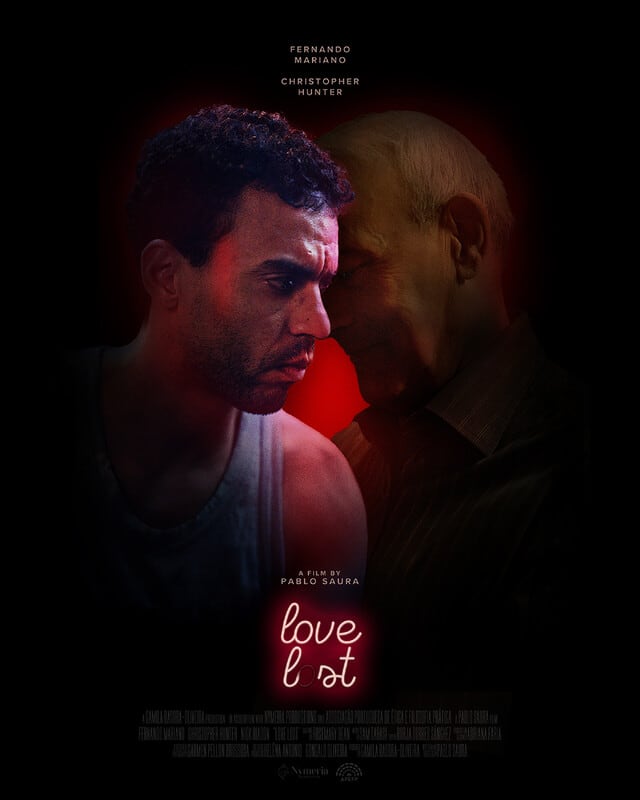
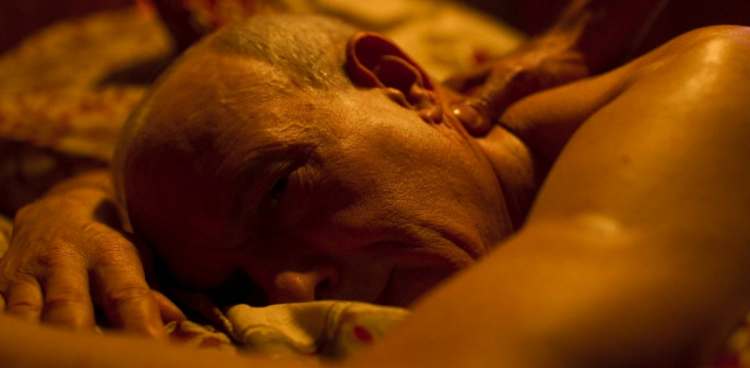
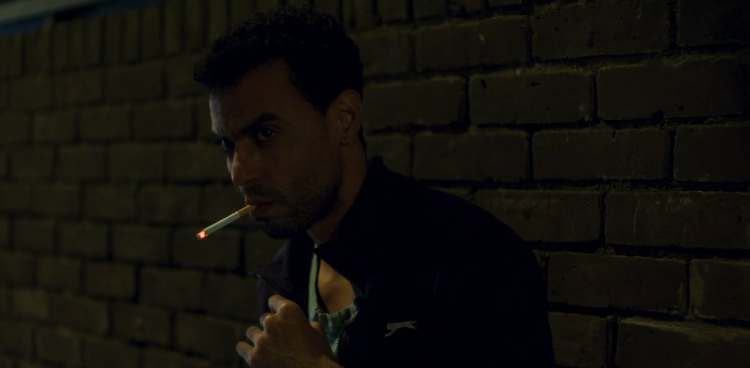

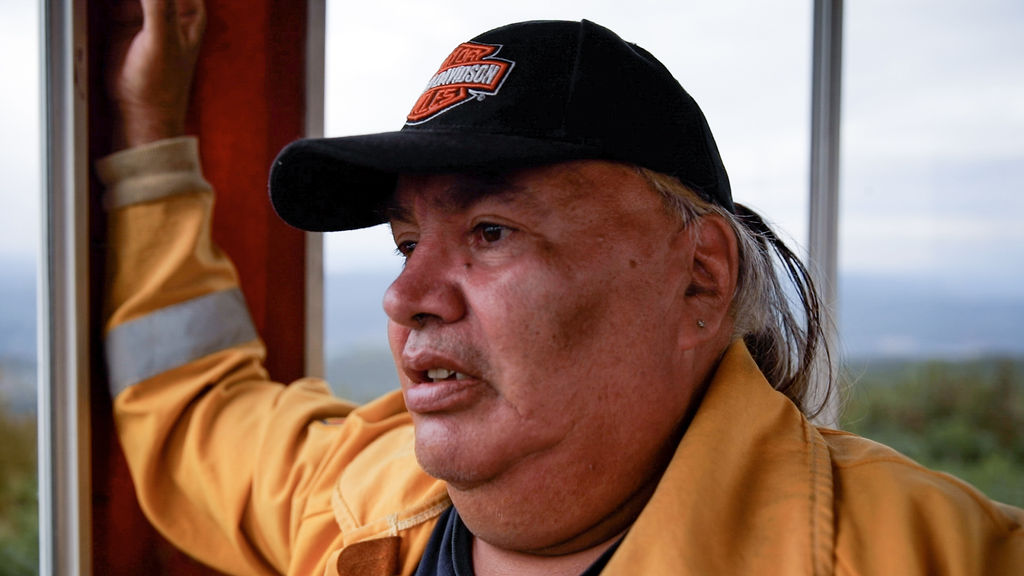


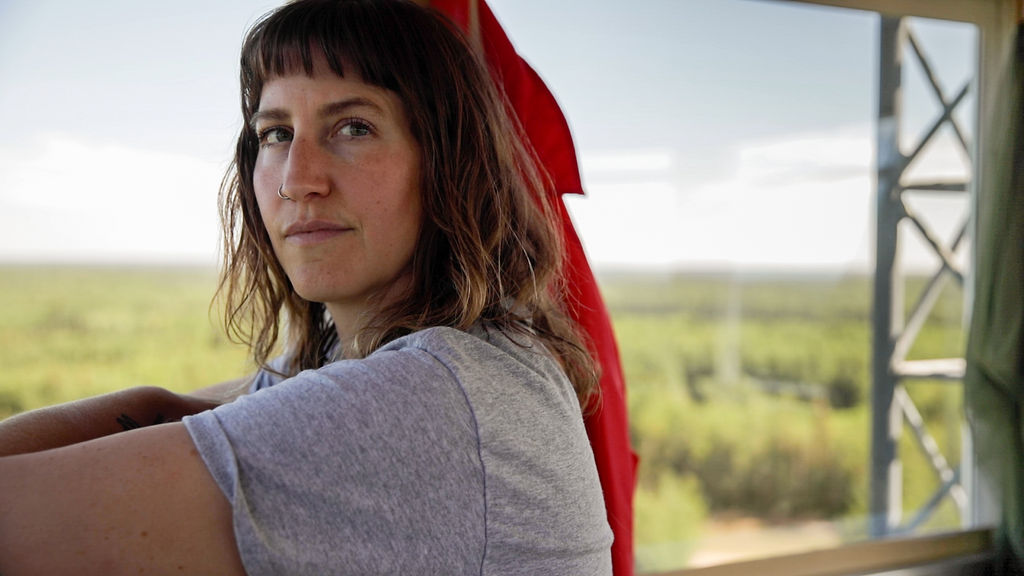

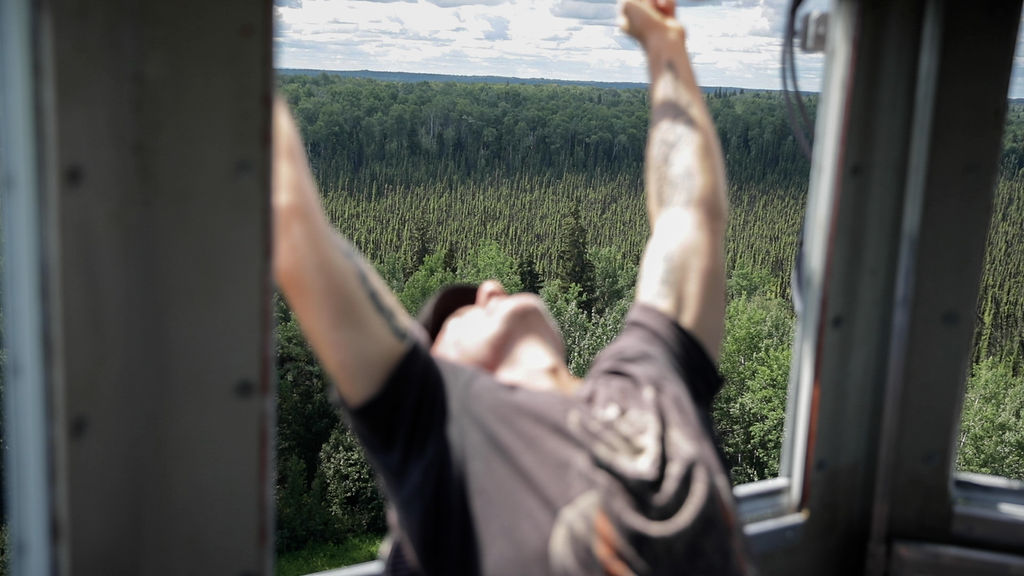

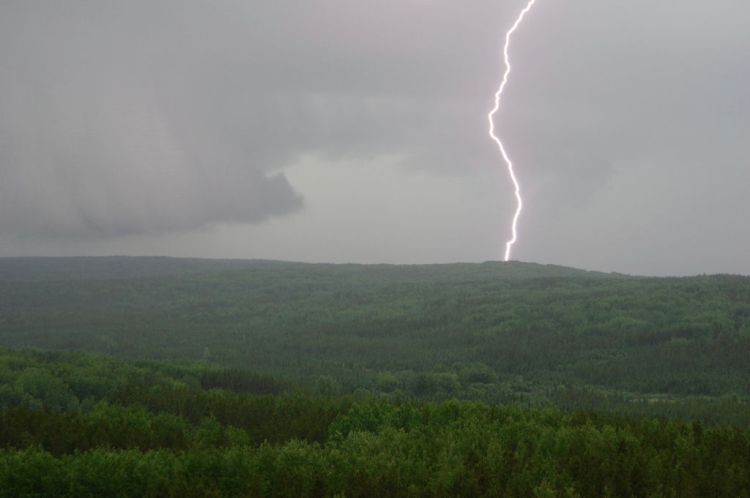

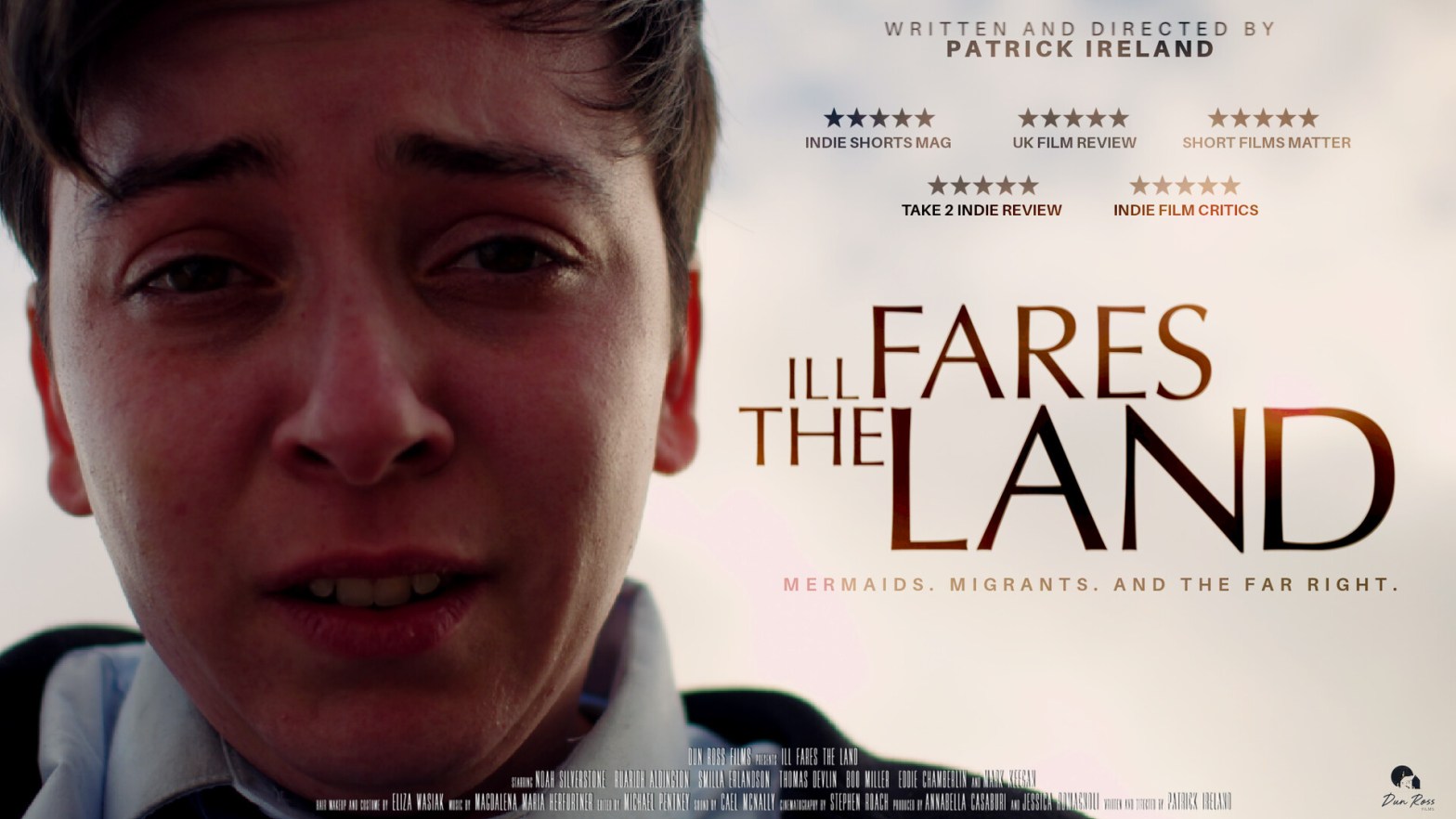


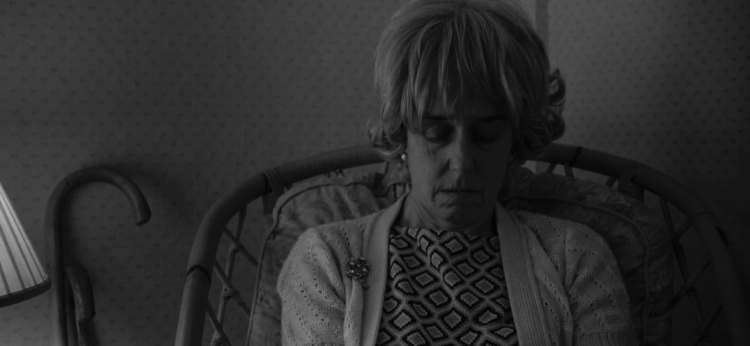



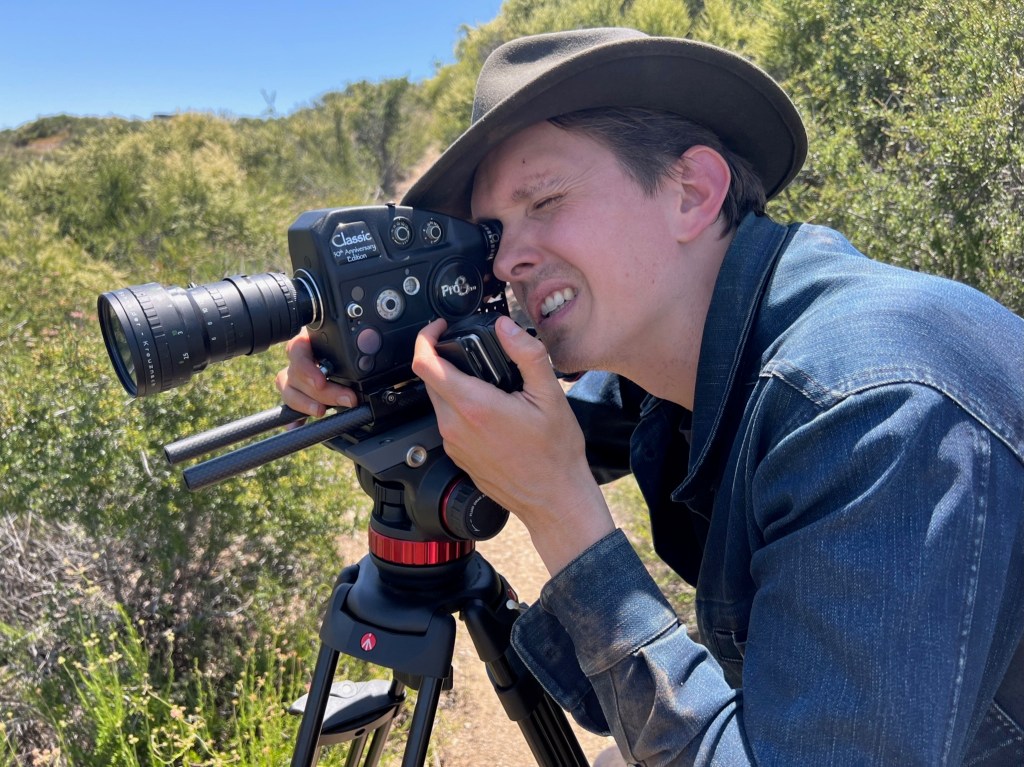


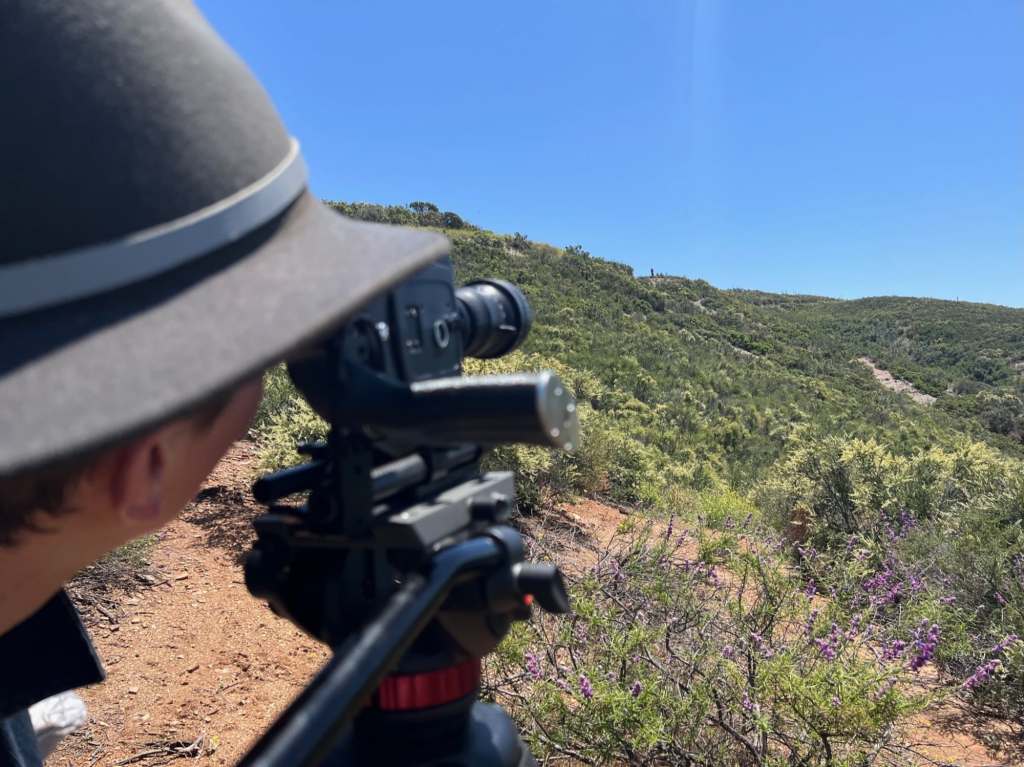
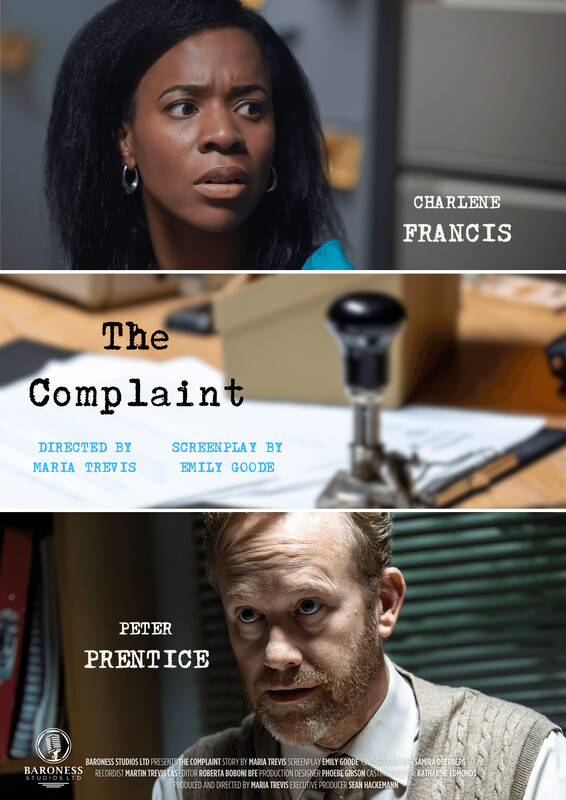

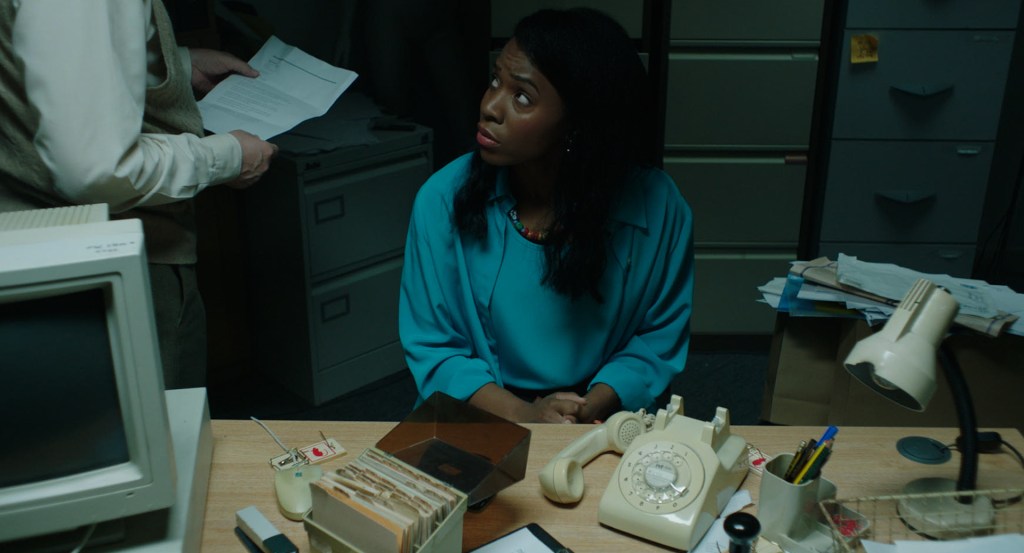


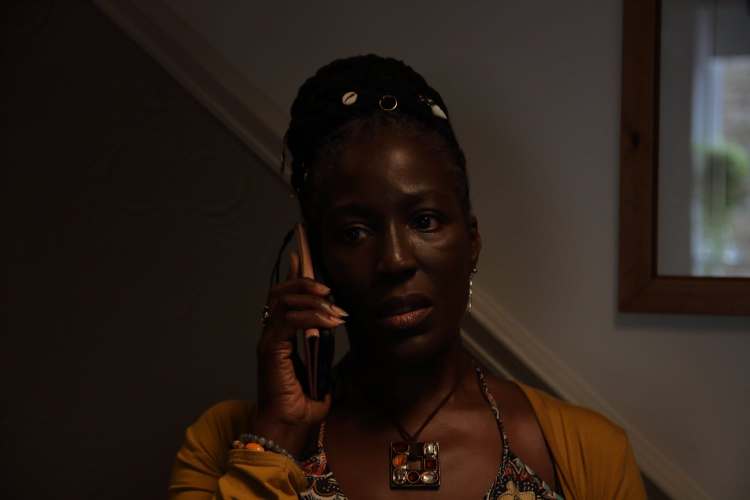


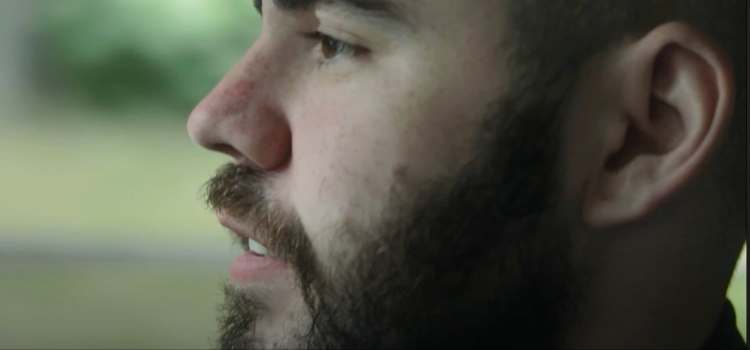


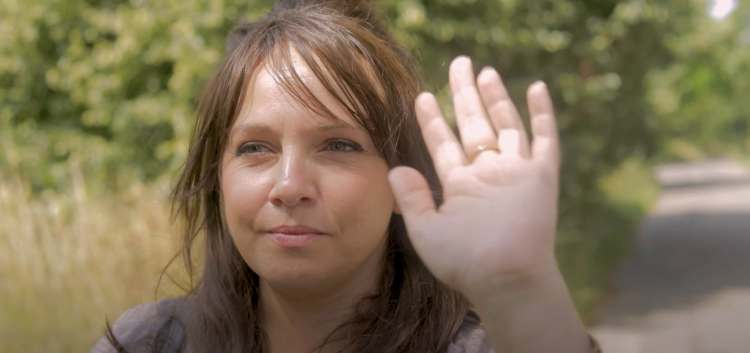
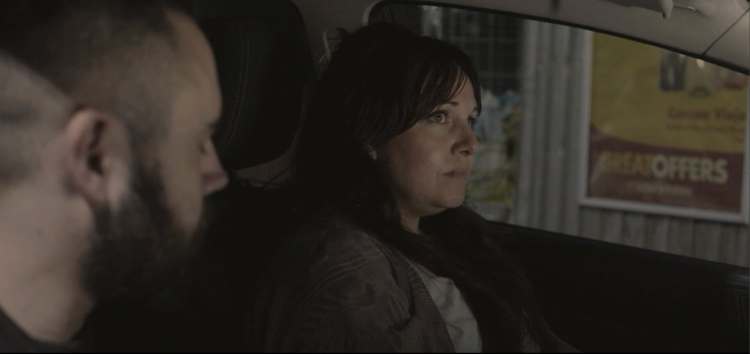


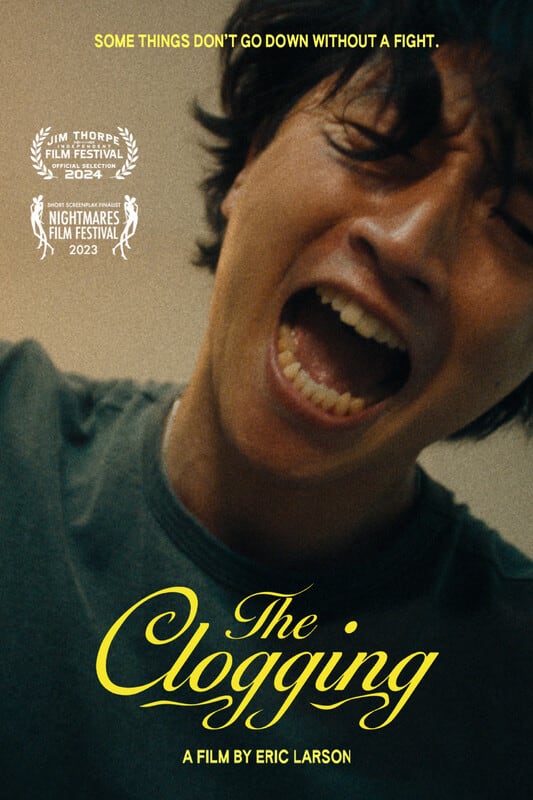
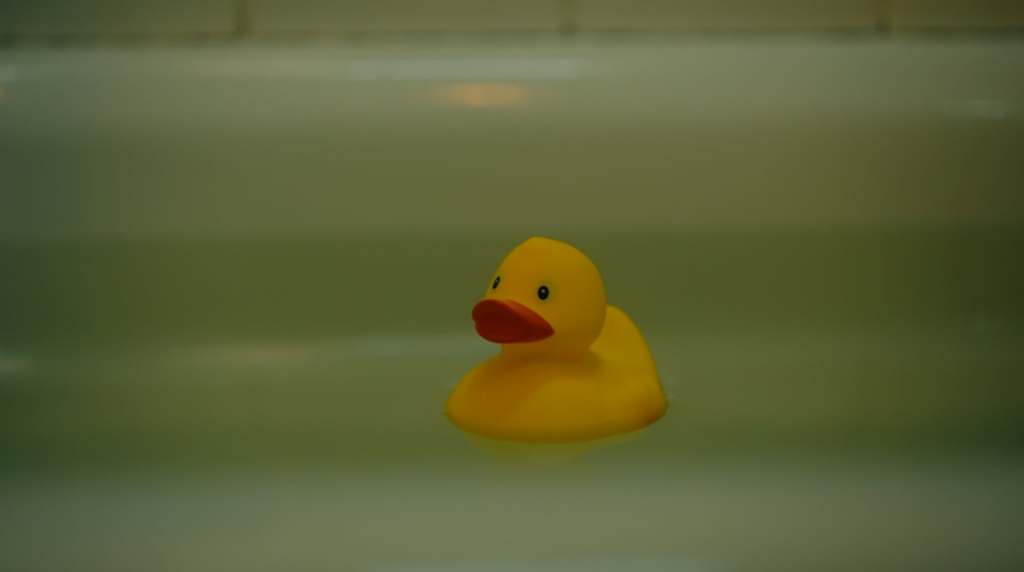
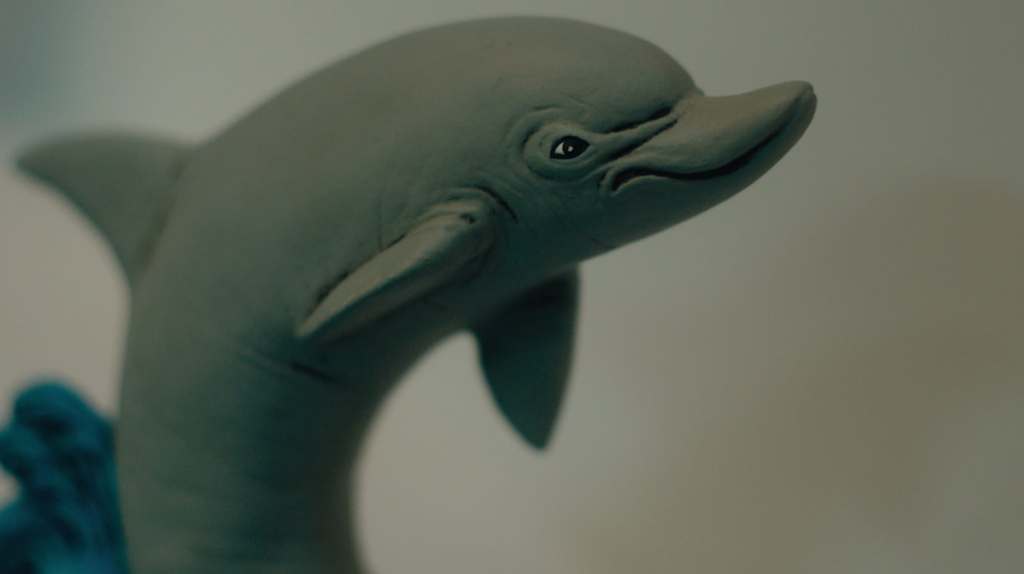


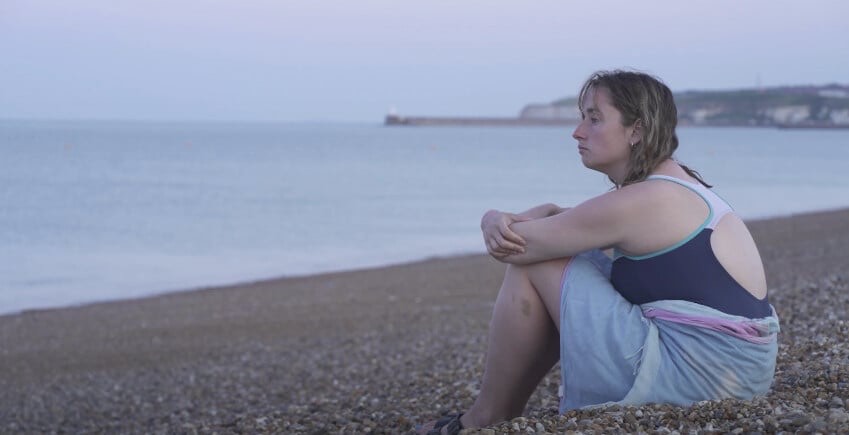


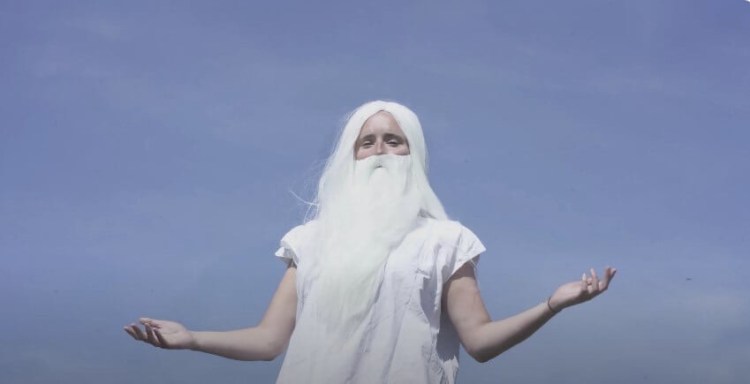
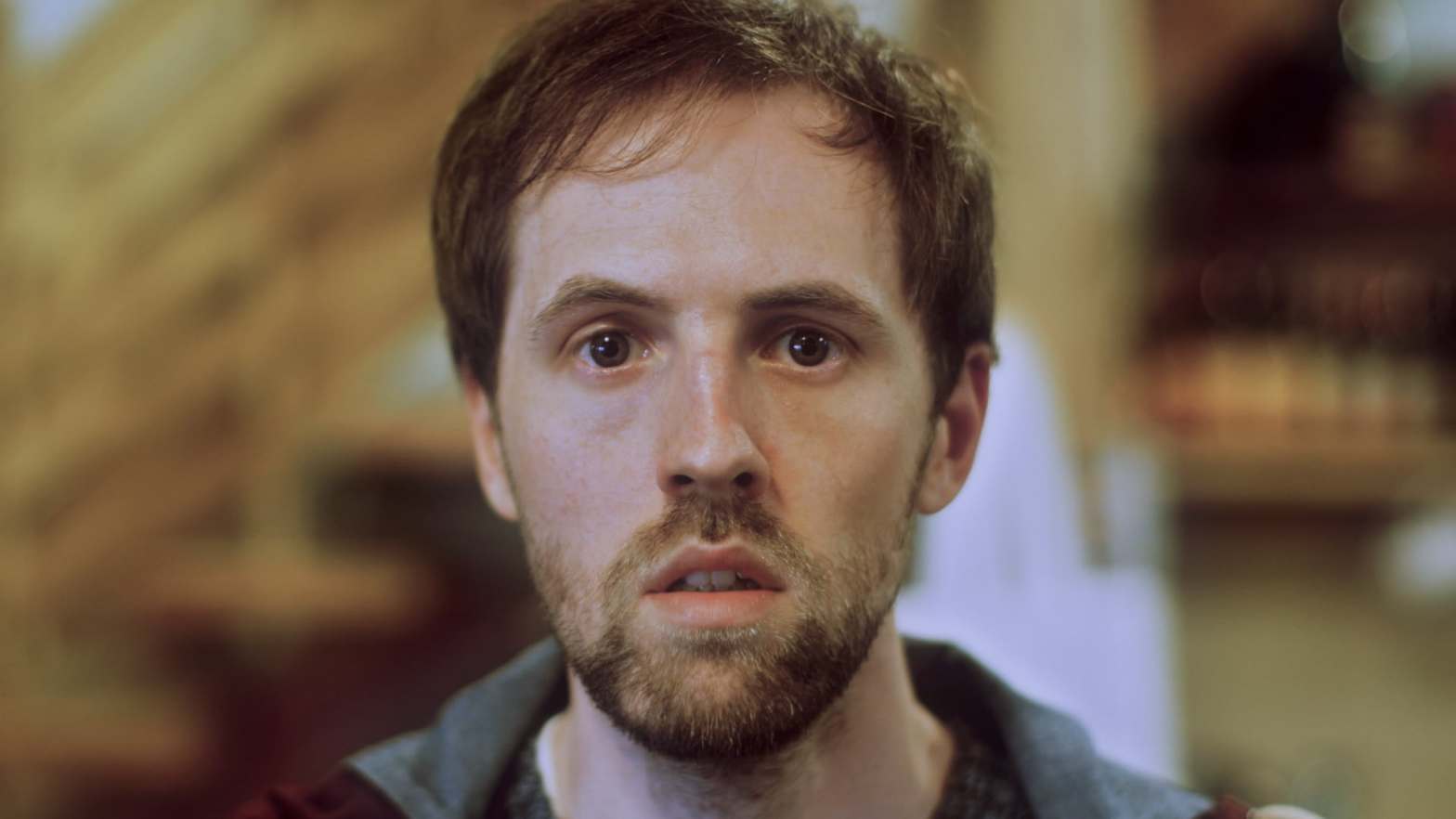


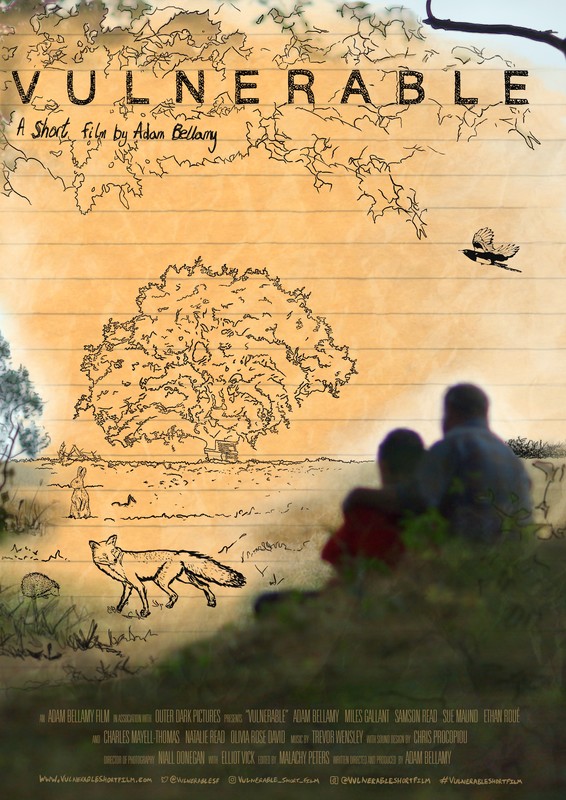
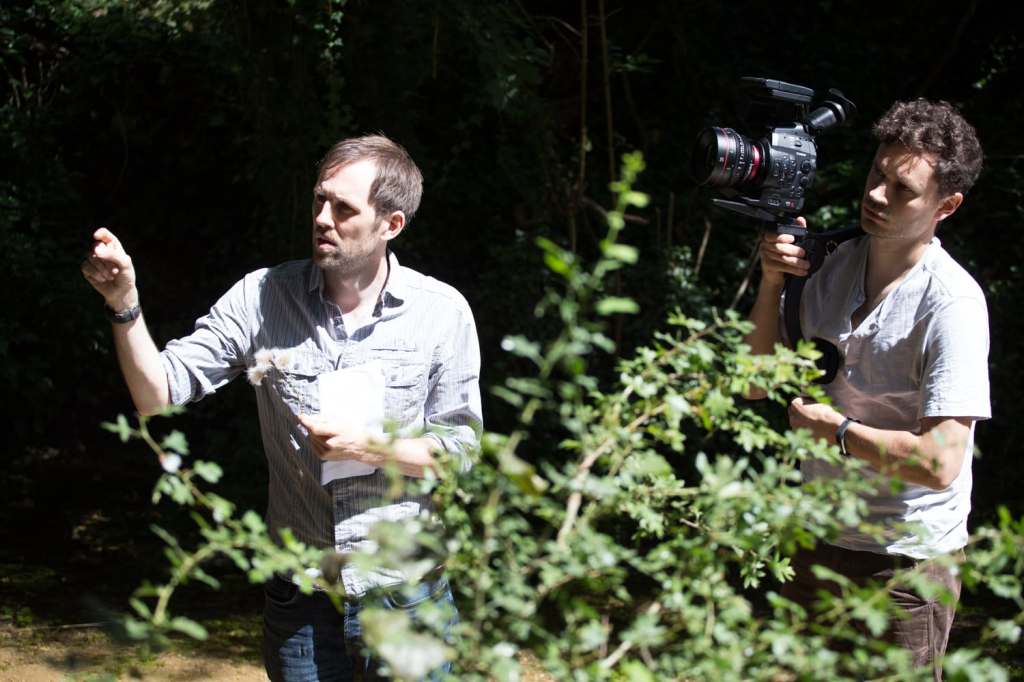

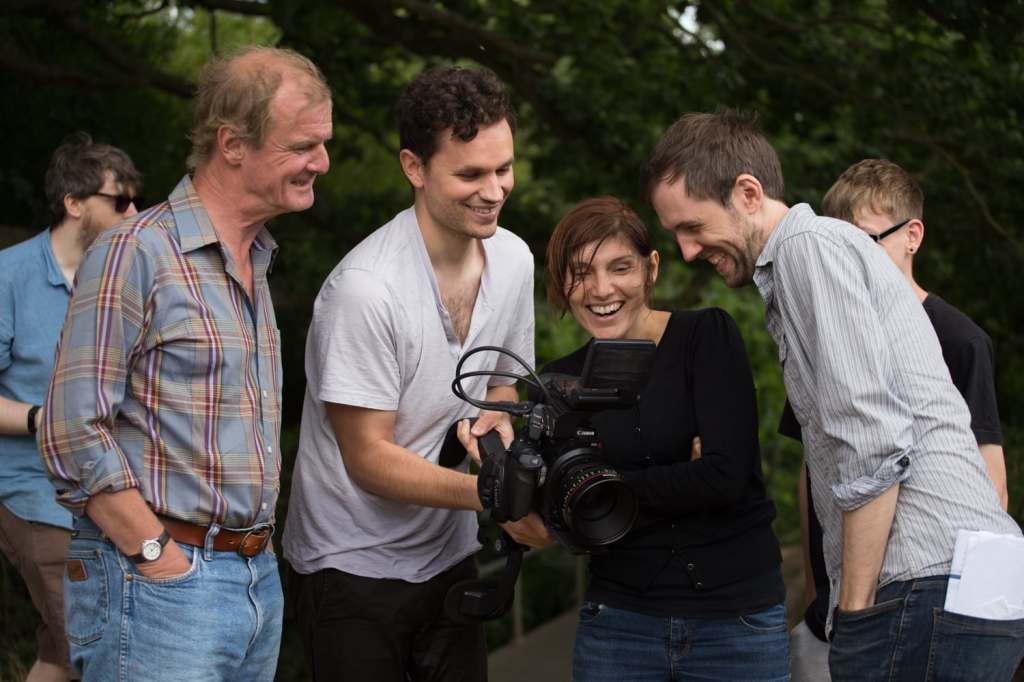
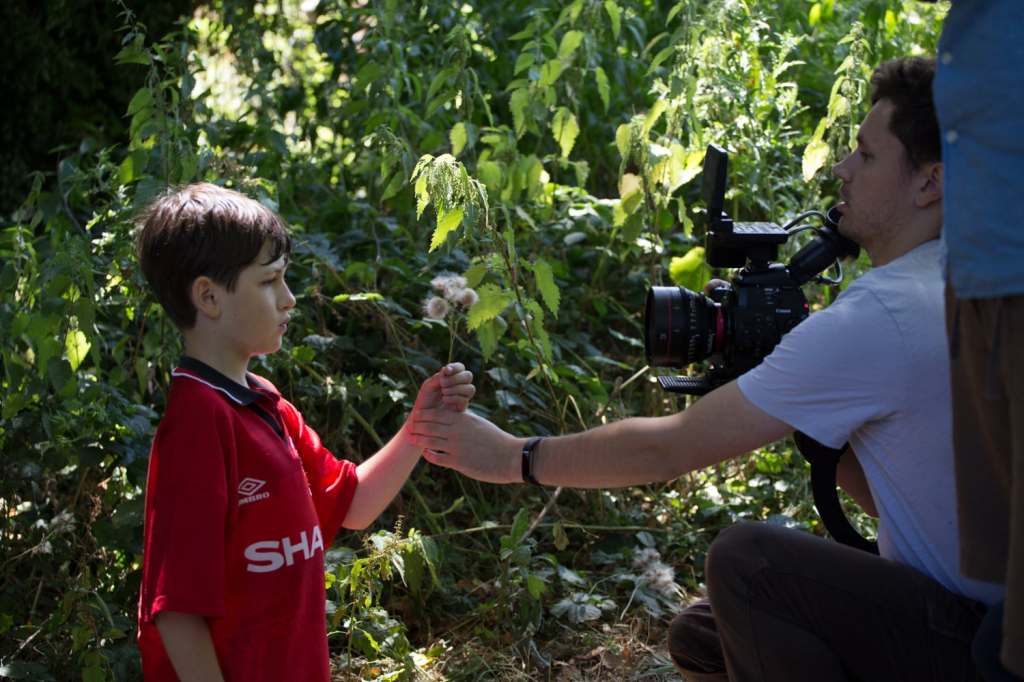
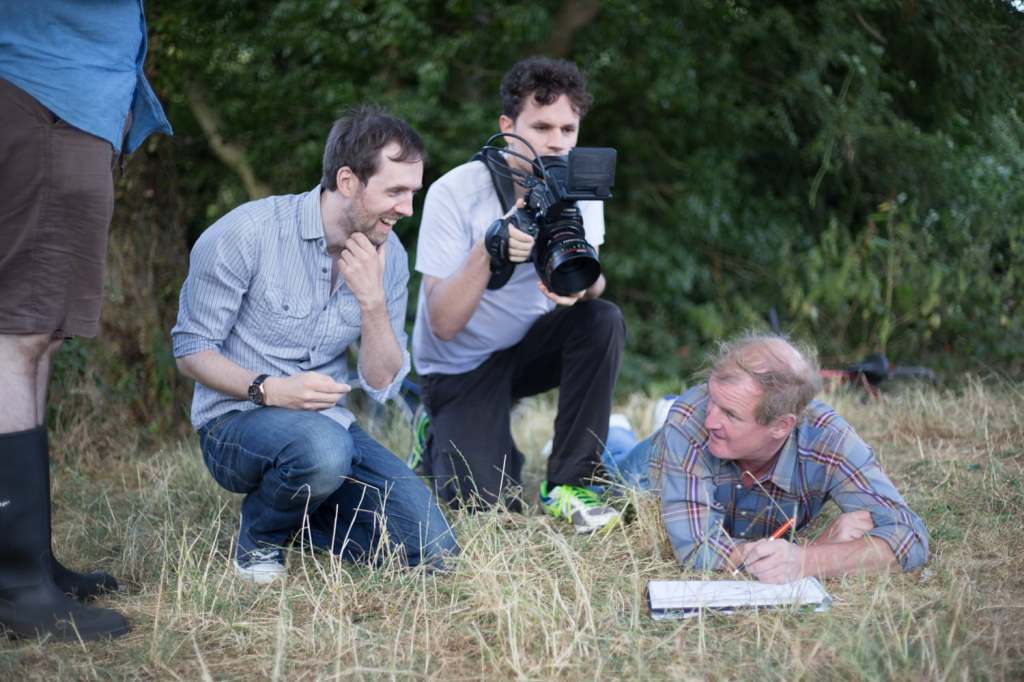

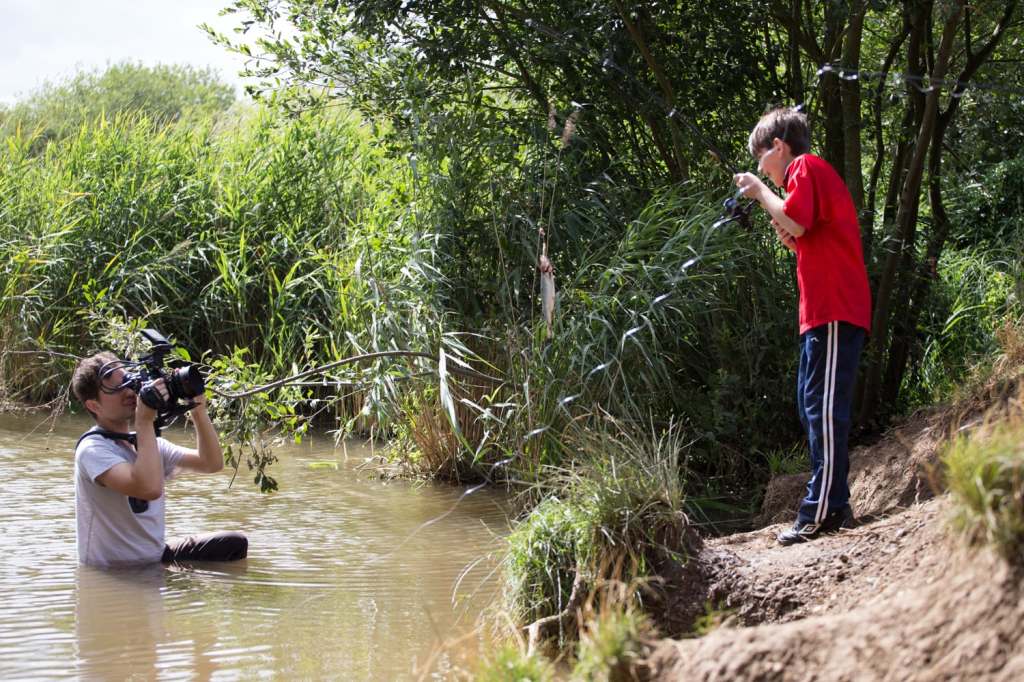
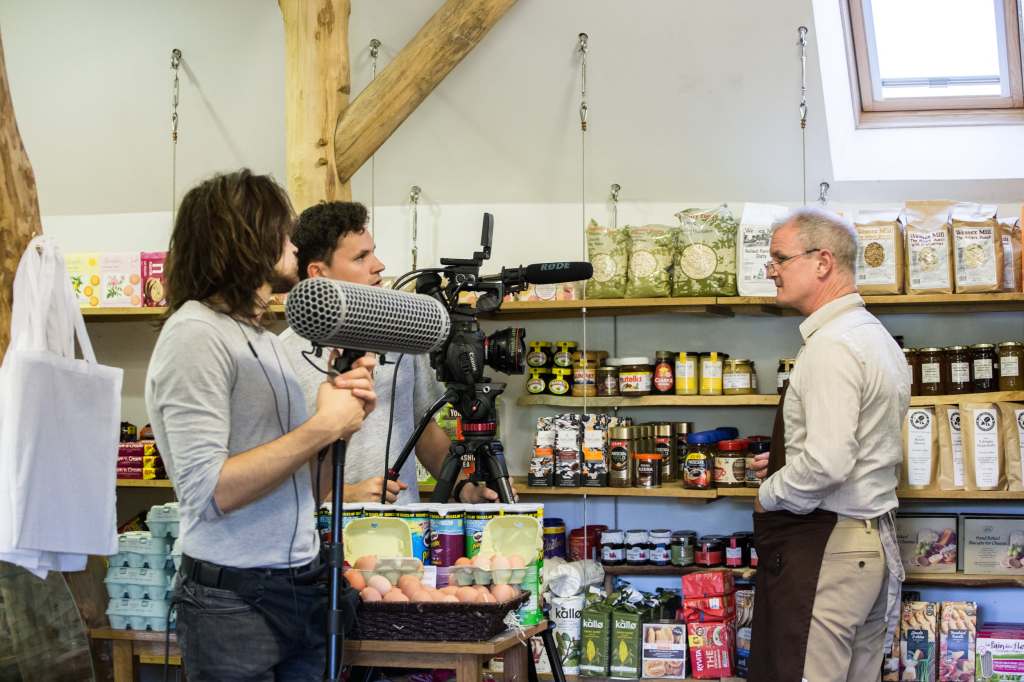
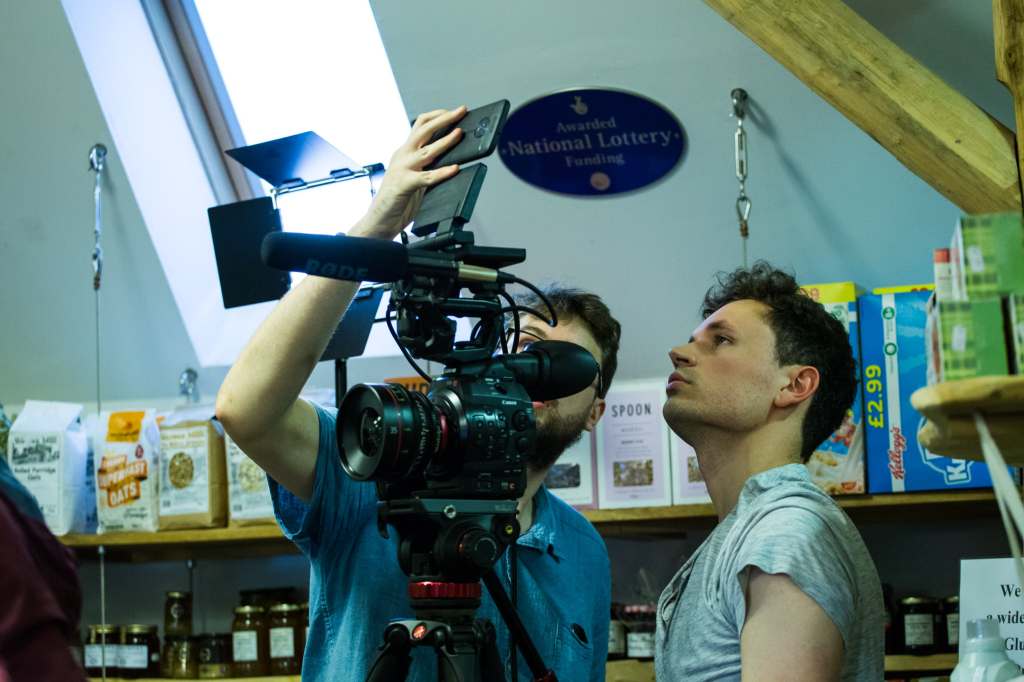
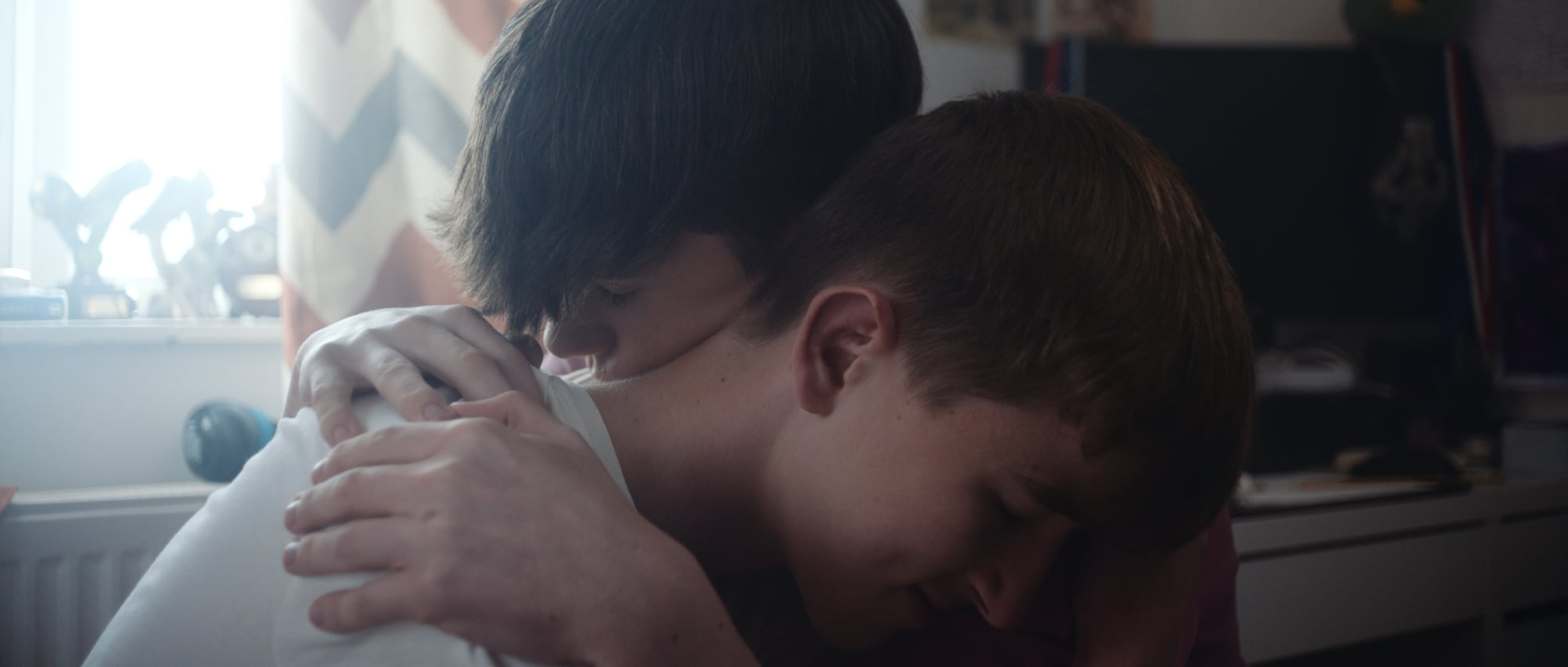
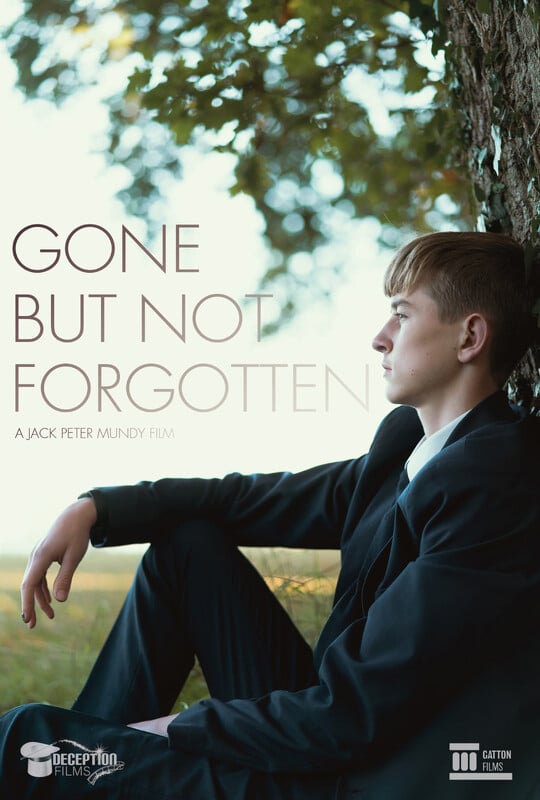
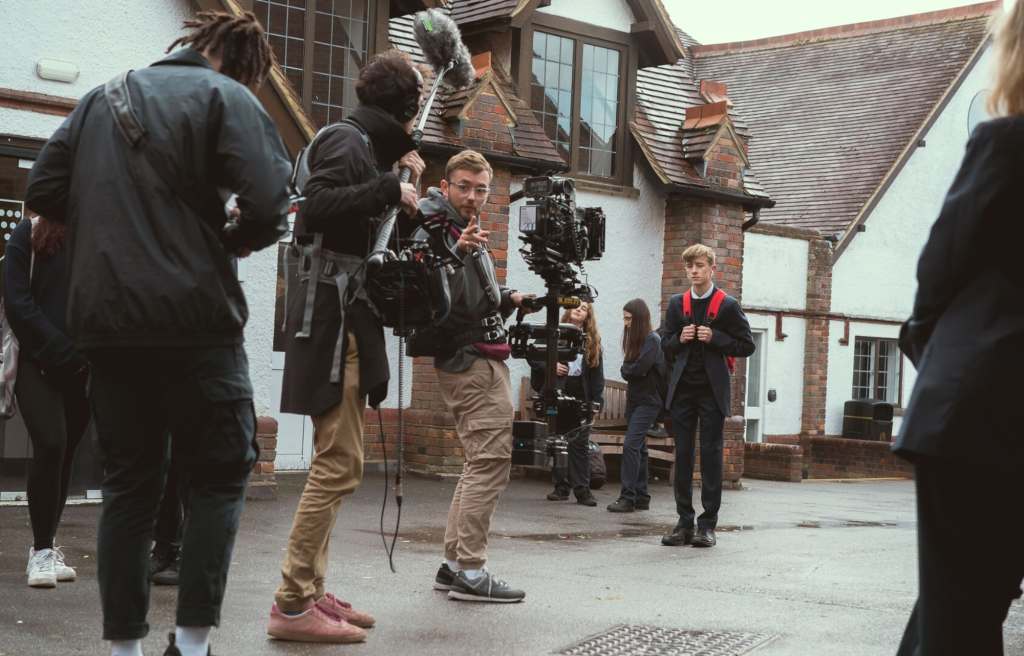

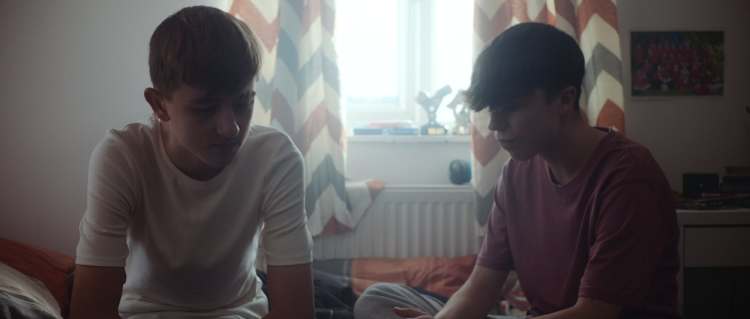
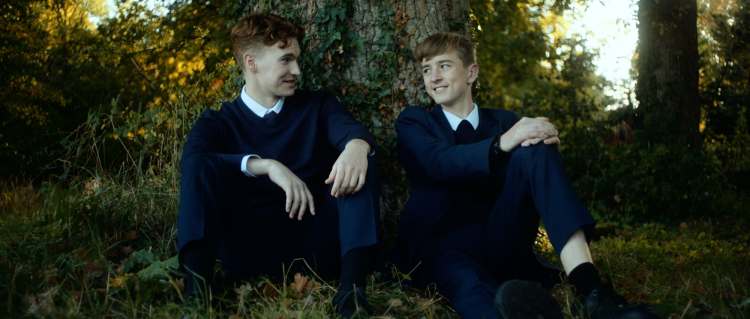
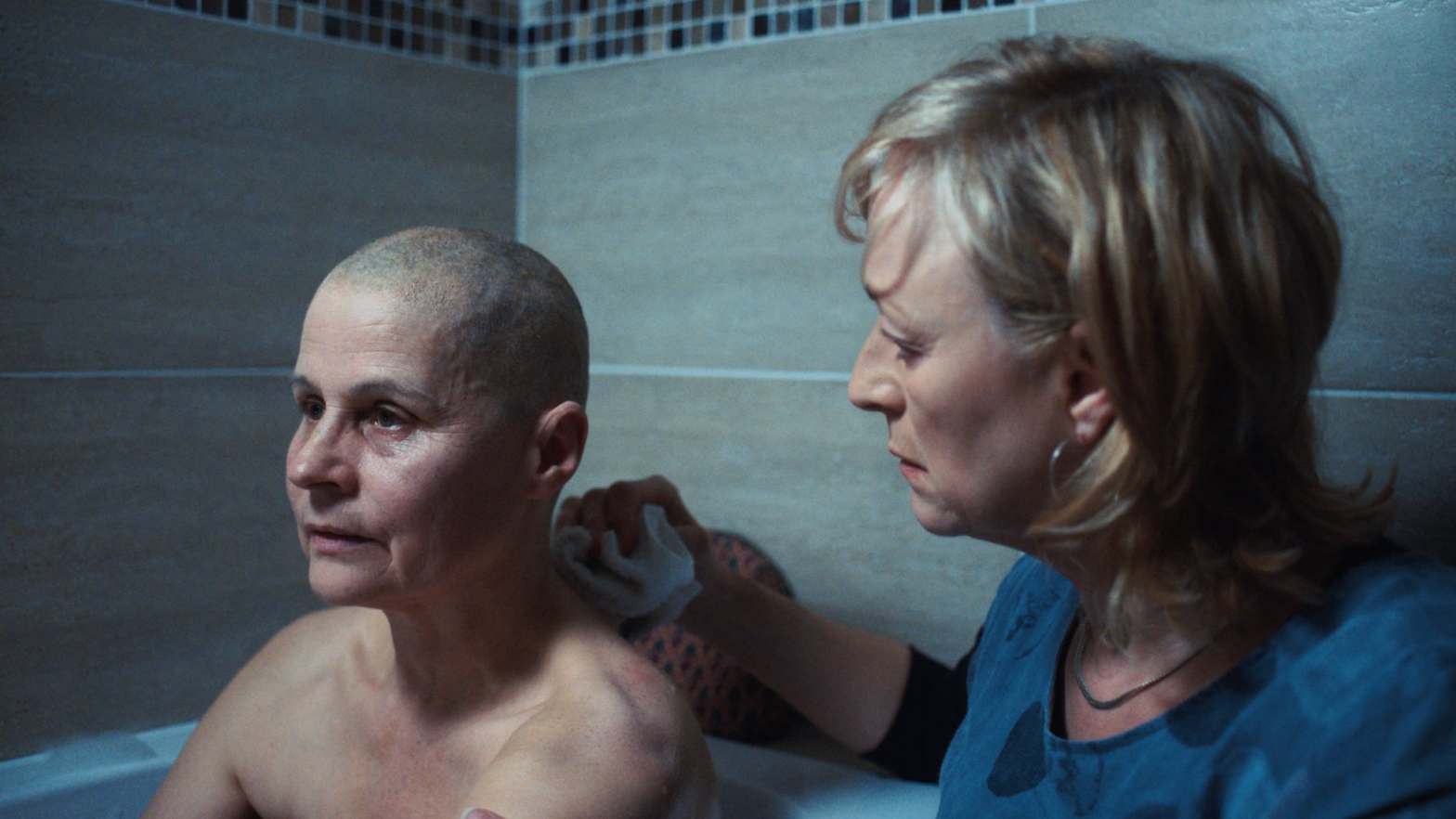
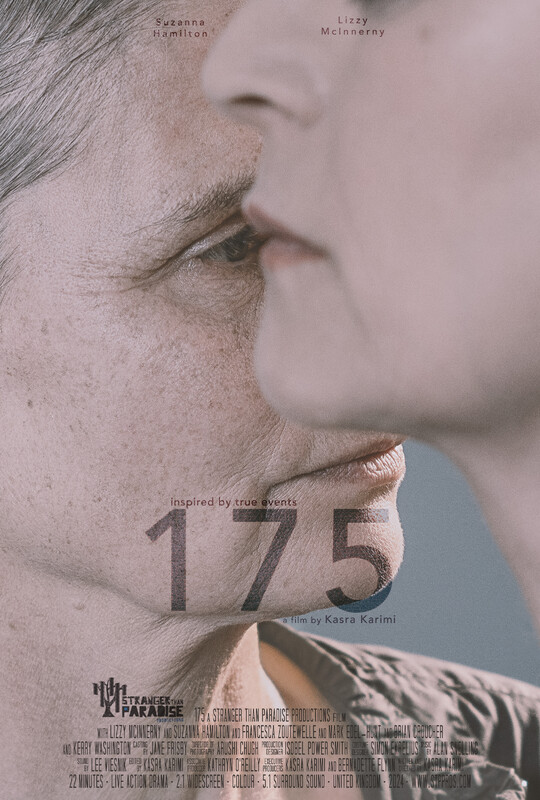
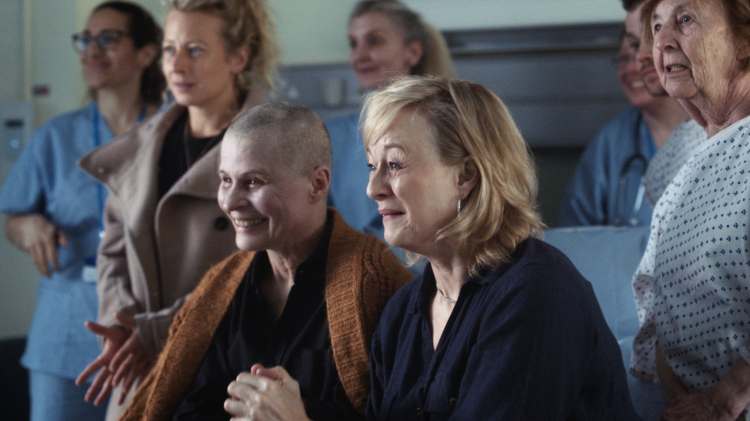
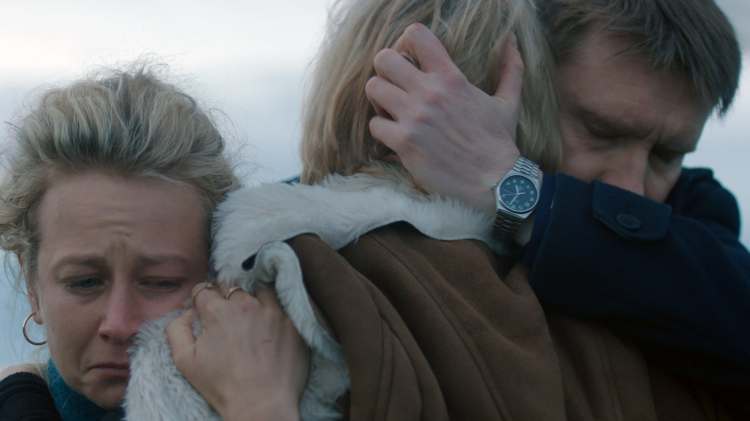


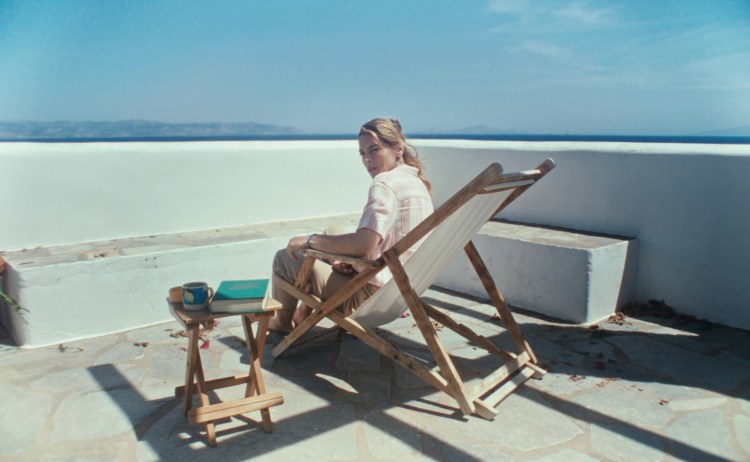
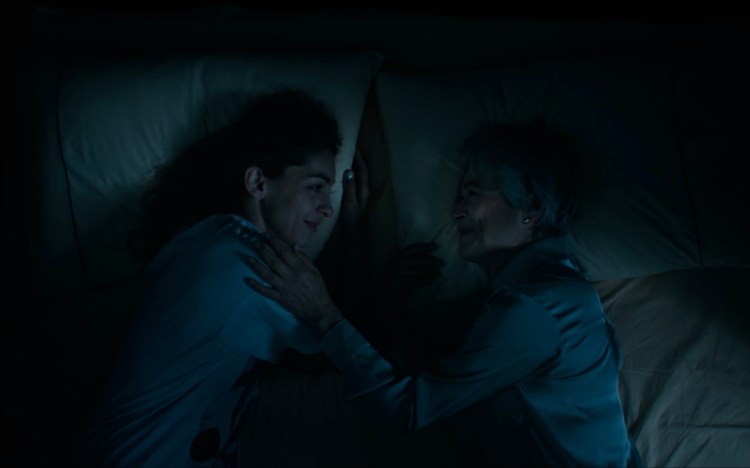


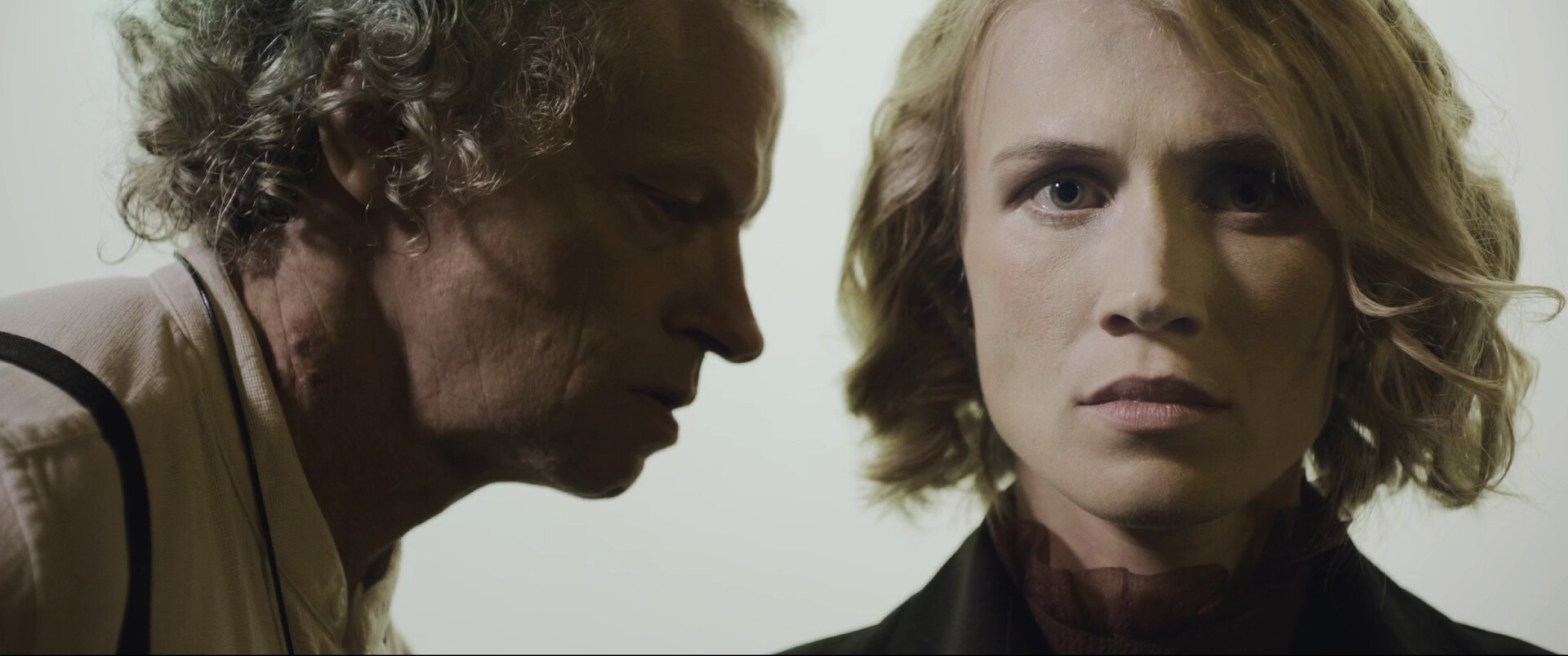
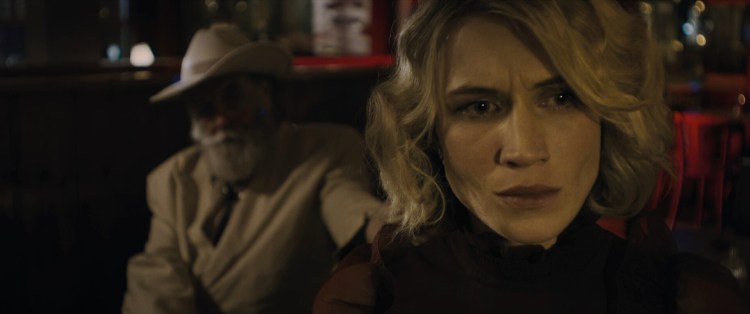
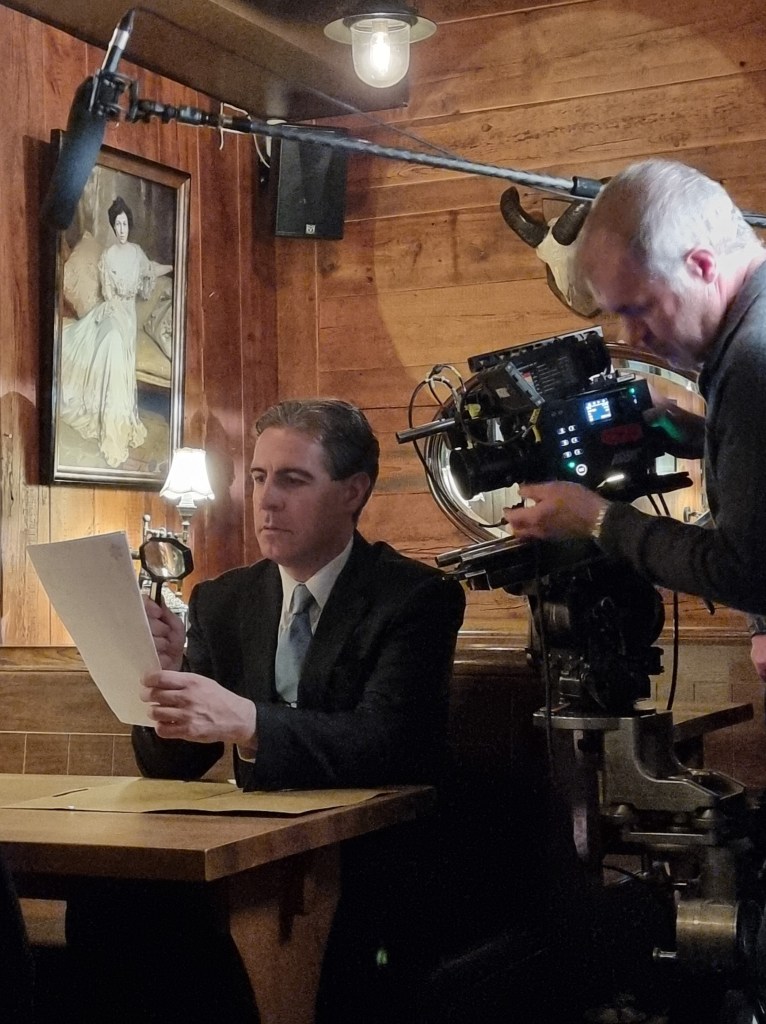

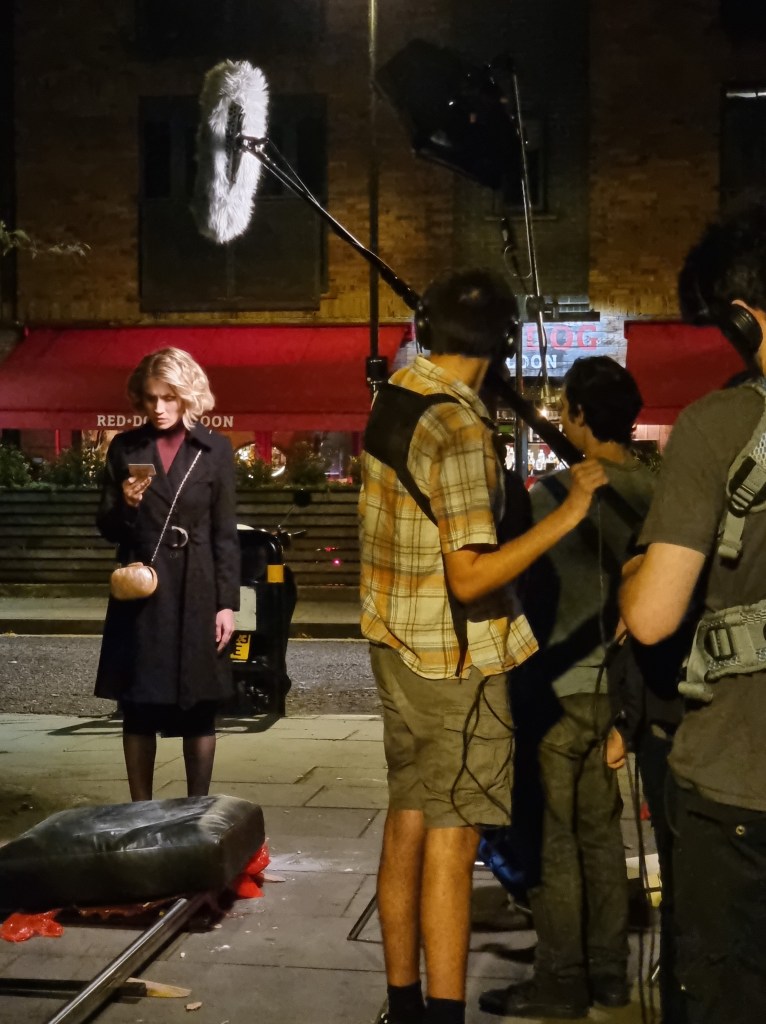
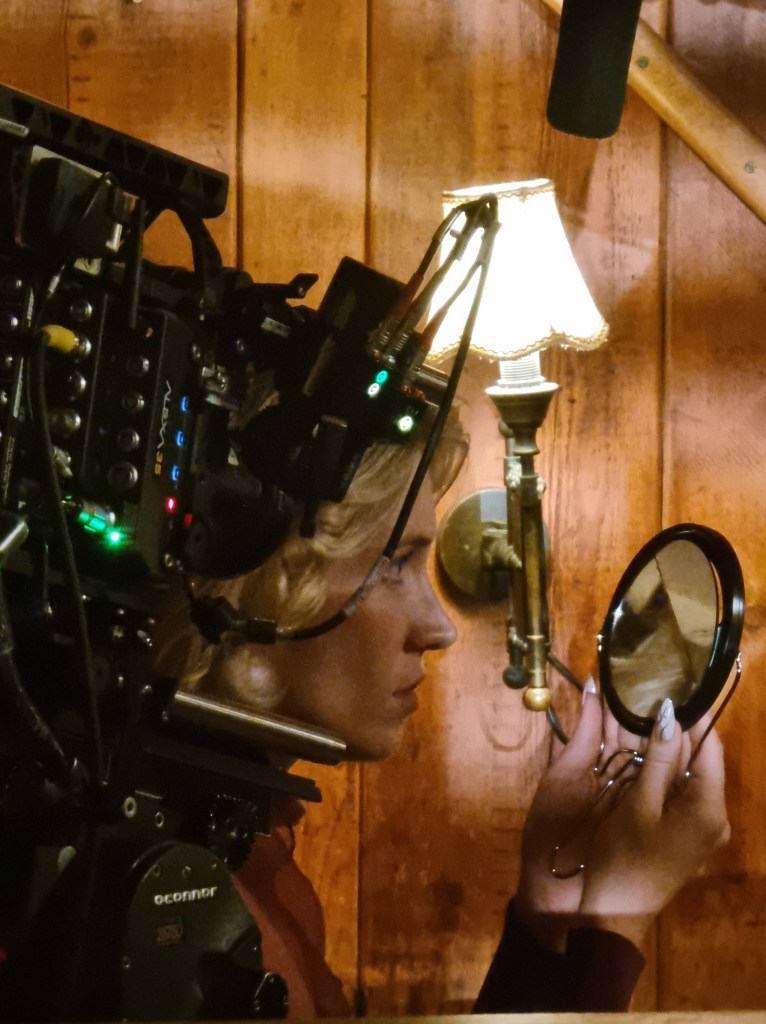


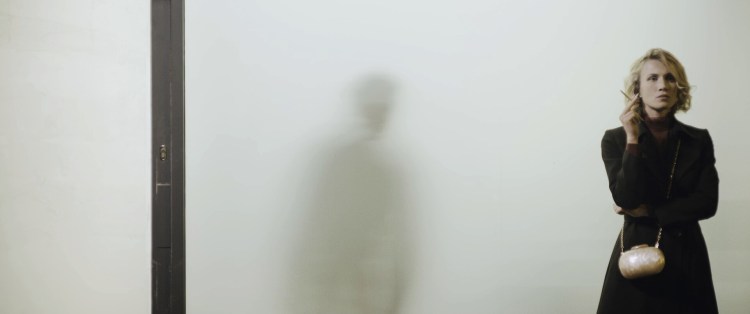
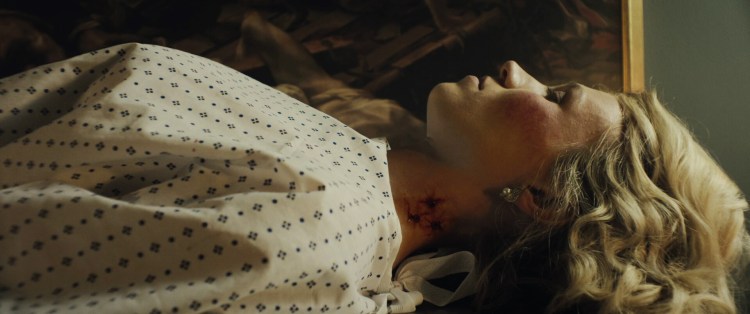


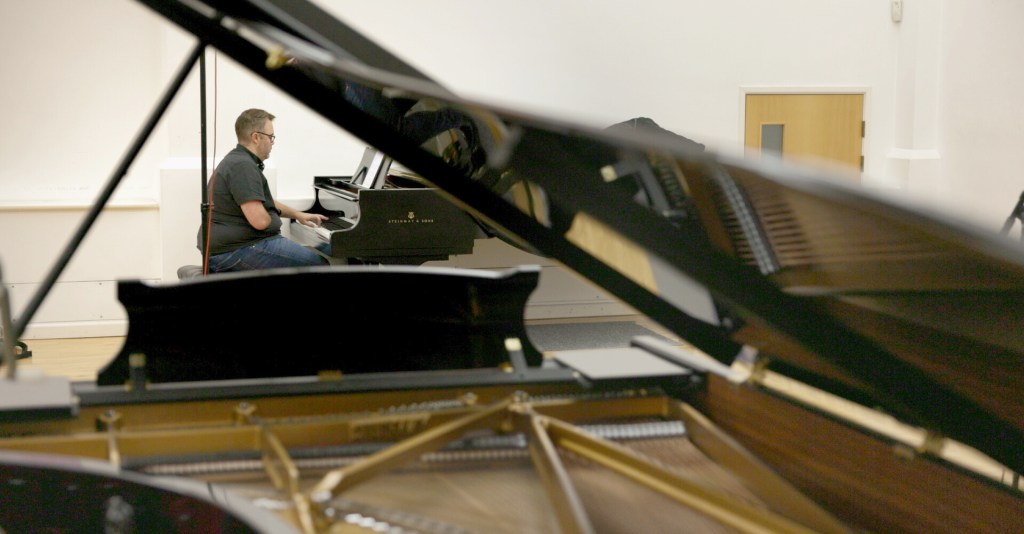
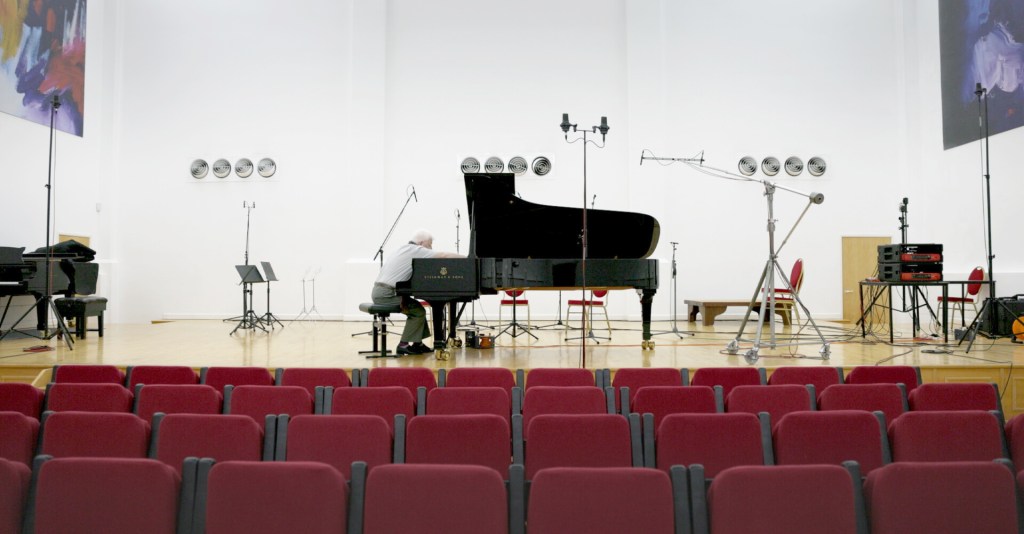
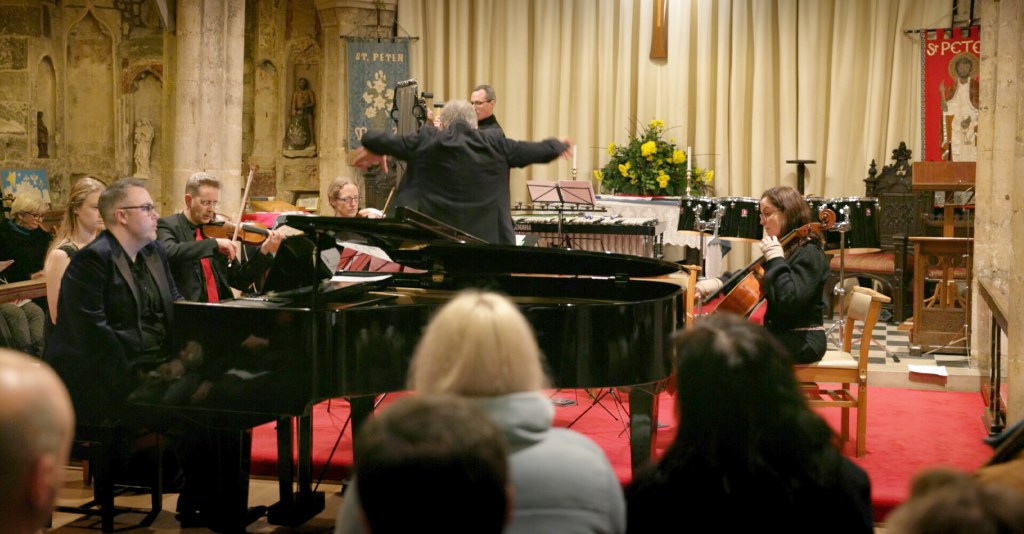


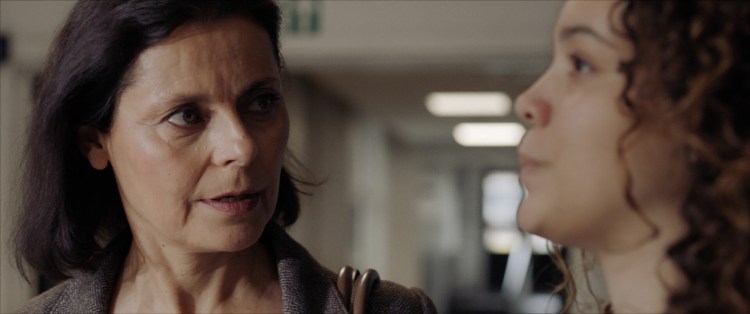


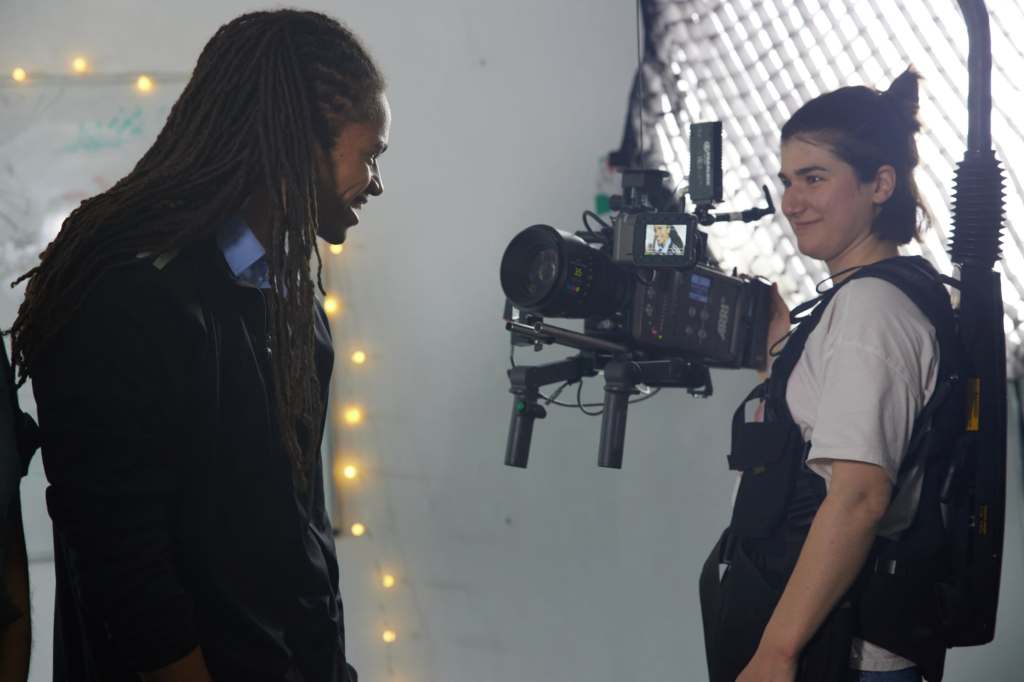

 Rocks Festivals Blog