

The opening scene of a film is as crucial as the first page of a book. It must captivate the audience, drawing them into a meticulously crafted world while offering a glimpse of the narrative treasures within. Shouting at the Sea written and produced by the team at Toffee Hammer and directed by Benjamin Verrall, achieves this with finesse. The film begins with an enigmatic establishing shot of foamy, grey waves rolling over a pebble beach, accompanied by the gentle lull of narration. This, paired with images of a quintessential British seaside town, immediately grounds the viewer and sets the stage for the ensuing 18 minutes of nostalgic and universally resonant storytelling.
Beneath the surface of the initial hesitant conversation and tentative steps taken by two old friends—reunited as they ride Hastings’ historic funicular railway—lies a deeper narrative that unfolds gradually. As the film progresses, it takes the audience on multiple interwoven journeys, and the aptness of its title becomes increasingly apparent. Harry Michell and Maddie Rice deliver graceful performances as the central characters, their chemistry palpable and authentic. Through their interactions, we sense the weight of their shared history—the years of teenage camaraderie, the depth of their former friendship, and the pivotal moment that drove them apart.

The screenplay, crafted by a team of collaborators who also serve as producers, is thoughtful and deliberate. The film opens with Daisy Haggard’s poetic and soothing narration about the sea, a motif that continues throughout, juxtaposing the raw and revealing conversations between the two protagonists. The central theme emerges at just the right moment, as the pair wander through the tired yet nostalgic arcades they once loved as children and explore the charm of Hastings’ independent shops. Ultimately, the film poses a timeless question: Is it better to leave behind the familiar, escape our pasts, and forge new paths—or to stay rooted in the place that shaped us?
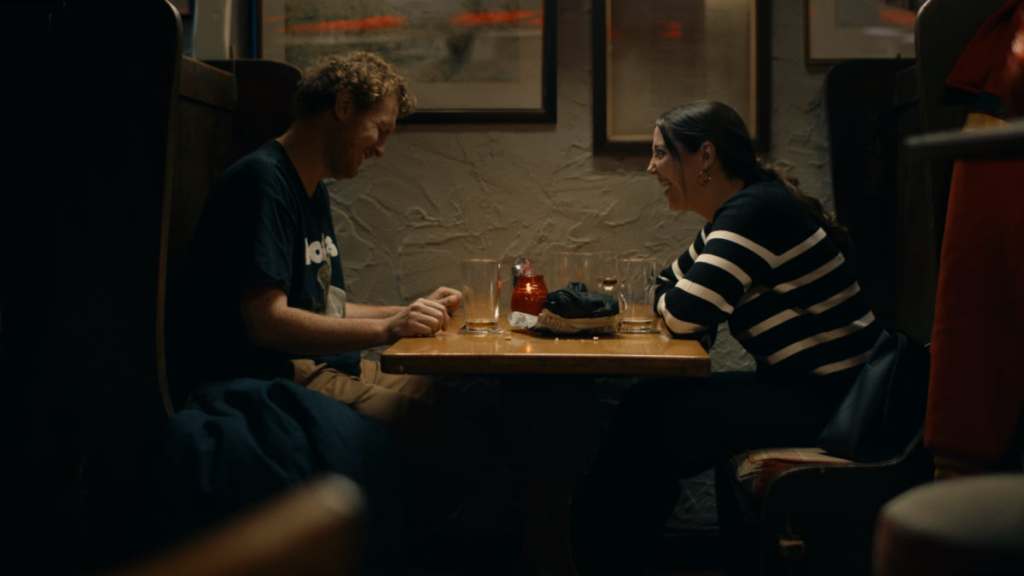
A final note must be made of the film’s standout cinematography, which is both engaging and evocative. Over the course of a single day, the audience is transported to a variety of locations—softly-lit, creaky old pubs, quintessential British benches, cobbled lanes, and, of course, the pebble beach at night. These settings are seamlessly woven together, creating a visual tapestry that enhances the narrative. Shouting at the Sea even manages to render the harsh lights of the arcade inviting, while wide shots of the town immortalize the fading grandeur of a classic seaside destination—a place left behind but not forgotten.
 Rocks Festivals Blog