
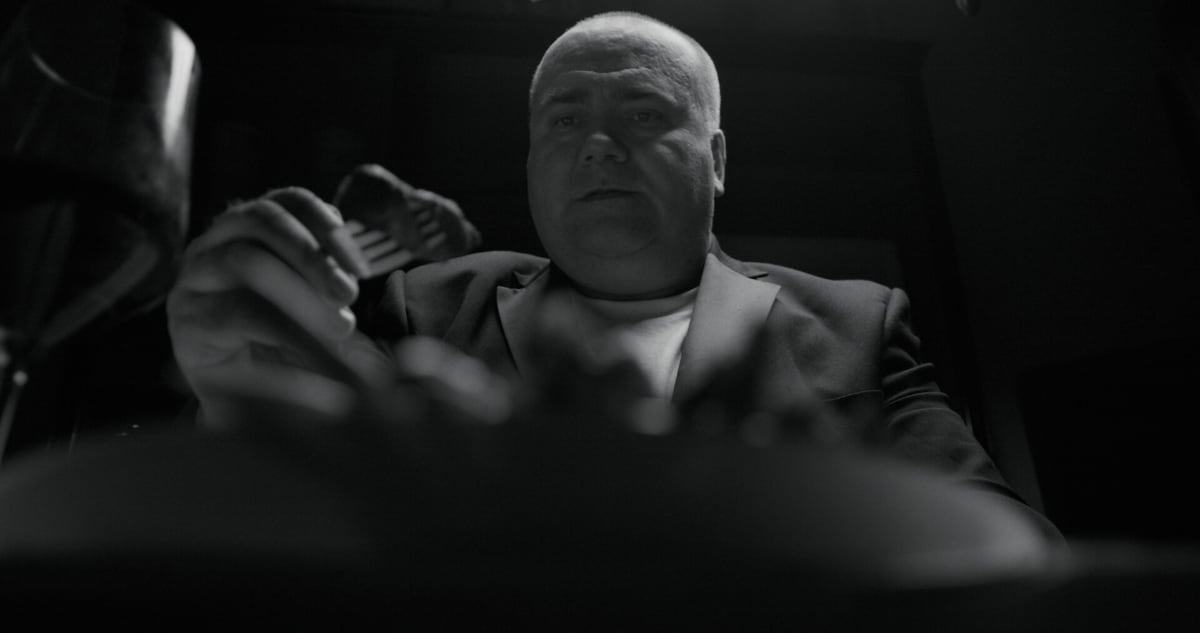
Luis Buñuel, one of the most influential filmmakers of his era, was lauded for his avant-garde approach to cinema, delivering scathing critiques of bourgeois society through outrageous and morally provocative scenarios. He delighted in skewering the pretensions and hypocrisies of the upper classes, employing surrealist techniques to expose the absurdity of their social conventions.
London-based writer and director Gregory Wait, of Hippogryph Films, pays homage to this great master with the aptly titled ‘Buñuelesque’. This modern psychological thriller marries quick-witted, acerbic writing with luxuriant surroundings, set against the backdrop of a dreaded upper-class dinner party. However, all is not as lovely as it seems, as Wait adeptly critiques, satirises, and mocks the incompetent elite who appear to have evolved little since Buñuel’s time and his 1962 masterpiece ‘The Exterminating Angel’.
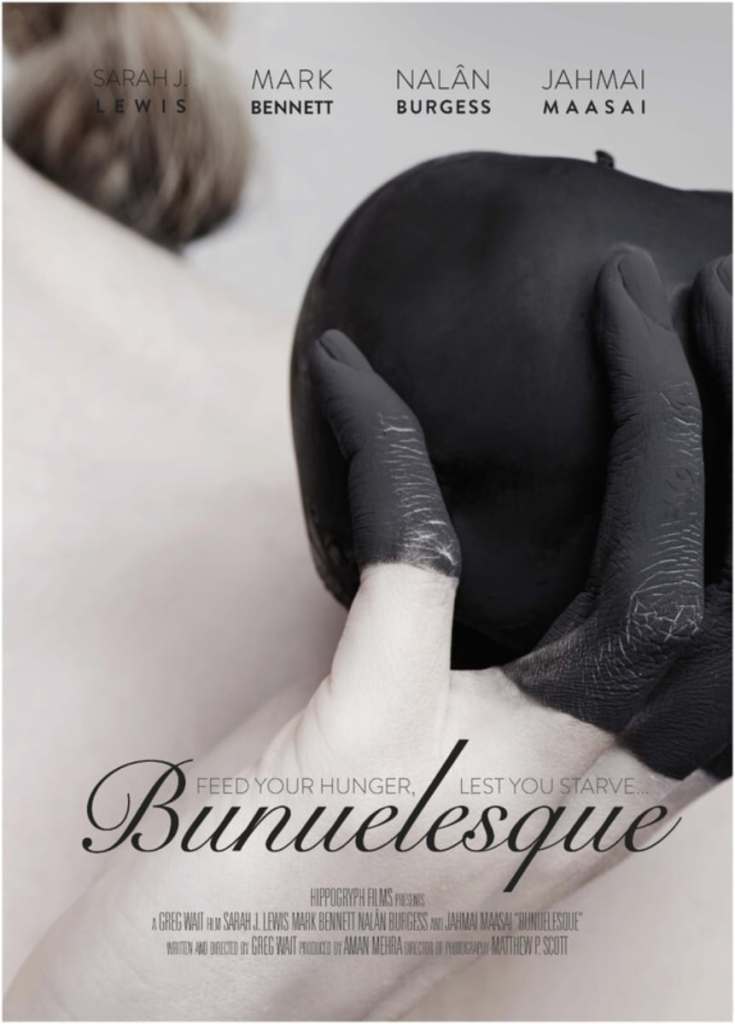
Buñuelesque focuses its lens on the inherent wealth underpinning these discussions, bringing it to the forefront of the characters’ dialogue and beliefs. As they sit enraptured in conversation, their dinner turns cold.
The writing is the film’s cornerstone, seamlessly complemented by astute casting and performances of four detestable individuals. All preened and dressed to the nines—appearances matter, don’t you know?—our protagonists superficially have their differences and unique opinions, yet they are cut from the same cloth. Wait’s genius lies in casting slightly different looks and accents, avoiding a homogeneous group one might expect at such a table which adds to the bizzare, surreal nature of his tale.

We encounter an obnoxious, overly posh-accented brunette who declares, “What really makes me retch is this thin veneer of doing it to protect the less fortunate.” A younger wife, whose intentions with her new beau are left for the audience to decipher, wistfully mourns her lack of upcoming luxurious foreign holidays and announces that everyone can relax as “we’ve moved on from politics to feminism”. The self-proclaimed “wealth creator”, whose accent perhaps betrays a less privileged upbringing, now entirely believes that without people like him, the world would crumble. Lastly, a more amiable chap who doesn’t quite fit in, makes futile attempts at defending the rioters, quickly turning to nostalgia for the miners’ strikes. Yet, how can one sympathise with a person who calls the poor ‘naive’? One could wax lyrical about every line and facial expression around this table, and viewers are urged to sit tight, quiet, and engaged, drinking in every word.

The camera moves around the table not with ease but with an almost halting reticence. Whoever is in focus, as they ecstatically derive pleasure from hearing the sound of their own learned and vilified views, is examined by the camera for who they truly are. We cut to all four, spotting the differences between the alliances. Every tentative bickering between couples bounces back and forth. In his shooting and editing, Wait clearly demonstrates an understanding of planning and proves he knows where the camera should always be pointing and when, in that crucial post-production process, to cut and snap the audience’s attention.

‘Buñuelesque’ is enthralling, with much more to delve into than can be covered here. It demands to be watched, absorbed, and questioned. Finally, one must note the subtle but incredibly effective FX. We don’t know why our dinner guests are dropping like flies, why they are unable to physically let any food pass their lips, or why they can’t escape. Personally, I don’t think they deserve to; they are trapped in a hell of their own making, and from all their cocksure posturing comes ash and dust.
 Rocks Festivals Blog