

Writer and director Pablo Saura’s ‘Love Lost’ is a tale of loss, longing and an unyielding quest to find connection, but at its heart, it is a family drama. Saura deftly diverts our expectations as the narrative unfolds, leading us to believe that what we are embarking on is a sinister snapshot of the underbelly of a men’s bordello, but the truth is sadly, much darker and more tragic.
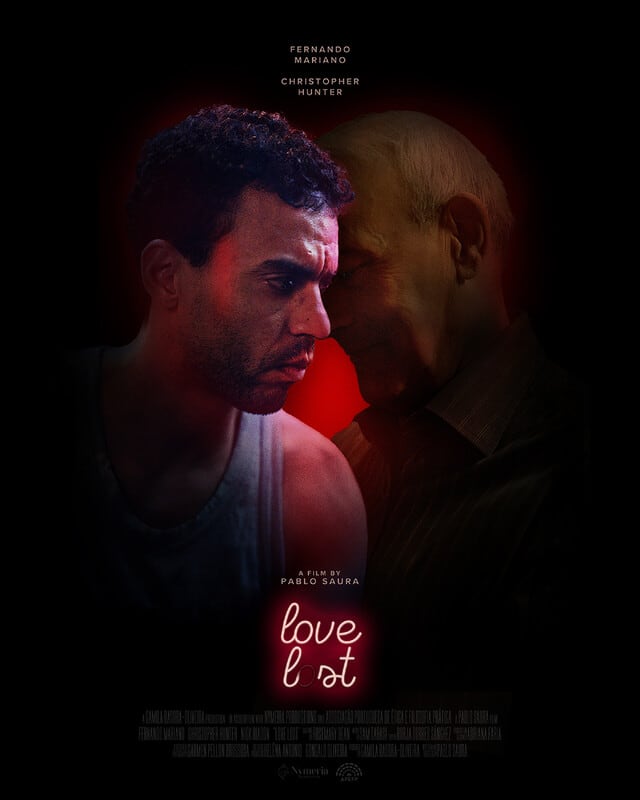
At its core this is a family drama, deeply rooted in human emotion and which—hopefully—transcends queer audiences. Longing for a parental figure is something that we’ve all experienced on some level. Here we get to see João playing out his longing and we get to see the lengths to which he’s willing to go to connect with his father.
João, a Portuguese immigrant appears to be desperately trying to find his place in a country which isn’t his, but we soon learn there is something more profound about his quest than a need to fit in. Saura’s writing is an exquisite example of how you can explore issues of race, belonging, immigration and family in a subtle and nuanced manner which is a true delight to see in a short film. Hailing from Spain and working with an international and diverse team, ‘Love Lost’ offers a poignant level of authenticity to what could otherwise have been seen as a tall tale.
A striking feature of ‘Love Lost’ is the juxtaposition of the levity and banter between João and his fellow workers and the actuality of their jobs as they ready themselves for their nightly roles. Being chosen arbitrarily by a man wielding his power through a one-way mirror is shocking to behold. Saura in no way seeks to glamourise or judge sex work, something which could be easily done in such a story, but shows us a wider universe which is so much more relatable and true-to-real life.
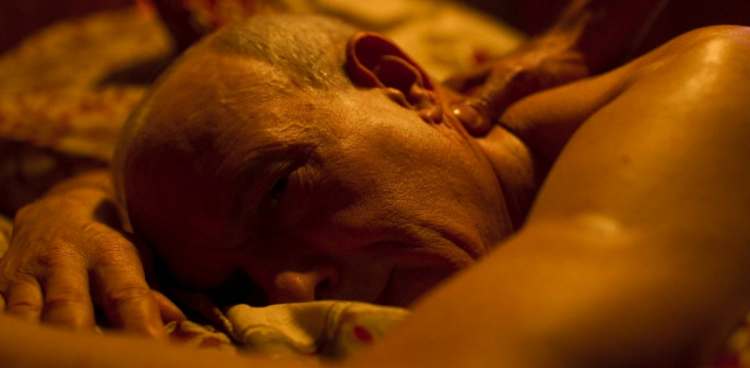
‘Love Lost’ marks Saura’s narrative directorial debut and his hold on the tone and feel of the film feels like work from a much more experienced filmmaker. The look is dark and seedy, as fitting with the story, but at the same time remains luscious and enticing to watch – not leaning into the grim reality of how this young man is forced to confront his father.
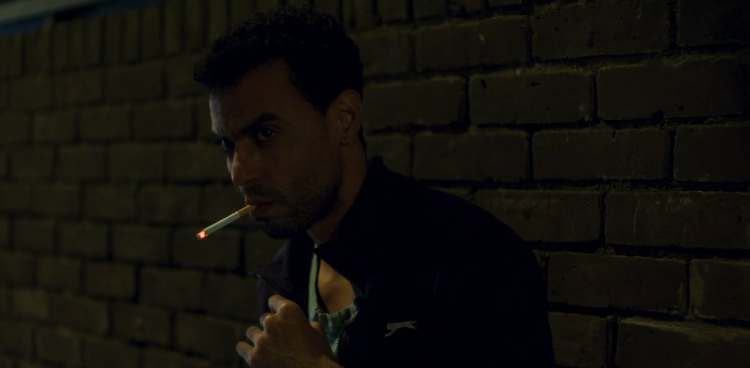
A final point to note is the queer focus of the tale. Sex work and stories of brothels are predominantly made with female protagonists and focus on the more pernicious side of that world and it is refreshing to see a different story, a new take and such a strong debut authorial voice.
 Rocks Festivals Blog