
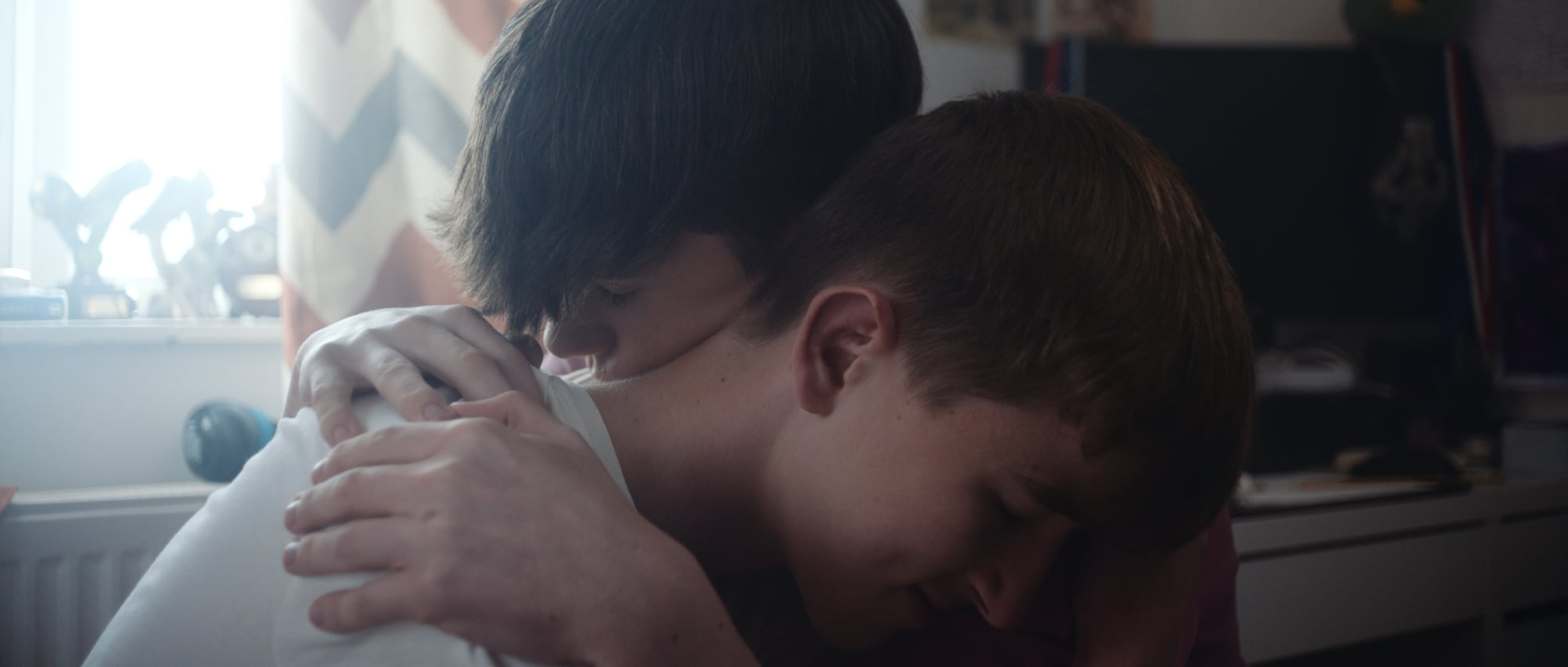
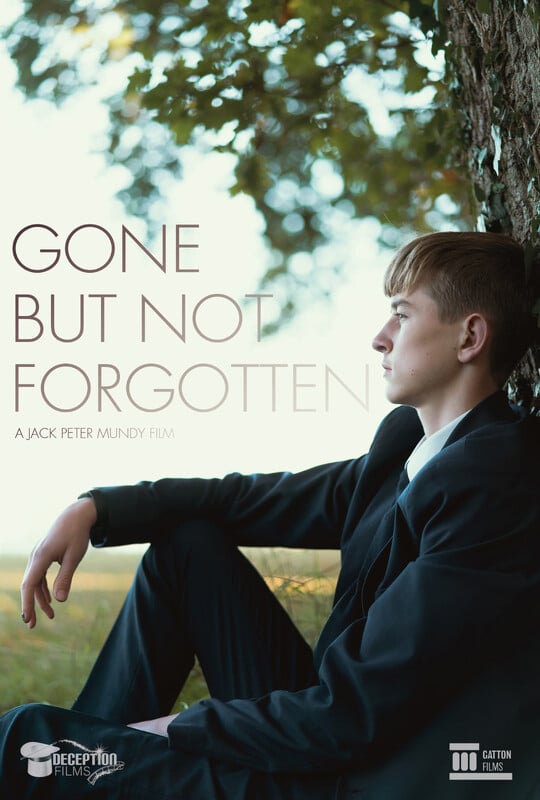
Grief and loss are huge, unfathomable topics which need to be treated with the tenderness and care they deserve when brought to the screen. ‘Gone But Not Forgotten’ by Jack Peter Mundy does exactly that. Considering the tale it depicts, that of a teenager, James, struggling to cope with the disappearance of his older brother Sean, it is an unexpectedly heartwarming short film that ultimately leaves you with a glimmer of hope. The script was initially intended as a feature film – it is easy to see how the word would expand and fill the time, yet we are treated to a perfect narrative arc and story within the shorter runtime.
Families are complicated; they’re fascinating but messy, frustrating and yet comforting. We all have our own experiences of ‘family’ but few of us really, truly understand the importance of the role they play in our lives.
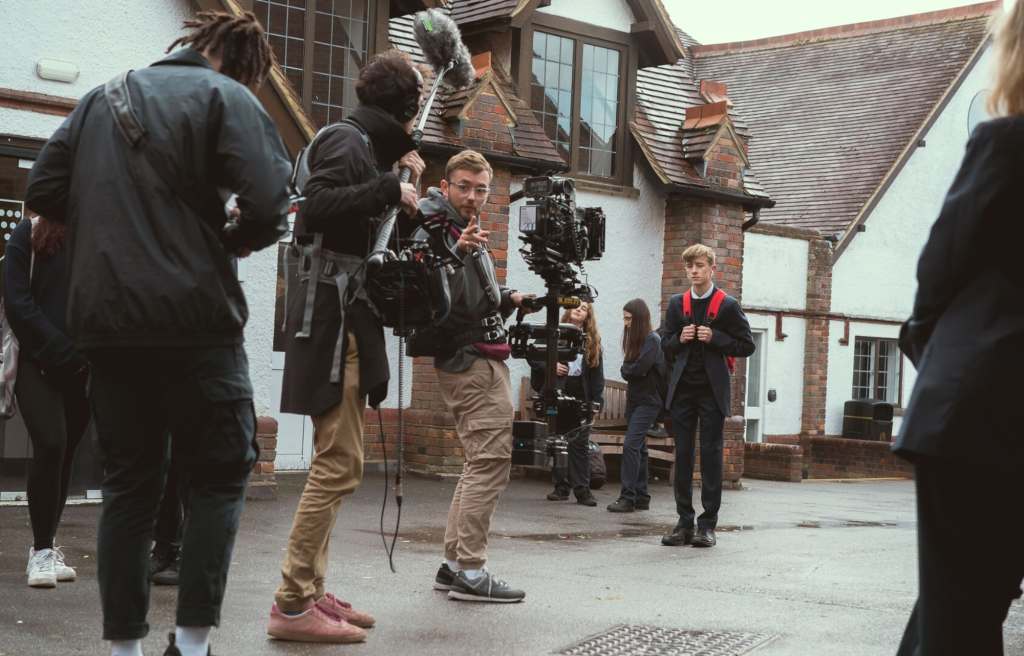
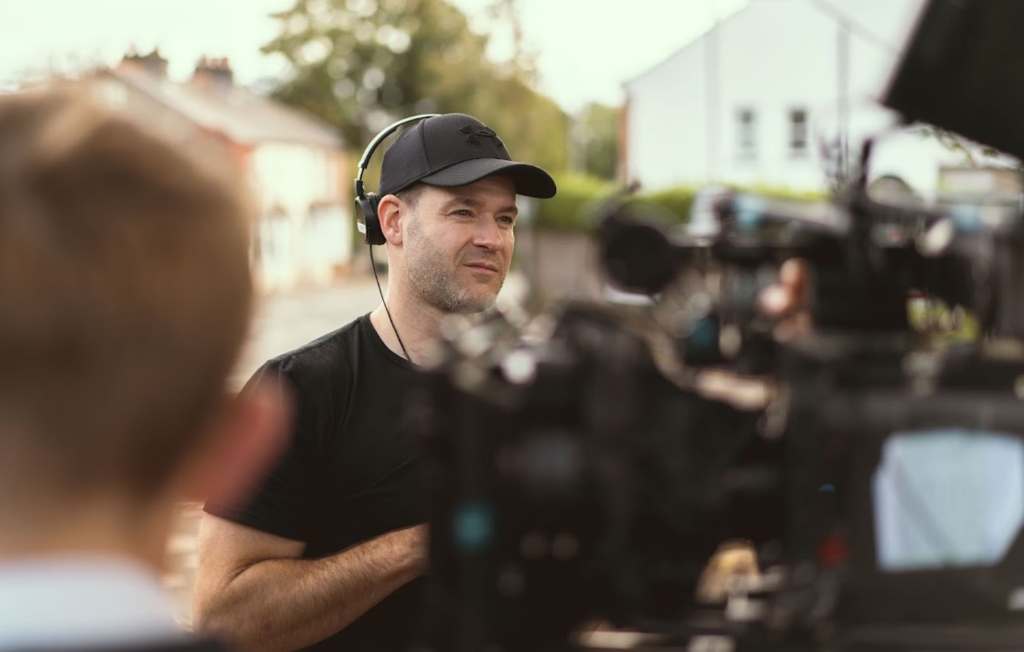
Mundy worked with a commendable team including Oscar-winning cinematographer Ali Farahani and the world they have contained for us is lush, vivid and exploding with detail. Decisions made with lighting and camera angles impress throughout and attest to the knowledge and skill behind the film’s production. As father and son walk into school, there is a particularly masterful scene following them both walking along passageways and corridors, mirroring and foreshadowing their own grief and loss.

As Mundy writes, families are complicated but the love between families, particularly that intangible connection between siblings, is so beautifully portrayed in ‘Gone But Not Forgotten’ it made me ache for my own sibling. The banter about keeping a diary and the gossip about their crushes are tender moments that speak of their longing to seek comfort in one another. Brotherly relationships can often be portrayed in an overly masculine way, but James and Sean, played by real-life brothers Samson and Toby Oliver, explore their roles in a mature and nuanced way which acts as an anchor for the other relationships at play.
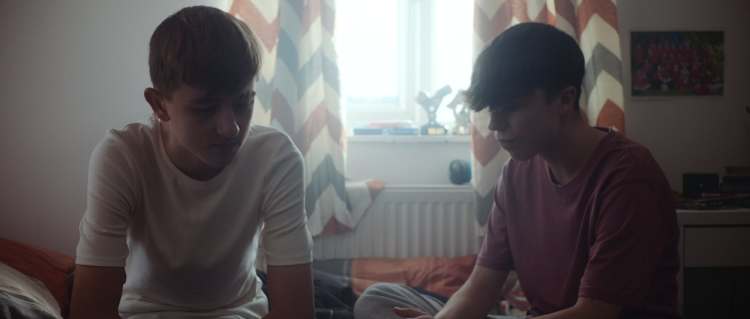
‘Gone But Not Forgotten’ not only depicts a blossoming young relationship but does so without explicitly drawing attention to its queerness. The film is not about coming out or a shock revelation. It is instead woven into the narrative and the pain and hurt felt so keenly by brother Sean at the loss of James is offset by the excitement and innocence of a newly forming love interest. As the two schoolboys jocularly mock each other over a shared attraction to their game teacher, Mundy is observational and not sensationalist in his approach, a welcome change.
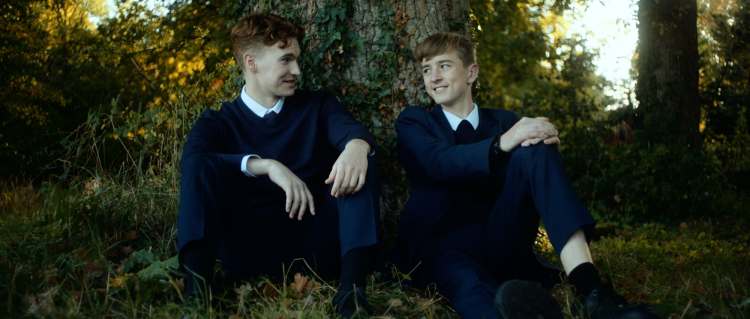
The film’s authenticity and relatability not only ride on the story, performances and polished look but the lived in, well-chosen locations. Shot in the director’s hometown and the school he attended, everything and everywhere seems like it has been picked from the heart. Mundy also worked closely with the charity ‘Missing People’ throughout production, which further adds to the accuracy and heartbreak of the tale.
 Rocks Festivals Blog