
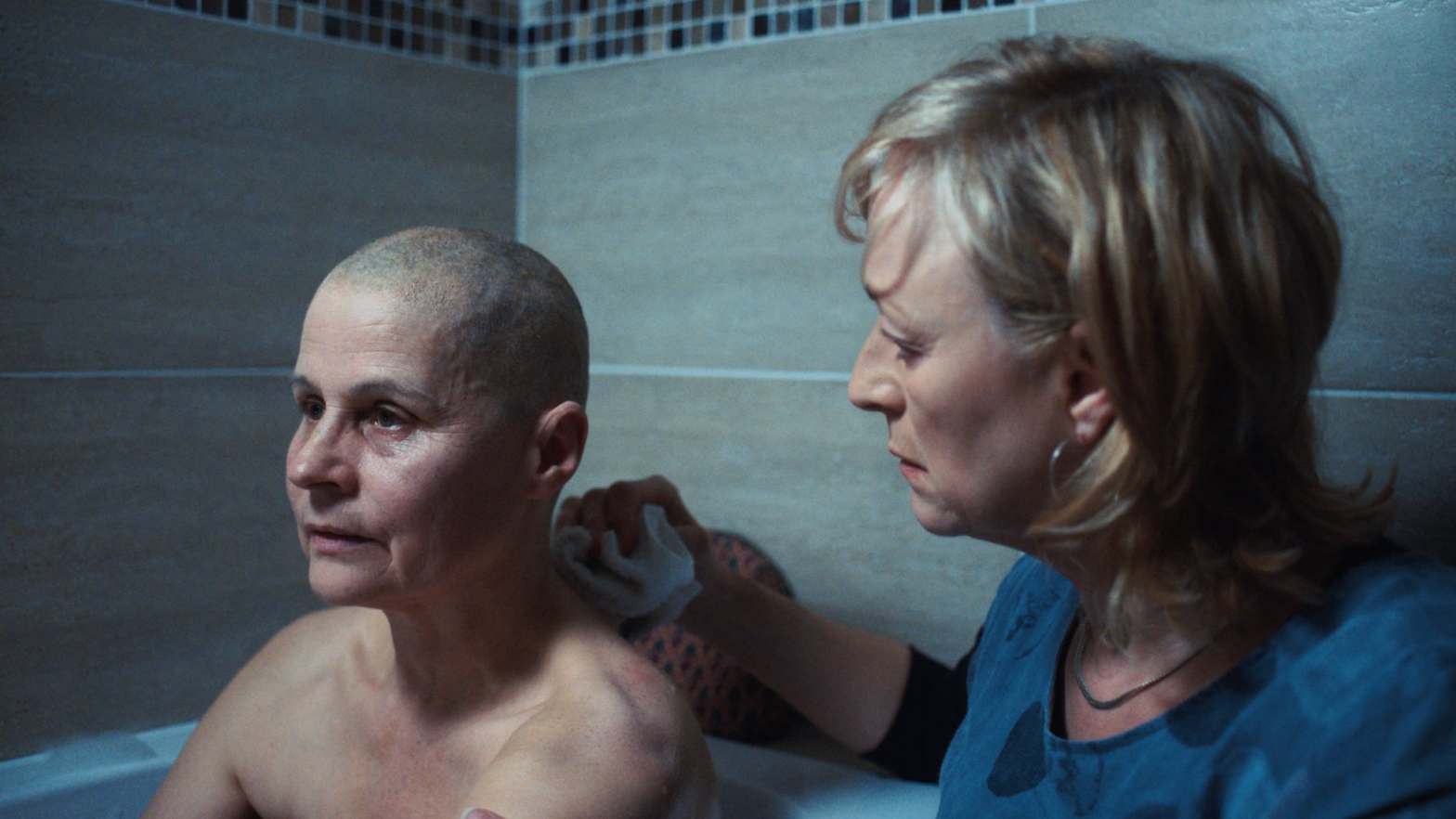
‘175’, by Iranian-British filmmaker Kasra Karimi, opens with an all too recognisable and distressing scene – a heartbroken woman who can only watch as her partner is ravaged by the cruelty of cancer. The tone is immediately set and the audience instantly drawn into the intimate world built by Karimi. The filmmaker’s affecting short film, inspired by true events, follows a mature lesbian couple as they battle terminal illness and eagerly await long-delayed news from parliament legalising same sex marriage. It is a story of courage, acceptance and devotion which champions the long overdue rights of minority groups in regards to marriage.
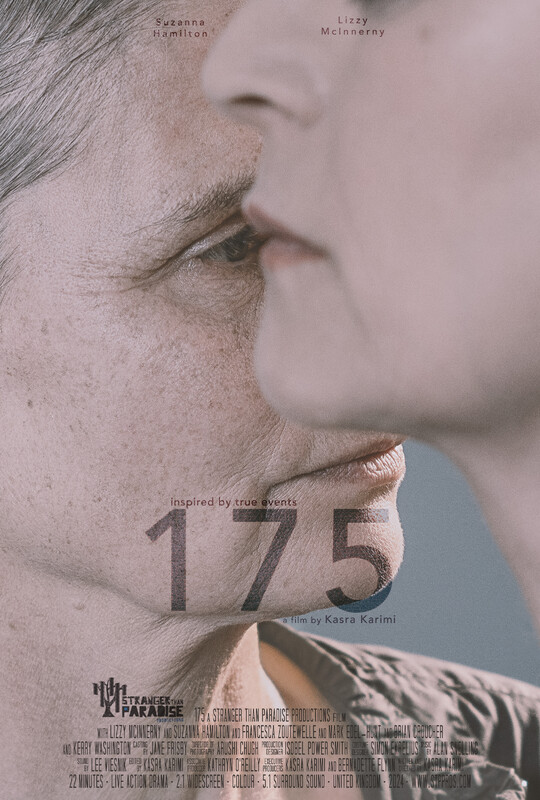
With a real historical backdrop, ‘175’ aims to tell an important story. It reminds us that the battle to equal rights is far from finished in many countries. That is why it is important that we recognise the importance of equal rights for minority communities in the UK and celebrate, promote, and protect it.
The most striking element traversing through ‘175’ is the desperate fight against time. It is a threefold battle against the progression of cancer, a change in the law and a fight to be accepted by family members. The film, however, does not feel rushed, which is largely in part to the fabulous performances by the two leads. Suzanna Hamilton plays terminally-ill Juliet with a quiet calm you might not expect from someone in her position, which deftly counterbalances her girlfriend’s more frantic and panicked state. Ruth, played by Lizzy McInnerny, is understandably more impatient, as she is watching their time together run out before her eyes.
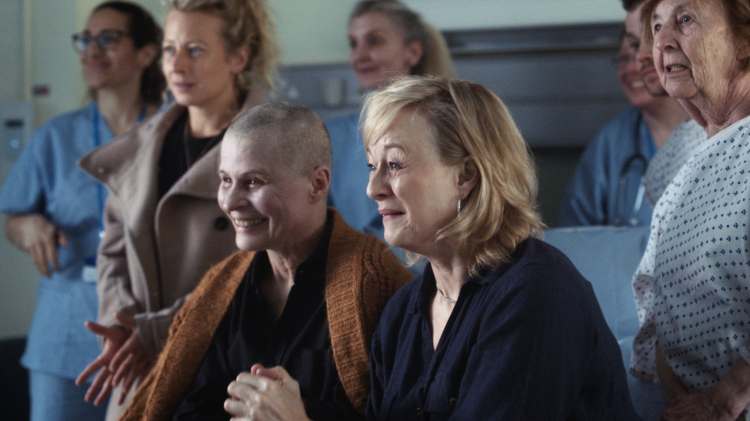
‘175’, alongside being a love story, is a film of social justice. Queer history is lamentably underrepresented in film and television and the progressions made are all relatively new so it is so refreshing to see this type of story highlighting real experiences of relatable, authentic people. Karimi does an admirable job in translating a true story into a narrative short film which feels so much grander and more impactful than its twenty-minute runtime.
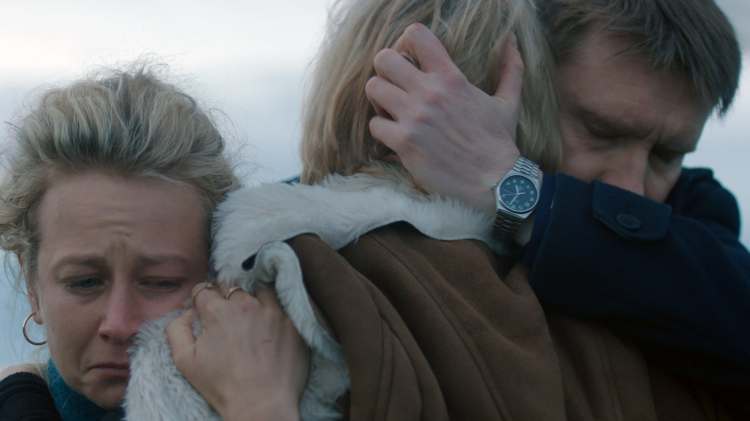
Another noteworthy point is the representation. Not only is this a queer female–centric story, delicately and accurately written and directed by a man, but it is centred around mature characters who are often overlooked or appear in supporting roles. Karimi shrewdly frames the conflict around the younger generation, as Ruth’s son struggles to come to terms with his mother’s relationship, compared to older friends who waste no time in embracing their love.

The grey and muted cinematography is also praiseworthy. It is wholly fitting for such a heartbreaking tale where we aren’t allowed to escape into sunnier, shinier realms. There is no escape for the characters within and ‘175’ admirably sticks to its themes and the topics at hand.
 Rocks Festivals Blog