
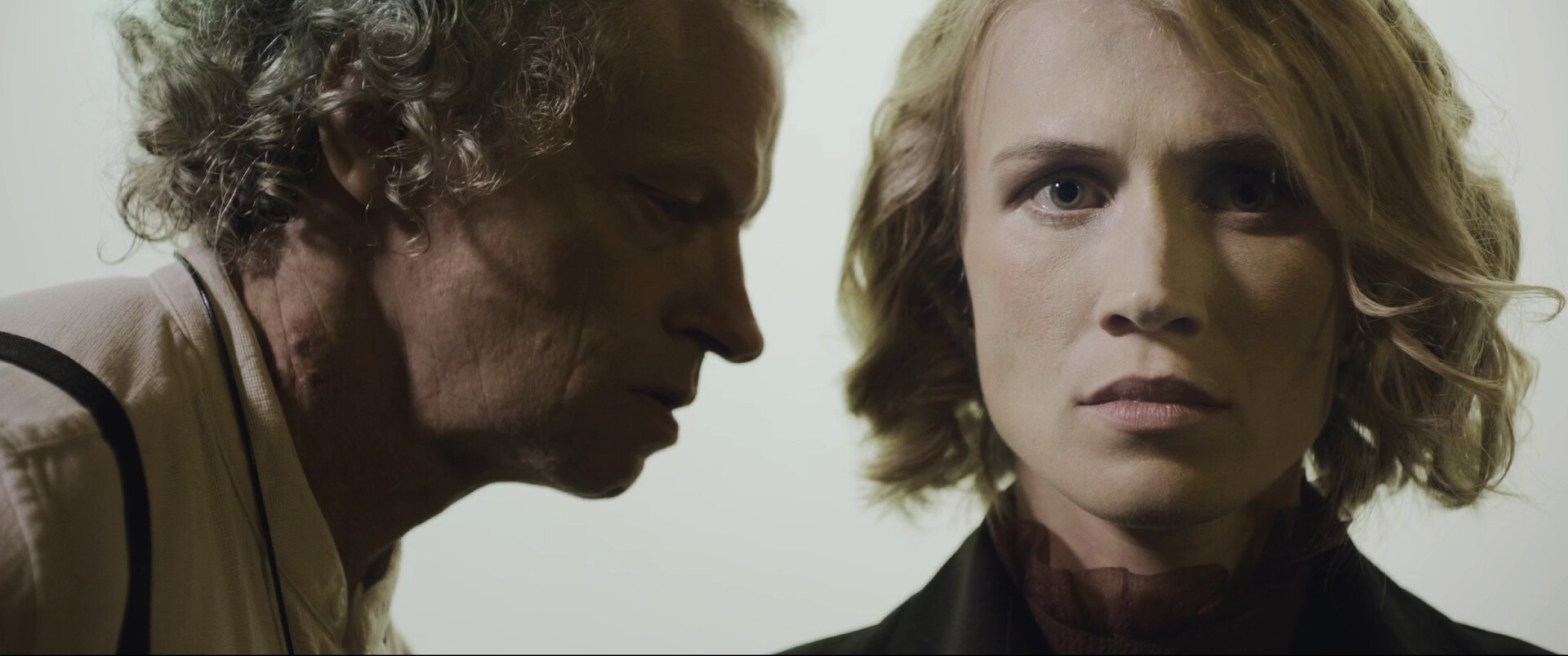
With a background in physics and a love for film noir and the uncanny, filmmaker William Brooke decided to combine his passions through the production of his unsettling short film ‘ReBirth’. Set in what can only be described as a dingy old saloon whose inner rooms hide a much more sinister purpose, ‘ReBirth’ centres around three very distinct and colourful characters, each with their own motivations, purpose and roles to play.
The film hinges on a central premise of life after death, while carefully weaving an exploration of identity, exploring the repercussions of what happens when we seek to fulfil our innermost desires. ‘ReBirth’ is as visually enticing as it is disconcerting. It is not to be missed at the upcoming Hastings Rocks International Film Festival, screening on Saturday 13 April at 6:30pm as part of our dystopian session “Down the Rabbit Hole.”
My favourite films are like nightmares, with a single emotional idea at their core. We are carried through the film by people, objects or associations in a seamless, dreamlike way so that we can never quite be sure how we got there.
What inspired you to make this film?
‘ReBirth’ is my first film so it’s been a real learning curve! I used to study and teach Physics and I’ve always been really into taking conceptual ideas from the extremes of scientific theories and exploring the impact that working on these areas have on the scientists who dedicate their lives to this kind of abstract thought. ‘ReBirth’ started along these lines, the antagonist being a brilliantly gifted, but troubled, scientist who prolongs their life indefinitely by transferring their consciousness into different bodies to continue their work. He defines himself by his thirst for knowledge as the ultimate good. I then started exploring different ways in which we can define our identities and the other characters came to life, with each having a different definition of themselves and way of seeing themselves in the world.
These characters aren’t who you would expect to find in a film exploring scientific musings and theories. How did you decide on the three main roles and their own very distinct identities?
I wanted to explore identity in different ways and each of the characters has a different driving force in that regard. The scientist is the Nameless Man, our antagonist, who represents a yearning for knowledge above all else. Smith is our corporate man, he has little time for subtleties and uncertainty makes him uncomfortable and irritated. Lily is wrapped up in the world of appearances and attaches her identity to things outside of herself, most strongly her twin. The bartender/mortician is someone with no one identity but different masks he wears with seemingly no control over which mask he wears at which time. These are all feelings/ways of being that I have experienced in the past and wanted to put them all together via different characters to explore their interaction. In hindsight I think I tried to do too much in this respect, and we never really get to spend enough time with any of the characters to get into them as much as I would have liked to.
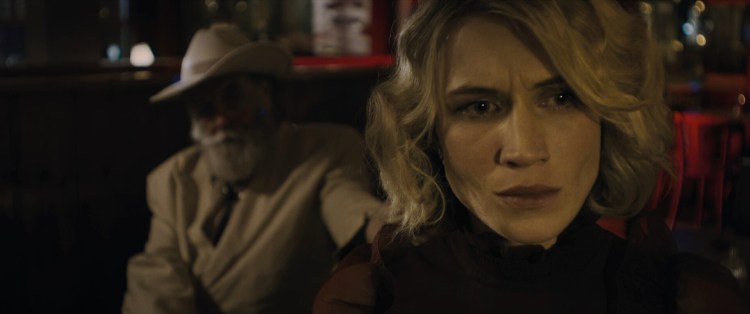
There has always been a significant and interesting debate around twin identity. Why was this something you wanted to explore?
We define ourselves in large part by how those around us perceive and interact with us, which is an inherently unstable way of building our identities.
I think about twins quite a lot. My dad has an identical twin brother and I remember something he said when I was young about how he sometimes resented being a twin, feeling that he never had entirely his own identity. When a schoolmate was having a party, they were always invited as a pair, they would always be given the same clothes growing up, people would get them mixed up. I think we define ourselves in large part by how those around us perceive and interact with us, which is an inherently unstable way of building our identities. By looking and thinking about twins it’s a way of thinking about this idea of our identities being defined externally to ourselves, and in a way which can be explored and understood in a different light.
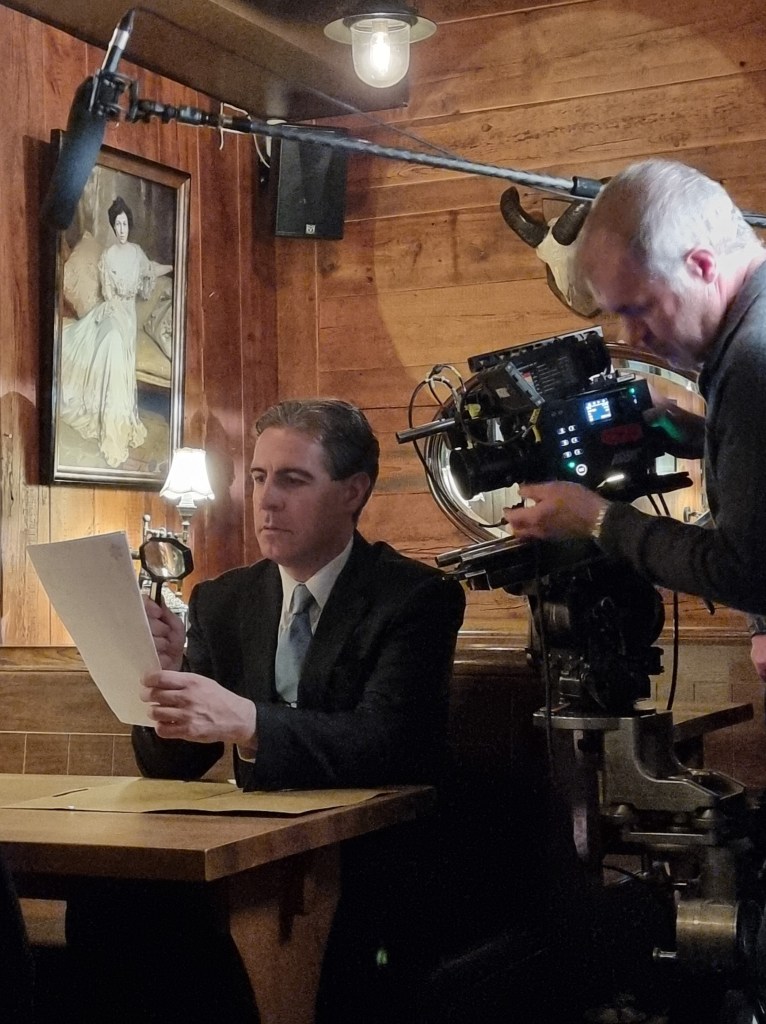

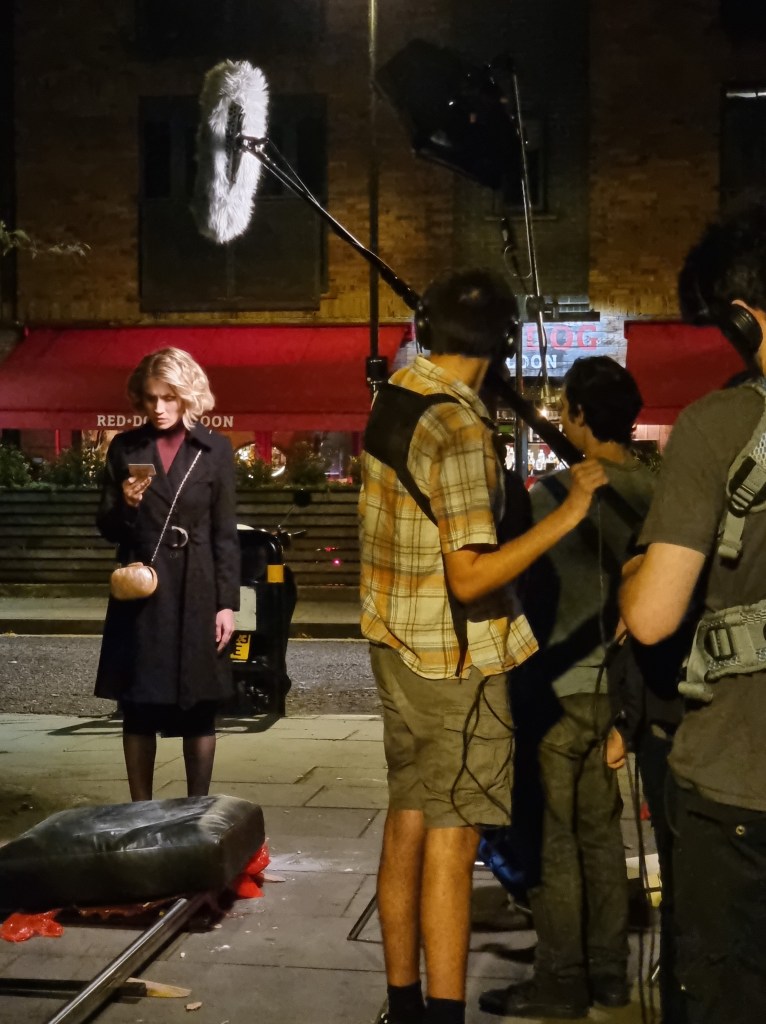
As this is your first film, what were you looking for in your crew for you to bring this vision to life?
My role became explaining the ideas, themes and emotions we needed to communicate within each shot/scene.
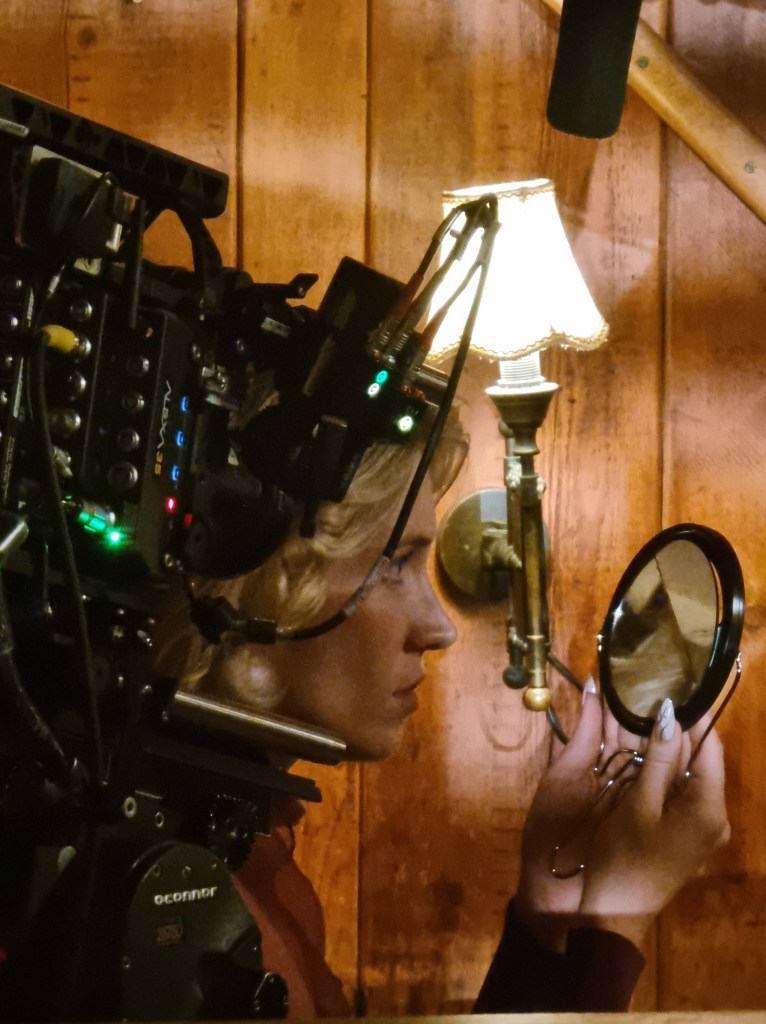
There are so many talented artists out there so it was mostly looking at people’s work and trying to see if I could see my film in what they had done before. Beyond that it was always going to be a tight shoot, taking place over three nights from 10pm to 7am, so having a crew of kind and supportive people so everyone could help and look out for each other was something I always kept in mind. Working with an experienced team I quickly realised they all know so much more than me about their disciplines (obviously!) so my role became explaining the ideas, themes and emotions we needed to communicate within each shot/scene, and then co-ordinating everyone’s input so everything was pulling in the same direction.

The mise-en-scene is suitably dark with light coming through the blinds and the shadows. Talk to us about the cinematography and working with Ali Asad in planning and executing the tone of the film.
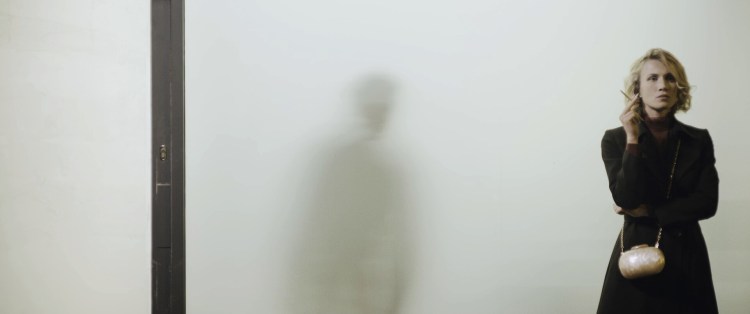
Ali is an incredible DOP! He is an expert in low light shooting and using composition to bring out the characters and emotional arc of the films he makes. I gave him some references of films whose style I wanted to bring into ‘ReBirth’. For example ‘Seconds’ by John Frankenheimer with its use of steep camera angles, wide angle lenses and unbalanced compositions. Others were ‘The Trial by Welles’ for high contrast ratios and ‘Taxi Driver’ for its muted colour palette. We also decided early on to not have too much cutting and have long shots in which characters and objects guide the camera movement, which I think helped build tension and have the audience identify with Lily’s discomfort in the situation she finds herself in. Once we had the tone everything else largely came down to finding ways to get the character dynamics across.

What equipment did you use for the shoot and can you talk us through some of the intricate setups and compositions in the Red Dog saloon?
We used an Arri Alexa Mini and a set of Super Baltar and shift and tilt prime lenses (particularly for the shots in the bathroom depicting Lily under the influence of the drugs she has taken). We used as much practical lighting as possible to give as much realism on the set as possible to just support the narrative and let the actors’ performances come to the fore.
The multi-layered sound design is excellent and feeds into the sense of horror, dissociation and panic created by the film. How was this all planned and paced?
It was very important to immediately get across the idea that the film is taking place in a world which is like ours but is not ours, giving the audience the licence to go with the more outlandish elements of the plot.
Sound design is one of the first areas I think about, and I write notes for this into the script. It also helped that the amazing Kelsey Rushworth who did our sound design was also the sound recordist so we could talk on set and he could have the best idea of what we were trying to achieve. In ‘Rebirth’ it was very important to immediately get across the idea that the film is taking place in a world which is like ours but is not ours, giving the audience the licence to go with the more outlandish elements of the plot. But also, with Lily in a dreamlike stupor after the loss of her sister, we wanted the sound to get across her state of mind and disassociation with the world. We had sounds from some scenes bleed into others for example, and distorted the voice of the antagonist as the drugs take hold and her grip on reality starts to falter.
I love the jarring flashes and that truly disconcerting montage as she reveals “I was told to come here.” How was this all done in the edit?
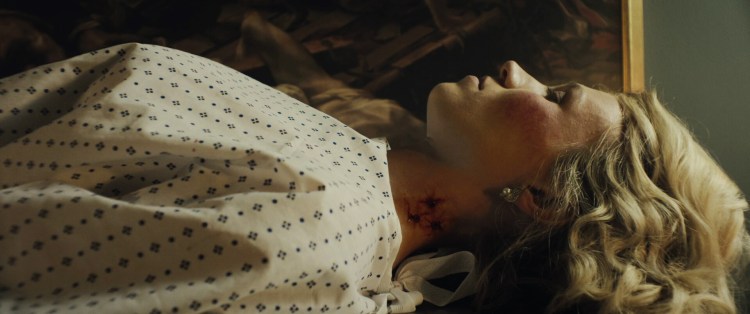
Thanks! In that scene we wanted to get across that Lily was revisiting the events that got her to that point and looking at herself in the mirror but not recognising herself anymore. This is where the tilt and shift lenses came into play to give a distorted and less defined view of similar shots we saw before. In the edit we wanted to get this idea across along with the disjointed nature of rushing thoughts like these so we combined lots of quick cuts with increasingly jarring sound design. Our editor Serkan nailed it first time. To me it feels a lot like having a panic attack.
What do you hope for your film?
I just want some people to see it and it connects with some of them in some way. It’s quite a vulnerable thing putting out a piece of work with ideas and a feeling that is meaningful to you. And this being my first film I have learnt a lot and would definitely approach things slightly differently moving forward. I’ve always wanted to make films and with the incredible people I’ve met and worked with for ‘ReBirth’ that has only increased. I have a couple of features in development so that is my main focus for now.
 Rocks Festivals Blog