

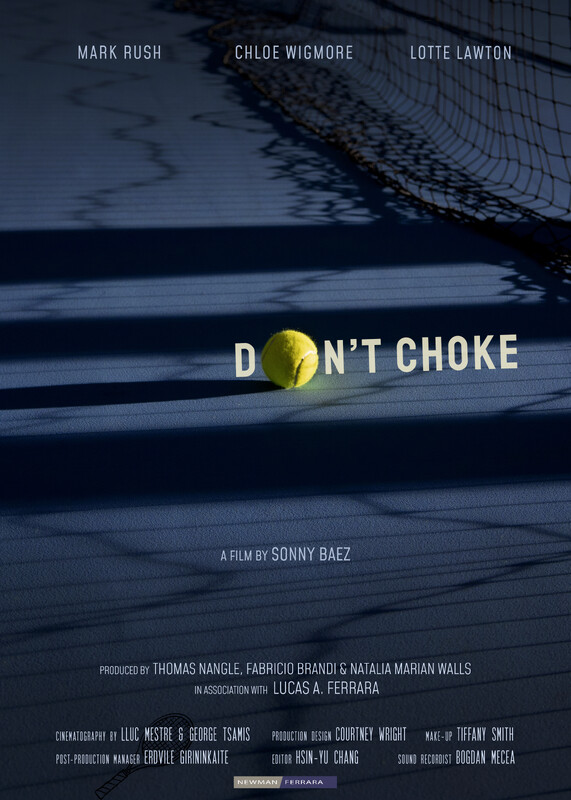
‘Don’t Choke’ by Sonny Baez takes no time in setting the tone as it takes you on a fast-paced, frenetic and surreal ride as we follow a highly competitive game of tennis between two warring parents in the middle of a divorce. But this is no normal game – the winning prize is custody of their daughter, leaving the loser with nothing.
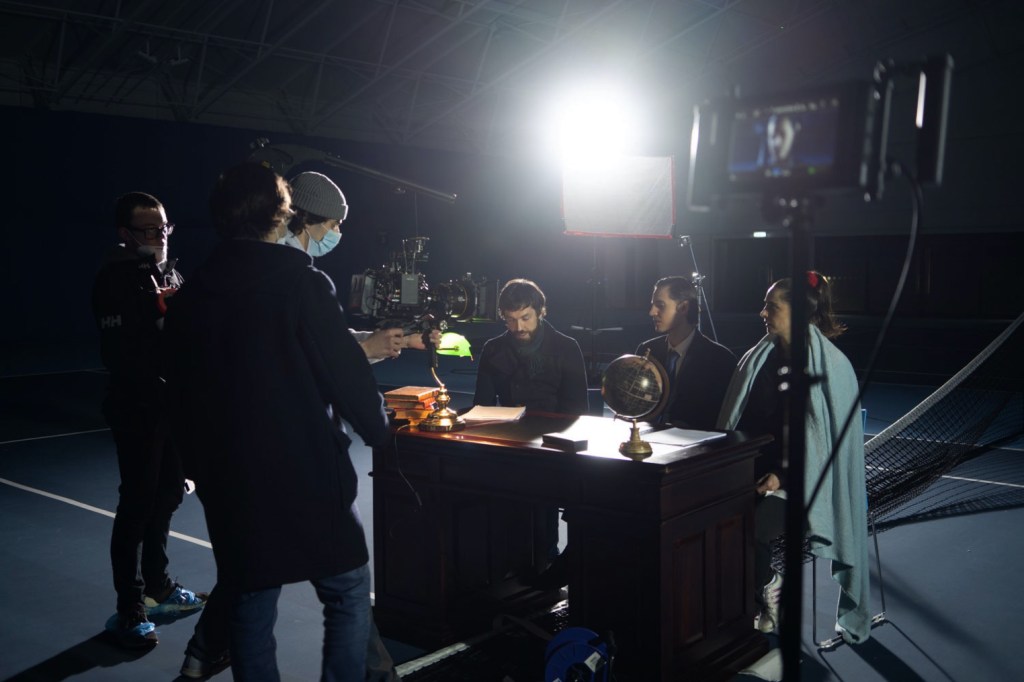
Sonny deftly creates a world where this tennis game is normal. Set in a perfectly innocuous tennis club with an audience of willing participants who want nothing more than to greedily bet on the outcome, totally oblivious of a young girl, sat all alone, watching her future glibly played for. The quick-witted writing and tightly scripted delivery in ‘Don’t Choke’ somehow make this all acceptable. All of the characters within have been carefully crafted and each plays their own role, which really does add depth to the on-screen world. The absurdity of the situation is highlighted by mid-match conversations with vitriolic sexist comments, which again seem perfectly normal at this moment.
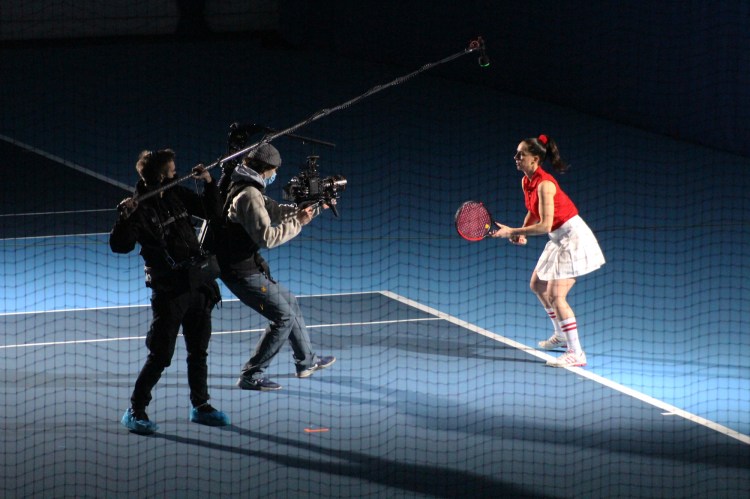
The pacing and editing is tight throughout the film, as insults and quips are passed back and forth as quickly as the ball on court. This bizarre world further drags you in as you are left unsure about who is in the wrong. Whilst we are urged to side with the father (Milton played by Mark Rush) from the start, we soon learn that there are much deeper reasons for which that this match is being played out and sympathies soon switch as Alice (played by Chloe Wigmore) exposes secret truths about her ex-partner’s past. The whole film rides on a seesaw of emotions from the start to end. The cinematography throughout perfectly reflects the dark themes within, the film is stormy in look and feel and we are offered no light or respite in this artificial world.
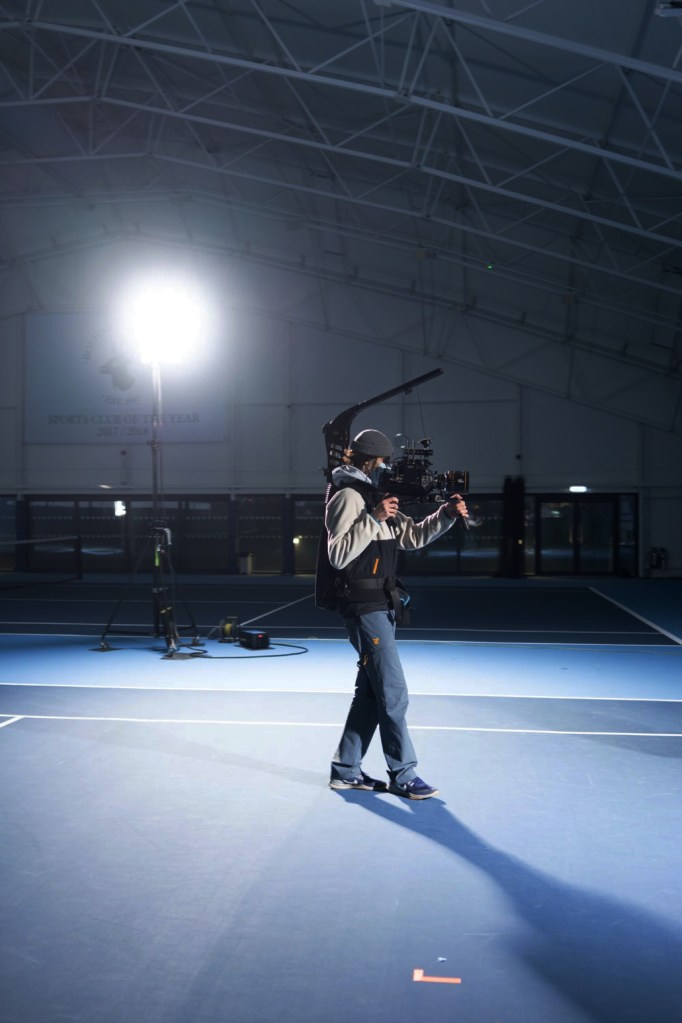
The ending is not triumphant. We finally see what is at play as a heartbroken young daughter, whose well-being has been seemingly entirely forgotten, is pulled in a direction not of her choosing. A family is now broken beyond repair. There is no mediation, no mature discussions and no addressing the hurt on both sides. It seems too obvious to state but in this game there are no winners. The camera blurs in and out, we are blinded by flashes of fluorescent light and the whole tone of the film moves from surrealism to a horrifying reality. The shock ending is not to be ruined, if only to say that Sonny makes sure his film closes on the real tragedy and makes sure we know exactly what is lost.
 Rocks Festivals Blog