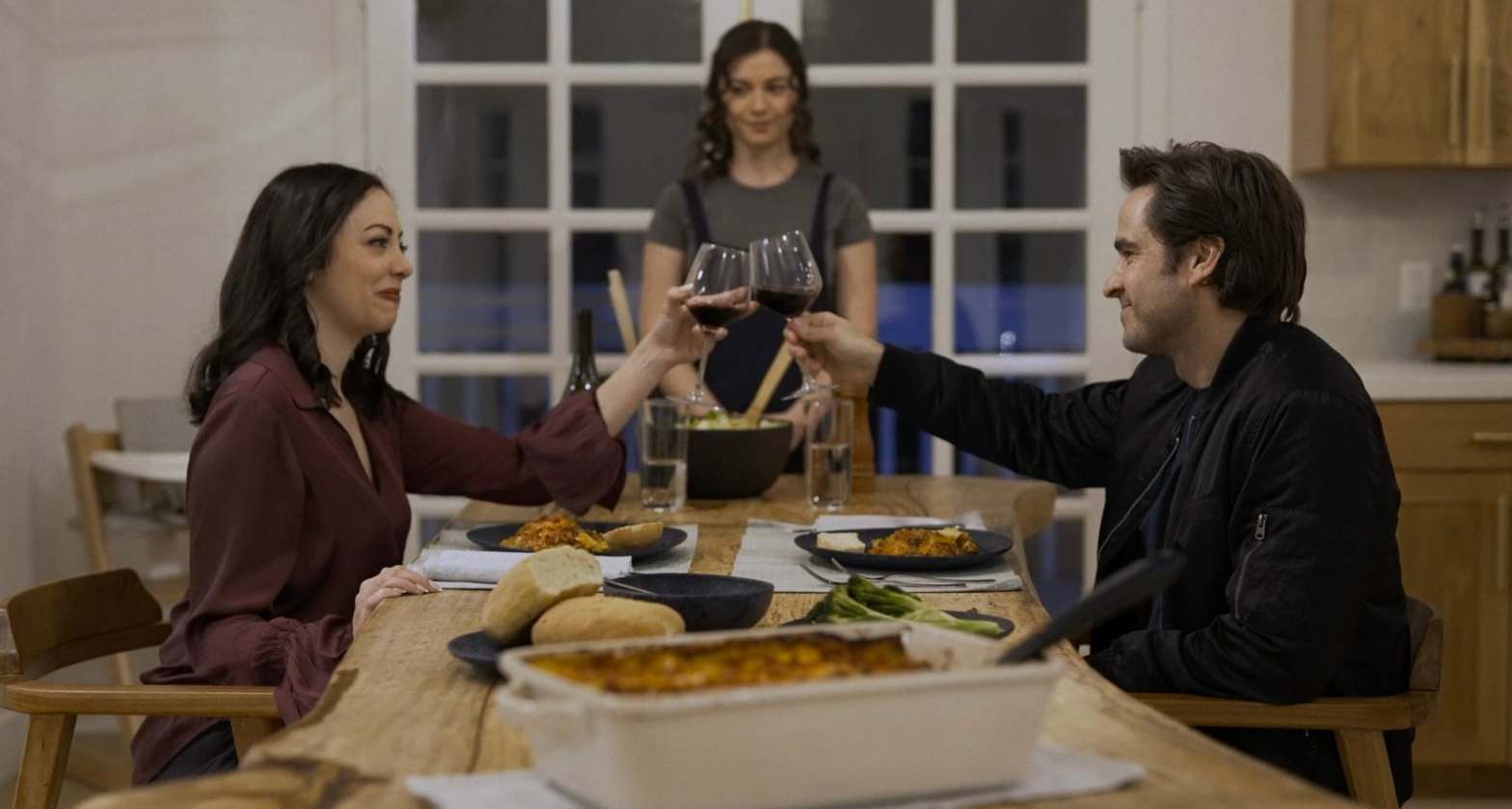
‘The Nanny’ by Brian Reynolds is a fabulously dark and macabre tale of power, control and the most vile betrayals. Reynolds comes from a theatre background and having achieved success and recognition for his work on short films, he was drawn to write and produce a feature-length film. ‘The Nanny’ brings together the filmmakers’ own lived experiences and a deep-seated love of thrillers where the audience is left conjecturing right up until the final moment.
‘The Nanny’ relies upon a heavily driven character narrative, and the audience is wholly immersed into the terrible and villainous personalities as we fall mercilessly into the traps and twists laid out by Reynolds. You will find yourself drawn to the support of each brilliantly played character until you suddenly find your allegiances switching with each carefully planned and sharply shot scene. ‘The Nanny’ will be screening at Brighton Rocks on Thursday the 22nd of June at 8:30pm as part of our feature showcases intended to delight and enthral our audiences.
Screening on Thursday the 22nd of June at 8:30pm at ALPHABET as one of our selected feature films of BRIFF23
Where did this delectably dark and twisted idea originate from?
I’ve travelled quite a bit for work and would often be in a position where I was living with clients for extended periods of time. There is a strange uneasiness about living in someone else’s space that never quite goes away. I wanted to combine the tension of that environment with the stress of a job with extreme responsibility.

What drew you to make a psychological thriller and what references did you draw upon for the film?
I’ve always been a huge fan of thrillers, especially ones where the action is minimal and the moves and countermoves are mental. Writing an engaging psychological thriller is a huge challenge which got me excited. I owe a huge debt to the many thrillers I’ve watched over the years; The Usual Suspects, Momento, The Manchurian Candidate and so many more. I love films where the denouement leads to a massive “Ohhhhhh!” for the audience.
The twists and turns are so involved, well thought out and developed. How was the script writing process?
This particular script came very quickly. Once I had the idea, the first draft was done in a couple of days. My wife Samantha MacDouglas read it and gave me fantastic notes (she’s an amazing writer and editor) which I implemented for a final draft. I always do a table read for any new script as soon as I can. In the table read we found a couple of plot holes and did another rewrite to solve those.

Aino is a wonderfully nuanced character whose initial shyness masks her will to survive and outwit the warring couple, leading to her eventual triumph. How did you develop her character and approach the performance with Georgia Gould?
I got to direct Georgia in my play Mono/Poly pre-pandemic and she is an incredible talent. We did a virtual table read of ‘The Nanny’ with most of the cast before we even knew we were going to make the film and Georgia blew everyone away. It was clear she already had a firm grasp on the character. When we got the green light, I offered Georgia the role and happily she accepted.
During pre-production we had a lot of rehearsals and Georgia had detailed questions about both the script and Aino in particular. Through our discussions she built a performance that was beautifully layered. On set we could quickly converse about Aino’s circumstances, objectives, and actions because of all the preparation that Georgia had put into the role.
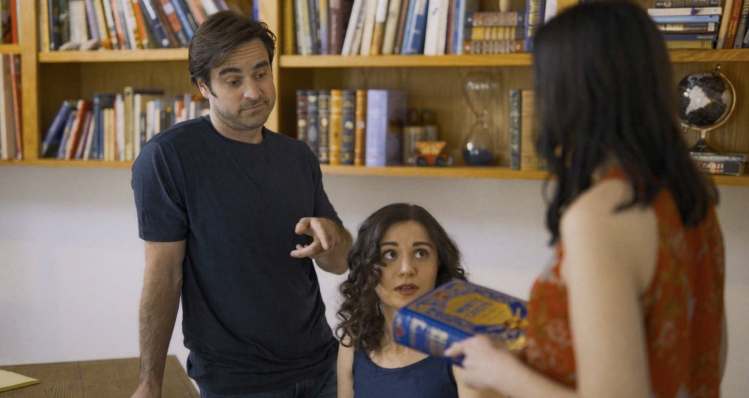
The location is fabulous – how did you find the right place to film and how long was the shooting all in all?
I had a pretty clear idea in my head of what I was looking for and I researched online both dedicated film locations and short-term rental properties. I looked at over two thousand locations and gradually narrowed it down to three. This location had amazing people managing it who were not just open to having a film there but very supportive from the outset.
We filmed for 17 days over a 21-day period. The entire cast and crew were quarantined so it felt like a really cool summer camp. We then had one day of shooting in the desert north of Los Angeles and one day in the mountains of Northern California.

I love your camerawork and the angles and focus that builds in each scene. Working with your crew, what is your method as a director to achieve your desired look and feel?
I want to give a huge shout-out to the book Master Shots by Christopher Kenworthy. My background is in theater so using the camera to help tell the story was something that I am always looking to improve. I read a ton of books and watched a lot of “how-to” videos, but Master Shots totally empowered me to tell the story I wanted to tell. I kept all three volumes next to me as I was storyboarding and referred to them constantly.
I can never get enough preparation so when we scouted the location, I scanned the entire house and grounds using LiDAR. Then I had a 3d model created that I dropped into a program called ShotPro. From there I could plan every shot and create video storyboards of the scenes within a virtual space.
Whenever I finished storyboarding a scene I would send it to my amazing cinematographer Michael J. Boehler. He and I would discuss the shots, what I was trying to achieve, and then he would offer suggestions to bring my vision to life. He was incredible at getting the movie I could see in my head into the lens, only better.
Once we were on set, Michael was constantly solving problems and coming up with enhancements for the visuals of the film. Travis Dixon, our assistant director, was also crucial in getting outstanding shots and ensuring we had the coverage we needed.

Your sound design and score are brilliantly put together, adding to the themes and building tension. How was this approached?
The first thing was we had an amazing sound person on-set, Rebecca McGlynn got perfect sound in some very difficult situations. She never complained once, no matter how many hills she had to climb or how many tables she crawled under to get the perfect angle for her boom mic.
I always knew that music was going to be a huge part of this film. A friend of mine offered to connect me with Jeff Tinsley who composes incredible music. We invited Jeff to the rough-cut screening and he loved the movie. He came on board as our composer shortly thereafter. Jeff and I sat down for a two-hour meeting about the emotional themes and impact that the music needed to have. It lasted over ten hours. He had an intense passion for understanding the film on a visceral level. Then Jeff went off and performed magic. When he came back he had composed over an hour of original music that still gives me chills every time I hear it. The cherry on top was when I got to sit in on a video conference call where Jeff directed a live orchestra in Budapest for our movie. One of the highlights of my life.
I know how integral the edit is to any film, especially a thriller where the ending is so fast-paced and integral to everything. How long was this part of the process and did the script change at all?
My intention was always to shoot as close to the final edit as possible and for the most part this happened. Travis Dixon was also the editor and he would discuss the edit with me while we were shooting. Since he and I had talked throughout the pre-production and production process, the first rough-cut happened quickly and was pretty close to what I had envisioned. We did quite a few passes to get the timing and pacing as polished as possible, especially during the finale.
Then at the screening of the rough-cut I received some amazing feedback from other filmmakers and realized I could cut almost fifteen minutes from the first act. That was the biggest change from the script and it made the film flow much better. All in all, it took several months to finalize the edit and get to picture lock.
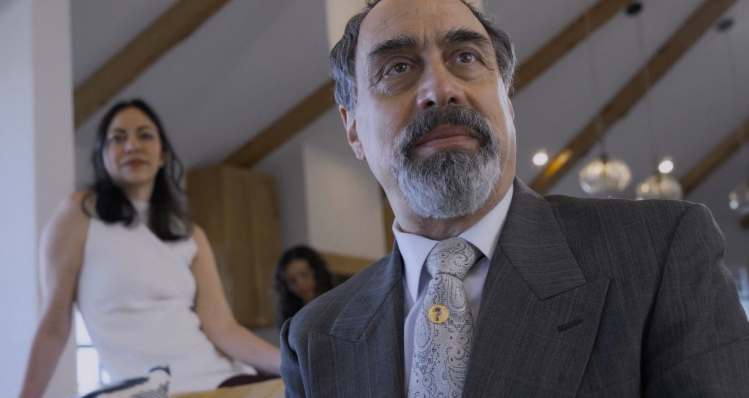
Your North American Premier was on the 28th of May – how did you find the reception and what does it mean to you to see your film on the big screen in front of an audience?
It was everything I dreamed of. It was at a big theater in downtown Los Angeles and it was almost full. At one point the film festival staff wasn’t sure they would have a seat for me! Most of the audience were unknown to me and I was excited for an audience who had no previous connection to experience the film. The reception was overwhelmingly positive. It’s always such a leap into faith as an artist to create anything. For an audience to connect with my work and enjoy the experience was intensely gratifying.
What do you hope for your film?
I’ve wanted to tell stories my entire life so my main goal for ‘The Nanny’ is for people to see it, whether at festivals or through subsequent distribution. From there I hope that people enjoy the journey we take them on and want to hear more stories from our team.
 Rocks Festivals Blog