

Screening at Brighton Rocks on Saturday the 24th June in our late night programme “Beware Ye Who Enters Here” from 9.30pm at the Actors.
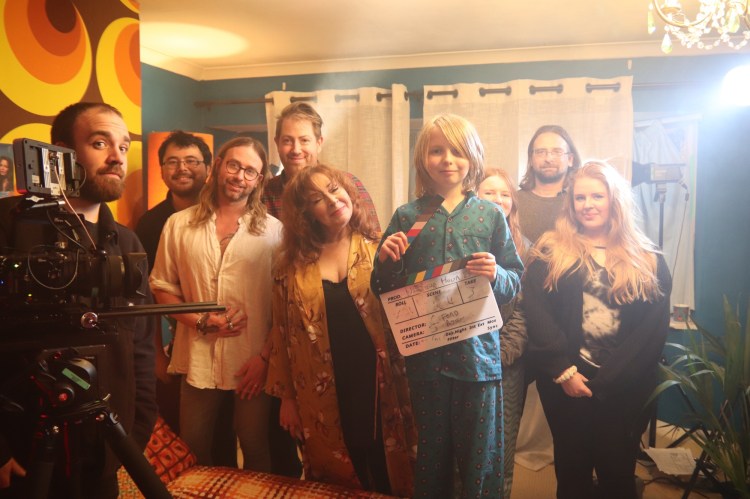
‘The Witching Hour’ by Craig Ford and production company Pardon Our French has adapted the weird and wonderful cinematic world of horror and applied it to the inner turmoil of a young boy. Our protagonist has not only just lost his father, but is dealing with an exhausted mother and relentless petty bullying at school as he battles with his own sexuality and identity. You might say, it sounds like the perfect making of a horror movie!
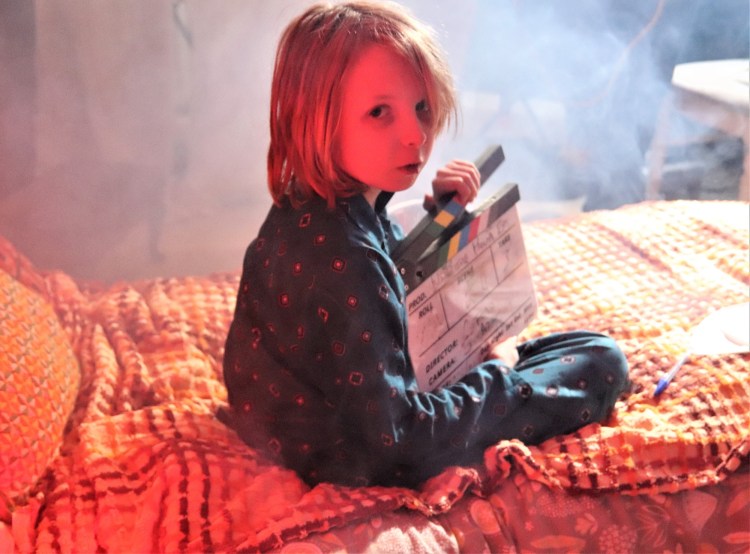
The third and final short in a series dubbed ‘Queer Bedtime Stories’ opens with the all too familiar and emotive screeching sounds of a violin which characterise so many of our favourite creepy horrors. As we parade around a young boy’s dark bedroom, a ticking sound and crescendo of music might have you ready to jump in your seat, but we learn it is but a piece of furniture which has fallen – there was nothing to be afraid of. Oh…but there is.
A special mention must be made of the exquisitely detailed and accurate setting of the film. Craig himself grew up on 70s classic horrors and the set for ‘The Witching Hour’ leaves nothing to be desired. We are drawn into our young boy’s world through the four walls of his bedroom sanctuary, which is also the place he is most fearful of. Everything brings us back to a time where being queer and coming out was far more formidable than today.
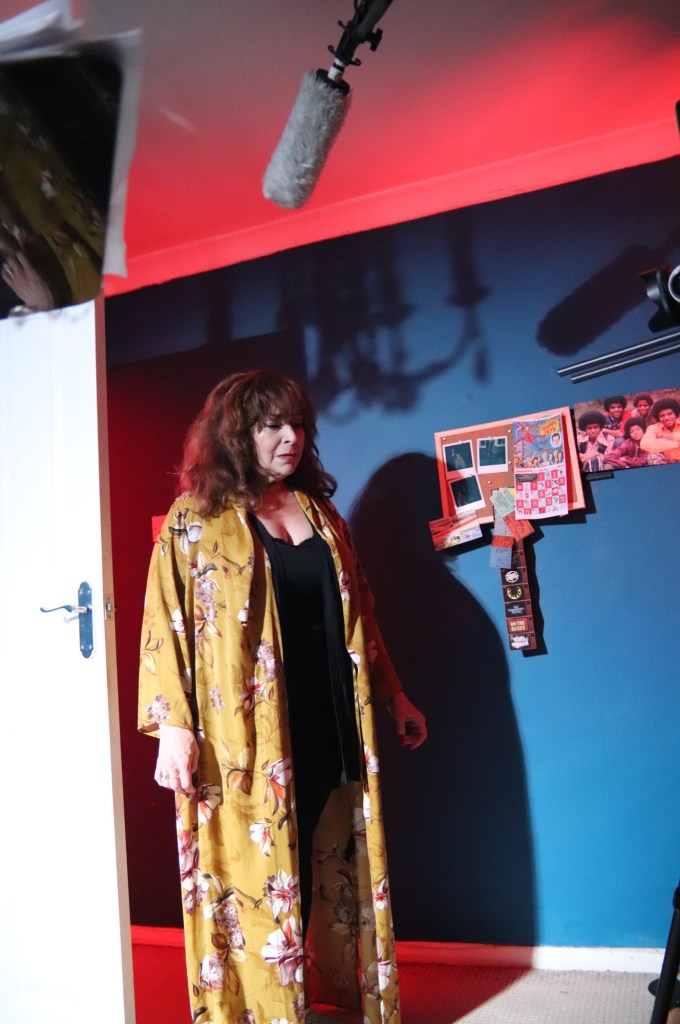
Life seems better in the light of day and we are dragged into the heart of a classic and all too relatable interaction between mother and son. Craig cleverly hides us from the mother as they converse through a bedroom door, which forces us into a closeness and intimacy with our young boy. This is needed as we follow him through a series of terrifying scenes where it is revealed who is haunting him.
Alongside the hideous treatment our young boy receives at the hand of bullies and his own confusion, he is dealing with the life-altering loss of a parent. ‘The Witching Hour’ should be commended for its concurrent heady topics and themes, which it handles delicately and accurately. The flashbacks to happier times with his Dad on the beach not only serve as narrative storytelling devices but allow us to feel his grief alongside everything else he is dealing with. They give us a further comprehension of exactly why our young boy is in such hell.
I would never want to ruin an ending for a viewer but there could be different ways of interpreting those final moments after we finally meet our protagonist’s mother, who is brilliantly portrayed by Harriet Thorpe. We feel convinced her son is hiding something from her, which is all too normal at his young age however as the final scene closes we ask ourselves were the apparitions more than a young boy’s imagination gone wild?
 Rocks Festivals Blog